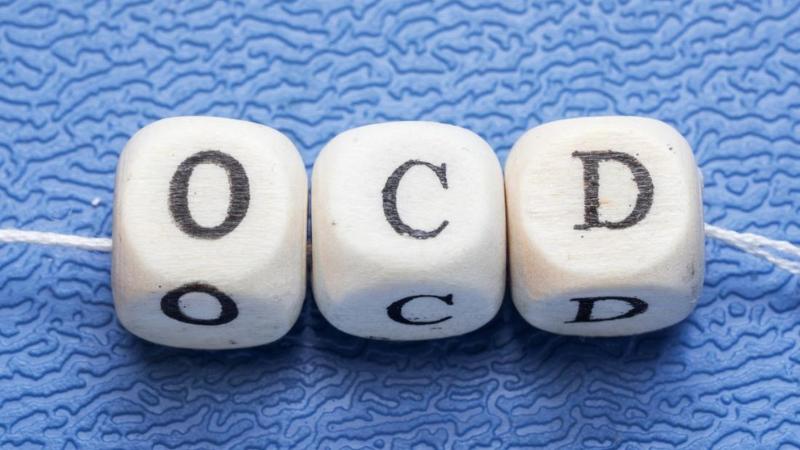
Obsessive Compulsive Disorder (OCD) is a mental health condition that affects around 1 in 100 adults globally. It is characterized by unwanted, intrusive thoughts (obsessions) and repetitive behaviors (compulsions) that can significantly disrupt daily life. While many people with OCD respond well to standard treatments like selective serotonin reuptake inhibitors (SSRIs) and cognitive behavioral therapy (CBT), a significant number estimated at around 40% do not achieve sufficient symptom relief. For these individuals, a surgical intervention known as Deep Brain Stimulation (DBS) may offer a promising new pathway.
OCD can range in intensity from mild to debilitating. In severe cases, individuals may struggle to function in everyday activities, affecting relationships, work, and personal well-being. The emotional toll of persistent thoughts and behaviors can even lead to suicidal ideation in extreme instances. Despite a wide range of pharmacological and psychotherapeutic approaches, many patients continue to suffer, unable to break free from the disorder’s relentless grip.
What is Deep Brain Stimulation?
Deep Brain Stimulation is a surgical procedure initially developed to treat movement disorders such as Parkinson’s disease. Over the years, it has shown promise in addressing various psychiatric conditions, including treatment-resistant OCD. The procedure involves implanting tiny electrodes in specific areas of the brain. These electrodes are connected to a pulse generator, usually placed near the collarbone, which sends electrical impulses to regulate abnormal brain activity.
The goal of DBS is to modulate brain circuits associated with obsessive thoughts and compulsive behaviors. By adjusting these electrical signals, patients may experience significant relief from their symptoms. In one clinical trial, up to 60% of participants reported a substantial reduction in OCD severity following the procedure, along with noticeable improvements in social functioning and quality of life.
The DBS Procedure: Step-by-Step
-
Preoperative Assessment: Patients undergo a series of evaluations, including neuropsychological tests and imaging scans, to determine suitability for the procedure.
-
Surgery: Conducted under local anesthesia, surgeons place the electrodes into targeted brain regions with precision. A neurostimulator is then implanted under the skin.
-
Postoperative Programming: After recovery, doctors fine-tune the pulse generator settings over several sessions to find the optimal stimulation levels.
While the procedure is generally safe, it carries potential risks such as bleeding, infection, or hardware complications. Post-surgical monitoring and adjustments are crucial to ensuring safety and effectiveness.
Why Consider DBS for OCD?
DBS is not a first-line treatment for OCD, but for those who have exhausted other options, it presents a viable and often transformative alternative. The benefits include:
-
Significant reduction in symptoms: Patients often see a marked decline in obsessive and compulsive behaviors.
-
Restoration of daily function: Improved focus, emotional stability, and the ability to participate in normal routines and relationships.
-
Enhanced quality of life: Individuals often report feeling "free" from the thoughts and rituals that once dominated their lives.
However, DBS is not without its drawbacks. Some patients may experience side effects such as mood swings, depression, concentration issues, or involuntary movements. This underlines the importance of psychological counselling before and after surgery, as well as continuous follow-up care. DBS is currently considered for patients with severe, chronic OCD who have not responded to at least two standard treatments, including both medication and structured therapy. It is a decision that involves careful deliberation between the patient, their family, and a multidisciplinary team of neurologists, psychiatrists, and surgeons.
As technology advances, the future of DBS looks even more promising. Innovations like BrainSense and adaptive neurostimulation could make treatment more precise, customizable, and responsive to the patient’s needs. Research is ongoing to improve electrode placement and explore how this technique might be adapted to treat other psychiatric disorders, including depression and anxiety. In conclusion, deep brain stimulation is not just a medical breakthrough it represents hope for a section of OCD patients who’ve struggled for years with little relief. With evolving technology and increasing clinical experience, DBS could reshape how we approach chronic mental health conditions in the future.