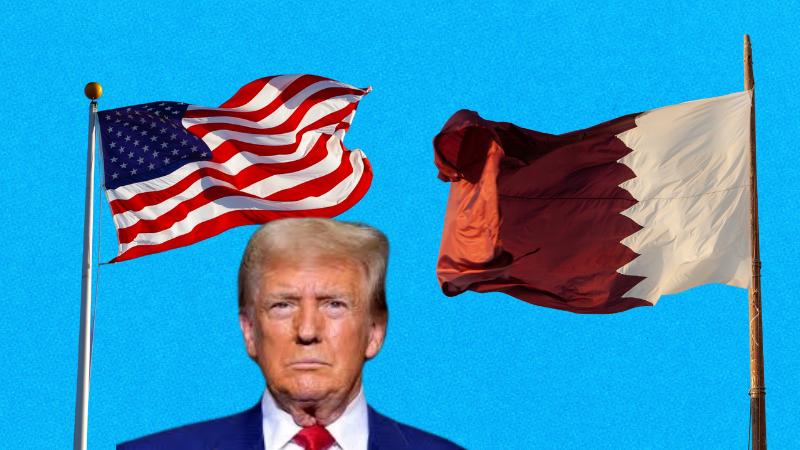
In an unusual turn of events, President Donald Trump has found himself at the center of a rare moment of unity across America's deep political divide—only this time, the unity is rooted in criticism rather than support. The issue sparking widespread backlash is the president’s willingness to accept a luxury Boeing 747-8 jet, valued at approximately $400 million, from the royal family of Qatar. Though framed as a gift to the US Department of Defense for inclusion in the Air Force One fleet, many voices across the political spectrum have raised ethical, legal, and national security concerns.
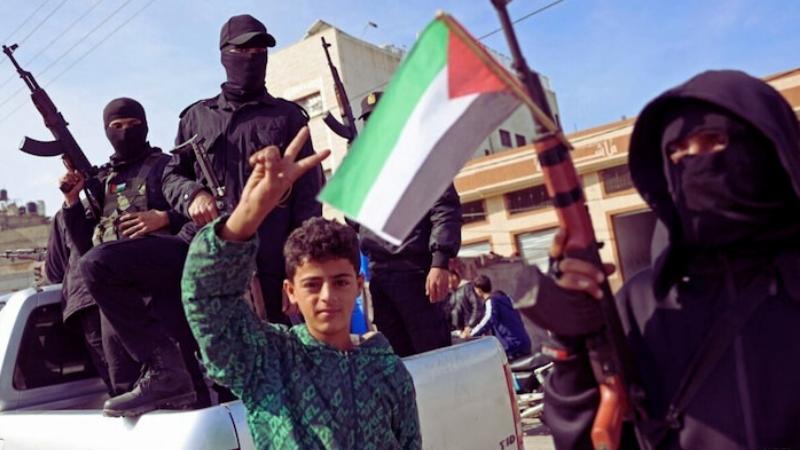
While Democrats swiftly condemned the move, the more surprising response came from within the president’s own conservative and MAGA circles. Influential commentators and political allies expressed disapproval, describing the gift as a potential bribe or a questionable example of foreign influence. Critics questioned the motivation behind such an extravagant donation from a nation with a controversial international reputation, including accusations—though denied by Qatar—of financing terrorist groups.
The Qatari government insists that the transaction is strictly between the two countries' defense departments, not a personal gift to President Trump. They have emphasized that this is a government-to-government arrangement and claim it aligns with Qatar’s long-standing alliance with the United States. Nevertheless, the White House’s response, asserting full transparency and adherence to applicable laws, has done little to quiet the uproar. Many believe that such a valuable gift cannot come without implicit expectations, regardless of the absence of formal conditions.
Some of the president’s staunchest supporters, including conservative influencers and members of Congress, have spoken out against the deal. Concerns range from the perception of impropriety to more serious worries about espionage risks, especially considering Qatar's geopolitical affiliations. Even Republican senators who have typically aligned with Trump have voiced reservations, arguing that the acceptance of the plane could compromise the United States’ ability to critique Qatar’s human rights practices in the future.
Adding fuel to the controversy is the fact that several individuals connected to the administration, including Attorney General Pam Bondi, have previously worked as lobbyists for the Qatari government. Though she later reviewed and approved the legality of the deal, critics remain skeptical of her impartiality, given the substantial compensation she received from Qatar in the past.
The Trump Organization’s continuing business interests in Qatar, including a recently announced luxury golf resort, have only added to suspicions about potential conflicts of interest. Such overlapping personal, political, and business ties have raised eyebrows among ethics watchdogs and political strategists alike. The optics of a foreign government donating such a high-value item during an election cycle have intensified the political storm.
During a recent press conference, President Trump reacted with visible irritation when a journalist asked if the jet could be perceived as a personal gift. Dismissing the question as "fake news," he insisted the aircraft was intended for the government and would eventually be used by the president’s library after his term. Trump later took to social media to further defend the deal, comparing it to France’s gift of the Statue of Liberty and calling critics "fools" for rejecting what he views as a beneficial offer for the country.
Some Republican lawmakers like Senator Tommy Tuberville came to the president’s defense, suggesting that the gift was a welcome contribution in times of tight budgets. However, others urged caution, with Senator Rand Paul stressing that even the appearance of undue influence could be damaging. Ted Cruz also raised national security concerns, highlighting the espionage and surveillance risks involved in accepting such a gift from a foreign power.
Political analysts note that while this controversy has sparked an intense and immediate reaction, Trump has often managed to weather similar storms. His ability to reframe scandals and keep his base focused on his broader political narrative has made it difficult for opponents to make any one controversy stick. Nevertheless, the Qatar plane deal may linger longer than most, due to its scale, the geopolitical ramifications, and the rare bipartisan nature of the criticism it has generated.
As the debate continues, many are watching closely to see whether the administration will reconsider the acceptance of the aircraft or proceed with integrating it into the government’s aviation fleet. With the election cycle heating up, how this controversy unfolds could have implications not only for Trump’s public perception but also for US foreign policy and transparency standards in dealings with allied nations.
While Democrats swiftly condemned the move, the more surprising response came from within the president’s own conservative and MAGA circles. Influential commentators and political allies expressed disapproval, describing the gift as a potential bribe or a questionable example of foreign influence. Critics questioned the motivation behind such an extravagant donation from a nation with a controversial international reputation, including accusations—though denied by Qatar—of financing terrorist groups.
The Qatari government insists that the transaction is strictly between the two countries' defense departments, not a personal gift to President Trump. They have emphasized that this is a government-to-government arrangement and claim it aligns with Qatar’s long-standing alliance with the United States. Nevertheless, the White House’s response, asserting full transparency and adherence to applicable laws, has done little to quiet the uproar. Many believe that such a valuable gift cannot come without implicit expectations, regardless of the absence of formal conditions.
Some of the president’s staunchest supporters, including conservative influencers and members of Congress, have spoken out against the deal. Concerns range from the perception of impropriety to more serious worries about espionage risks, especially considering Qatar's geopolitical affiliations. Even Republican senators who have typically aligned with Trump have voiced reservations, arguing that the acceptance of the plane could compromise the United States’ ability to critique Qatar’s human rights practices in the future.
Adding fuel to the controversy is the fact that several individuals connected to the administration, including Attorney General Pam Bondi, have previously worked as lobbyists for the Qatari government. Though she later reviewed and approved the legality of the deal, critics remain skeptical of her impartiality, given the substantial compensation she received from Qatar in the past.
The Trump Organization’s continuing business interests in Qatar, including a recently announced luxury golf resort, have only added to suspicions about potential conflicts of interest. Such overlapping personal, political, and business ties have raised eyebrows among ethics watchdogs and political strategists alike. The optics of a foreign government donating such a high-value item during an election cycle have intensified the political storm.
During a recent press conference, President Trump reacted with visible irritation when a journalist asked if the jet could be perceived as a personal gift. Dismissing the question as "fake news," he insisted the aircraft was intended for the government and would eventually be used by the president’s library after his term. Trump later took to social media to further defend the deal, comparing it to France’s gift of the Statue of Liberty and calling critics "fools" for rejecting what he views as a beneficial offer for the country.
Some Republican lawmakers like Senator Tommy Tuberville came to the president’s defense, suggesting that the gift was a welcome contribution in times of tight budgets. However, others urged caution, with Senator Rand Paul stressing that even the appearance of undue influence could be damaging. Ted Cruz also raised national security concerns, highlighting the espionage and surveillance risks involved in accepting such a gift from a foreign power.
Political analysts note that while this controversy has sparked an intense and immediate reaction, Trump has often managed to weather similar storms. His ability to reframe scandals and keep his base focused on his broader political narrative has made it difficult for opponents to make any one controversy stick. Nevertheless, the Qatar plane deal may linger longer than most, due to its scale, the geopolitical ramifications, and the rare bipartisan nature of the criticism it has generated.
As the debate continues, many are watching closely to see whether the administration will reconsider the acceptance of the aircraft or proceed with integrating it into the government’s aviation fleet. With the election cycle heating up, how this controversy unfolds could have implications not only for Trump’s public perception but also for US foreign policy and transparency standards in dealings with allied nations.