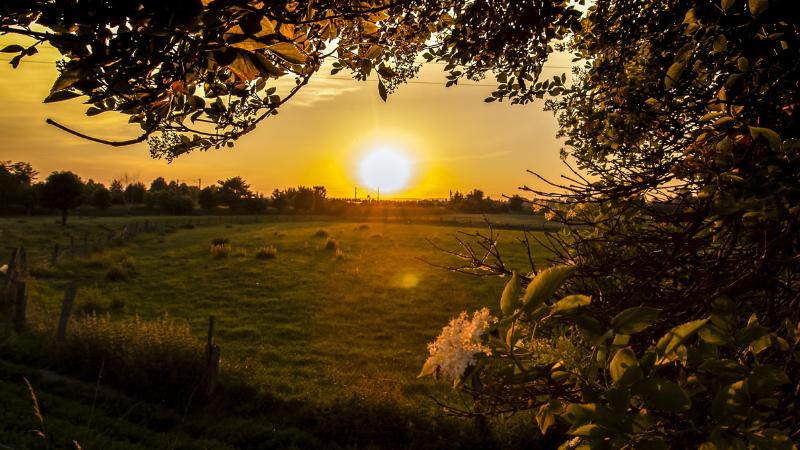
A 175-year-old family farm in Cranbury Township, New Jersey, faces the threat of seizure by eminent domain, sparking a community-wide debate over heritage, affordable housing, and responsible urban planning. For Andy Henry and his family, the farm on South River Road is not just land—it is a deeply personal and historical cornerstone that has stood the test of nearly two centuries. The township’s recent decision to acquire the property for public use has triggered emotional resistance from the owners and fueled concerns about the implications for community values.
Andy Henry, who co-owns the 21-acre farm with his brother, became visibly emotional as he described the generations of family history rooted in the farmhouse. "My grandfather and my mother were both born in that house, so it holds a lot of significance for me," he said. “My grandfather died in 1936, and it was only my grandmother and my mother who were there to run that farm for many years. It's always been in farming, and we want to keep it that way." The Henry family has held ownership of the farm since 1850, making it one of the oldest family-owned farms in the region.
The township recently passed an ordinance to acquire the farm via eminent domain, a legal process that allows the government to take private property for public use, typically with compensation. On April 24, Andy and his brother received formal notice from the township's attorneys indicating that the land would be acquired for the construction of affordable housing units. While Henry emphasizes he is not opposed to affordable housing in principle, he questions the location. "I’m not against it, but it seems like not a good place for it," he remarked.
Former Cranbury mayor Jay Taylor has stepped forward to voice his support for preserving the farm and to advocate for smarter, community-integrated housing solutions. Taylor argues that Cranbury has historically ensured that affordable housing is placed within residential areas to maintain inclusivity and integration. He expressed concern that building homes on the Henry farm, located in an industrial zone, would isolate future residents. "We’re putting them in an industrial zone, right off the New Jersey Turnpike where you smell the turnpike, you hear the warehouse noise. Someone needing to go to the post office has to walk two miles to drop off a package. It’s about doing what’s right for our neighbors and treating people the way we would want to be treated if we were in that circumstance," he said.
Those fighting to preserve the property note that the farm is surrounded by warehouses and industrial developments. They believe placing affordable housing in this area not only poses quality-of-life issues but also sets a precedent that could affect future planning decisions. The Henry family has reportedly turned down multiple offers from developers ranging between $20 million and $30 million over the years. Their commitment to keeping the farm intact, however, goes beyond financial considerations. "I don’t want to give up the farm. I don’t want to give up the property. It’s been with us too long, there’s too much history there. It’s not only our history, it’s part of the history of Cranbury," Henry said.
The conflict between the town’s development goals and the Henry family’s desire to preserve their land underscores the broader tensions that many communities face as they grapple with balancing growth, historical preservation, and equitable housing. Cranbury Township’s plan may fulfill a legal requirement for affordable housing, but it also raises moral and practical questions about where and how such housing should be implemented.
As the dispute continues, community members, preservationists, and local officials are watching closely. The outcome could have lasting implications not only for the Henry family but also for how small towns across the country handle similar challenges. The debate reflects the broader national struggle to reconcile the need for housing with the preservation of history and community identity. The Henry farm stands not just as a plot of land, but as a symbol of legacy, resilience, and the enduring fight to protect the past while planning for the future.