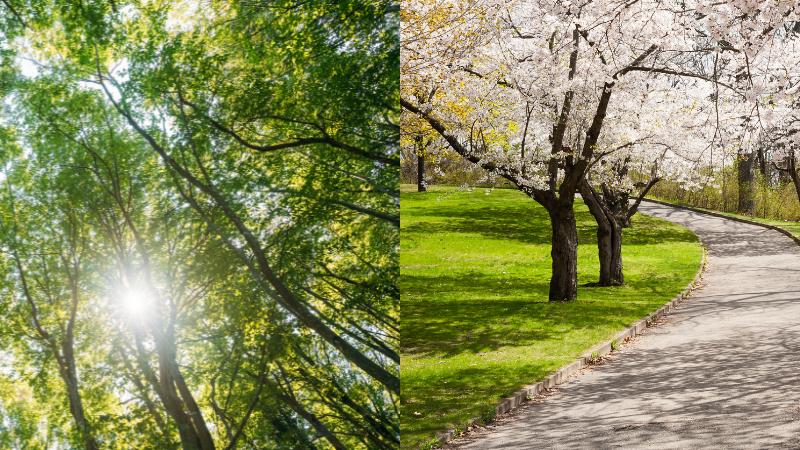
As of June 19, 2025, the United States is transitioning from spring into summer, with two distinct interpretations of seasonal timing offering different start dates. Meteorologically, summer began on June 1, while astronomically, the summer season officially starts on June 20. This variation often leads to the question: what season is it in the United States right now? The answer depends on whether one is looking through the lens of astronomy or meteorology. Both systems are valid and widely used, but they serve different purposes and are based on different criteria.
Astronomical seasons are determined by Earth's position in its orbit around the sun and its axial tilt of 23.5 degrees. These seasons begin and end with solstices and equinoxes, marking precise celestial events. For instance, spring starts around March 20 or 21 with the vernal equinox, summer begins on June 20 or 21 with the summer solstice, fall starts on September 22 or 23 with the autumnal equinox, and winter arrives around December 21 or 22 with the winter solstice. These dates vary slightly each year but are recognized globally for their scientific accuracy.
On the other hand, meteorological seasons are structured around the Gregorian calendar and are based on annual temperature cycles, making them more consistent for climate analysis and record-keeping. This system divides the year into four fixed seasons, each comprising three full months. Meteorologically, spring runs from March 1 to May 31, summer from June 1 to August 31, fall from September 1 to November 30, and winter from December 1 to February 28 or 29 in leap years. This method is commonly used by weather agencies for forecasting and climate research.
In 2025, the seasonal calendar aligns accordingly. Meteorological spring began on March 1 and ended on May 31, while the astronomical spring runs from March 20 to June 20. Summer under meteorological terms started on June 1, but the astronomical summer commences on June 20. Similarly, fall will start on September 1 meteorologically, and September 22 astronomically. Winter will begin on December 1 by the weather calendar, while the solstice on December 21 will mark the start of astronomical winter.
Weather patterns across the United States during these seasons also show considerable regional diversity. Spring is marked by volatility. In the Midwest, warm Gulf air collides with cold air from Canada, often triggering tornado outbreaks. The Northeast experiences lingering winter effects like nor’easters and muddy conditions, while the Southeast sees rising humidity and frequent thunderstorms. California’s Central Valley flourishes with vibrant blooms, and Alaska rapidly shifts from frozen to flowing as rivers thaw during the dramatic spring breakup.
As summer arrives, the country experiences varying extremes. The Southeast contends with intense heat and humidity, becoming a prime target for hurricanes. In the Southwest, cities like Phoenix often see temperatures soar above 115°F, while monsoon rains create sudden and dangerous flash floods. Meanwhile, the Pacific Northwest enjoys a more temperate summer with warm and dry days. Wildfire risks rise in California and across the Mountain West, exacerbated by drought and lightning. Alaska, on the other hand, enters a season of extended daylight with surprisingly warm conditions in its interior.
Fall in the United States is a season of transition and beauty. Crisp, cool air descends on New England and the Upper Midwest, setting the stage for colorful foliage and harvest festivals. The Southeast experiences relief from summer’s oppressive humidity, although early in the season hurricane threats may persist. The Southwest enjoys some of its most comfortable weather of the year, attracting visitors to its desert landscapes. Cooler temperatures and clear skies define the mood across much of the country.
Winter is when the Upper Midwest and Great Plains endure some of the harshest conditions. Cities like Chicago and Minneapolis experience frigid temperatures and become known as winter’s iceboxes. The Great Lakes region is often buried under relentless lake-effect snow. In contrast, coastal California enters its rainy season, replenishing reservoirs and preparing for a fresh snowpack in the Sierra Nevada and Mountain West. Southern states may only experience mild cold, while Alaska returns to deep freeze conditions and long, dark days.
Overall, the way the United States experiences seasons depends not only on astronomical phenomena but also on practical weather patterns. Whether viewed through scientific calculations or climate-based observations, understanding both systems helps citizens and forecasters navigate seasonal transitions and plan accordingly. Each region’s unique climate and geography ensures that no two states experience the same version of spring, summer, fall, or winter, highlighting the vast and diverse environmental tapestry of the United States.