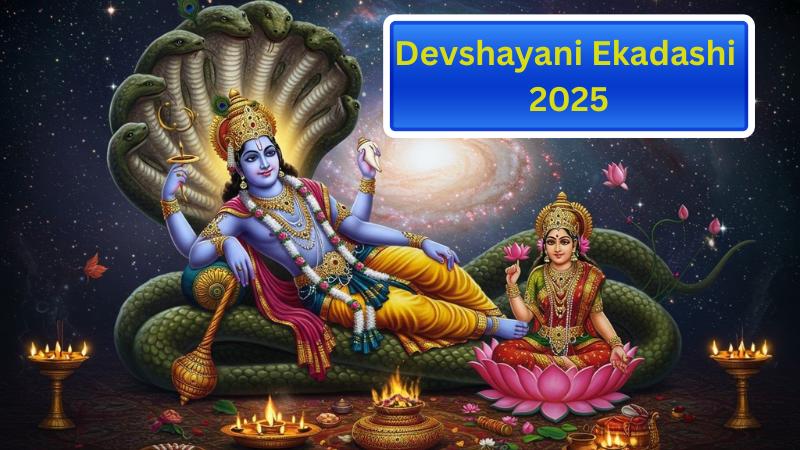
Devshayani Ekadashi, also known as Shayani Ekadashi or Ashadi Ekadashi, is one of the most revered days in the Hindu calendar. It falls on the eleventh day of the waxing moon in the Ashadha month and marks the beginning of Chaturmas, a sacred four-month period during which Lord Vishnu is believed to enter a meditative sleep. In 2025, Devshayani Ekadashi will be observed on Sunday, July 6. This auspicious occasion is highly significant for devotees, especially among Vaishnavas who worship Lord Vishnu as the supreme deity.
Also referred to as Maha Ekadashi, Padma Ekadashi, and Sarvapaapahaari Ekadashi, the day is celebrated with deep devotion across India. In Telugu-speaking regions, it is popularly known as Tholi Ekadashi, or the first Ekadashi of the holy season. The spiritual atmosphere on this day is enriched with rituals, fasting, prayers, and storytelling, as devotees prepare themselves for the Chaturmas period.
Date and Timings for Devshayani Ekadashi 2025
- Ekadashi Tithi Begins: 6:59 PM on July 5, 2025
- Ekadashi Tithi Ends: 9:15 PM on July 6, 2025
- Parana Timing (Breaking the Fast): 5:29 AM to 10:07 AM on July 7, 2025
Parana is traditionally done on the morning of Dwadashi, the day following Ekadashi, and marks the conclusion of the fast.
Spiritual Significance
Devshayani Ekadashi holds immense significance as it initiates the Chaturmas period, a time when several important Hindu festivals occur, including Krishna Janmashtami, Ganesh Chaturthi, Navratri, and Diwali. According to the Padma Purana and Brahmavaivarta Purana, observing the Ekadashi fast helps cleanse past sins and fulfills wishes. It is believed that Lord Vishnu enters a divine sleep or yogic slumber on this day, resting until Prabodhini Ekadashi in Kartik month, which ends the Chaturmas.
Devotees use this period to focus on prayer, meditation, and personal growth. Ritualistic practices such as performing pujas, reciting Vishnu Sahasranama, and visiting temples become central during this spiritually charged season.
Rituals and Observances
The observances for Devshayani Ekadashi begin on the Dashami Tithi, the day before. Devotees prepare by consuming satvik food and avoiding items like salt, tamasic foods, wheat, meat, barley, and masoor dal. Sleeping on the floor is also practiced to cultivate discipline and humility. From Dashami night, many begin their fast, which is maintained through the Ekadashi day and broken only after the Parana time on Dwadashi.
On the day of Ekadashi, devotees rise early, bathe, and set up a sacred altar with an image or idol of Lord Vishnu. A Kumbh (sacred pot) tied with red cloth is placed on the altar and worshipped. Offerings such as incense, lamps, tulsi leaves, and flowers are presented during Vishnu puja. Chanting mantras and performing aarti form an essential part of the devotion. Many devotees also refrain from speaking harshly or engaging in negative speech, maintaining mental and verbal purity.
Vrat Katha of Devshayani Ekadashi
The vrat katha, or the story associated with Devshayani Ekadashi, centers around King Mandhata, a wise and compassionate ruler. According to legend, his kingdom suffered a prolonged drought for three years, and despite his efforts, he could not bring relief to his people. Seeking divine guidance, he approached Sage Angira, who advised him to observe the Devshayani Ekadashi fast with full devotion to Lord Vishnu.
Following the sage’s counsel, the king fasted and performed the rituals with utmost sincerity. Soon after, his kingdom was blessed with rainfall, crops flourished, and peace was restored. This story is often recited on Devshayani Ekadashi to highlight the power of devotion and the mercy of Lord Vishnu in responding to heartfelt prayers.
Devshayani Ekadashi 2025 is not only a time for ritualistic observance but also a period for deep introspection, moral discipline, and spiritual renewal. As Lord Vishnu enters his divine rest, devotees immerse themselves in worship, chanting, and fasting to gain his blessings for the months ahead. The day sets the tone for Chaturmas, a season rich with festivals and religious significance. Observing this Ekadashi with dedication is believed to usher in peace, prosperity, and ultimate spiritual liberation.