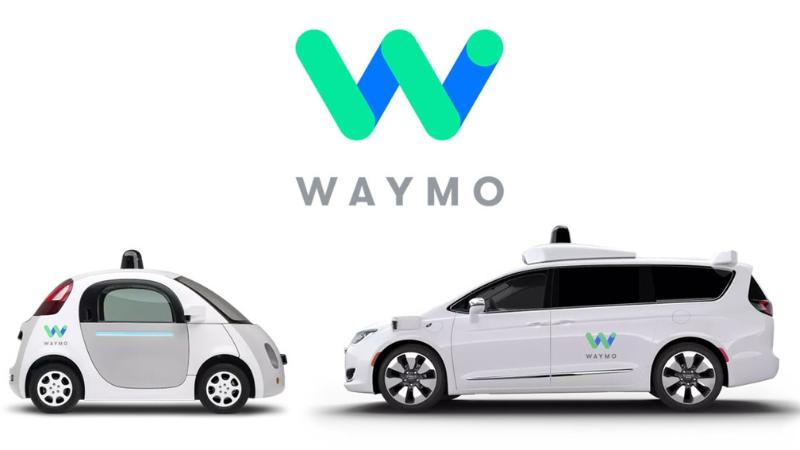
Waymo, the self-driving technology company, has introduced a significant shift in its autonomous vehicle service by allowing teenagers aged 14-17 to use its robotaxis independently in Phoenix. Previously, unaccompanied minors were prohibited from using Waymo’s services, but the company now believes that its technology is trustworthy enough to safely transport children on their own. This change in policy is a bold move by Waymo to gain the trust of families, especially in Phoenix, where the service has been actively expanding.
The teen accounts initiative, which is now available in Phoenix, links teen profiles to their parents’ Waymo One accounts. This system ensures that parents can monitor their child’s whereabouts by sharing real-time locations during trips. The move is designed to give parents peace of mind, knowing that their teens are being transported in a safe, monitored environment. Additionally, "specially trained" remote operators are on standby to assist during the ride, adding another layer of security.
This new feature mirrors the earlier moves made by companies like Uber, which allowed teens to use ride-hailing services independently. As more teens opt for ride-hailing services, the decline in obtaining driver’s licenses becomes more apparent. Studies suggest that fewer teenagers are learning to drive, preferring alternatives like public transport, or relying on ride-hailing services such as Uber and Lyft.
While Waymo’s vehicles are still evolving, and have occasionally faced challenges with traffic patterns, the company asserts that its autonomous cars are safer than human drivers. With advanced sensors, machine learning systems, and the backup of remote operators, Waymo believes it can provide a safer option for teen travel.
The launch of teen accounts follows previous reports from security researcher Jane Manchun Wong, who uncovered Waymo's experimental features. These findings, including the introduction of a "tipping" donation feature, revealed Waymo’s broader vision for the future of autonomous transportation. The company conducted surveys last year to assess customer preferences for teen accounts, which showed that many parents valued the absence of strangers in the vehicle and the reduction in distracted driving risks.
Waymo’s decision to offer a service specifically for teens aligns with modern trends in transportation, focusing on convenience, flexibility, and safety. As the service becomes more established in Phoenix, it could pave the way for similar services in other markets depending on its success and local acceptance. By targeting this demographic, Waymo is positioning itself to play a crucial role in shaping the future of teen and family transportation in an era where autonomous vehicles are becoming increasingly common.