A wildfire sparked by a lightning strike is continuing to burn through a remote and ecologically sensitive bird sanctuary on the Bolivar Peninsula, located near Port Bolivar, Texas. The blaze, which started Friday evening, has now spread across approximately 160 acres of brush and marshland and remains active several days later. Emergency responders are currently monitoring the fire closely but are not attempting direct suppression due to the remote nature of the affected area. The fire has so far remained isolated and is not threatening homes or residential structures.
The wildfire is located between Loop 108 and Highway 87, deep within protected marsh and brushlands that serve as critical habitat for migratory bird species. Early assessments showed the fire affecting around 21 acres, but by late Sunday, that estimate had expanded significantly as flames spread through dry and densely vegetated terrain. Crews on the ground have described the area as extremely difficult to access, with wetland features and lack of road infrastructure limiting their ability to intervene directly.
As of Sunday night, officials confirmed that areas thought to be extinguished had reignited, indicating that hot spots are persisting beneath the surface. Fire crews are continuing their efforts to contain the fire naturally by allowing it to burn in place, provided it does not shift toward populated areas. They have established perimeter observation points and will intervene only if the fire begins to move beyond its current range.
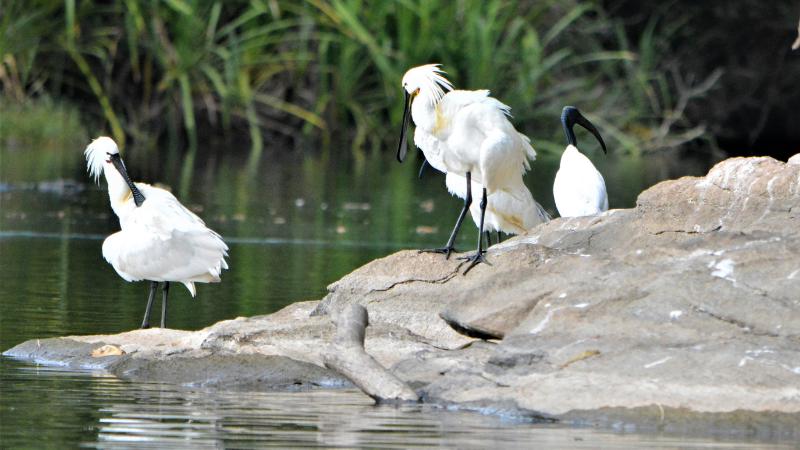
The fire is burning near an area of significant ecological importance, where protected bird sanctuaries support nearly 400 documented species. These habitats are especially vital during spring and fall migrations, serving as rest stops for millions of birds traveling across the Gulf Coast. Though no formal impact on wildlife has yet been recorded, conservationists and local authorities are keeping a close watch on the situation, concerned about potential long-term habitat damage if the fire continues unchecked.
Weather conditions remain a critical factor. Officials are monitoring wind speed, humidity, and rainfall potential to assess whether natural extinguishment is likely or if containment will be necessary. While no evacuation orders have been issued, responders have asked residents and visitors to stay informed and avoid the area due to the unpredictable fire behavior and risk of flare-ups.
So far, the fire has had minimal impact on human activity, with no reports of injuries or damage to private property. However, the thick smoke has been visible from nearby roads, and local air quality could become a concern if the fire persists or expands. Residents are advised to limit outdoor activity if smoke levels increase, particularly those with respiratory conditions.
Response teams continue to coordinate efforts from a safe distance, using observation drones and communication updates to track the fire’s progression. With natural features like wetlands acting as both fire barriers and obstacles, strategy adjustments are made in real-time. The goal remains focused on protecting the delicate ecological zone while avoiding unnecessary risk to firefighters.
This incident also highlights the challenges of fire management in remote natural preserves, especially those that lack easy access for emergency vehicles and have limited infrastructure. As climate conditions lead to increased lightning activity and longer dry spells, fire preparedness in sensitive wildlife areas becomes increasingly important. Local environmental groups are expected to assess the fire’s aftermath and consider changes to fire management protocols for vulnerable ecosystems.
Crews remain on standby, continuing to monitor the blaze with the hope that natural containment will prevail. Further updates will be released as the situation evolves. For now, the fire remains active but stable, with no immediate danger to surrounding communities.
The wildfire is located between Loop 108 and Highway 87, deep within protected marsh and brushlands that serve as critical habitat for migratory bird species. Early assessments showed the fire affecting around 21 acres, but by late Sunday, that estimate had expanded significantly as flames spread through dry and densely vegetated terrain. Crews on the ground have described the area as extremely difficult to access, with wetland features and lack of road infrastructure limiting their ability to intervene directly.
As of Sunday night, officials confirmed that areas thought to be extinguished had reignited, indicating that hot spots are persisting beneath the surface. Fire crews are continuing their efforts to contain the fire naturally by allowing it to burn in place, provided it does not shift toward populated areas. They have established perimeter observation points and will intervene only if the fire begins to move beyond its current range.
The fire is burning near an area of significant ecological importance, where protected bird sanctuaries support nearly 400 documented species. These habitats are especially vital during spring and fall migrations, serving as rest stops for millions of birds traveling across the Gulf Coast. Though no formal impact on wildlife has yet been recorded, conservationists and local authorities are keeping a close watch on the situation, concerned about potential long-term habitat damage if the fire continues unchecked.
Weather conditions remain a critical factor. Officials are monitoring wind speed, humidity, and rainfall potential to assess whether natural extinguishment is likely or if containment will be necessary. While no evacuation orders have been issued, responders have asked residents and visitors to stay informed and avoid the area due to the unpredictable fire behavior and risk of flare-ups.
So far, the fire has had minimal impact on human activity, with no reports of injuries or damage to private property. However, the thick smoke has been visible from nearby roads, and local air quality could become a concern if the fire persists or expands. Residents are advised to limit outdoor activity if smoke levels increase, particularly those with respiratory conditions.
Response teams continue to coordinate efforts from a safe distance, using observation drones and communication updates to track the fire’s progression. With natural features like wetlands acting as both fire barriers and obstacles, strategy adjustments are made in real-time. The goal remains focused on protecting the delicate ecological zone while avoiding unnecessary risk to firefighters.
This incident also highlights the challenges of fire management in remote natural preserves, especially those that lack easy access for emergency vehicles and have limited infrastructure. As climate conditions lead to increased lightning activity and longer dry spells, fire preparedness in sensitive wildlife areas becomes increasingly important. Local environmental groups are expected to assess the fire’s aftermath and consider changes to fire management protocols for vulnerable ecosystems.
Crews remain on standby, continuing to monitor the blaze with the hope that natural containment will prevail. Further updates will be released as the situation evolves. For now, the fire remains active but stable, with no immediate danger to surrounding communities.