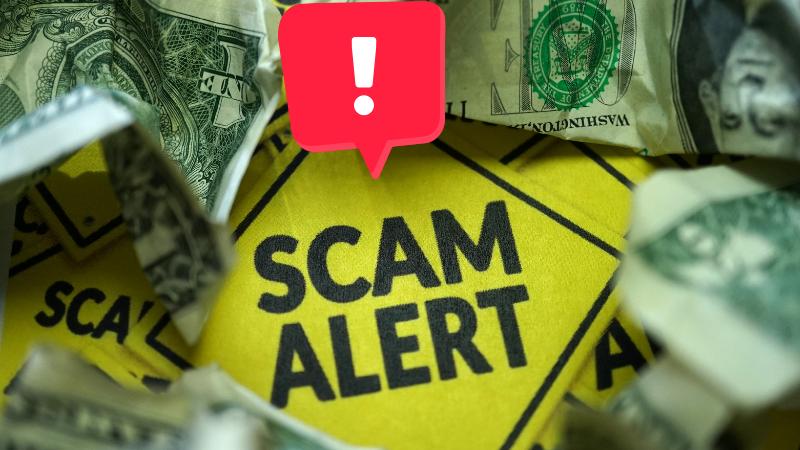
Residents across Illinois are being warned to stay alert after a new wave of phishing text messages began targeting individuals with a fake legal reference—“Code 15c-16.003.” These messages claim to be from state agencies, often referencing vehicle registration issues, and are designed to steal personal or financial information through fake links and scare tactics.
The scam texts typically claim that the recipient’s vehicle registration is in jeopardy of being suspended and reference a fabricated state code to sound official. The message urges the user to follow a link to avoid penalties, but doing so may lead to websites that are designed to steal Social Security numbers, driver’s license information, bank credentials, and more.
Officials have clarified that there is no such thing as “State Code 15c-16.003.” The made-up number is meant to trick people into believing the message is legitimate. These phishing attempts are crafted to create a false sense of urgency, pushing individuals to act before verifying the details. The scam exploits trust in government systems and uses fear to pressure people into disclosing sensitive data.
One official warned that phishing scams are becoming more common and sophisticated, noting that scammers rely on realistic-sounding messages to deceive residents. He urged people to ignore any unsolicited messages asking for personal details, especially those tied to supposed violations or legal threats. “Phishing scams are unfortunately an increasingly prevalent threat in our modern society, seeking to cheat Illinoisans out of their personal information and hard-earned money,” he stated. “Please remain vigilant to avoid these scams and report them to protect yourself and others from falling victim to fraud schemes.”
Law enforcement officials confirmed that this particular scam is designed to appear authentic, mimicking language and formatting that resembles actual government notices. Screenshots of these messages show alarming warnings and formal language meant to deceive unsuspecting individuals. Authorities have emphasized that no valid agency uses or refers to “15c-16.003” and that any message citing this code should be deleted without response.
Residents are advised not to click on any links contained in these suspicious texts. Instead, they should directly contact the agency in question using verified phone numbers or official websites if there is any concern about their registration status or personal accounts. No government agency will ever ask for sensitive personal information via unsolicited text message.
Officials also encourage residents to report scam messages to local law enforcement or online fraud reporting services. Sharing information about these scams can help protect others, especially vulnerable populations who may be more likely to respond to official-looking messages. Community awareness is a key part of preventing digital fraud.
As these text scams continue to circulate, the public is reminded to be skeptical of any unsolicited communication demanding urgent action or referencing unfamiliar codes. Messages that reference penalties, suspension of services, or account closure should always be verified before taking any steps.
While the texts may appear legitimate, they are part of a coordinated phishing effort. There is no official use of “Code 15c-16.003” in any part of Illinois law, and residents should treat any message referencing it as fraudulent.
Authorities continue to monitor the situation and remind the public that staying informed and cautious is the best defense against scams like these. Anyone who has already interacted with the message or clicked the link is advised to monitor their accounts and consider taking steps to protect their identity, including contacting their bank, updating passwords, and placing fraud alerts if needed.
The scam texts typically claim that the recipient’s vehicle registration is in jeopardy of being suspended and reference a fabricated state code to sound official. The message urges the user to follow a link to avoid penalties, but doing so may lead to websites that are designed to steal Social Security numbers, driver’s license information, bank credentials, and more.
Officials have clarified that there is no such thing as “State Code 15c-16.003.” The made-up number is meant to trick people into believing the message is legitimate. These phishing attempts are crafted to create a false sense of urgency, pushing individuals to act before verifying the details. The scam exploits trust in government systems and uses fear to pressure people into disclosing sensitive data.
One official warned that phishing scams are becoming more common and sophisticated, noting that scammers rely on realistic-sounding messages to deceive residents. He urged people to ignore any unsolicited messages asking for personal details, especially those tied to supposed violations or legal threats. “Phishing scams are unfortunately an increasingly prevalent threat in our modern society, seeking to cheat Illinoisans out of their personal information and hard-earned money,” he stated. “Please remain vigilant to avoid these scams and report them to protect yourself and others from falling victim to fraud schemes.”
Law enforcement officials confirmed that this particular scam is designed to appear authentic, mimicking language and formatting that resembles actual government notices. Screenshots of these messages show alarming warnings and formal language meant to deceive unsuspecting individuals. Authorities have emphasized that no valid agency uses or refers to “15c-16.003” and that any message citing this code should be deleted without response.
Residents are advised not to click on any links contained in these suspicious texts. Instead, they should directly contact the agency in question using verified phone numbers or official websites if there is any concern about their registration status or personal accounts. No government agency will ever ask for sensitive personal information via unsolicited text message.
Officials also encourage residents to report scam messages to local law enforcement or online fraud reporting services. Sharing information about these scams can help protect others, especially vulnerable populations who may be more likely to respond to official-looking messages. Community awareness is a key part of preventing digital fraud.
As these text scams continue to circulate, the public is reminded to be skeptical of any unsolicited communication demanding urgent action or referencing unfamiliar codes. Messages that reference penalties, suspension of services, or account closure should always be verified before taking any steps.
While the texts may appear legitimate, they are part of a coordinated phishing effort. There is no official use of “Code 15c-16.003” in any part of Illinois law, and residents should treat any message referencing it as fraudulent.
Authorities continue to monitor the situation and remind the public that staying informed and cautious is the best defense against scams like these. Anyone who has already interacted with the message or clicked the link is advised to monitor their accounts and consider taking steps to protect their identity, including contacting their bank, updating passwords, and placing fraud alerts if needed.