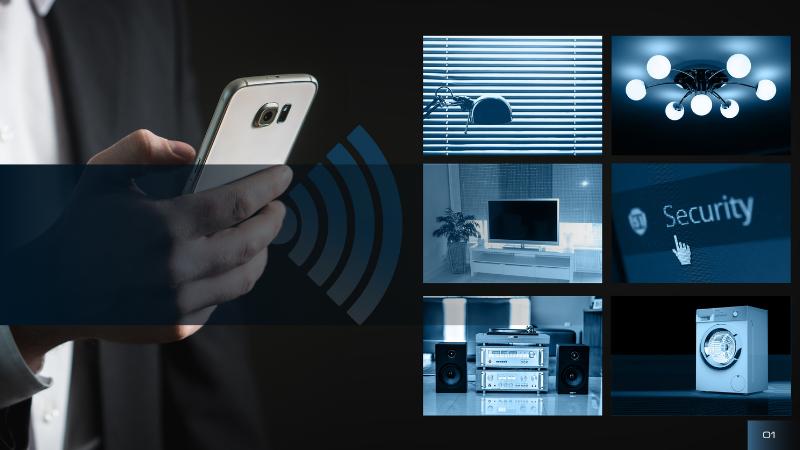
With the rise of artificial intelligence (AI) and the global spread of smart devices, many Non-Resident Indians (NRIs) are growing increasingly concerned about digital privacy and data security. From smart TVs to voice assistants like Alexa and Google Home, these devices offer convenience—but at what cost? Are they quietly listening, watching, and recording your private moments? In this article, we explore the top AI privacy concerns NRIs face, how smart devices collect data, and what you can do to protect your privacy while staying connected.
Is AI Really Spying on You?
While AI itself doesn’t “spy,” the devices powered by AI can collect vast amounts of personal data. Voice assistants are always in listening mode (waiting for a wake word), and many smart devices send this data back to servers for processing. In some cases, this data could be accessed by third parties, including advertisers or even governments, depending on local laws and the company’s policies.
Common Smart Devices That Collect Data
- Smartphones & Voice Assistants – Siri, Alexa, and Google Assistant can record and analyze conversations.
- Smart TVs – Can track viewing habits, even record audio or video if cameras/mics are enabled.
- Home Security Cameras – Often cloud-connected, raising concerns about who can access footage.
- Wearables (Smartwatches, Fitness Trackers) – Collect health and location data.
- IoT Home Devices – Smart lights, thermostats, fridges, etc., all collect usage data and patterns.
Top Concerns for NRIs Using Smart Devices
- Data Privacy Across Borders - As NRIs, your data may be stored or processed in countries with different data protection laws. India’s data laws are evolving, but other countries (like the US or UK) may have broader surveillance powers.
- Unauthorized Surveillance - Devices can be hacked or misused. Some users have reported cases of strange voices from baby monitors or unauthorized access to home cameras.
- Lack of Transparency - Many users don’t read the fine print in privacy policies. Companies may collect more data than you expect—and share it with partners.
- Consent and Control - Voice data may be stored even if the device was triggered by accident. Opting out of data collection is not always straightforward.
- Children’s Privacy Risks - Smart toys and devices for kids can collect sensitive data, raising concerns for families with children.
How to Protect Your Privacy
- Disable Mic/Camera When Not in Use – Use physical shutters or device settings to turn off microphones and cameras.
- Review App Permissions – Only allow apps access to what they really need.
- Use Encrypted Devices & Services – Prefer products that offer end-to-end encryption and strong privacy controls.
- Regularly Update Firmware – Patching security vulnerabilities is crucial to prevent hacking.
- Check Privacy Settings – Customize your smart device settings to limit data collection.
- Use Separate Networks – Create a separate Wi-Fi network for IoT devices to minimize risk.
AI-powered smart devices are transforming our daily lives, but they also come with hidden risks. For NRIs living abroad and staying digitally connected to India, the concerns are even greater due to cross-border data flows and differing privacy regulations. Understanding what data is being collected, where it goes, and how it is used is the first step in protecting your digital life. Stay informed, stay secure, and make smarter choices when it comes to smart devices.
🔖 Explore More
Will AI Replace Indian IT Jobs in the USA
The Dark Side of AI and Privacy Risks for Indian Americans
Are Indian Educators Being Sidelined by AI Tutors?
Stay informed about AI's influence on privacy—explore more articles in the AI & Robotics