According to an official update from the government on July 25, the scope of visa interview waivers is being narrowed considerably. The move rolls back the relaxed protocols that were temporarily put in place during the pandemic to reduce in-person footfall at visa offices and to expedite application backlogs. These waivers, which benefited many first-time and returning applicants, particularly those falling under specific age brackets, will no longer be applicable in most cases.
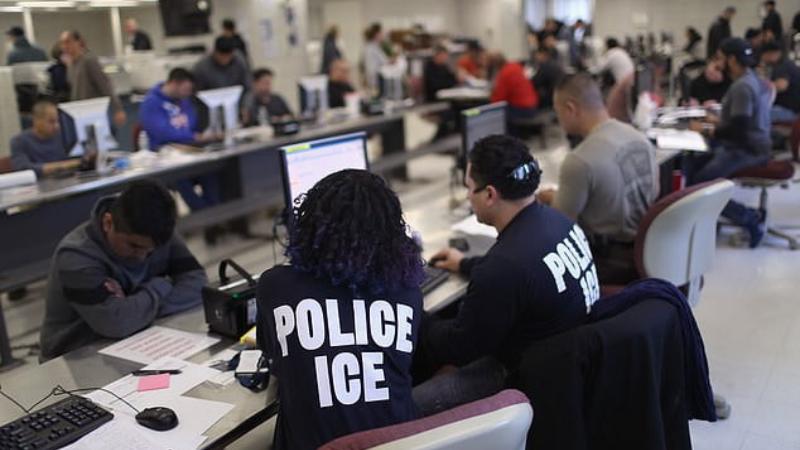
Under the revised policy, nearly all applicants—irrespective of age—must now attend an in-person interview. This includes children under the age of 14 and seniors over 79, who were previously eligible for automatic exemptions. This update reverses the interview waiver policy issued earlier in February 2025 and marks a return to more stringent vetting processes.
However, there are still a few exceptions. Diplomatic and official visa categories such as A-1, A-2, C-3 (excluding attendants or personal staff), G-1 through G-4, NATO-1 through NATO-6, and TECRO E-1 remain eligible for interview waivers. Additionally, certain B1/B2 applicants may also qualify for a waiver, but only under strict conditions. These include applying from the country of residence or nationality, having no previous visa refusals (unless officially waived or resolved), and lacking any visible or potential ineligibility. Failure to meet any of these criteria results in the need for an in-person interview.
Even in cases where these conditions are met, consular officers maintain the discretion to require an interview if deemed necessary. Meeting waiver eligibility does not guarantee exemption, and each application is subject to review. This discretionary authority reinforces the administration’s focus on individualized screening and heightened scrutiny.
For Indian travelers, this policy change is likely to introduce longer wait times, particularly as consulates in cities such as New Delhi, Mumbai, Chennai, and Hyderabad already handle a large volume of visa requests. These locations may see further delays due to the increase in mandatory interviews and associated processing requirements.
Applicants planning to travel to the United States are strongly encouraged to check official embassy and consulate websites for the most current guidance. These platforms provide essential information such as document checklists, estimated wait times for interviews, and any localized processing protocols. Staying updated through these official sources will be crucial for avoiding disruptions in visa planning.
Although no specific reason was cited for reinstating these rules, it appears to reflect the end of temporary pandemic-era measures and a return to pre-COVID operational norms. The earlier waivers were introduced to address logistical challenges and public health considerations. With travel normalizing and visa processing stabilizing, the return to mandatory in-person interviews suggests a shift toward reestablishing comprehensive vetting standards.
The United States' decision to reinstate in-person interviews for most B1 and B2 visa applicants marks a significant shift in its visa processing system. Beginning September 2, 2025, travelers—especially those from India—will face a stricter process that demands thorough preparation and timely scheduling of appointments. The narrowing of interview waivers signals the end of pandemic-era relaxations and the return of comprehensive vetting measures to ensure security and compliance. With exceptions now limited to a few diplomatic categories and narrowly defined eligibility conditions, the majority of applicants must plan for in-person appearances at US consulates. As this change takes effect, Indian travelers should expect increased wait times and must stay updated with official embassy and consulate advisories to navigate the new system efficiently. Ultimately, while this move enhances security and consistency in visa processing, it also places greater responsibility on applicants to prepare well in advance to ensure smooth travel arrangements to the United States.