A newly proposed Congressional map in Texas is drawing attention for the major changes it would bring to two North Texas districts currently held by Democratic representatives. The redistricting plan could significantly alter the political landscape in Districts 32 and 33, with the potential to shift control in at least one of these seats ahead of the next midterm elections.
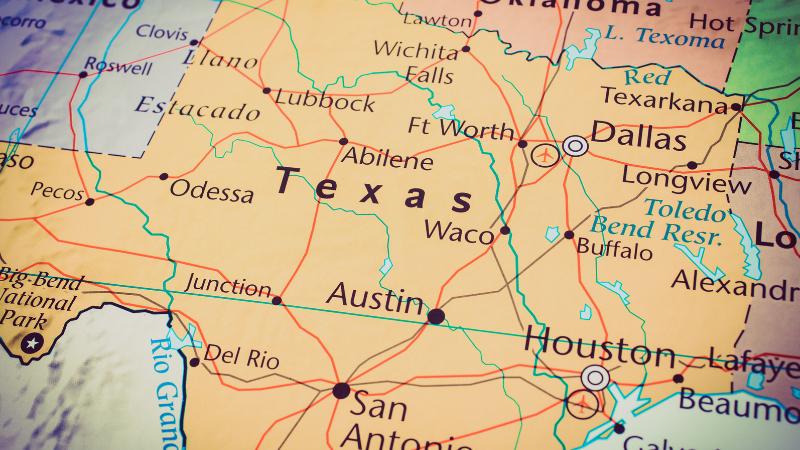
The Republican-led proposal comes amid growing efforts to gain ground in key districts and align with broader national strategies to secure additional Congressional seats. District 32, presently held by Julie Johnson, faces the most dramatic transformation under the draft map. This district currently includes portions of Dallas, Collin, and Denton Counties. Under the new layout, it would lose Denton County and expand eastward to include Rockwall, Hunt, Rains, Wood, Upshur, and Camp Counties. These changes bring in more rural areas that traditionally lean Republican.
In addition to the geographic shift, the demographic makeup of District 32 would also change sharply. The non-white voting age population, which currently stands at about 63%, would fall to 47.6% under the proposed map—a decline of over 16 percentage points. This alteration effectively transitions the district from being minority-majority to a majority-white district. These changes significantly improve the chances of a Republican victory, turning the district from a Democratic stronghold into a Republican-leaning one.
District 33, represented by Marc Veasey, also sees notable adjustments. The new map would remove Tarrant County entirely from the district, which has long been an important part of Veasey’s political base and personal background. Tarrant County’s exclusion may not immediately flip the district, but it makes it more competitive. The district has historically seen about 74% of voters supporting Democratic candidates, but the proposed changes would reduce that figure to 65%, narrowing the margin of advantage.
Though District 33 remains likely to elect a Democrat in the near term, the decrease in partisan strength means future elections could become more contested. The change illustrates a broader effort to weaken Democratic margins even in districts that are expected to remain under Democratic control.
The proposed map appears to reflect a calculated political strategy aimed at gaining ground through redistricting rather than through shifts in voter opinion. This approach is not new in American politics, but its implications are particularly significant in rapidly growing and diversifying states like Texas, where demographic trends often outpace political adaptations.
Legal experts and political observers anticipate that this redistricting proposal will spark intense debate over fairness, representation, and the rights of minority voters. Community organizations and residents affected by the changes are expected to raise concerns about how the new map could impact their political voice. The reduction in minority-majority districts, especially in a state with a large and growing non-white population, could lead to legal challenges under voting rights laws.
From a political campaign perspective, the newly shaped districts will demand new strategies. Candidates in both parties may need to adjust messaging, voter outreach, and resource allocation to align with the new demographics and geographic compositions. The changes may also influence fundraising and candidate recruitment as the competitiveness of districts shifts.
Texas has long been a state where redistricting battles have played a central role in political power struggles. The current proposal continues that pattern, with potentially long-lasting consequences for the state's political future. The revised map has not been finalized and is expected to go through public hearings and possible amendments before becoming official. However, the initial version already makes clear which districts are being targeted and how electoral outcomes could be influenced by boundary lines.
As the redistricting process unfolds, voters in North Texas and across the state will be watching closely. The final configuration of the map could play a pivotal role in shaping Texas’ representation in Congress for the next decade. For Democrats in Districts 32 and 33, the proposed changes present a significant challenge that could alter not just local dynamics but also the broader balance of power in Washington.
The Republican-led proposal comes amid growing efforts to gain ground in key districts and align with broader national strategies to secure additional Congressional seats. District 32, presently held by Julie Johnson, faces the most dramatic transformation under the draft map. This district currently includes portions of Dallas, Collin, and Denton Counties. Under the new layout, it would lose Denton County and expand eastward to include Rockwall, Hunt, Rains, Wood, Upshur, and Camp Counties. These changes bring in more rural areas that traditionally lean Republican.
In addition to the geographic shift, the demographic makeup of District 32 would also change sharply. The non-white voting age population, which currently stands at about 63%, would fall to 47.6% under the proposed map—a decline of over 16 percentage points. This alteration effectively transitions the district from being minority-majority to a majority-white district. These changes significantly improve the chances of a Republican victory, turning the district from a Democratic stronghold into a Republican-leaning one.
District 33, represented by Marc Veasey, also sees notable adjustments. The new map would remove Tarrant County entirely from the district, which has long been an important part of Veasey’s political base and personal background. Tarrant County’s exclusion may not immediately flip the district, but it makes it more competitive. The district has historically seen about 74% of voters supporting Democratic candidates, but the proposed changes would reduce that figure to 65%, narrowing the margin of advantage.
Though District 33 remains likely to elect a Democrat in the near term, the decrease in partisan strength means future elections could become more contested. The change illustrates a broader effort to weaken Democratic margins even in districts that are expected to remain under Democratic control.
The proposed map appears to reflect a calculated political strategy aimed at gaining ground through redistricting rather than through shifts in voter opinion. This approach is not new in American politics, but its implications are particularly significant in rapidly growing and diversifying states like Texas, where demographic trends often outpace political adaptations.
Legal experts and political observers anticipate that this redistricting proposal will spark intense debate over fairness, representation, and the rights of minority voters. Community organizations and residents affected by the changes are expected to raise concerns about how the new map could impact their political voice. The reduction in minority-majority districts, especially in a state with a large and growing non-white population, could lead to legal challenges under voting rights laws.
From a political campaign perspective, the newly shaped districts will demand new strategies. Candidates in both parties may need to adjust messaging, voter outreach, and resource allocation to align with the new demographics and geographic compositions. The changes may also influence fundraising and candidate recruitment as the competitiveness of districts shifts.
Texas has long been a state where redistricting battles have played a central role in political power struggles. The current proposal continues that pattern, with potentially long-lasting consequences for the state's political future. The revised map has not been finalized and is expected to go through public hearings and possible amendments before becoming official. However, the initial version already makes clear which districts are being targeted and how electoral outcomes could be influenced by boundary lines.
As the redistricting process unfolds, voters in North Texas and across the state will be watching closely. The final configuration of the map could play a pivotal role in shaping Texas’ representation in Congress for the next decade. For Democrats in Districts 32 and 33, the proposed changes present a significant challenge that could alter not just local dynamics but also the broader balance of power in Washington.