Hackensack officials are intensifying their calls for action following a troubling series of train-related deaths that have shaken the community. In 2025 alone, three people have lost their lives in incidents involving trains within the city, two of which occurred in August on the Pascack Valley Line, while the third happened back in May. The cluster of fatalities has raised alarm among local leaders and residents who now want New Jersey Transit to step in and conduct a comprehensive safety audit to understand the causes behind these tragedies and take steps to prevent them in the future.
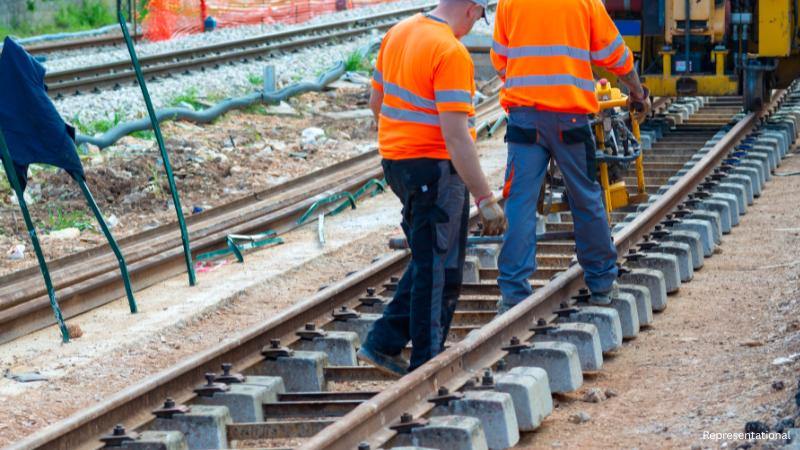
The primary concern among Hackensack city leaders is the pattern of accidents happening in such a short span of time. While railroads inherently carry certain risks, the officials believe that such incidents should not be occurring so frequently within the same community. Their demand for an audit stems from a growing need to evaluate whether current safety measures are adequate and if more proactive solutions need to be implemented. The city is particularly focused on determining whether better fencing, enhanced warning systems, improved signage, or expanded public education campaigns might help reduce the risks and save lives.
NJ Transit, which operates the Pascack Valley Line, has acknowledged the concerns raised by Hackensack officials and has issued a statement affirming that the safety of passengers, employees, and surrounding communities is its highest priority. The agency confirmed it has been in communication with city leaders and is working toward setting up further discussions to address the concerns. While NJ Transit has not yet provided details on the scope or timeline of any forthcoming safety audit, its willingness to engage in dialogue is being viewed as an encouraging first step.
For Hackensack residents, however, the matter is urgent. The recent deaths have not only caused heartbreak for families but also rattled the sense of security within neighborhoods near the tracks. Community members have expressed growing unease about the dangers posed by train crossings, particularly in areas where pedestrian traffic is high or where visibility may be limited. Parents have raised concerns about children walking to school near train tracks, and commuters have spoken of the anxiety they now feel when approaching crossings.
Local officials have emphasized that the issue of safety does not just revolve around accidental deaths. They are also mindful of the possibility of intentional incidents, such as suicides, which are a tragic but real factor in rail fatalities. In calling for a safety audit, Hackensack leaders are hoping NJ Transit will adopt a holistic approach that addresses both intended and unintended dangers. This could include not only physical safety upgrades but also mental health awareness initiatives that might help deter tragedies before they occur.
Rail safety experts often recommend multi-layered approaches when tackling these types of challenges. Physical barriers such as fencing can help prevent trespassing, while enhanced signage can alert pedestrians and drivers to the dangers of approaching trains. Some cities have also invested in technology-driven solutions such as automated gates, smart warning systems, or cameras that help monitor high-risk areas. Public education campaigns, particularly in schools and community centers, are also considered vital in teaching people—especially children—about the hazards associated with railroads.
Hackensack’s push for a safety audit reflects a broader trend of communities across the country reexamining the role of railroads in urban areas. As suburban regions continue to grow, rail lines that once passed through quieter neighborhoods are now surrounded by denser populations and busier streets. This growth can sometimes outpace the safety infrastructure, leaving gaps that must be filled to protect residents. Officials in Hackensack want to ensure that such gaps are identified and corrected before more lives are lost.
At the heart of this issue lies the balance between maintaining efficient public transportation and safeguarding the communities it serves. NJ Transit provides an essential service for commuters across New Jersey, connecting towns and cities with jobs, schools, and cultural centers. However, with that service comes a responsibility to constantly evaluate and enhance safety protocols as circumstances change. Hackensack officials argue that the recent fatalities serve as a stark reminder that complacency is not an option.
For now, Hackensack leaders and residents are waiting to see how NJ Transit responds. The community is eager for concrete steps and reassurances that meaningful changes will follow. Until then, the memory of the three individuals who lost their lives this year will continue to fuel the push for answers and solutions. By demanding accountability and collaboration, Hackensack officials hope to not only honor those lives but also protect others from facing similar fates in the future.