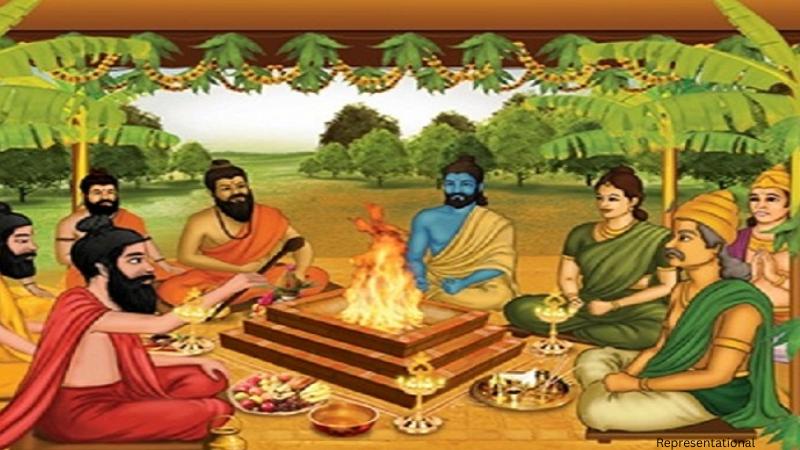
Rishi Panchami in 2025 will be observed on Thursday, 28 August. Falling on the Panchami tithi of the Shukla Paksha in the Bhadrapada month, the vrat is observed right after Ganesh Chaturthi and Hartalika Teej. Considered a day of repentance, purification, and gratitude towards the Saptarishis, the festival is significant in many Hindu households where ancient traditions continue to be honored through fasting and puja. The Panchami tithi begins at 7:02 AM on 28 August and ends at 5:26 AM on 29 August, with the morning hours after sunrise considered ideal for the rituals. Devotees are encouraged to consult their local Panchang for accurate regional muhurat, but dawn and morning puja are traditionally regarded as most auspicious.
Rishi Panchami is primarily observed as a spiritual day of cleansing and atonement. The vrat is believed to absolve unintentional ritual lapses, especially those connected to the menstrual cycle and purity rules from earlier Vedic traditions. Women, both married and unmarried, commonly keep this vrat as a mark of devotion and respect to the sages and to uphold the sanctity of family and ancestral traditions. The festival honors the revered Saptarishis — Kashyapa, Atri, Bharadwaja, Vishwamitra, Gautama, Jamadagni, and Vashistha. By paying homage to these great sages, devotees seek purification of karmic doshas, spiritual humility, and blessings that safeguard cultural values across generations.
The observance begins with pre-dawn preparations. Devotees wake up before sunrise and take a ritual bath using herbal elements such as amla, tulsi, turmeric, and shikakai, which are symbolic of purity and natural healing. The altar is then arranged with seven turmeric mounds that represent the seven sages. Alongside, seven betel leaves, seven suparis, and small heaps of rice or grains are placed. During puja, offerings of flowers, fruits, raw milk, and incense are made. Lighting of a ghee lamp is considered essential, as it signifies the presence of divine energy and wisdom. Devotees recite the Rishi Panchami vrat katha and chant mantras dedicated to the Saptarishis, immersing themselves in the spiritual essence of the day.
Fasting is a central part of the Rishi Panchami observance. Some choose the strict Nirjala fast, abstaining from both food and water, while others follow the Phalahar method, consuming only fruits, milk, or herbal drinks. Regardless of the type of fast, the intent is one of spiritual discipline, humility, and purification. The fast is broken on the following day, Shashti tithi, after completing puja, charity, and offering food to Brahmins. Donating dakshina and food on this occasion is seen as an act of gratitude and service that enhances the merit of the vrat.
The cultural observances of Rishi Panchami vary across different states in India. In Maharashtra and Gujarat, many women perform the vrat near Tulsi plants or in household courtyards, where special herbal baths and rituals signify the cleansing of both body and mind. In Uttar Pradesh and Bihar, the festival often includes community gatherings where women collectively chant the vrat katha and participate in humble practices similar to Savitrivrata. In South India, while Rishi Panchami is not always a major standalone festival, ancestral reverence and fasting traditions are acknowledged in many Vedic households. Here, families uphold the values of purification and devotion through chanting and simple fasting rituals.
The vrat is not confined only to women, though it is predominantly observed by them. Anyone who wishes to seek karmic cleansing, honor the Vedic sages, and uphold cultural values can participate. For many, it is a way of expressing gratitude toward spiritual ancestors and acknowledging the link between nature, divinity, and the self. The festival also highlights respect for the feminine cycle within the framework of Vedic ethics, symbolizing awareness, acceptance, and purification.
Rishi Panchami continues to hold deep spiritual benefits for devotees. Observing the vrat is believed to wash away unintentional ritual mistakes, instill a sense of gratitude towards ancient seers, and encourage humility and discipline in everyday life. It reinforces respect for Vedic traditions while simultaneously blending the elements of devotion, purification, and nature worship. Families believe that following the rituals of Rishi Panchami not only brings spiritual merit but also strengthens cultural continuity, ensuring that values of faith and reverence for the sages are passed on to future generations.
Thus, Rishi Panchami 2025, falling on 28 August, will once again be a time when devotees across India engage in fasting, prayers, and rituals to seek blessings of the Saptarishis, cleanse their karmas, and renew their spiritual path. The festival underscores the importance of humility, ancestral gratitude, and the timeless wisdom of the sages in the fabric of Hindu tradition.