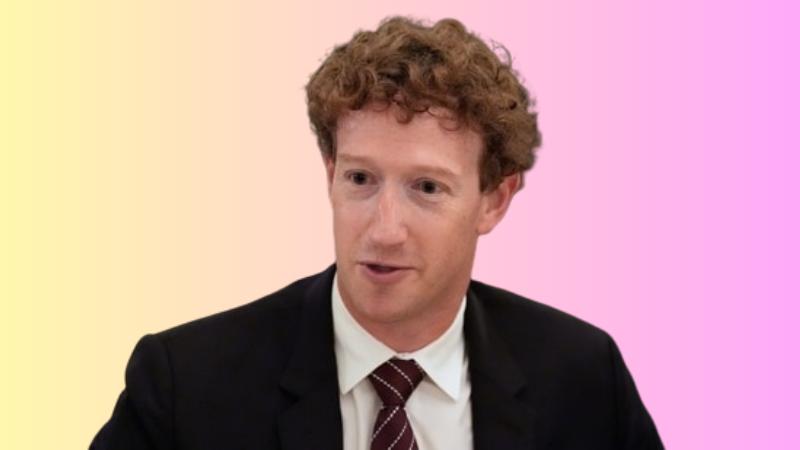
An unusual legal battle has emerged in the United States where an Indiana-based attorney named Mark S Zuckerberg has filed a lawsuit against Meta, the parent company of Facebook, for repeatedly banning his account. The lawyer, who has practiced bankruptcy law for nearly 38 years, says Facebook suspended him five times in the past eight years on allegations of impersonating Meta CEO Mark Elliot Zuckerberg.
According to the attorney, these suspensions have caused significant damage to his professional practice, leading to lost clients and financial harm. In his lawsuit filed in Marion Superior Court, Zuckerberg claims Meta violated its agreement by pulling down advertisements worth $11,000, which he had paid to promote his services. Explaining the impact, he compared it to paying for a highway billboard only to have it covered and rendered useless.
Zuckerberg has stressed that his name is genuine and predates the tech billionaire’s fame. He submitted several documents, including photo ID, credit cards, and personal images, to prove his identity. Despite complying with Meta’s requests and filing appeals, his accounts often remained suspended for months. His most recent suspension came in May 2025, and the account was only reinstated after he filed the lawsuit.
Meta admitted its mistake and issued a statement confirming that the attorney’s account was disabled in error. The company apologized, reinstated his account, and assured efforts to prevent such incidents in the future. However, the lawyer insists the repeated bans are no laughing matter, noting that they have caused real damage to his business and professional reputation.
To highlight the challenges of sharing a name with a global tech mogul, the attorney has also launched a website detailing his experiences. Among the stories is an instance where he was mistakenly sued by the state of Washington due to the name mix-up. His case underscores the risks of automated moderation systems that fail to account for real users with names identical to public figures, sparking broader discussions about accountability in digital platforms.