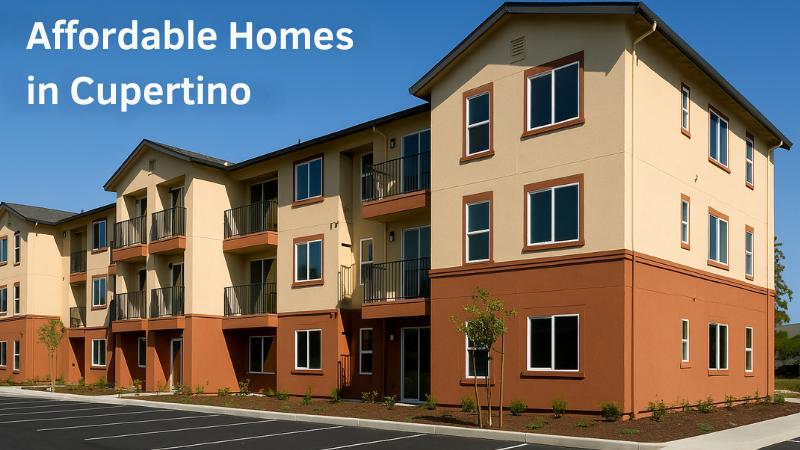
A plan to build one of Cupertino’s first 100 percent affordable housing projects, designed to support some of the community’s most vulnerable residents, has stirred opposition from neighbors concerned about safety and parking.
The proposed project, located along Mary Avenue, aims to create 40 affordable homes on a 0.79-acre site. Out of these, 19 homes would be reserved for adults and families with children who have intellectual and developmental disabilities, while 20 units would be set aside for low-income households. The initiative represents a first-of-its-kind model in Cupertino, offering much-needed housing for residents with few existing options.
However, the development has drawn backlash from nearby community members. A grassroots petition opposing the project has already gathered more than 450 signatures. Critics argue that removing 89 parking spaces to make room for the development could worsen parking shortages and lead to unsafe conditions. Many of the residents in the surrounding area live in apartments, townhomes, and single-family houses, and they fear that losing this parking could create congestion and pose safety hazards.
Project supporters, however, say that the concerns are overstated. They point out that the development will not reduce vehicle lanes and emphasize the importance of creating housing opportunities for disabled residents and low-income families. Advocates argue that with more than 300 residents with disabilities in Cupertino lacking housing resources, this project is a necessary step toward inclusivity and community support.
The developer, Charities Housing, noted that the site is part of Cupertino’s state-mandated housing plan, which means it does not require city council approval for its entitlements. However, because the land is city-owned, the project still needs councilmembers to approve certain legal documents. The city has not yet provided a timeline for this process, delaying the project that was originally expected to begin construction by the end of next year.
Some local residents, including Roberta Murai, whose two sons live near the proposed site, have organized a mail campaign against the project. Murai argues that removing parking spaces could cause drivers to park unsafely and believes the location is not suitable for such a development. She insists that while she supports affordable housing in principle, it should be built in a location with more available space. “It’s a safety issue for the whole entire neighborhood, and it’s something that can’t be reversed,” she said.
The housing plan initially received positive feedback when introduced last year as a collaboration with multiple nonprofit partners, including West Valley Community Services, Housing Choices for People with Developmental Disabilities, and the Rotary Club of Cupertino Housing Corporation. The homes are planned for residents earning 50 percent or less of Santa Clara County’s area median income, which is approximately $68,325 for a single person in 2025, according to state data.
While many community members oppose the loss of parking, supporters believe the benefits of the project far outweigh the drawbacks. They argue that creating stable, affordable housing for disabled residents and low-income families will strengthen Cupertino’s social fabric and help address the growing housing crisis in California.
The debate over this project reflects the larger tensions surrounding housing development across the Bay Area, where the demand for affordable units is high but local resistance often slows or blocks progress. Cupertino’s project may serve as a test case for how the city navigates these competing concerns and whether inclusive housing initiatives can move forward despite opposition.
For now, the project’s future rests on the city council’s approval of necessary legal documents. Until then, the debate between advocates for affordable housing and residents worried about safety and parking is likely to intensify, reflecting the challenges faced by cities across California as they attempt to balance growth, equity, and community needs.