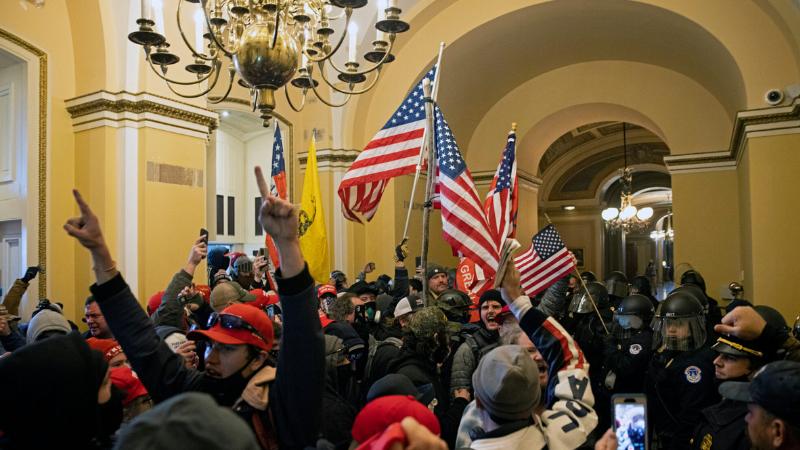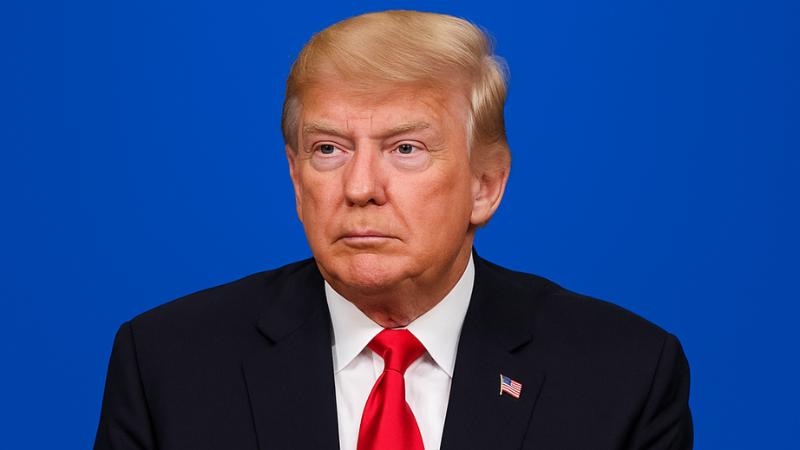
US President Donald Trump announced on Saturday that he intends to file a lawsuit seeking between $1 billion and $5 billion against the BBC, following the broadcaster’s apology for a misleading edit of one of his speeches. Trump said the legal action would likely begin next week and insisted that the broadcaster had already “admitted” wrongdoing, though it has publicly denied that its actions meet the threshold for defamation. The dispute centers on a video segment included in a documentary aired last year, which appeared to suggest that Trump directly encouraged violent behavior shortly before the January 6, 2021, assault on the US Capitol.
Speaking to reporters aboard Air Force One, Trump said the BBC had “cheated” by producing an edit that misrepresented his remarks. His lawyers delivered a formal complaint to the broadcaster earlier in the week, accusing it of defamation and demanding both an apology and financial compensation. The BBC issued a statement apologizing for creating the impression that Trump had called for violent action; however, it firmly maintained that the error did not constitute defamation and said it would not pay damages.
Trump asserted that the controversy had angered many people in the United Kingdom, claiming it demonstrated that the broadcaster is unreliable. He added that he intends to raise the issue directly with British Prime Minister Keir Starmer, who has publicly supported the BBC’s editorial independence while refraining from criticizing Trump. According to Trump, Starmer recently attempted to reach him by phone, and he described the British leader as “embarrassed” by the situation. The two leaders previously appeared together during a diplomatic visit in September 2025.
The fallout from the edited clip has been substantial for the BBC. The network confirmed that the incident contributed to the resignations of its director-general and its top news executive. In an effort to address the matter, BBC chairman Samir Shah sent a personal letter to the White House expressing regret and apologizing directly to the president for the way the clip was handled. The corporation nevertheless reiterated its position that no legal basis exists for a defamation claim, even while acknowledging mistakes in the editing process.
The episode has coincided with increased scrutiny of the BBC’s editorial practices. A leaked internal report by a former standards adviser raised concerns not only about coverage of Trump’s speech but also about reporting on gender-related issues and international conflict. The report criticized aspects of the broadcaster’s coverage of the Israel-Hamas war, including the selection and framing of stories by BBC Arabic. It said that some reports failed to include criticism of Hamas or adequate coverage of the experiences of Israeli civilians, including hostages.
With Trump preparing for a potential courtroom battle and the BBC defending its editorial decision-making, the dispute has added a new layer of tension to ongoing debates about media accuracy, political communication, and public trust. As both sides continue to refine their legal and public messaging, the situation underscores the broader challenges facing news organizations and political leaders in an era of rapid, high-stakes information sharing.