As the April 23 West Bengal Assembly elections near, the state is racing against time to resolve significant legal hurdles surrounding the voter rolls. With a scheduled voter list freeze on April 6 and a legal process still in flux, uncertainty hangs over the smooth execution of the upcoming polls. At the heart of the controversy is the ongoing adjudication of a massive number of voter deletions, with roughly 33 lakh names expected to be reinstated, but over 27 lakh individuals potentially left off the list. This process, aimed at correcting discrepancies in the voter list, has seen delays and legal wrangling, with the state’s Election Commission and the Mamata Banerjee government at odds.
The Supreme Court, which intervened on February 20, invoked its powers under Article 142 to address the “trust deficit” between the state government and the Election Commission. The court ordered the Calcutta High Court to assemble 700 judicial officers, including 200 from neighboring states, to expedite the adjudication process. Despite these efforts, as of today, the appellate tribunals are still not fully functional, raising questions about whether the election will proceed without resolving the issues surrounding voter exclusions.
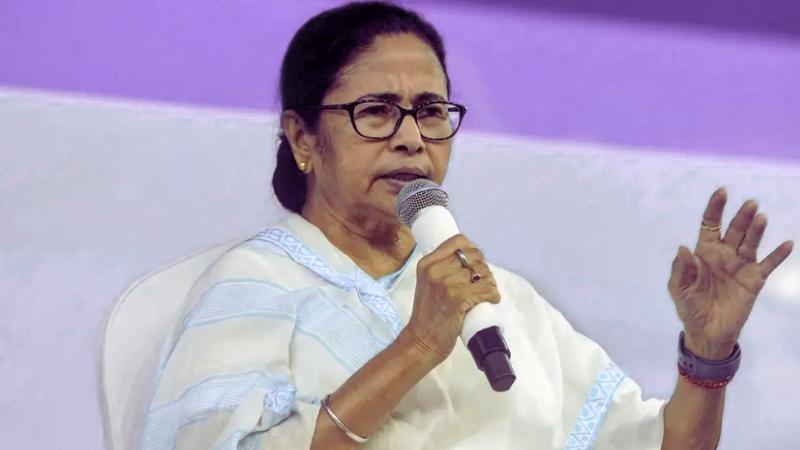
Legal challenges persist, with concerns about whether the appellate tribunals can complete their work before the polls. The legal system is struggling to keep up with the process as voter rolls are frozen just days before the election, with no clear answer as to whether the election will be postponed or proceed as scheduled. Chief Minister Mamata Banerjee has raised alarm over the situation, accusing the BJP of attempting to delay the election process, a claim made stronger after incidents like the abduction of judicial officers by a mob in Malda.
In a bid to resolve the confusion, former Chief Election Commissioner SY Quraishi suggested that the last valid voter list could be used if the new voter roll is not finalized in time. He proposed that voters left out could still participate in the election, with their inclusion to be decided later by the appellate tribunals. The court has since granted tribunals the power to accept new documents, adding another layer of complexity to the process.
The situation remains in flux, with the Supreme Court’s decision today likely to shape the future of the elections. It is clear, however, that Bengal is racing against time, and the resolution of these legal challenges will play a crucial role in determining whether the state can stick to its election timeline or face further delays. With voter rights at stake and political tensions high, the outcome of today's hearing could have significant ramifications for the political landscape in Bengal.