India names 23 LeT and JeM operatives under UAPA
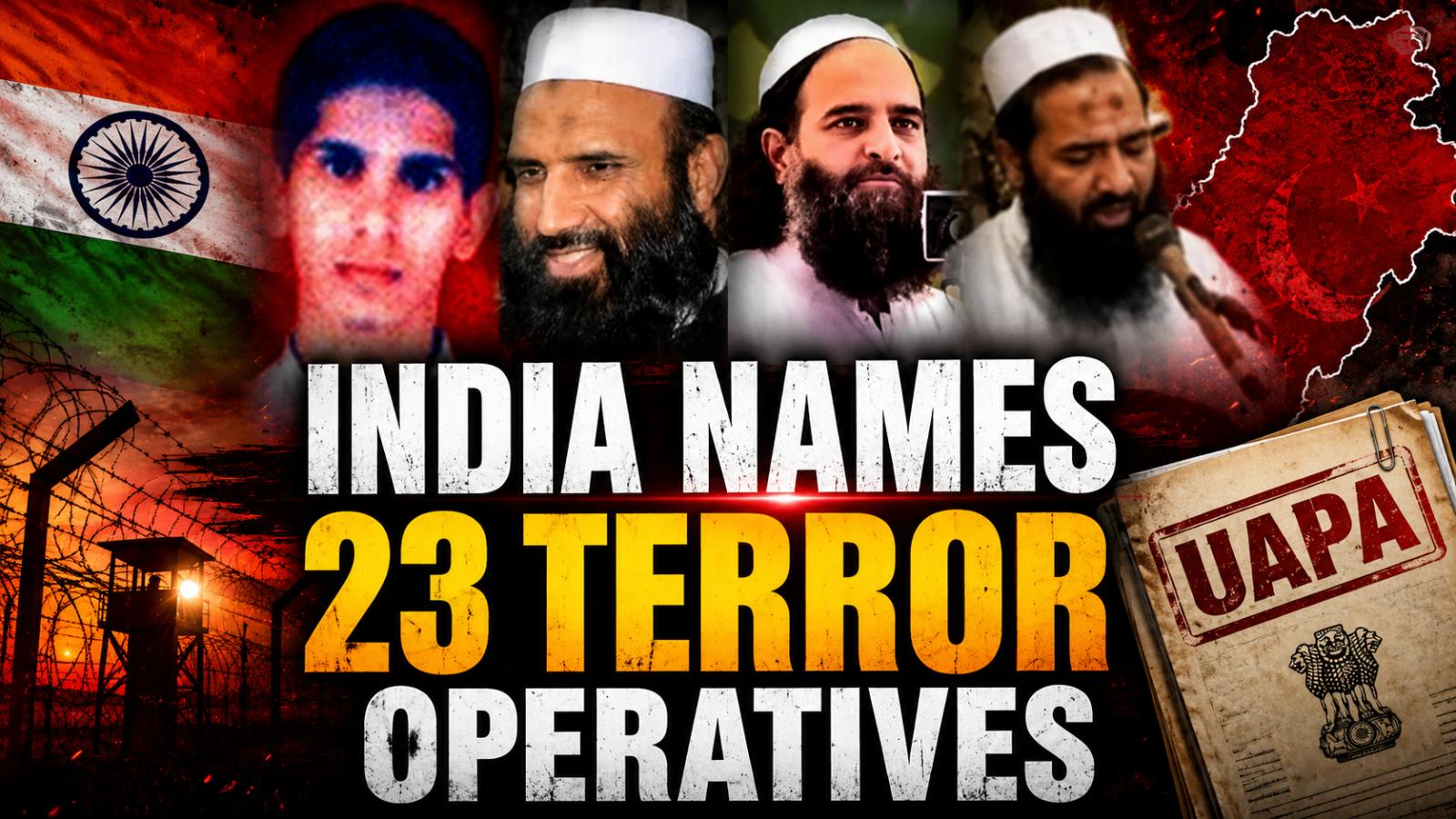
India has designated 23 operatives linked to Pakistan-based Lashkar-e-Tayyeba and Jaish-e-Mohammed under the Unlawful Activities Prevention Act, strengthening its legal and security response to cross-border terrorism. The move is part of the government’s Prahar strategy, which focuses on disrupting terror recruitment, propaganda, training networks, arms movement and infiltration routes used against India.
According to officials, 13 of the designated operatives are connected to Lahore-based LeT, while 10 are linked to Bahawalpur-based JeM. The list includes 16 Pakistani nationals and seven Indians believed to be operating from Pakistan. Several of them are already facing active arrest warrants or ongoing terror investigations in India, making the latest UAPA action an important step in tightening pressure on terror handlers and support networks.
LeT and JeM networks face renewed pressure
The LeT-linked names include Saifullah Khalid, described as a senior figure associated with Lashkar-e-Tayyeba and Jamaat-ud-Dawa. He has also been listed by the United States as a global terrorist and is reported to hold a senior role within the LeT structure. Another key name is Hafiz Abdur Rauf, who has been associated with LeT activities and was reportedly seen leading funerals of terrorists killed during India’s Operation Sindoor against Pakistan-based terror targets in May 2025.
The JeM names show a more formal operational structure focused on Kashmir-related infiltration and high-profile attacks. Mufti Muhammed Asghar Khan has been described as a commander for Kashmir operations, while Masood Ilyas Kashmiri is identified as a senior JeM figure operating from Pakistan-occupied Kashmir. Kashmiri is accused of handling recruitment and social media activity for JeM and has also been linked to the April 2022 Sunjwan terror attack case.
Online radicalisation and infiltration remain key concerns
The government’s action also underlines the growing threat of online radicalisation. Mohammed Shahed Faisal, a software engineer from Bengaluru, has been accused of working as an online handler involved in recruitment, bomb-making guidance and target selection. He has also been linked to the 2012 Bangalore conspiracy case, showing how terror groups use digital platforms to reach vulnerable youth beyond border areas.
Security agencies say Pakistan-based terror syndicates continue to rely on recruiters, handlers, launching commanders and logistics networks to move trained cadres, weapons and ammunition into India. Tunnels, drones and social media channels have become important tools in this ecosystem, making legal designations and international pressure central to India’s counterterrorism strategy.
The latest UAPA terrorist list is aimed at cutting off the operational backbone of LeT and JeM by targeting their senior operatives, recruiters, propagandists and infiltration coordinators. Along with counterterror operations, India is also using sustained global diplomacy to push action against terror groups and their front organisations. The message from New Delhi is clear: Pakistan-linked terror networks will face legal, operational and diplomatic pressure as part of India’s zero-tolerance policy on terrorism.