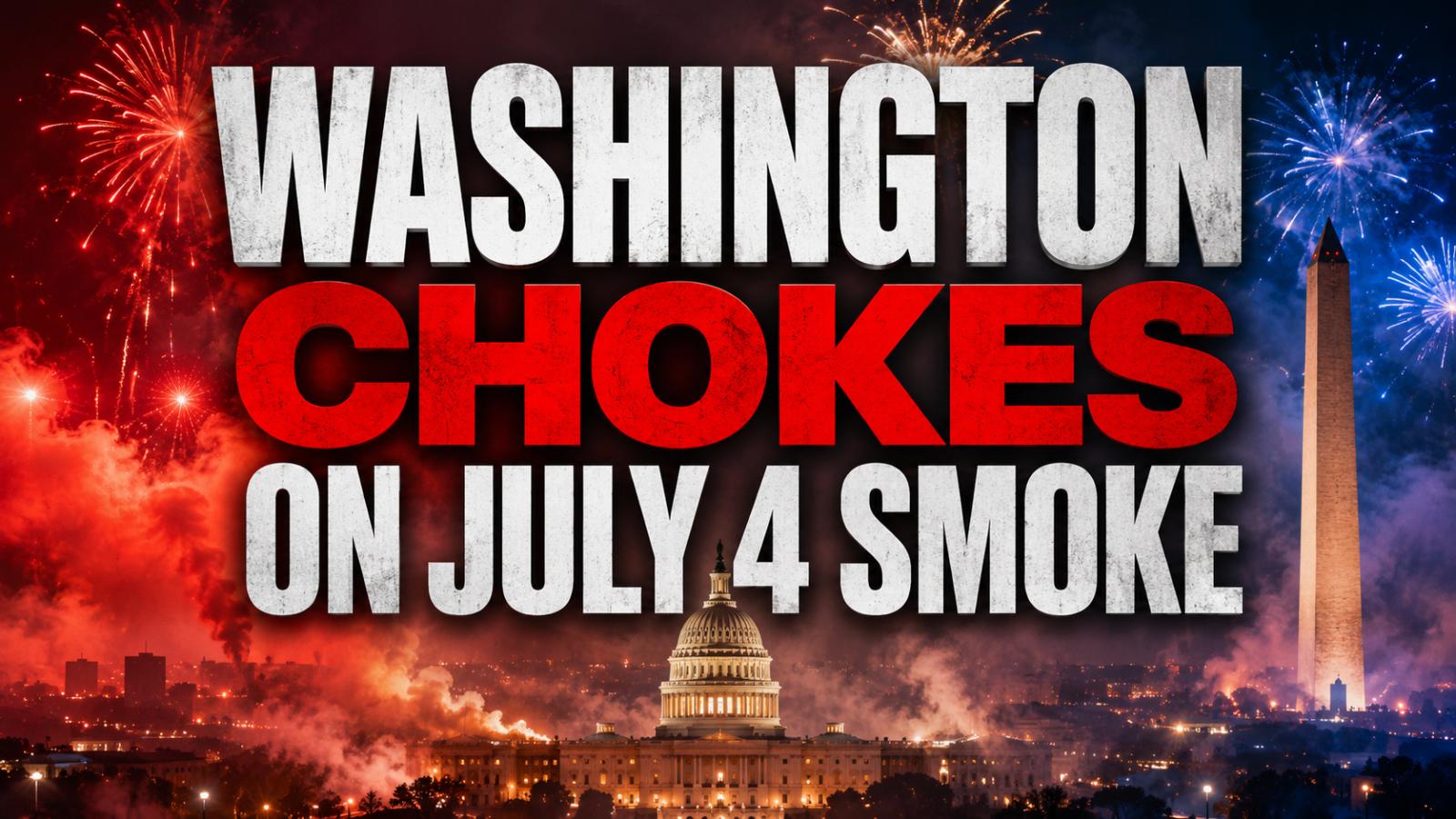
Washington air quality drops after fireworks
Washington briefly became the world’s most polluted major city after a large Independence Day fireworks display linked to the Freedom 250 celebrations, according to air quality monitoring platform IQAir. The spike came after the July 4 event sent heavy smoke and fine particles into the air over the US capital, turning a patriotic celebration into a public health concern for residents and visitors. IQAir said Washington topped its global major city air quality ranking by the morning of July 5, as fireworks pollution lingered after the display.
Fireworks smoke raises health concerns
Fireworks are known to release fine particulate matter, including PM2.5, which can enter the lungs and worsen breathing problems, especially for children, older adults and people with heart or respiratory conditions. In Washington, the scale of the display and the overnight buildup of smoke contributed to a sharp decline in air quality. Local concerns had already been raised before the show, with officials warning that pollution from the event could affect people exposed to smoke for extended periods.
The episode also showed how quickly air quality can change during major public events. While Washington’s ranking as the most polluted major city was temporary, the short-term rise in pollution was significant enough to draw national attention. Similar post-fireworks pollution spikes were reported in other US cities after Independence Day celebrations, but the capital’s display stood out because of its size and timing. IQAir also reported that fireworks pushed other US metro areas into elevated pollution levels during the same period.
Public safety debate follows celebration
The Freedom 250 fireworks were held as part of the country’s 250th Independence Day commemorations, with large crowds expected in Washington for the holiday. Supporters viewed the display as a major national celebration, but the pollution spike has renewed questions about the environmental and health costs of massive fireworks events in dense urban areas.
For Washington residents, the concern was not only visibility or smoke smell, but the health impact of breathing polluted air during and after the celebration. The incident may increase pressure on event planners to consider cleaner alternatives, stronger public warnings and better crowd health guidance for future national celebrations. The brief rise to the top of global pollution rankings turned the July 4 display into a wider debate over celebration, safety and air quality in the nation’s capital.