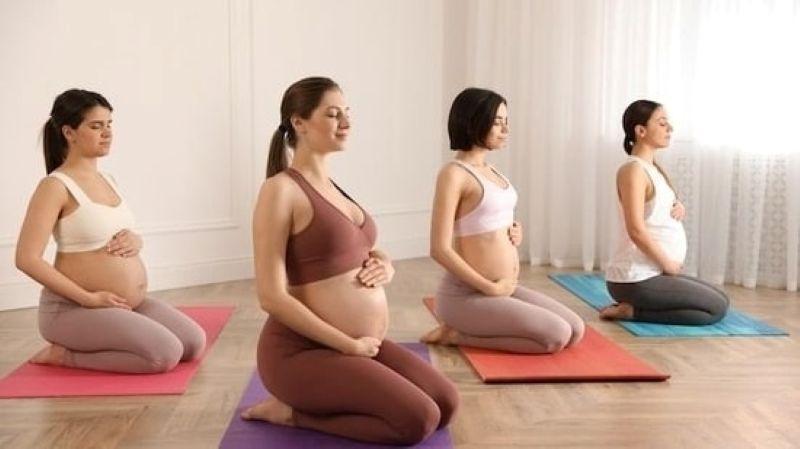
Pregnancy is a time of profound change, and taking care of your mental and physical health can positively impact both you and your baby. Prenatal yoga has been shown to reduce stress hormones, improve maternal health, and even boost your baby’s birth weight. In an interview with Dr. Pooja C Thukral, Associate Director of Gynecology at Cloudnine Group of Hospitals, she shared expert tips on incorporating yoga into your routine during pregnancy. Here are three effective yoga exercises for expecting mothers to include in their wellness practice:
1. Cat-Cow Pose
This yoga sequence is great for your back and abdominal muscles. Begin in a tabletop position and alternate between arching your back (cow pose) and rounding it (cat pose), coordinating your breath with the movements. Visualize your spine forming a cradle for your baby while flowing with your breath. This gentle movement helps calm the nervous system and improve flexibility.
2. Butterfly Pose
The butterfly pose is perfect for hip opening and gently stretching the inner thighs. Sit in a comfortable position, bringing the soles of your feet together. Hold your feet with your hands and gently flap your legs up and down, resembling butterfly wings. Dr. Thukral advises whispering sweet affirmations or words to your baby during this pose, fostering emotional connection and trust.
3. Child’s Pose
Child’s pose is an excellent way to relieve back tension and promote relaxation. Begin by kneeling, then sit back onto your heels and stretch your arms forward on the mat. Rest your forehead on the floor and imagine your baby peacefully resting in the womb. This pose offers a moment of stillness, allowing you to connect with your baby in a serene and meditative way.
Why Prenatal Yoga Works
Scientific research supports the benefits of prenatal yoga. Studies published in Journal of Obstetrics and Gynecology have shown that prenatal yoga can reduce cortisol levels, which lowers stress and contributes to improved birth weight and reduced risks of preterm labor. Practicing yoga also strengthens the bond between mother and baby, fostering emotional safety and trust.
Gynecologist’s Tips for Safe Practice
-
When to Start: Begin yoga after 12-13 weeks of pregnancy when the risk of miscarriage decreases. Prior to this, light breathwork and guided meditation can be helpful.
-
How Often: Aim for 2-3 yoga sessions per week, or even 10-15 minutes of daily mindfulness and breathing exercises.
-
What to Avoid: Intense physical poses, holding your breath, or any pose that causes discomfort or strain. Avoid long sessions without breaks, especially in the later stages of pregnancy.
-
What to Include: Gentle stretches, pelvic awareness exercises, deep breathing, affirmations, and journaling after your sessions.
Dr. Thukral emphasizes that prenatal yoga is not just about physical wellness—it's a sacred dialogue between mother and baby. Every breath, every affirmation, and every stretch can create a loving connection before birth. Yoga provides strength, grounding, and stillness, making it an invaluable practice for expecting mothers.