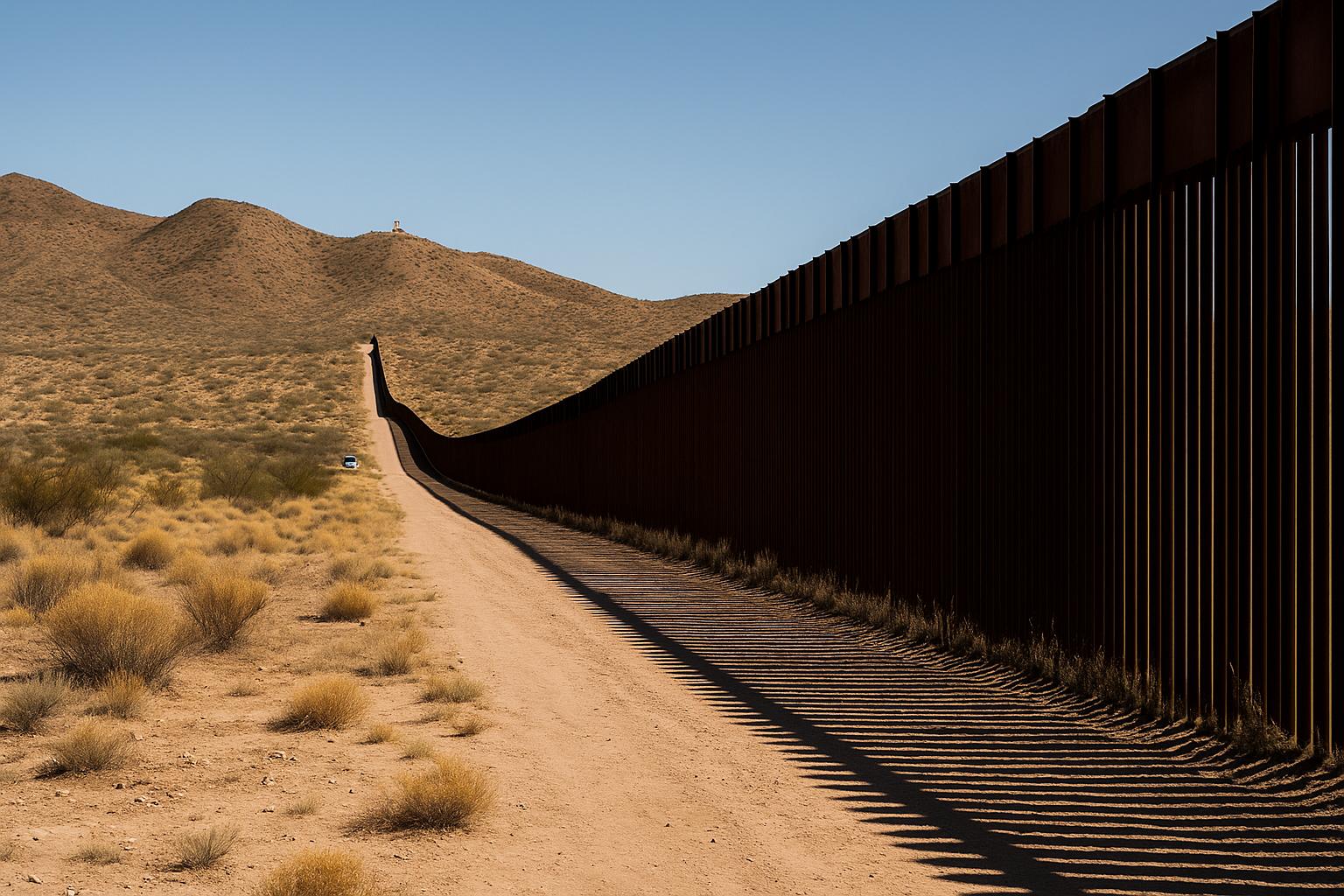
HOUSTON, Texas — A new statewide survey conducted by the University of Houston and Texas Southern University reveals that Texans remain deeply divided over former President Donald Trump’s immigration policies. According to the findings, 51 percent of registered voters said they approve of the administration’s immigration approach, while 49 percent disapprove, reflecting an evenly split electorate on one of the state’s most politically charged issues.
The survey highlights a significant generational divide in attitudes toward immigration, with older Texans showing stronger support for the Trump-era policies and younger generations voicing opposition. Researchers noted that baby boomers and Gen X respondents tended to favor stricter border enforcement measures, while millennials and Gen Z voters largely rejected those same policies, viewing them as too harsh or exclusionary.
Latino voters — a rapidly growing segment of the Texas electorate — were also divided, underscoring the community’s diverse political perspectives. The survey found that 58 percent of Latino respondents disapproved of Trump’s immigration stance, while 42 percent expressed approval. Within that group, however, gender and age differences emerged. Nearly half of Latino men said they supported the administration’s actions, compared with only 36 percent of Latina women who did. Older Latino voters were generally more favorable toward the policies, while younger Latinos showed much lower levels of support.
Mark Jones, a political science fellow at Rice University, analyzed the results and said the data demonstrates how demographic factors continue to shape opinions about immigration in Texas. “Overall, older Latinos and male Latinos tend to be far more supportive of the Trump administration’s immigration policies,” Jones said. “Younger Latinos and women Latinos tend to be far less supportive and tend to disapprove of the administration’s approach to immigration.”
The survey also measured support for specific immigration measures implemented during Trump’s presidency. Among the various policies, the deployment of U.S. military personnel to the southern border to curb unauthorized crossings received the highest approval ratings. In contrast, the least popular initiative was the suspension of most asylum applications, which respondents viewed as overly restrictive and detrimental to humanitarian protections.
According to researchers, these differences reveal that many Texans back the idea of border enforcement in principle but feel conflicted about policies that appear to target long-standing residents or families with deep community ties. “Some Texans are beginning to see people who they consider to be good members of the community being either targeted with deportation or unable or unwilling to engage in acts in public that they used to do because of fear,” Jones explained. He added that such developments may be shifting perceptions even among voters who previously supported stronger immigration controls.
The survey results arrive at a time when immigration remains one of the defining issues in Texas politics, influencing not only national elections but also local and state-level debates. Public sentiment on border security, asylum reform, and migrant policy continues to vary widely, often reflecting broader divides across race, age, and ideology.
For decades, Texas has been at the heart of the nation’s immigration conversation — both as a frontline border state and as home to one of the largest immigrant populations in the country. The latest findings suggest that while the state continues to lean toward law-and-order approaches, attitudes are becoming more nuanced as demographic and generational shifts reshape the political landscape.
As policymakers look toward the upcoming election cycle, experts say the survey underscores the challenge of crafting immigration policies that satisfy both the demand for security and the need for compassion. The balance between enforcement and inclusion, they note, will likely remain a key test for Texas leaders and for the country as a whole.
With Texans evenly divided, the debate over immigration appears far from settled — reflecting a state wrestling with its identity as both a borderland and a melting pot.