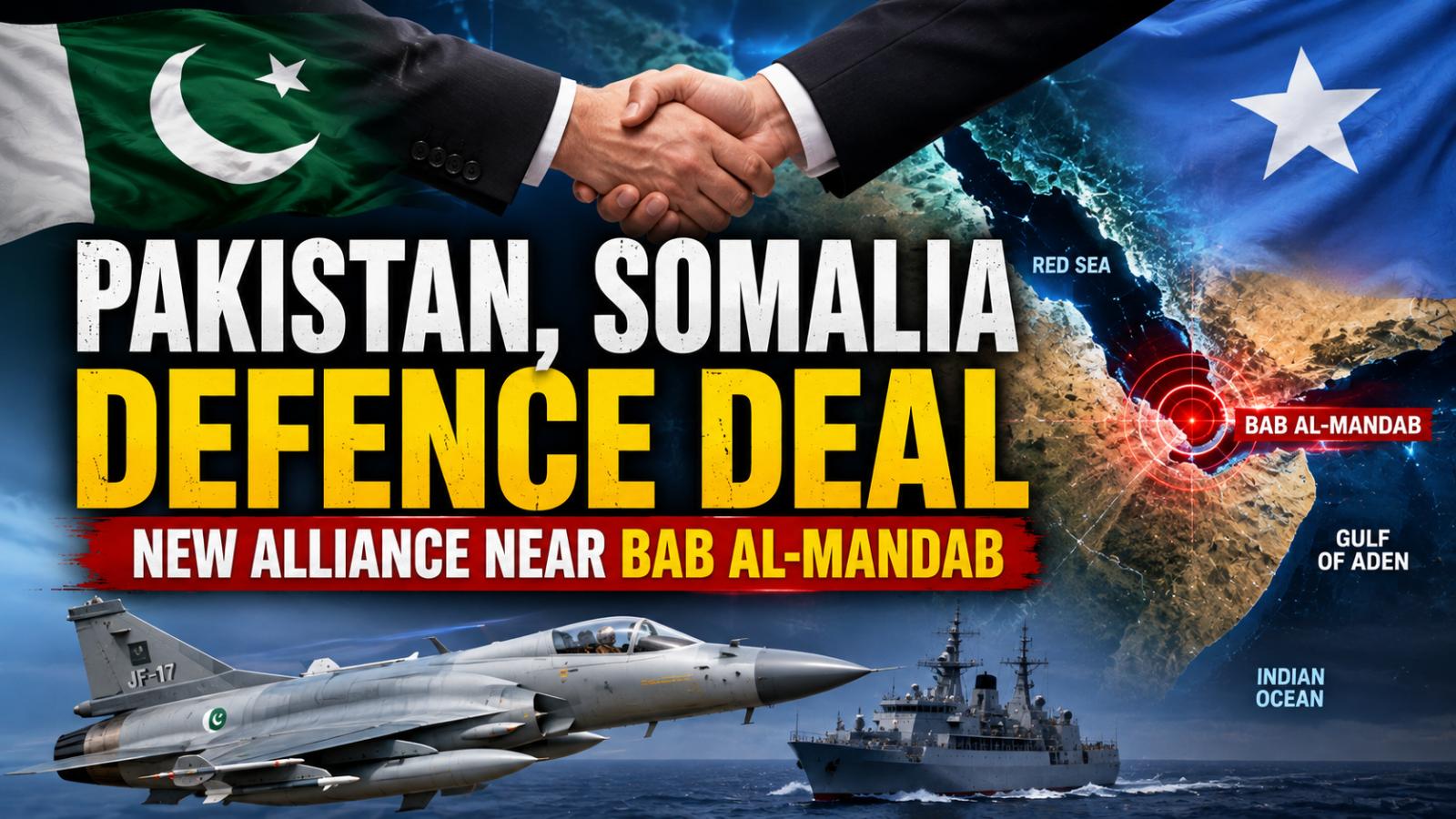
Pakistan and Somalia have signed a new defence cooperation agreement as security tensions rise around the Red Sea and Bab al-Mandab. The Pakistan Somalia defence deal focuses on military training, counterterrorism and capacity building, while its timing puts Islamabad’s expanding defence diplomacy in the Horn of Africa under fresh attention.
Pakistan Somalia defence deal expands military cooperation
Somalia’s Defence Minister Ahmed Moallim Fiqi signed the memorandum of understanding during an official visit to Pakistan. Somalia’s government said the agreement aims to strengthen bilateral cooperation in defence and security while improving the capabilities of the Somali Armed Forces.
The MoU covers military training, capacity building, counterterrorism cooperation and the exchange of defence knowledge and expertise. Fiqi also held high-level meetings with Pakistani defence and military officials during his visit.
The agreement could prove particularly important for Somalia as it continues operations against Al-Shabaab. Pakistan has extensive experience in counterterrorism operations and military training, giving Mogadishu another potential partner as it works to strengthen its security institutions.
Military training and counterterrorism take centre stage
Neither government has publicly announced a major weapons purchase as part of the newly signed MoU. That distinction matters because earlier reports claimed Somalia was considering acquiring as many as 24 Pakistan-built JF-17 fighter jets under a package potentially worth about $900 million.
Those reported aircraft negotiations should not be presented as a confirmed component of the latest defence agreement. The official announcement focuses instead on institutional cooperation, training and military capability development.
A future aircraft agreement would represent a much larger shift in Somalia’s defence capabilities, but until either government confirms such a purchase, the JF-17 deal remains separate from the verified MoU.
Bab al-Mandab raises strategic importance of Somalia
Somalia’s geography gives the partnership wider significance. Its coastline runs along the Gulf of Aden and Indian Ocean, close to shipping routes connecting the Arabian Sea with the Bab al-Mandab Strait and Red Sea.
Bab al-Mandab is one of the world’s critical maritime chokepoints, connecting the Red Sea to the Gulf of Aden. Continued Houthi attacks on commercial shipping have made security around the corridor an increasingly important issue for regional governments and global trade.
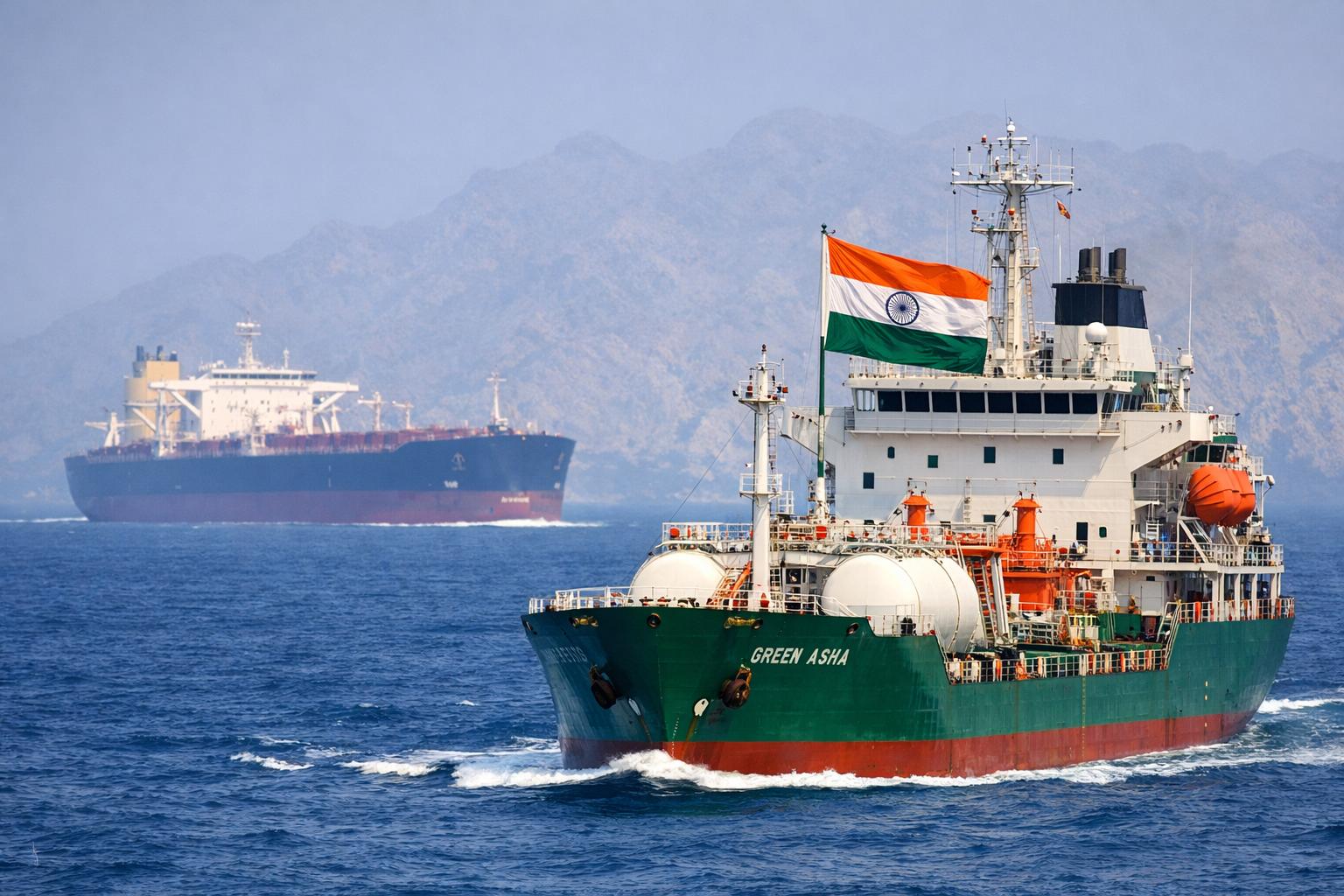
The Houthis have recently claimed attacks on Saudi-linked oil tankers, including a ballistic missile strike against the NCC Wafa near Yanbu. An Indian-flagged cargo vessel also sank off Yemen after an attack, although its crew was rescued.
For Pakistan, closer defence ties with Somalia therefore provide diplomatic access to a country located beside an increasingly contested maritime region. The agreement itself, however, does not establish a Pakistani military base or confirm a permanent troop deployment in Somalia.
Pakistan expands defence footprint beyond South Asia
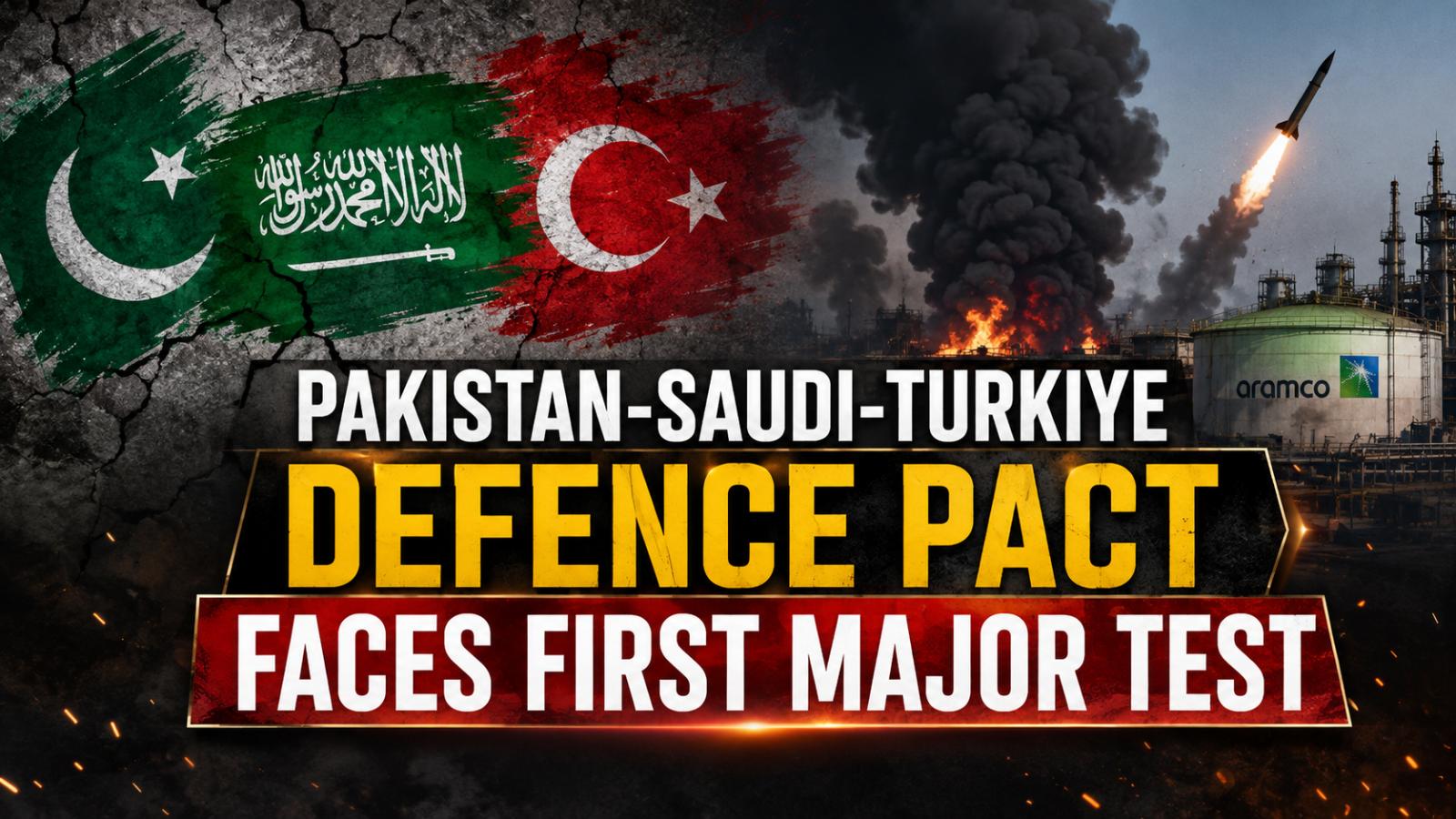
The Somalia agreement also fits into Pakistan’s wider effort to expand military partnerships abroad. Islamabad has strengthened defence cooperation with Saudi Arabia and deployed about 8,000 troops, a fighter squadron and an air-defence system to the kingdom under their mutual defence arrangement, according to officials familiar with the deployment.
Kuwait also ratified a 2023 defence cooperation agreement with Pakistan in July 2026. That framework covers military training, intelligence sharing, logistics, defence technology and exchanges of expertise rather than troop deployment or weapons procurement.
Pakistan has also pursued major defence exports in Africa, including a reported multibillion-dollar weapons agreement with forces in Libya and negotiations involving Sudan.
These moves point to a broader strategy of using Pakistan’s military expertise and growing defence industry to strengthen diplomatic influence beyond South Asia.
Whether the Somalia agreement eventually develops into arms sales, deeper maritime cooperation or a larger Pakistani security role remains unclear. For now, the verified deal is a defence cooperation framework. Claims that it guarantees Pakistani military intervention around Bab al-Mandab go beyond what either government has officially announced.