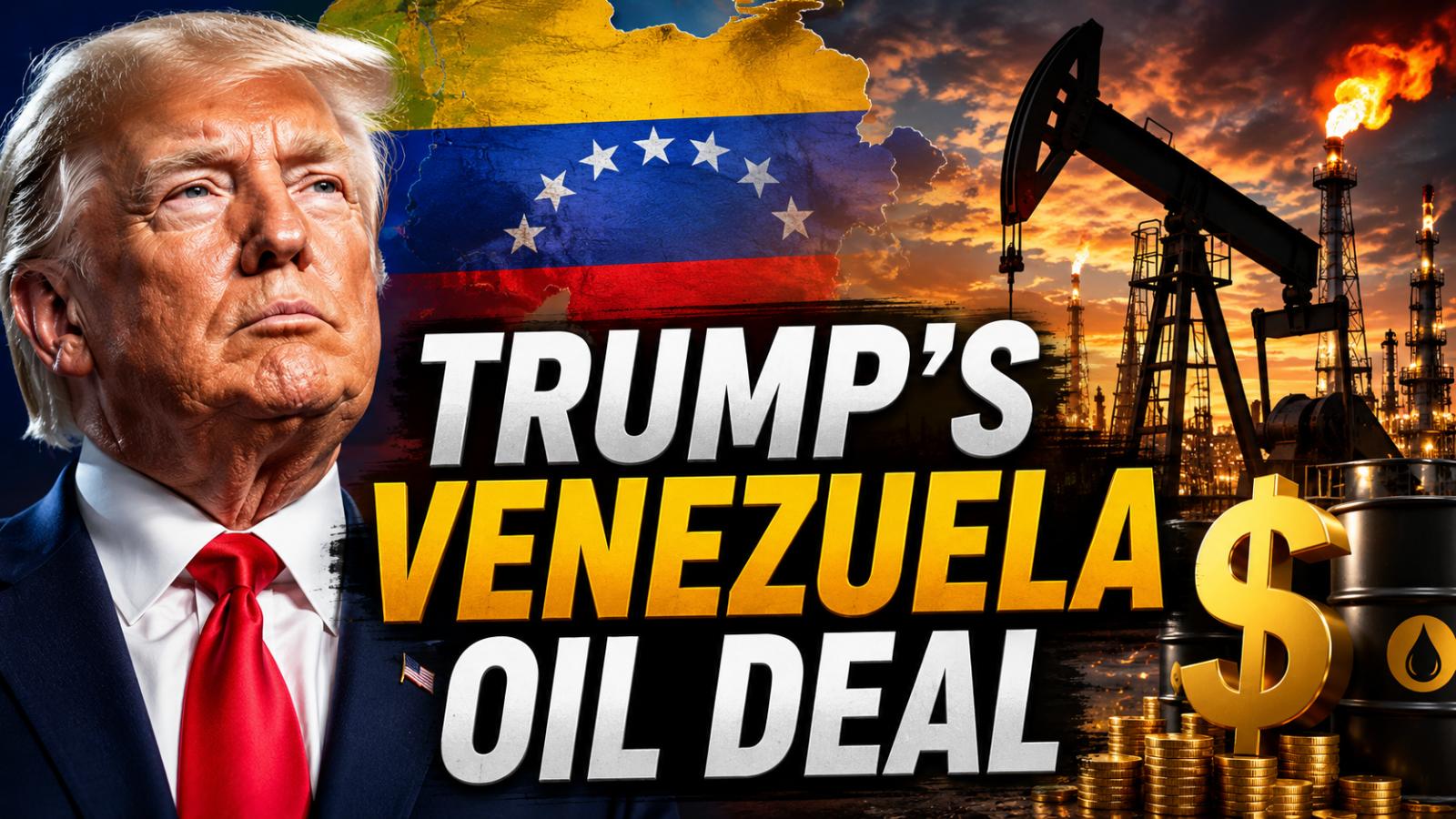
A major US-Venezuela oil deal is reshaping the country’s energy sector, with Chevron, Eni and GE Vernova signing multibillion-dollar agreements in Caracas. The moves follow a separate arrangement that gives Washington extensive economic and governance rights connected to about 65 billion barrels of Venezuelan oil reserves.
US-Venezuela oil deal opens new investment phase
US Energy Secretary Chris Wright travelled to Caracas on September 2 to oversee new agreements involving Chevron, Italy’s Eni and GE Vernova. The US Department of Energy said the deals are designed to expand oil production, attract billions of dollars in private investment and modernize Venezuela’s weakened electricity system.
The agreements are separate from the broader Washington-backed oil arrangement announced days earlier. Under that structure, Venezuelan interim authorities granted North American Blue Energy Partners, or NABEP, 100-year concessions covering 17 oil fields with an estimated 65 billion barrels of proven reserves. The US government will hold a 35% equity stake in NABEP’s parent company and receives guaranteed low-cost purchase rights over part of its production.
President Donald Trump has described the agreement as the “biggest oil deal in world history,” while the White House says it strengthens US energy security without requiring taxpayer funding.
Chevron Venezuela expansion targets major output growth
Chevron announced plans to invest more than $7 billion over the next five years after receiving additional acreage in the Orinoco Belt and revised commercial terms for its Venezuelan joint ventures.
The company expects its production in the country to more than double to around 600,000 barrels per day. Chevron said the agreements provide improved fiscal, legal and commercial conditions intended to make long-term investment more competitive.
Eni also secured expanded opportunities, including exclusive exploration rights in the Junín 5 heavy-oil area. GE Vernova, meanwhile, will focus on restoring parts of Venezuela’s struggling electricity grid, which remains a major obstacle to industrial expansion.
Venezuela sovereignty concerns fuel criticism
The deals have triggered criticism over how much influence Washington now holds over Venezuelan energy resources. Critics argue that the arrangement risks undermining Venezuelan sovereignty, especially after the dramatic political transition that followed Nicolás Maduro’s removal from power.
Wright has rejected claims that the United States is “stealing” Venezuelan oil. US officials argue that American capital, technology and management are being used to revive underdeveloped fields and increase production rather than simply extracting existing resources.
Interim President Delcy Rodríguez has also defended the partnerships, saying Venezuela retains sovereignty over its resources and needs large-scale foreign investment to rebuild its oil industry and wider economy.
Venezuela oil output could rise sharply by 2030
Venezuela currently produces roughly 1.25 million barrels of oil per day, well below the roughly 3 million barrels per day it produced during its peak years. US officials and energy companies believe fresh investment could substantially increase output before the end of the decade.
The larger strategy also reflects a shift away from the heavily nationalized energy model associated with former President Hugo Chávez. Washington is backing private-sector participation, new governance structures and outside capital as central elements of Venezuela’s economic recovery.
The key question is whether these agreements can deliver the promised production growth without deepening political disputes over sovereignty, democratic reform and control of the country’s vast oil wealth. For both Washington and Caracas, the financial potential is enormous—but so are the political risks.