In a significant development in South Asia’s tense geopolitical climate, India and Pakistan have agreed to a conditional ceasefire. According to sources within the Indian government, the proposal for a ceasefire was initiated by Pakistan. The Indian side has agreed to the temporary halt in military action, but only under specific conditions. This move does not signal a shift in India’s broader diplomatic strategy toward Pakistan, particularly in matters concerning national security and terrorism.
The decision comes amid heightened military tensions across the Line of Control (LoC) and an increasingly watchful international community concerned about escalating conflict in the region. While both countries have witnessed periodic flare-ups, this ceasefire attempt is one of the few initiated diplomatically in recent years. According to the Indian government, this should not be misunderstood as a normalization of relations or as India softening its position on issues that have long strained bilateral ties.
Indian External Affairs Minister S. Jaishankar emphasized that while India is open to dialogue and de-escalation, it will not compromise on its firm stance against terrorism. He reiterated that any sustainable peace must be preceded by tangible and verifiable actions by Pakistan to dismantle terrorist infrastructure on its soil. The conditional nature of this ceasefire underscores India's strategic caution and unwillingness to accept symbolic peace overtures that lack follow-through.
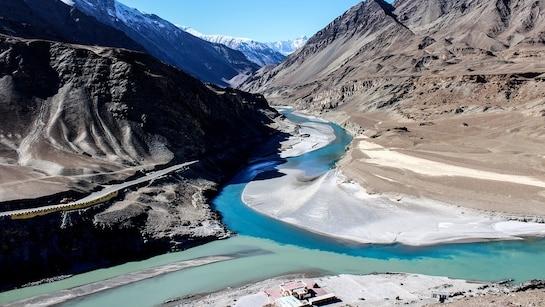
Despite agreeing to the temporary ceasefire, India has clarified that it is not altering its broader diplomatic measures against Pakistan. These include the suspension of the Indus Water Treaty a critical agreement signed in 1960 that governs water sharing between the two nations. The suspension remains in place, signaling that the Indian government views diplomatic pressure as an essential component of its policy.
The government’s internal assessment remains firm that unless Pakistan takes credible steps to curb terrorism emanating from its territory, no diplomatic progress can be considered meaningful. Indian officials also pointed out that the current ceasefire cannot be seen as a step toward resuming comprehensive dialogue. It is merely a pause in hostilities to prevent further escalation, with India keeping all options on the table based on how Pakistan responds in the coming days.
The international reaction has been one of cautious optimism. Major powers have welcomed the news of a ceasefire, seeing it as a rare opening in the decades-long hostility between the nuclear-armed neighbors. However, experts caution that without a robust verification mechanism and political will from both sides, this agreement may only serve as a short-term measure to manage current tensions.
This development also raises questions about the durability of peace efforts in the region. Previous ceasefire agreements have often been broken within months, sometimes weeks, due to incidents on the border or terror attacks within India. Hence, the current ceasefire's success largely hinges on Pakistan’s sincerity and India’s watchful diplomacy.
While the guns may fall silent temporarily, the path to lasting peace remains complex. The conditional ceasefire is a reminder that while diplomacy can offer openings, they must be backed by action, trust, and a shared commitment to peace and security. Both countries now face the responsibility to use this pause wisely and avoid returning to a cycle of provocation and retaliation. India’s unwavering policy on terrorism, combined with sustained diplomatic pressure, sets the tone for future engagements. The message is clear: peace is welcome, but not at the cost of security and national interest.