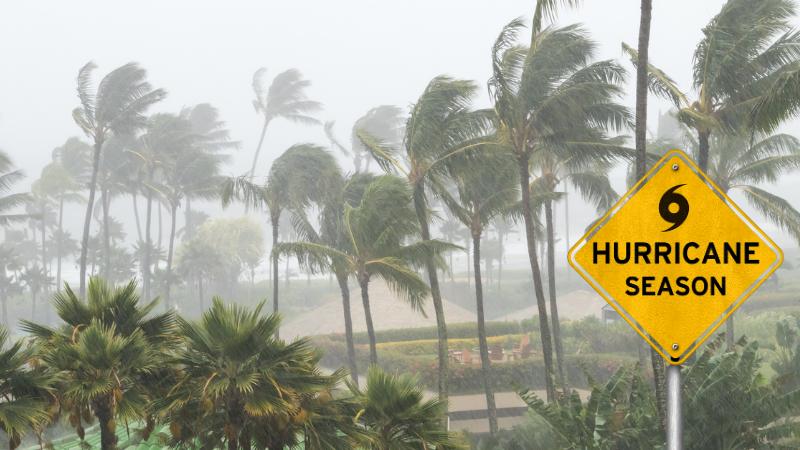
Hurricane Erick made landfall early Thursday along Mexico’s southern Pacific coast as a powerful Category 3 storm, bringing with it destructive winds, torrential rainfall, and widespread flooding. The storm struck near the border of the states of Oaxaca and Guerrero, just east of Punta Maldonado, with maximum sustained winds estimated at 125 mph.
The storm's impact began around 5 to 5:30 a.m. local time, with its intense conditions lingering through the morning hours. Despite the ferocity of the hurricane, no fatalities or injuries had been reported by local authorities at the time of the latest update. Officials stressed the importance of continued caution, given the ongoing risks posed by floodwaters and unstable terrain.
Erick underwent rapid intensification over the previous day, rising from a Category 1 hurricane to a strong Category 4 storm with winds peaking at 146 mph before slightly weakening upon landfall. The speed at which the storm strengthened drew significant concern, especially for communities along the coast that had limited time to prepare.
By midday Thursday, Erick had begun to weaken as it moved further inland over mountainous terrain, with winds reducing to 75 mph. The center of the storm was located about 60 miles north-northwest of Punta Maldonado. Meteorologists predicted that Erick would continue to lose strength and dissipate entirely by late Thursday night or early Friday morning.
Although weakening, the storm continued to bring extremely dangerous weather conditions. Forecasts projected between 8 and 12 inches of rain in the hardest-hit areas, with some regions potentially receiving up to 16 inches. This level of rainfall is expected to cause life-threatening flooding, particularly in steep or poorly drained areas, and widespread mudslides that could block roads and isolate communities.
Destructive winds near the storm’s core caused additional problems, toppling trees, power poles, and structures. In Oaxaca, a major hospital suffered flooding, and damage to roads and electrical systems was reported. In Guerrero, the Costa Chica region was among the most heavily impacted, experiencing landslides and multiple fallen trees and utility lines.
Authorities estimated that approximately 200,000 people in Oaxaca and over 1.3 million in Guerrero were affected by the hurricane’s path. Emergency services were activated throughout the region, with shelters opened and search-and-rescue teams deployed to the most impacted areas.
The storm also caused widespread infrastructure disruptions, including collapsed roads, power outages, and temporary closures of public services. Relief efforts are underway to restore essential utilities, clear debris, and provide aid to families displaced by flooding and structural damage.
As the storm continues to move inland and weaken, officials urge residents to remain vigilant. The risk of continued flooding, mudslides, and structural collapses remains high. Recovery operations are expected to take several days as authorities assess damage, reconnect services, and assist those in need of emergency assistance.
Hurricane Erick’s swift and severe impact serves as a stark reminder of the increasing intensity of tropical storms along Mexico’s Pacific coast. Preparedness, timely warnings, and effective disaster response remain critical to minimizing loss in regions frequently exposed to seasonal storms.
The storm's impact began around 5 to 5:30 a.m. local time, with its intense conditions lingering through the morning hours. Despite the ferocity of the hurricane, no fatalities or injuries had been reported by local authorities at the time of the latest update. Officials stressed the importance of continued caution, given the ongoing risks posed by floodwaters and unstable terrain.
Erick underwent rapid intensification over the previous day, rising from a Category 1 hurricane to a strong Category 4 storm with winds peaking at 146 mph before slightly weakening upon landfall. The speed at which the storm strengthened drew significant concern, especially for communities along the coast that had limited time to prepare.
By midday Thursday, Erick had begun to weaken as it moved further inland over mountainous terrain, with winds reducing to 75 mph. The center of the storm was located about 60 miles north-northwest of Punta Maldonado. Meteorologists predicted that Erick would continue to lose strength and dissipate entirely by late Thursday night or early Friday morning.
Although weakening, the storm continued to bring extremely dangerous weather conditions. Forecasts projected between 8 and 12 inches of rain in the hardest-hit areas, with some regions potentially receiving up to 16 inches. This level of rainfall is expected to cause life-threatening flooding, particularly in steep or poorly drained areas, and widespread mudslides that could block roads and isolate communities.
Destructive winds near the storm’s core caused additional problems, toppling trees, power poles, and structures. In Oaxaca, a major hospital suffered flooding, and damage to roads and electrical systems was reported. In Guerrero, the Costa Chica region was among the most heavily impacted, experiencing landslides and multiple fallen trees and utility lines.
Authorities estimated that approximately 200,000 people in Oaxaca and over 1.3 million in Guerrero were affected by the hurricane’s path. Emergency services were activated throughout the region, with shelters opened and search-and-rescue teams deployed to the most impacted areas.
The storm also caused widespread infrastructure disruptions, including collapsed roads, power outages, and temporary closures of public services. Relief efforts are underway to restore essential utilities, clear debris, and provide aid to families displaced by flooding and structural damage.
As the storm continues to move inland and weaken, officials urge residents to remain vigilant. The risk of continued flooding, mudslides, and structural collapses remains high. Recovery operations are expected to take several days as authorities assess damage, reconnect services, and assist those in need of emergency assistance.
Hurricane Erick’s swift and severe impact serves as a stark reminder of the increasing intensity of tropical storms along Mexico’s Pacific coast. Preparedness, timely warnings, and effective disaster response remain critical to minimizing loss in regions frequently exposed to seasonal storms.