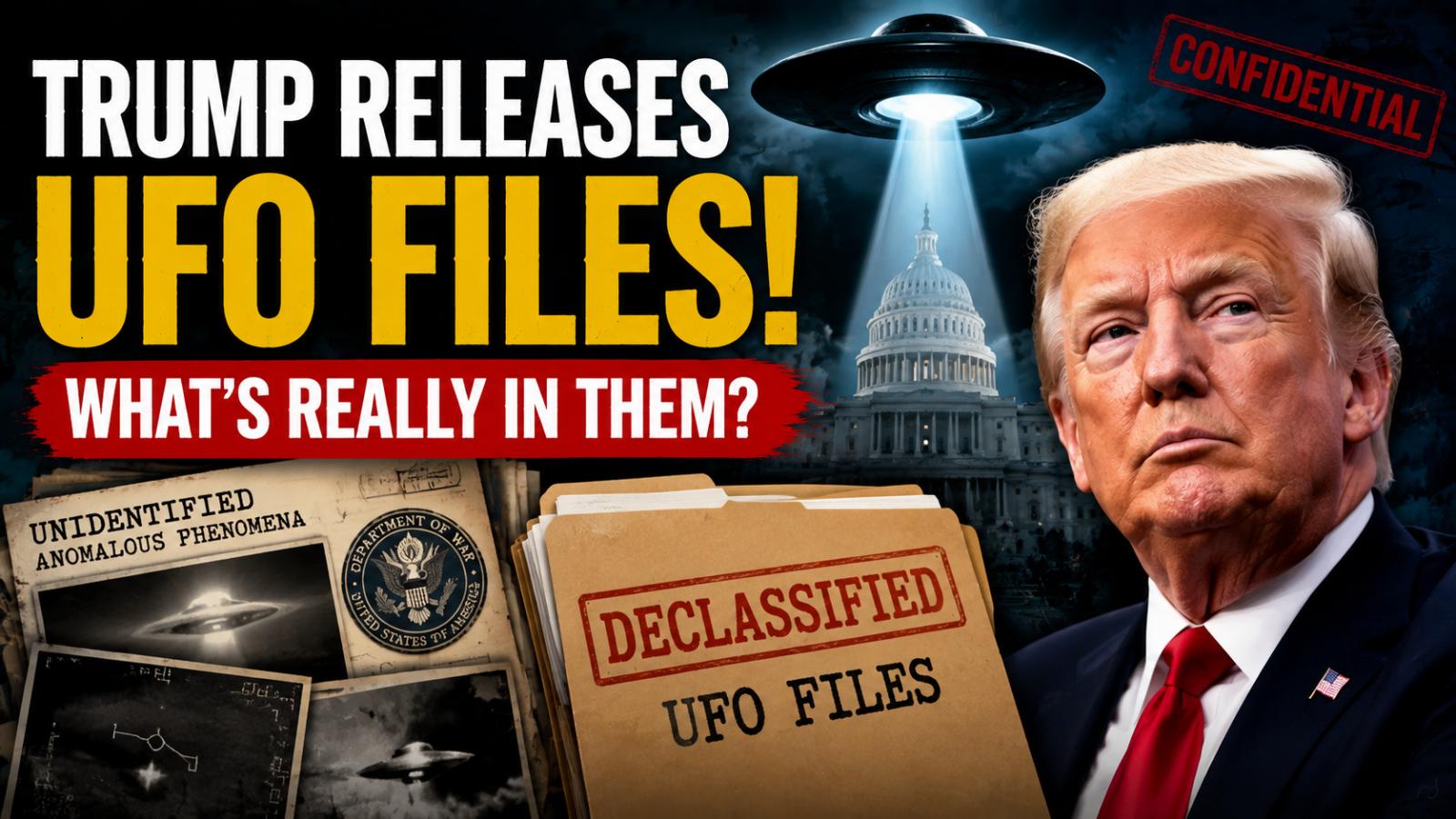
On May 8, 2026, the Trump administration released the first batch of “UFO files” under a new initiative called PURSUE (Presidential Unsealing and Reporting System for UAP Encounters). The release includes 162 never-before-seen videos, photographs, and witness testimonies concerning Unidentified Anomalous Phenomena (UAP), previously classified and now made publicly available through a dedicated portal hosted by the U.S. Department of War. This release has been heralded as part of the administration’s push for transparency regarding mysterious aerial phenomena.
Among the most controversial materials released were transcripts and images from NASA’s Apollo missions. The Apollo 12 transcript includes a statement from astronaut Charles ‘Pete’ Conrad, who described observing floating debris illuminated by the lunar module’s light. Apollo 17 astronauts Eugene Cernan and Harrison Schmitt also described seeing "bright particles" and "angular fragments" passing by their windows during the mission. Other documents feature various UAP sightings from places such as Georgia, Turkmenistan, the UAE, and even videos showing strange objects in the Gulf of Oman.
Despite the tantalizing revelations, the Trump administration has not confirmed the existence of extraterrestrial life. Instead, President Trump encouraged the public to "make up their own minds" regarding the content. Meanwhile, US Secretary of War Pete Hegseth framed the release as a way to end decades of "public suspicion" and provide "maximum disclosure" on UAPs.
The move, however, has drawn criticism. Marjorie Taylor Greene, once a loyal Trump ally, labeled the release as a diversionary tactic, suggesting that it was an attempt to distract the public from pressing issues such as rising gas prices and the ongoing Epstein scandal. Critics on social media mocked the release, with some suggesting that the U.S. government was stoking speculation to further manipulate public opinion.
The U.S. government’s sudden openness about UAPs aligns with a long-standing history of UFO sightings and extraterrestrial speculation. Yet, analysts urge caution, including Dr. Sean Kirkpatrick, former director of the Pentagon’s UFO-hunting unit, who warned of an "erosion of critical thinking" around UAP claims.
As speculation grows and theories, including the infamous “Operation Blue Beam,” circulate, experts stress the importance of scientific skepticism. While the release of these files stirs public interest, the broader implications of these phenomena and their authenticity remain subjects of ongoing debate. For now, the files remain a mystery for the public to analyze—underlining the enduring fascination with the unknown.