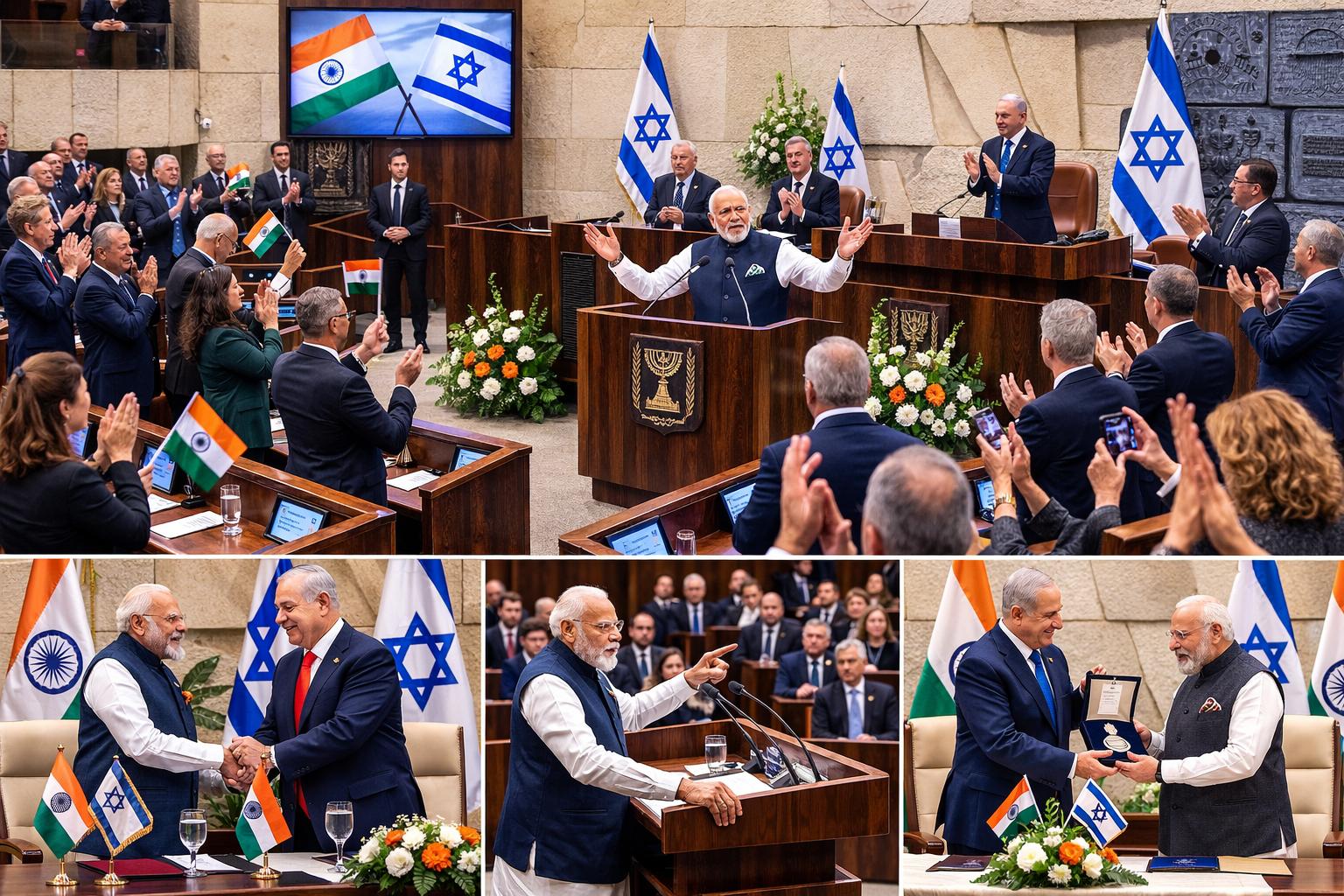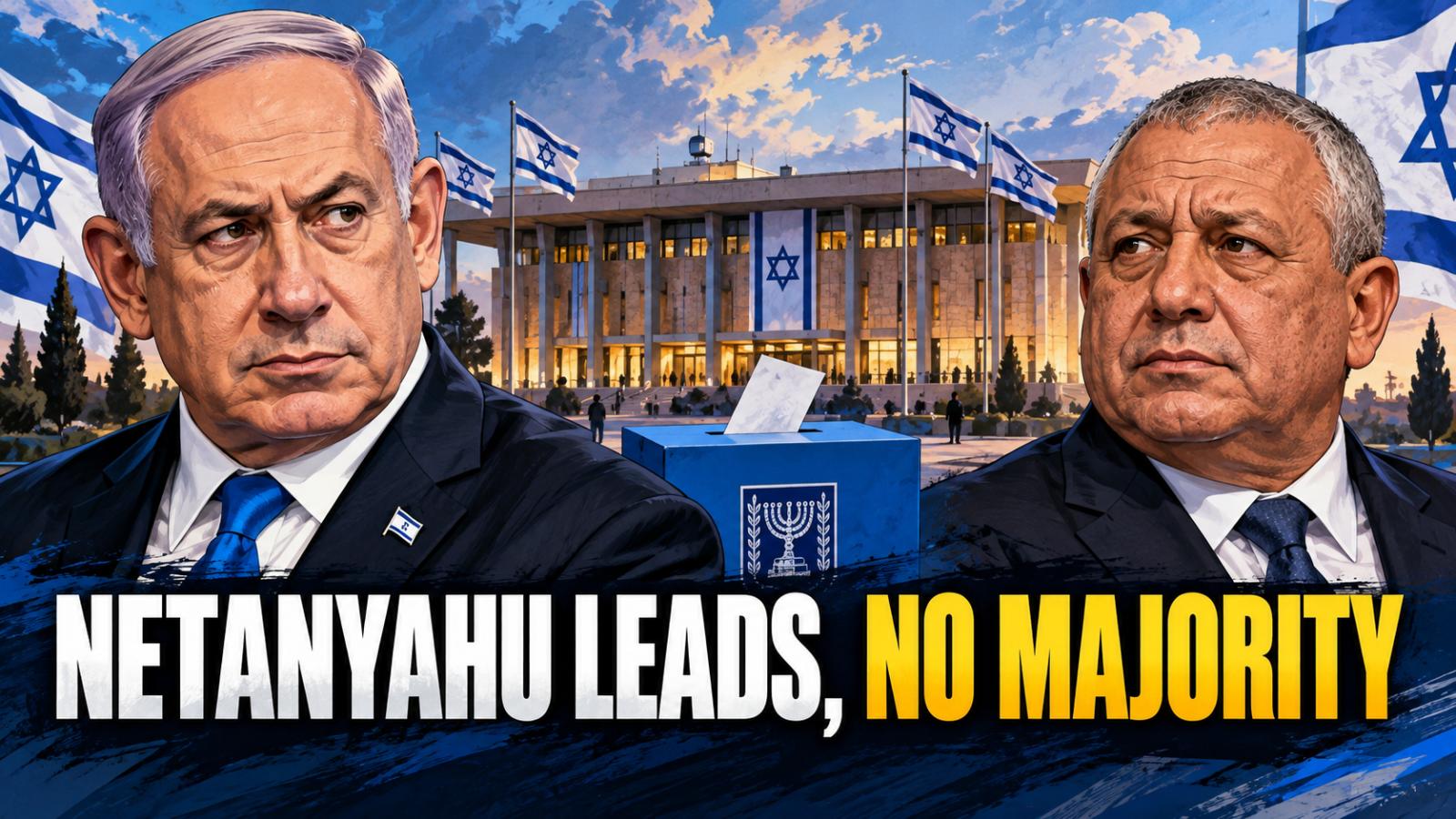
Israeli Prime Minister Benjamin Netanyahu's political bloc leads the October 27 parliamentary election, but partial results show it remains short of the majority needed to form a government. With nearly 90% of ballots counted, the contest has left both Netanyahu and opposition leader Gadi Eisenkot facing difficult coalition negotiations.
Israel Election Results 2026
Figures released by Israel's Central Elections Committee on October 28 projected 53 seats for Netanyahu's right-wing and religious alliance in the 120-member Knesset.
Eisenkot's opposition bloc was projected to secure 48 seats, while the predominantly Arab parties were on course to win 19.
A parliamentary majority requires at least 61 seats. Neither leading bloc has reached that threshold, and the distribution could change as remaining votes are counted.
Netanyahu Bloc Falls Short of Majority
Netanyahu's Likud party remains the largest individual party, with 26 projected seats.
Its traditional allies include far-right and ultra-Orthodox parties, which together bring the bloc's projected total to 53 seats.
That leaves Netanyahu eight seats short of a governing majority. He has nevertheless expressed his intention to pursue another coalition.
Negotiations could require agreements with parties that have previously opposed his leadership or policies.
Gadi Eisenkot Opposition Coalition
Former military chief Gadi Eisenkot leads the rival bloc through his Yashar party, which is projected to win 21 seats.
His alliance includes parties associated with Naftali Bennett, Yair Lapid and other opposition figures.
Although the bloc is projected to hold 48 seats, Eisenkot has also said he will seek the opportunity to form a government.
Differences among opposition parties, particularly over cooperation with Arab-led factions, remain a major obstacle.
Arab Parties Gain 19 Knesset Seats
The Joint List and Ra'am are projected to secure a combined 19 seats, potentially their strongest parliamentary representation.
Their combined strength could become important during negotiations because neither major bloc has secured a majority independently.
However, several Jewish-led parties have ruled out forming coalitions that depend on Arab-party support.
The final political outcome will therefore depend on whether parties reconsider existing positions or pursue alternative agreements.
Israel Government Formation Process
Election officials are still counting absentee and special ballots cast by soldiers, diplomats, hospital patients and other eligible voters.
The remaining ballots could alter the projected allocation before official results are published.
Once the count is confirmed, President Isaac Herzog will consult party representatives and select a lawmaker to attempt to form a government.
That process may take several weeks. If coalition efforts fail, Israel could face another election.
For now, Netanyahu leads the largest projected bloc, but the next government's composition remains unresolved.