Top Court Limits Trump Tariff Powers Amid India-Russia Oil Dispute
The United States Supreme Court on Friday struck down a series of broad tariffs imposed by President Donald Trump, ruling that the administration had exceeded its authority under federal law. In a closely watched 6–3 decision, the court determined that the International Emergency Economic Powers Act does not authorize the president to unilaterally impose sweeping duties on foreign imports, a finding that could have significant implications for future trade policy and executive power. The ruling addressed the legal limits of presidential authority under the IEEPA, a statute historically used to regulate economic activity during national emergencies. Writing for the majority, the court concluded that the law does not grant the executive branch the expansive tariff powers claimed by the administration. The decision effectively invalidates the contested measures and reinforces congressional oversight over major trade actions. In his dissent, Justice Brett Kavanaugh pointed to the administration’s use of tariffs as a tool of foreign policy leverage, including duties imposed on India over its purchases of Russian oil. He argued that the tariffs were part of sensitive international negotiations and should be viewed within the broader context of the president’s conduct of foreign affairs. Kavanaugh noted that the government had maintained the tariffs helped secure trade concessions from major partners such as China, the United Kingdom and Japan. According to the administration’s position, the measures were intended to open foreign markets to American businesses and support trade agreements valued in the trillions of dollars. The dissent specifically referenced the August 2025 decision to impose a 25 percent tariff on India for what the administration described as direct or indirect imports of Russian Federation oil. At the time, the White House framed the move as part of broader efforts tied to geopolitical negotiations and energy security concerns. The tariffs included a reciprocal component initially set at 25 percent and later reduced to 18 percent. Kavanaugh further observed that the administration subsequently eased the India-specific penalties in February 2026 after the government reported that New Delhi had committed to halting purchases of Russian oil and to increasing imports of American energy products. He argued that such developments demonstrated the traditional diplomatic use of tariffs as leverage in complex international negotiations. Despite these arguments, the majority held that statutory limits must guide the exercise of executive power, even in matters touching on foreign affairs and national security. The court emphasized that significant economic measures with wide domestic consequences require clear authorization from Congress. The decision marks a notable judicial check on presidential trade authority and is likely to influence how future administrations deploy tariffs in pursuit of foreign policy objectives. Legal analysts say the ruling reinforces the principle that emergency economic powers cannot be broadly interpreted to reshape global trade relationships without explicit legislative backing. While the immediate policy effects remain to be fully assessed, the judgment underscores ongoing tensions between the executive branch’s flexibility in foreign affairs and the constitutional role of Congress in regulating commerce. The case is expected to shape debates over trade strategy, energy diplomacy and the scope of presidential economic powers in the years ahead.


Top Court Limits Trump Tariff Powers Amid India-Russia Oil Dispute
The United States Supreme Court on Friday struck down a series of broad tariffs imposed by President Donald Trump, ruling that the administration had exceeded its authority under federal law. In a closely watched 6–3 decision, the court determined that the International Emergency Economic Powers Act does not authorize the president to unilaterally impose sweeping duties on foreign imports, a finding that could have significant implications for future trade policy and executive power. The ruling addressed the legal limits of presidential authority under the IEEPA, a statute historically used to regulate economic activity during national emergencies. Writing for the majority, the court concluded that the law does not grant the executive branch the expansive tariff powers claimed by the administration. The decision effectively invalidates the contested measures and reinforces congressional oversight over major trade actions. In his dissent, Justice Brett Kavanaugh pointed to the administration’s use of tariffs as a tool of foreign policy leverage, including duties imposed on India over its purchases of Russian oil. He argued that the tariffs were part of sensitive international negotiations and should be viewed within the broader context of the president’s conduct of foreign affairs. Kavanaugh noted that the government had maintained the tariffs helped secure trade concessions from major partners such as China, the United Kingdom and Japan. According to the administration’s position, the measures were intended to open foreign markets to American businesses and support trade agreements valued in the trillions of dollars. The dissent specifically referenced the August 2025 decision to impose a 25 percent tariff on India for what the administration described as direct or indirect imports of Russian Federation oil. At the time, the White House framed the move as part of broader efforts tied to geopolitical negotiations and energy security concerns. The tariffs included a reciprocal component initially set at 25 percent and later reduced to 18 percent. Kavanaugh further observed that the administration subsequently eased the India-specific penalties in February 2026 after the government reported that New Delhi had committed to halting purchases of Russian oil and to increasing imports of American energy products. He argued that such developments demonstrated the traditional diplomatic use of tariffs as leverage in complex international negotiations. Despite these arguments, the majority held that statutory limits must guide the exercise of executive power, even in matters touching on foreign affairs and national security. The court emphasized that significant economic measures with wide domestic consequences require clear authorization from Congress. The decision marks a notable judicial check on presidential trade authority and is likely to influence how future administrations deploy tariffs in pursuit of foreign policy objectives. Legal analysts say the ruling reinforces the principle that emergency economic powers cannot be broadly interpreted to reshape global trade relationships without explicit legislative backing. While the immediate policy effects remain to be fully assessed, the judgment underscores ongoing tensions between the executive branch’s flexibility in foreign affairs and the constitutional role of Congress in regulating commerce. The case is expected to shape debates over trade strategy, energy diplomacy and the scope of presidential economic powers in the years ahead.
Russia dismisses US tariff threats while exploring oil support for Cuba
Russia has dismissed recent U.S. threats of tariffs on countries supplying oil to Cuba, while stating it is exploring ways to assist the Caribbean nation amid a deepening fuel shortage. Kremlin spokesperson Dmitry Peskov said the government seeks “constructive dialogue” with the United States regarding Cuba’s critical energy needs but stressed that public disputes over the matter are being avoided. He highlighted that Russia’s current trade with Cuba is limited, reducing the likelihood o
Russia dismisses US tariff threats while exploring oil support for Cuba
Russia has dismissed recent U.S. threats of tariffs on countries supplying oil to Cuba, while stating it is exploring ways to assist the Caribbean nation amid a deepening fuel shortage. Kremlin spokesperson Dmitry Peskov said the government seeks “constructive dialogue” with the United States regarding Cuba’s critical energy needs but stressed that public disputes over the matter are being avoided. He highlighted that Russia’s current trade with Cuba is limited, reducing the likelihood o
Trump claims tariffs helped halt multiple wars, including India–Pakistan conflict
US President Donald Trump on Tuesday said that tariff threats played a decisive role in resolving several international conflicts during his tenure, claiming that economic pressure through trade measures helped prevent violence and bring rival nations to the negotiating table. In an interview with Fox Business, Trump asserted that at least six of what he described as eight wars were settled after he warned countries that they would face higher tariffs if hostilities continued. Among
Trump claims tariffs helped halt multiple wars, including India–Pakistan conflict
US President Donald Trump on Tuesday said that tariff threats played a decisive role in resolving several international conflicts during his tenure, claiming that economic pressure through trade measures helped prevent violence and bring rival nations to the negotiating table. In an interview with Fox Business, Trump asserted that at least six of what he described as eight wars were settled after he warned countries that they would face higher tariffs if hostilities continued. Among
India–US trade pact to cut tariffs on food, wine, tech and vehicles
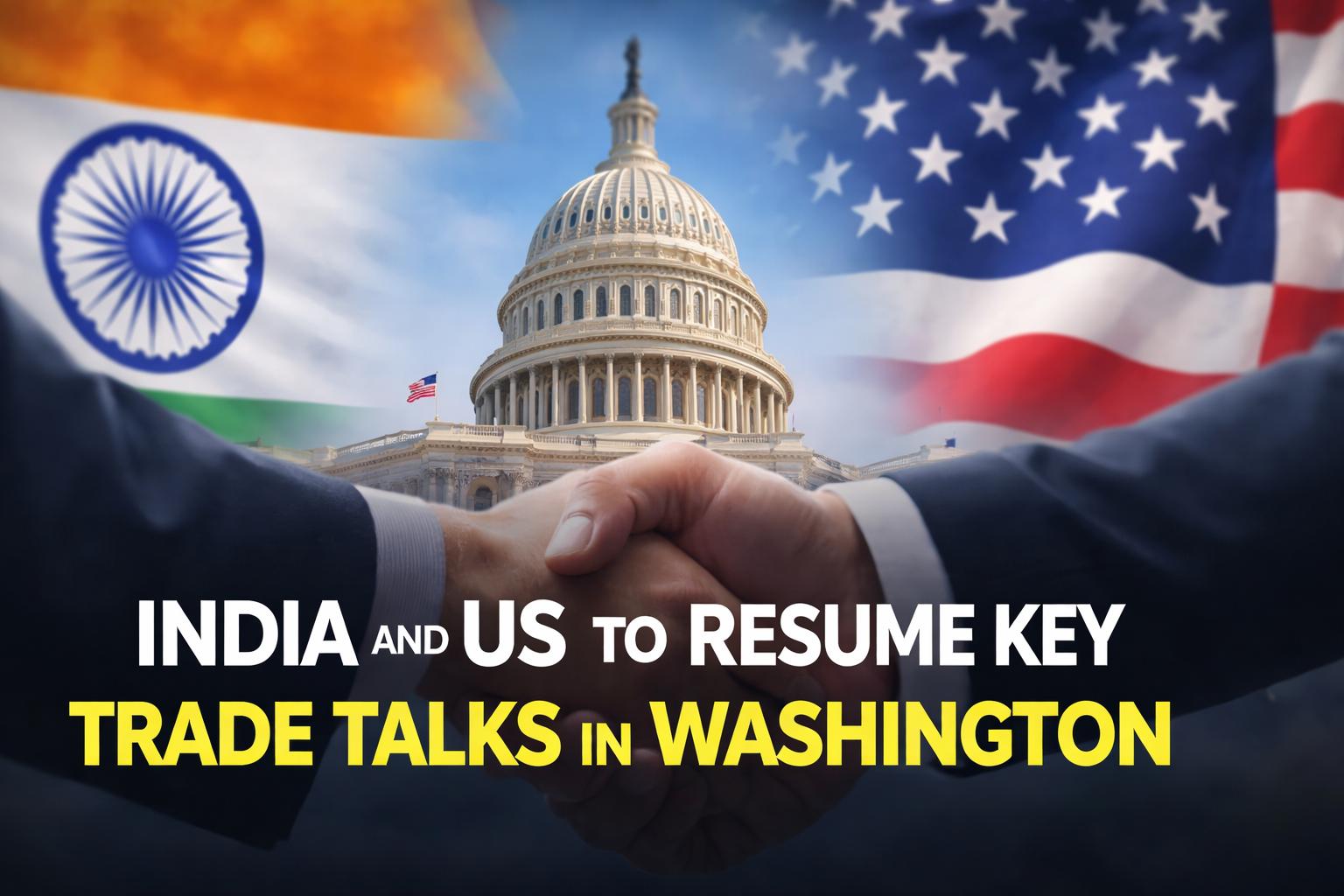
A broad range of American goods, including wines, spirits, dry fruits, technology products and select industrial items, are set to enter the Indian market at zero or reduced import duties under the first phase of a new trade pact between India and the United States. The move is expected to lower retail prices for consumers, expand market access for businesses and strengthen bilateral trade ties between the two economies. Officials from both countries confirmed that they have finalised the framework for the initial phase of a bilateral trade agreement aimed at cutting tariffs and easing barriers that have historically slowed cross-border commerce. The framework will now be converted into a legally binding agreement, with signing expected by mid-March. Duty concessions are likely to come into effect immediately upon implementation, while some reductions will be introduced in stages. Under the arrangement, India will eliminate or reduce tariffs on several categories of US industrial and agricultural goods. These include dried distillers’ grains, red sorghum used for animal feed, soybean oil, fresh and processed fruits, and a variety of tree nuts. Almonds, walnuts, pistachios and certain lentils are among the products that will benefit from lower import duties. Alcoholic beverages such as wine and spirits are also expected to become more competitively priced in the Indian market as tariffs decline. The concessions extend beyond food and farm products. High-end cars and motorcycles, along with aircraft, semiconductor components and specialised machinery, will receive duty benefits. Medical and healthcare products, including select medicines for neurological, cardiac and diabetes treatment, as well as medical devices, diagnostic reagents, pacemakers, imaging equipment, hearing aids and artificial joints, are also covered under the pact. Both sides have agreed to address non-tariff barriers that affect trade flows. India has committed to easing restrictions that have delayed market access for US medical devices and to simplifying import licensing procedures for information and communication technology goods. These products are considered essential for India’s expanding data centres and industrial infrastructure. At the same time, New Delhi said it will adopt a calibrated approach to protect domestic producers, including small and medium enterprises and farmers. Minimum import prices on certain products, such as apples, have been fixed to safeguard local interests. In return, a wide basket of Indian exports will gain duty-free or preferential access to the US market. Spices, tea, coffee, coconut-based products, cashews, fruits such as mangoes, bananas, guavas and pineapples, along with bakery goods, cocoa products, seeds, vegetable planting material and processed foods, are among the items set to attract zero reciprocal tariffs. Officials said the measures could provide a significant boost to India’s agriculture and food processing sectors. Trade experts view the agreement as a step toward deeper economic integration between the two countries, with the potential to diversify supply chains and stimulate two-way investment. By reducing tariff and non-tariff barriers, the pact is expected to increase trade volumes, enhance competitiveness and create new opportunities for exporters and consumers on both sides.
India–US trade pact to cut tariffs on food, wine, tech and vehicles
A broad range of American goods, including wines, spirits, dry fruits, technology products and select industrial items, are set to enter the Indian market at zero or reduced import duties under the first phase of a new trade pact between India and the United States. The move is expected to lower retail prices for consumers, expand market access for businesses and strengthen bilateral trade ties between the two economies. Officials from both countries confirmed that they have finalised the framework for the initial phase of a bilateral trade agreement aimed at cutting tariffs and easing barriers that have historically slowed cross-border commerce. The framework will now be converted into a legally binding agreement, with signing expected by mid-March. Duty concessions are likely to come into effect immediately upon implementation, while some reductions will be introduced in stages. Under the arrangement, India will eliminate or reduce tariffs on several categories of US industrial and agricultural goods. These include dried distillers’ grains, red sorghum used for animal feed, soybean oil, fresh and processed fruits, and a variety of tree nuts. Almonds, walnuts, pistachios and certain lentils are among the products that will benefit from lower import duties. Alcoholic beverages such as wine and spirits are also expected to become more competitively priced in the Indian market as tariffs decline. The concessions extend beyond food and farm products. High-end cars and motorcycles, along with aircraft, semiconductor components and specialised machinery, will receive duty benefits. Medical and healthcare products, including select medicines for neurological, cardiac and diabetes treatment, as well as medical devices, diagnostic reagents, pacemakers, imaging equipment, hearing aids and artificial joints, are also covered under the pact. Both sides have agreed to address non-tariff barriers that affect trade flows. India has committed to easing restrictions that have delayed market access for US medical devices and to simplifying import licensing procedures for information and communication technology goods. These products are considered essential for India’s expanding data centres and industrial infrastructure. At the same time, New Delhi said it will adopt a calibrated approach to protect domestic producers, including small and medium enterprises and farmers. Minimum import prices on certain products, such as apples, have been fixed to safeguard local interests. In return, a wide basket of Indian exports will gain duty-free or preferential access to the US market. Spices, tea, coffee, coconut-based products, cashews, fruits such as mangoes, bananas, guavas and pineapples, along with bakery goods, cocoa products, seeds, vegetable planting material and processed foods, are among the items set to attract zero reciprocal tariffs. Officials said the measures could provide a significant boost to India’s agriculture and food processing sectors. Trade experts view the agreement as a step toward deeper economic integration between the two countries, with the potential to diversify supply chains and stimulate two-way investment. By reducing tariff and non-tariff barriers, the pact is expected to increase trade volumes, enhance competitiveness and create new opportunities for exporters and consumers on both sides.
PM Modi expresses gratitude to Trump after US cuts tariffs on Indian goods
Prime Minister Narendra Modi on Monday welcomed a significant reduction in tariffs on Indian exports to the United States following an announcement by US President Donald Trump that the two countries had reached a bilateral trade agreement aimed at lowering reciprocal duties. Under the new arrangement, tariffs on Made in India products entering the US market will be reduced to 18%, marking a notable shift in trade relations between the two major economies. The agreement also provide
PM Modi expresses gratitude to Trump after US cuts tariffs on Indian goods
Prime Minister Narendra Modi on Monday welcomed a significant reduction in tariffs on Indian exports to the United States following an announcement by US President Donald Trump that the two countries had reached a bilateral trade agreement aimed at lowering reciprocal duties. Under the new arrangement, tariffs on Made in India products entering the US market will be reduced to 18%, marking a notable shift in trade relations between the two major economies. The agreement also provide
US and India agree on trade deal as tariffs are cut and oil strategy shifts
In a significant development affecting global trade and energy policy, United States President Donald Trump announced a bilateral trade agreement with Indian Prime Minister Narendra Modi following a direct telephone conversation on Monday. According to an official post shared by the US Ambassador to India on social media, the leaders discussed a range of strategic and economic issues, culminating in an accord that reduces key economic barriers between the two countries. In his publi
US and India agree on trade deal as tariffs are cut and oil strategy shifts
In a significant development affecting global trade and energy policy, United States President Donald Trump announced a bilateral trade agreement with Indian Prime Minister Narendra Modi following a direct telephone conversation on Monday. According to an official post shared by the US Ambassador to India on social media, the leaders discussed a range of strategic and economic issues, culminating in an accord that reduces key economic barriers between the two countries. In his publi
Trump threatens 50% tariffs on Canadian aircraft amid certification dispute
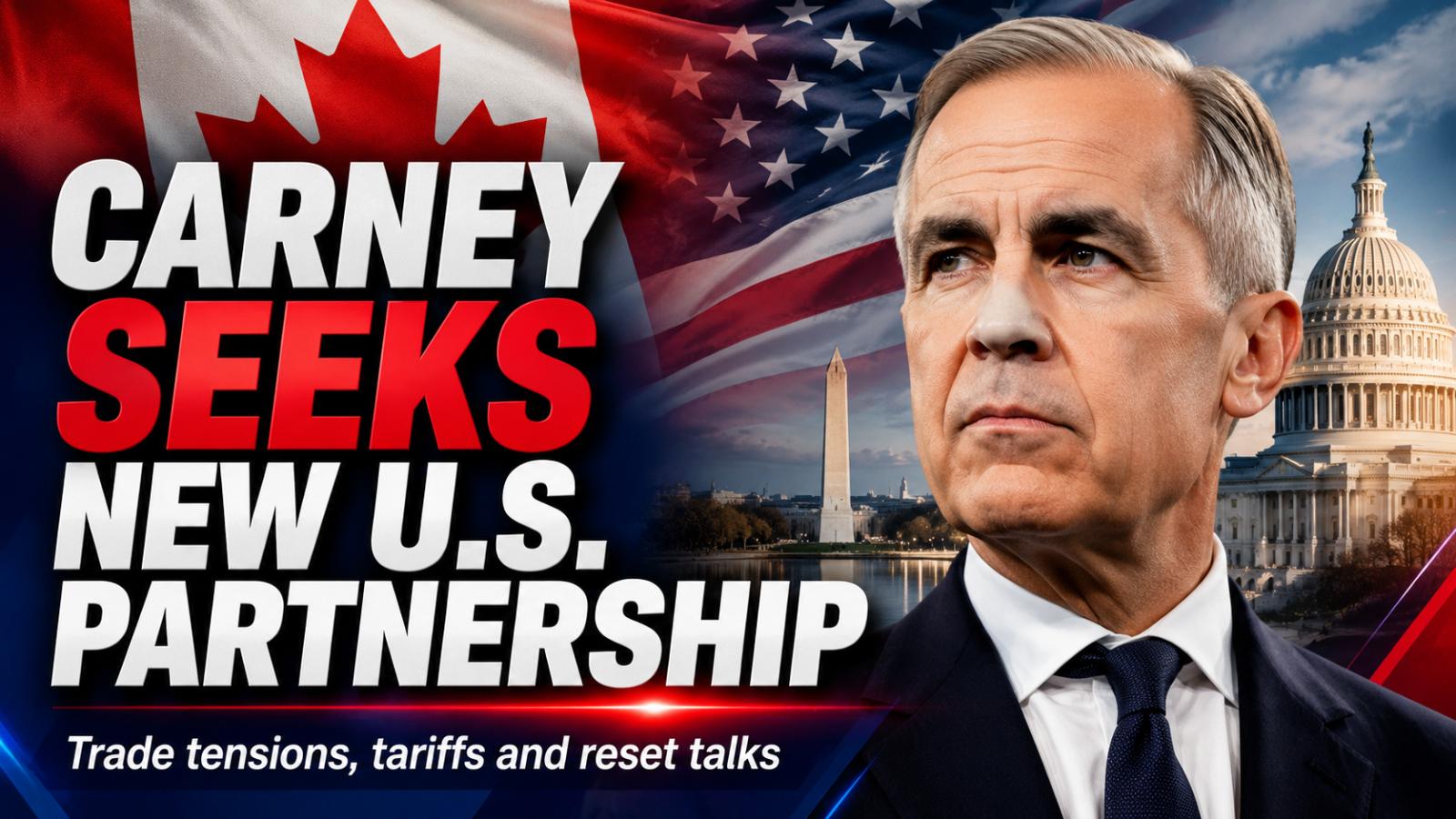
US President Donald Trump has intensified trade tensions with Canada by threatening to impose sweeping tariffs on Canadian-made aircraft, opening a new chapter in an already strained bilateral relationship. In a statement issued on Thursday, Trump said the United States could levy tariffs of up to 50 per cent on aircraft sold from Canada into the US market, citing what he described as Canada’s refusal to certify American-made business jets. The president also announced plans to decertify all aircraft manufactured in Canada for use in the United States, a move he said would remain in effect until Canadian regulators approve a series of jets produced by Gulfstream Aerospace. The warning was delivered through a post on Truth Social, where Trump accused Canadian authorities of erecting regulatory barriers that unfairly block American products. In his remarks, Trump singled out the Bombardier Global Express business jet, which is manufactured in Quebec, arguing that Ottawa has benefited from access to the US market while allegedly denying similar treatment to American manufacturers. He claimed Canada had “wrongfully and illegally” refused to certify the Gulfstream 500, 600, 700, and 800 models, which he described as among the most advanced aircraft in the world. According to Trump, the lack of certification effectively prevents Gulfstream from selling its jets in Canada. Trump warned that unless the situation is resolved immediately, the United States would move forward with punitive tariffs on all aircraft imported from Canada. He framed the threat as a matter of fairness and reciprocity, asserting that American companies should not face obstacles abroad while foreign competitors enjoy broad access to the US market. The aircraft dispute is the latest flashpoint in a broader deterioration of relations between the United States and Canada since Trump returned to office last year. Political and economic friction between the two long-time allies has grown steadily, with trade policy emerging as a central source of conflict. Earlier the same day as Trump’s comments, Canadian Prime Minister Mark Carney publicly urged Washington to respect Canadian sovereignty, following reports of contacts between US officials and Alberta separatist groups. Trade tensions have also been fueled by Canada’s recent diplomatic engagement with China. Trump has repeatedly warned Ottawa against deepening economic ties with Beijing, arguing that such moves could undermine US interests. He has threatened to impose tariffs as high as 100 per cent on Canadian goods if Canada proceeds with a trade agreement with China, a warning he reiterated over the weekend. In a series of earlier social media posts, Trump mocked Carney by referring to him as “Governor” and cautioned that Canada should not act as a conduit for Chinese goods entering the US market. He claimed that closer ties with Beijing would leave Canada economically vulnerable and pledged swift retaliation if such an agreement were finalized. The remarks came shortly after Carney visited Beijing, marking the first visit by a Canadian leader to China in nearly a decade. The escalating rhetoric underscores the growing uncertainty surrounding North American trade and the aerospace sector in particular. With aircraft manufacturing representing a significant industry for both countries, analysts say prolonged disputes over certification and tariffs could have far-reaching economic consequences. For now, the standoff highlights how regulatory disagreements and geopolitical concerns are increasingly shaping trade relations between Washington and Ottawa.
Trump threatens 50% tariffs on Canadian aircraft amid certification dispute
US President Donald Trump has intensified trade tensions with Canada by threatening to impose sweeping tariffs on Canadian-made aircraft, opening a new chapter in an already strained bilateral relationship. In a statement issued on Thursday, Trump said the United States could levy tariffs of up to 50 per cent on aircraft sold from Canada into the US market, citing what he described as Canada’s refusal to certify American-made business jets. The president also announced plans to decertify all aircraft manufactured in Canada for use in the United States, a move he said would remain in effect until Canadian regulators approve a series of jets produced by Gulfstream Aerospace. The warning was delivered through a post on Truth Social, where Trump accused Canadian authorities of erecting regulatory barriers that unfairly block American products. In his remarks, Trump singled out the Bombardier Global Express business jet, which is manufactured in Quebec, arguing that Ottawa has benefited from access to the US market while allegedly denying similar treatment to American manufacturers. He claimed Canada had “wrongfully and illegally” refused to certify the Gulfstream 500, 600, 700, and 800 models, which he described as among the most advanced aircraft in the world. According to Trump, the lack of certification effectively prevents Gulfstream from selling its jets in Canada. Trump warned that unless the situation is resolved immediately, the United States would move forward with punitive tariffs on all aircraft imported from Canada. He framed the threat as a matter of fairness and reciprocity, asserting that American companies should not face obstacles abroad while foreign competitors enjoy broad access to the US market. The aircraft dispute is the latest flashpoint in a broader deterioration of relations between the United States and Canada since Trump returned to office last year. Political and economic friction between the two long-time allies has grown steadily, with trade policy emerging as a central source of conflict. Earlier the same day as Trump’s comments, Canadian Prime Minister Mark Carney publicly urged Washington to respect Canadian sovereignty, following reports of contacts between US officials and Alberta separatist groups. Trade tensions have also been fueled by Canada’s recent diplomatic engagement with China. Trump has repeatedly warned Ottawa against deepening economic ties with Beijing, arguing that such moves could undermine US interests. He has threatened to impose tariffs as high as 100 per cent on Canadian goods if Canada proceeds with a trade agreement with China, a warning he reiterated over the weekend. In a series of earlier social media posts, Trump mocked Carney by referring to him as “Governor” and cautioned that Canada should not act as a conduit for Chinese goods entering the US market. He claimed that closer ties with Beijing would leave Canada economically vulnerable and pledged swift retaliation if such an agreement were finalized. The remarks came shortly after Carney visited Beijing, marking the first visit by a Canadian leader to China in nearly a decade. The escalating rhetoric underscores the growing uncertainty surrounding North American trade and the aerospace sector in particular. With aircraft manufacturing representing a significant industry for both countries, analysts say prolonged disputes over certification and tariffs could have far-reaching economic consequences. For now, the standoff highlights how regulatory disagreements and geopolitical concerns are increasingly shaping trade relations between Washington and Ottawa.
European Parliament halts EU-US trade deal talks amid Trump tariff and Greenland threats
The European Parliament has suspended its work on a proposed trade agreement between the European Union and the United States, citing escalating political pressure from US President
European Parliament halts EU-US trade deal talks amid Trump tariff and Greenland threats
The European Parliament has suspended its work on a proposed trade agreement between the European Union and the United States, citing escalating political pressure from US President
US president escalates Greenland claims amid tensions with Denmark and Europe
US President Donald Trump on Saturday intensified his long-standing interest in acquiring Greenland, issuing sharp warnings to several European nations and announcing planned tariffs against countries opposing his proposal. The remarks marked a significant escalation in rhetoric surrounding the strategic Arctic territory and introduced new strains into already delicate transatlantic relations. In a series of public statements, Trump accused Denmark and multiple European countries, i
US president escalates Greenland claims amid tensions with Denmark and Europe
US President Donald Trump on Saturday intensified his long-standing interest in acquiring Greenland, issuing sharp warnings to several European nations and announcing planned tariffs against countries opposing his proposal. The remarks marked a significant escalation in rhetoric surrounding the strategic Arctic territory and introduced new strains into already delicate transatlantic relations. In a series of public statements, Trump accused Denmark and multiple European countries, i
China and Canada cut tariffs and signal reset in bilateral relations after Beijing talks
China and Canada have announced a significant reduction in tariffs and signalled a broader reset in their bilateral relationship following high-level talks in Beijing, marking a notable shift after years of strained diplomatic and trade ties. The agreement was confirmed after a meeting on Friday between Chinese President Xi Jinping and Canadian Prime Minister Mark Carney, the first Canadian leader to visit China in nearly a decade. Under the deal, China is expected to reduce tariffs on Canad
China and Canada cut tariffs and signal reset in bilateral relations after Beijing talks
China and Canada have announced a significant reduction in tariffs and signalled a broader reset in their bilateral relationship following high-level talks in Beijing, marking a notable shift after years of strained diplomatic and trade ties. The agreement was confirmed after a meeting on Friday between Chinese President Xi Jinping and Canadian Prime Minister Mark Carney, the first Canadian leader to visit China in nearly a decade. Under the deal, China is expected to reduce tariffs on Canad
Supreme Court delays ruling on Trump-era tariffs, leaving markets in limbo
The Supreme Court did not issue a decision Friday on the legality of broad tariffs imposed during President Donald Trump’s administration, extending uncertainty for financial markets and trade policy observers who have been closely watching the case for its potential economic and fiscal implications. Expectations had grown that the ruling might be released before the end of the week, but the court issued only a single opinion on Friday, unrelated to tariffs or trade authority. The
Supreme Court delays ruling on Trump-era tariffs, leaving markets in limbo
The Supreme Court did not issue a decision Friday on the legality of broad tariffs imposed during President Donald Trump’s administration, extending uncertainty for financial markets and trade policy observers who have been closely watching the case for its potential economic and fiscal implications. Expectations had grown that the ruling might be released before the end of the week, but the court issued only a single opinion on Friday, unrelated to tariffs or trade authority. The
Trump claims India cut Russian oil imports after US imposed 50% tariffs
US President Donald Trump on Sunday, January 4, claimed that India has significantly reduced its purchases of Russian oil following the imposition of steep tariffs on Indian goods by Washington. Speaking aboard Air Force One, Trump said his administration’s decision to levy a 50 percent tariff had prompted a response from New Delhi, while also warning that the United States could escalate trade penalties further if necessary. Trump asserted that India’s leadership acted in respo
Trump claims India cut Russian oil imports after US imposed 50% tariffs
US President Donald Trump on Sunday, January 4, claimed that India has significantly reduced its purchases of Russian oil following the imposition of steep tariffs on Indian goods by Washington. Speaking aboard Air Force One, Trump said his administration’s decision to levy a 50 percent tariff had prompted a response from New Delhi, while also warning that the United States could escalate trade penalties further if necessary. Trump asserted that India’s leadership acted in respo
US may impose 500% tariffs on countries buying Russian oil under new bill
The United States is preparing a major escalation in its economic pressure campaign against Russia, with President Donald Trump announcing that he supports Senate legislation enabling Washington to impose tariffs of up to 500 percent on countries that continue significant trade with Moscow. The measure represents one of the most aggressive attempts yet to curtail Russian war funding and signals growing frustration in Washington over the prolonged conflict in Ukraine. Speaking before
US may impose 500% tariffs on countries buying Russian oil under new bill
The United States is preparing a major escalation in its economic pressure campaign against Russia, with President Donald Trump announcing that he supports Senate legislation enabling Washington to impose tariffs of up to 500 percent on countries that continue significant trade with Moscow. The measure represents one of the most aggressive attempts yet to curtail Russian war funding and signals growing frustration in Washington over the prolonged conflict in Ukraine. Speaking before
Trump moves to ease grocery costs with food tariff exemptions
US President Donald Trump has issued an executive order removing import tariffs on a broad selection of food products in an effort to curb rising grocery costs and ease pressure on consumers. The decision marks one of the most significant adjustments to his trade policy since tariffs were introduced as a central feature of his economic agenda. The order comes at a moment when Americans have voiced growing frustration over inflation, particularly food prices, following last we
Trump moves to ease grocery costs with food tariff exemptions
US President Donald Trump has issued an executive order removing import tariffs on a broad selection of food products in an effort to curb rising grocery costs and ease pressure on consumers. The decision marks one of the most significant adjustments to his trade policy since tariffs were introduced as a central feature of his economic agenda. The order comes at a moment when Americans have voiced growing frustration over inflation, particularly food prices, following last we
Modi’s Bihar victory boosts prospects for India–US trade deal on farm concessions
Prime Minister Narendra Modi’s party is positioned to advance crucial trade negotiations with the United States after securing a decisive electoral victory in Bihar, a development that analysts say could provide New Delhi with the political space needed to offer farm-related concessions long sought by Washington. The National Democratic Alliance, led by the Bharatiya Janata Party, appeared headed for an overwhelming win as early trends from the Election Commission showed the coalition leadi
Modi’s Bihar victory boosts prospects for India–US trade deal on farm concessions
Prime Minister Narendra Modi’s party is positioned to advance crucial trade negotiations with the United States after securing a decisive electoral victory in Bihar, a development that analysts say could provide New Delhi with the political space needed to offer farm-related concessions long sought by Washington. The National Democratic Alliance, led by the Bharatiya Janata Party, appeared headed for an overwhelming win as early trends from the Election Commission showed the coalition leadi
White House confirms Trump-Modi communication amid India-US trade strain
The White House has confirmed that United States President Donald Trump and Indian Prime Minister Narendra Modi continue to engage in regular communication, with trade officials from both countries involved in what have been described as “very serious discussions.” The statement comes amid rising diplomatic and economic tensions between the two nations following Washington’s recent decision to impose a 50 percent tariff on select Indian imports, a move that has strained one of the world
White House confirms Trump-Modi communication amid India-US trade strain
The White House has confirmed that United States President Donald Trump and Indian Prime Minister Narendra Modi continue to engage in regular communication, with trade officials from both countries involved in what have been described as “very serious discussions.” The statement comes amid rising diplomatic and economic tensions between the two nations following Washington’s recent decision to impose a 50 percent tariff on select Indian imports, a move that has strained one of the world
China suspends extra US tariffs for one year after Xi-Trump meeting
In a major development for global trade, China has announced that it will suspend an additional 24 percent tariff on United States goods for a period of one year, while maintaining a 10 percent levy on imports from the US. The announcement, made by the State Council Tariff Commission, signals a cautious step by Beijing toward easing long-standing trade tensions with Washington. The suspension is effective immediately and will remain in place for twelve months. The decision follows a
China suspends extra US tariffs for one year after Xi-Trump meeting
In a major development for global trade, China has announced that it will suspend an additional 24 percent tariff on United States goods for a period of one year, while maintaining a 10 percent levy on imports from the US. The announcement, made by the State Council Tariff Commission, signals a cautious step by Beijing toward easing long-standing trade tensions with Washington. The suspension is effective immediately and will remain in place for twelve months. The decision follows a
Trump and Xi conclude Busan meeting with signs of US-China trade thaw
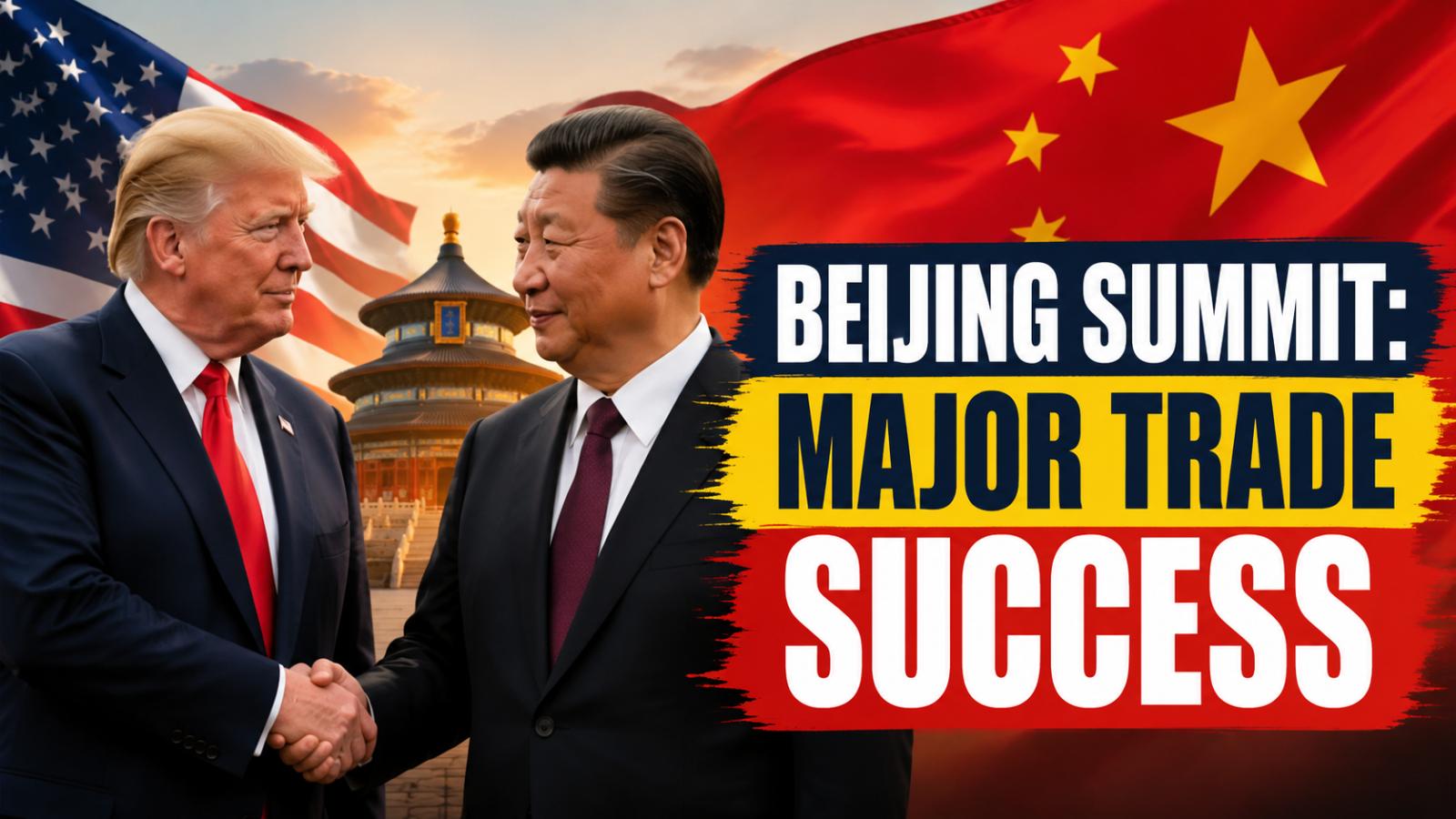
The high-stakes meeting between United States President Donald Trump and Chinese President Xi Jinping in Busan, South Korea, concluded after nearly one hour and forty minutes on Thursday, lasting longer than initially scheduled. The session, held on the sidelines of the Asia-Pacific Economic Cooperation (APEC) summit, was seen as a pivotal effort to reduce escalating tensions that have rattled global markets for months. Both leaders are believed to have sought a pathway to prevent further det
Trump and Xi conclude Busan meeting with signs of US-China trade thaw
The high-stakes meeting between United States President Donald Trump and Chinese President Xi Jinping in Busan, South Korea, concluded after nearly one hour and forty minutes on Thursday, lasting longer than initially scheduled. The session, held on the sidelines of the Asia-Pacific Economic Cooperation (APEC) summit, was seen as a pivotal effort to reduce escalating tensions that have rattled global markets for months. Both leaders are believed to have sought a pathway to prevent further det
Carter’s to close 150 stores and cut 15% of workforce amid rising tariffs
WASHINGTON — Carter’s, one of the most recognizable baby and children’s clothing retailers in the United States, has announced plans to close 150 stores and reduce its workforce by 15% as rising tariffs continue to pressure company finances. The Atlanta-based company outlined its restructuring strategy in its latest earnings report released Monday, citing significant cost increases tied to ongoing trade policies. The retailer said higher tariffs have had a substantial impact o
Carter’s to close 150 stores and cut 15% of workforce amid rising tariffs
WASHINGTON — Carter’s, one of the most recognizable baby and children’s clothing retailers in the United States, has announced plans to close 150 stores and reduce its workforce by 15% as rising tariffs continue to pressure company finances. The Atlanta-based company outlined its restructuring strategy in its latest earnings report released Monday, citing significant cost increases tied to ongoing trade policies. The retailer said higher tariffs have had a substantial impact o
Donald Trump defends tariff policy, claims U.S. economy is thriving
United States President Donald Trump has once again defended his administration’s tariff policies, claiming that the strategy has played a major role in strengthening the U.S. economy and boosting the stock market. Since returning to office for his second term, Trump has emphasized a renewed focus on economic nationalism, arguing that countries trading with the United States must pay tariffs determined by the government to protect American interests. In his latest remarks, Trump a
Donald Trump defends tariff policy, claims U.S. economy is thriving
United States President Donald Trump has once again defended his administration’s tariff policies, claiming that the strategy has played a major role in strengthening the U.S. economy and boosting the stock market. Since returning to office for his second term, Trump has emphasized a renewed focus on economic nationalism, arguing that countries trading with the United States must pay tariffs determined by the government to protect American interests. In his latest remarks, Trump a