#abbasaraghchi
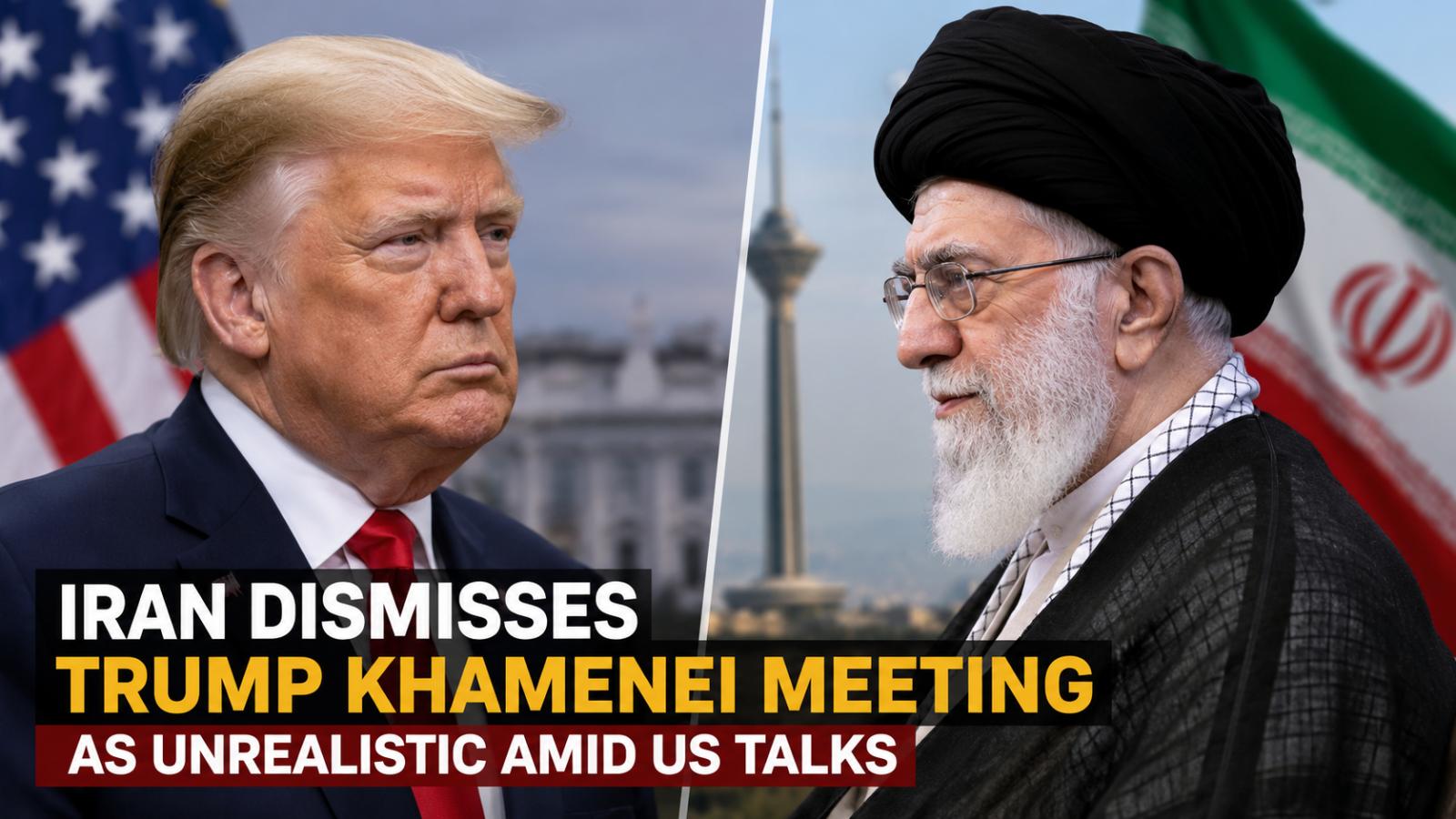
Iran Dismisses Trump Khamenei Meeting as Unrealistic Amid US Talks
Iranian Foreign Minister Abbas Araghchi has dismissed the idea of a future Trump Khamenei meeting, saying expectations of such a high-level encounter are not realistic under current conditions. The remarks came after U.S. President Donald Trump said he would like to meet Iran’s Supreme Leader, Mojtaba Khamenei, if ongoing contacts between Washington and Tehran lead to progress. Iran Pushes Back on Trump Khamenei Meeting Speaking in an intervi
Iran Dismisses Trump Khamenei Meeting as Unrealistic Amid US Talks
Iranian Foreign Minister Abbas Araghchi has dismissed the idea of a future Trump Khamenei meeting, saying expectations of such a high-level encounter are not realistic under current conditions. The remarks came after U.S. President Donald Trump said he would like to meet Iran’s Supreme Leader, Mojtaba Khamenei, if ongoing contacts between Washington and Tehran lead to progress. Iran Pushes Back on Trump Khamenei Meeting Speaking in an intervi
US-Iran Negotiations Progress as Trump Hints Weekend Agreement
Trump Signals Potential Iran Deal US President Donald Trump expressed optimism on June 3 regarding ongoing negotiations with Iran, despite renewed military tensions across West Asia. Speaking to reporters, Trump noted that discussions with Tehran were progressing positively, stating a potential agreement could emerge over the weekend. He emphasized keeping these negotiations distinct from efforts to resolve
US-Iran Negotiations Progress as Trump Hints Weekend Agreement
Trump Signals Potential Iran Deal US President Donald Trump expressed optimism on June 3 regarding ongoing negotiations with Iran, despite renewed military tensions across West Asia. Speaking to reporters, Trump noted that discussions with Tehran were progressing positively, stating a potential agreement could emerge over the weekend. He emphasized keeping these negotiations distinct from efforts to resolve
India, Iran discuss ceasefire stability and Strait of Hormuz security
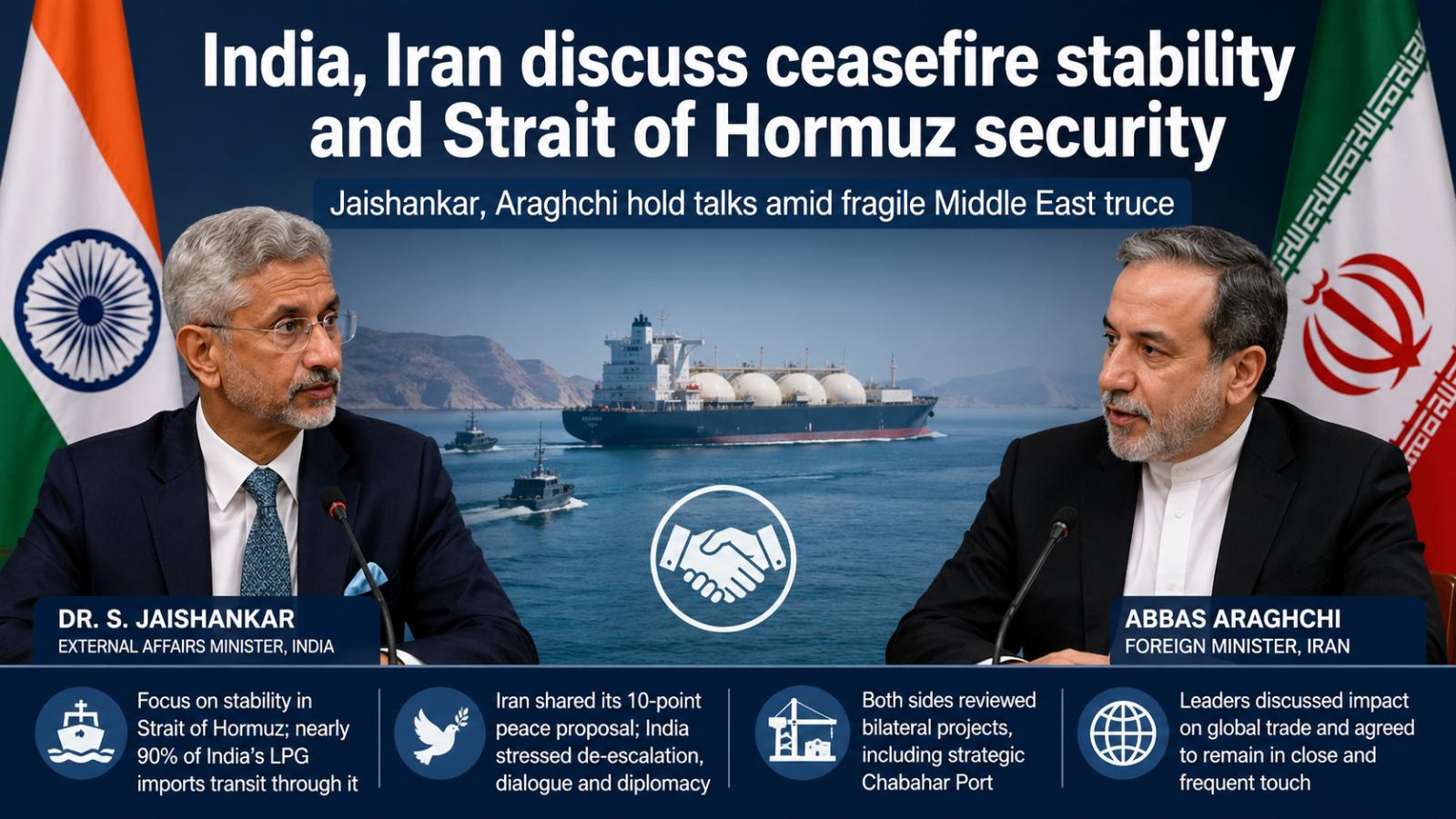
India and Iran held talks on April 29, 2026, on ceasefire stability, Strait of Hormuz security, and trade impact. Both stressed diplomacy and continued coordination as regional tensions remain high despite the fragile truce. India, Iran discuss ceasefire stability and Strait of Hormuz security as External Affairs Minister Dr. S. Jaishankar and Iranian Foreign Minister Abbas Araghchi held talks on Wednesday, April 29, 2026, focusing on the evolving security situation in Tehran and across the region. The discussion comes at a critical moment as the international community monitors a fragile two-week ceasefire involving Iran and a U.S.-Israel coalition, brokered earlier in April. According to an official statement, both leaders exchanged views on recent developments related to the ceasefire while also reviewing bilateral relations and broader regional security concerns. A central issue in the dialogue was the stability of the Strait of Hormuz, a key global shipping route through which nearly 90% of India’s liquefied petroleum gas imports pass, underscoring its economic significance for New Delhi. Officials familiar with the talks indicated that both sides emphasized the need to ensure uninterrupted freedom of navigation in the region. Iran reportedly shared updates on its proposed 10-point peace framework, while India reiterated its longstanding position that de-escalation, sustained dialogue, and diplomatic engagement remain essential to achieving lasting stability in West Asia. Beyond immediate security concerns, the ministers also reviewed ongoing bilateral initiatives, including the development of Chabahar Port. The project remains strategically important for India as it provides access to Central Asian markets, even as regional tensions pose logistical and security challenges. The conversation also addressed the broader impact of the conflict on global trade networks. Jaishankar highlighted concerns over prolonged instability, noting its disruptive effects on supply chains and economic activity. He emphasized that India continues to engage with multiple stakeholders in an effort to prevent escalation and support regional stability. The diplomatic exchange follows a period of heightened pressure from the administration of Donald Trump, which had issued strong warnings to Tehran over maritime disruptions. Although a ceasefire was implemented on Tuesday, April 8, 2026, tensions persist, with continued rhetoric from various factions raising concerns about its durability. As the ceasefire enters a sensitive phase, both ministers agreed to remain in close and frequent contact to monitor developments. For India, maintaining stability in the region is not only a strategic priority but also a critical economic necessity tied to energy security and trade continuity.
India, Iran discuss ceasefire stability and Strait of Hormuz security
India and Iran held talks on April 29, 2026, on ceasefire stability, Strait of Hormuz security, and trade impact. Both stressed diplomacy and continued coordination as regional tensions remain high despite the fragile truce. India, Iran discuss ceasefire stability and Strait of Hormuz security as External Affairs Minister Dr. S. Jaishankar and Iranian Foreign Minister Abbas Araghchi held talks on Wednesday, April 29, 2026, focusing on the evolving security situation in Tehran and across the region. The discussion comes at a critical moment as the international community monitors a fragile two-week ceasefire involving Iran and a U.S.-Israel coalition, brokered earlier in April. According to an official statement, both leaders exchanged views on recent developments related to the ceasefire while also reviewing bilateral relations and broader regional security concerns. A central issue in the dialogue was the stability of the Strait of Hormuz, a key global shipping route through which nearly 90% of India’s liquefied petroleum gas imports pass, underscoring its economic significance for New Delhi. Officials familiar with the talks indicated that both sides emphasized the need to ensure uninterrupted freedom of navigation in the region. Iran reportedly shared updates on its proposed 10-point peace framework, while India reiterated its longstanding position that de-escalation, sustained dialogue, and diplomatic engagement remain essential to achieving lasting stability in West Asia. Beyond immediate security concerns, the ministers also reviewed ongoing bilateral initiatives, including the development of Chabahar Port. The project remains strategically important for India as it provides access to Central Asian markets, even as regional tensions pose logistical and security challenges. The conversation also addressed the broader impact of the conflict on global trade networks. Jaishankar highlighted concerns over prolonged instability, noting its disruptive effects on supply chains and economic activity. He emphasized that India continues to engage with multiple stakeholders in an effort to prevent escalation and support regional stability. The diplomatic exchange follows a period of heightened pressure from the administration of Donald Trump, which had issued strong warnings to Tehran over maritime disruptions. Although a ceasefire was implemented on Tuesday, April 8, 2026, tensions persist, with continued rhetoric from various factions raising concerns about its durability. As the ceasefire enters a sensitive phase, both ministers agreed to remain in close and frequent contact to monitor developments. For India, maintaining stability in the region is not only a strategic priority but also a critical economic necessity tied to energy security and trade continuity.
How are Russia and Iran responding to regional tensions? Leaders reaffirm alliance
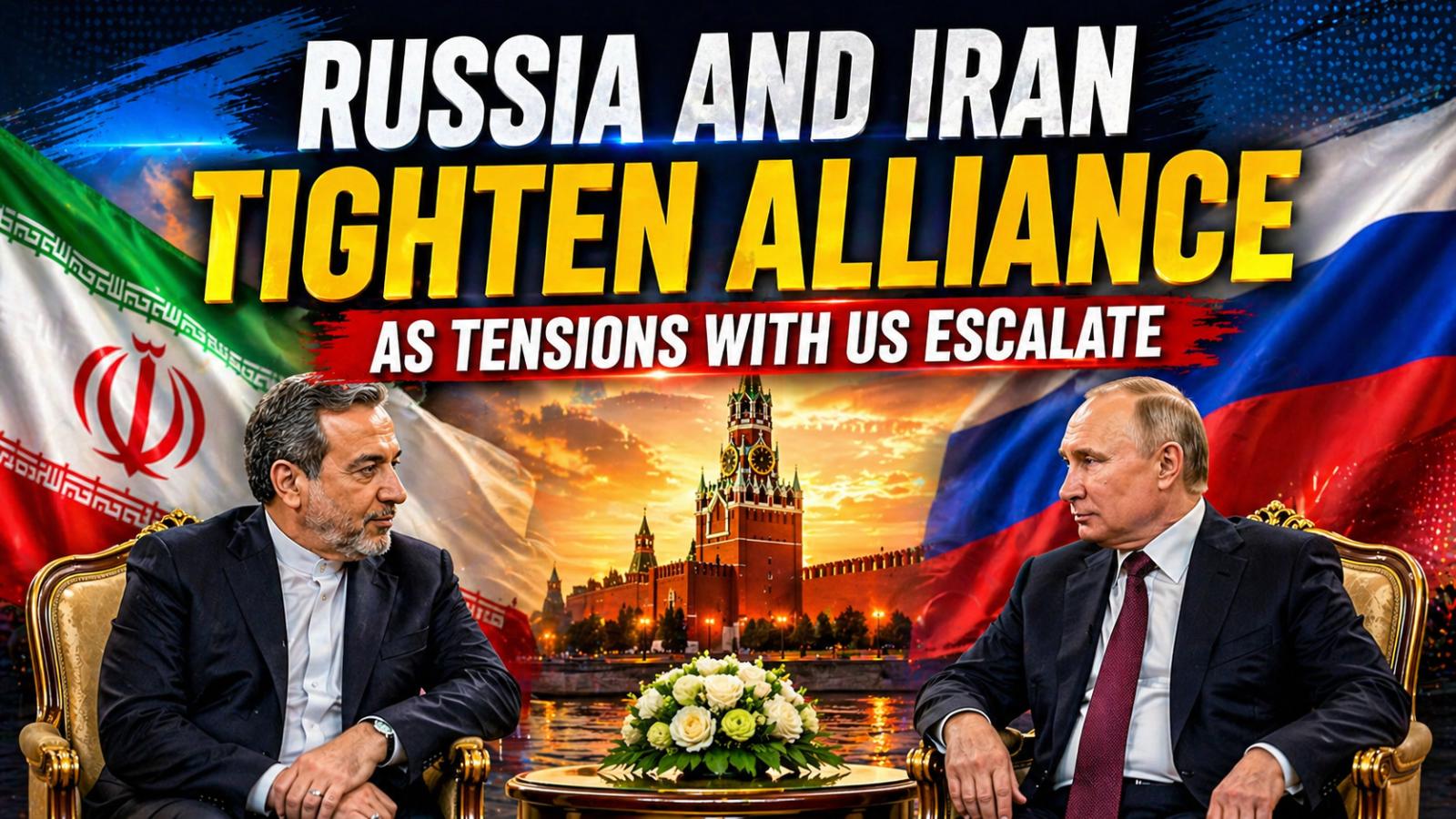
Vladimir Putin met Abbas Araghchi in Moscow on Monday, reaffirming Russia’s commitment to maintaining strong strategic relations with Iran amid escalating tensions in West Asia. During the meeting, Putin emphasized that Russia would continue to act in ways that serve the interests of Iran and the broader
How are Russia and Iran responding to regional tensions? Leaders reaffirm alliance
Vladimir Putin met Abbas Araghchi in Moscow on Monday, reaffirming Russia’s commitment to maintaining strong strategic relations with Iran amid escalating tensions in West Asia. During the meeting, Putin emphasized that Russia would continue to act in ways that serve the interests of Iran and the broader
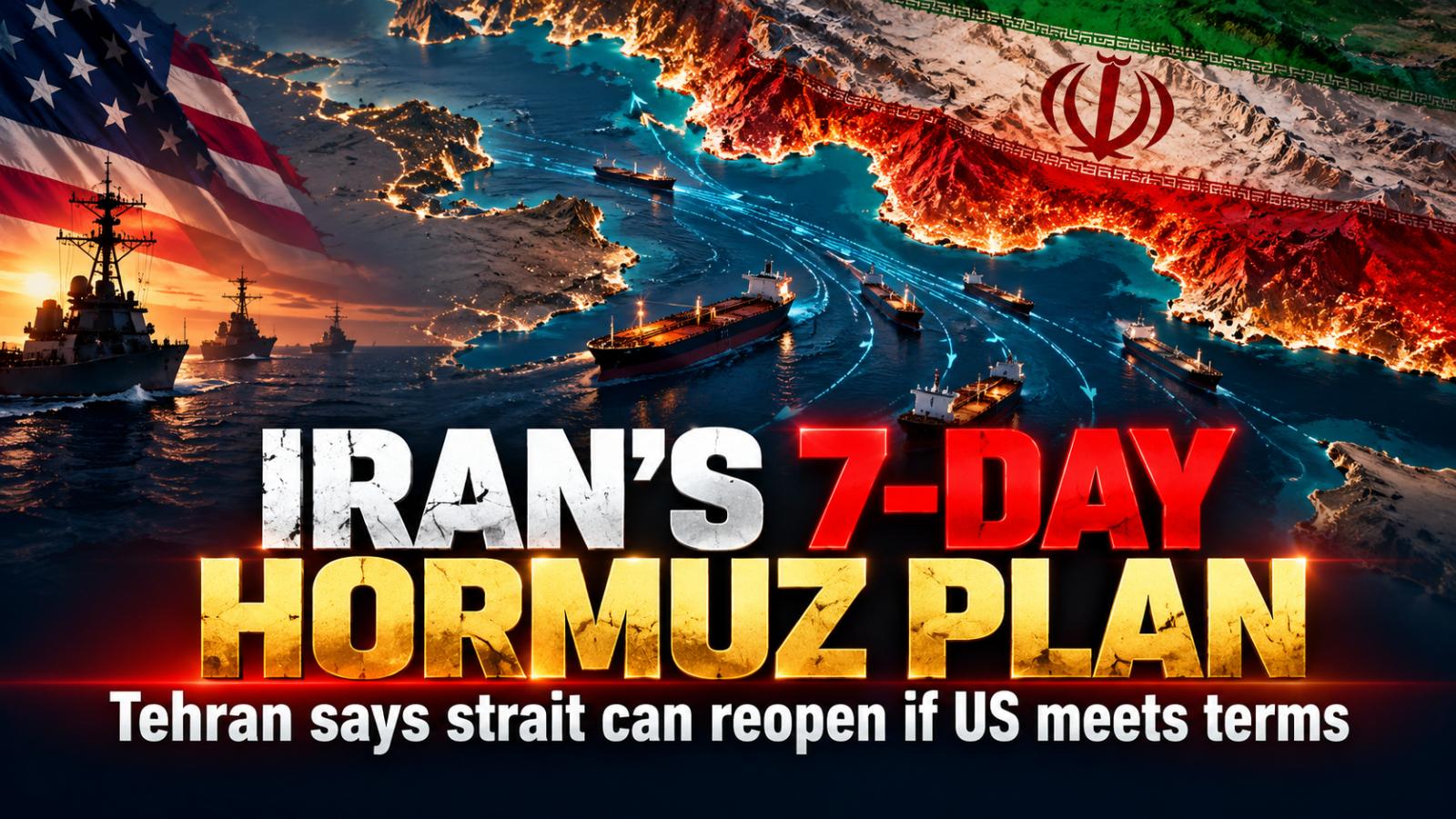
Iran Proposes Strait of Hormuz Deal While Delaying Nuclear Talks
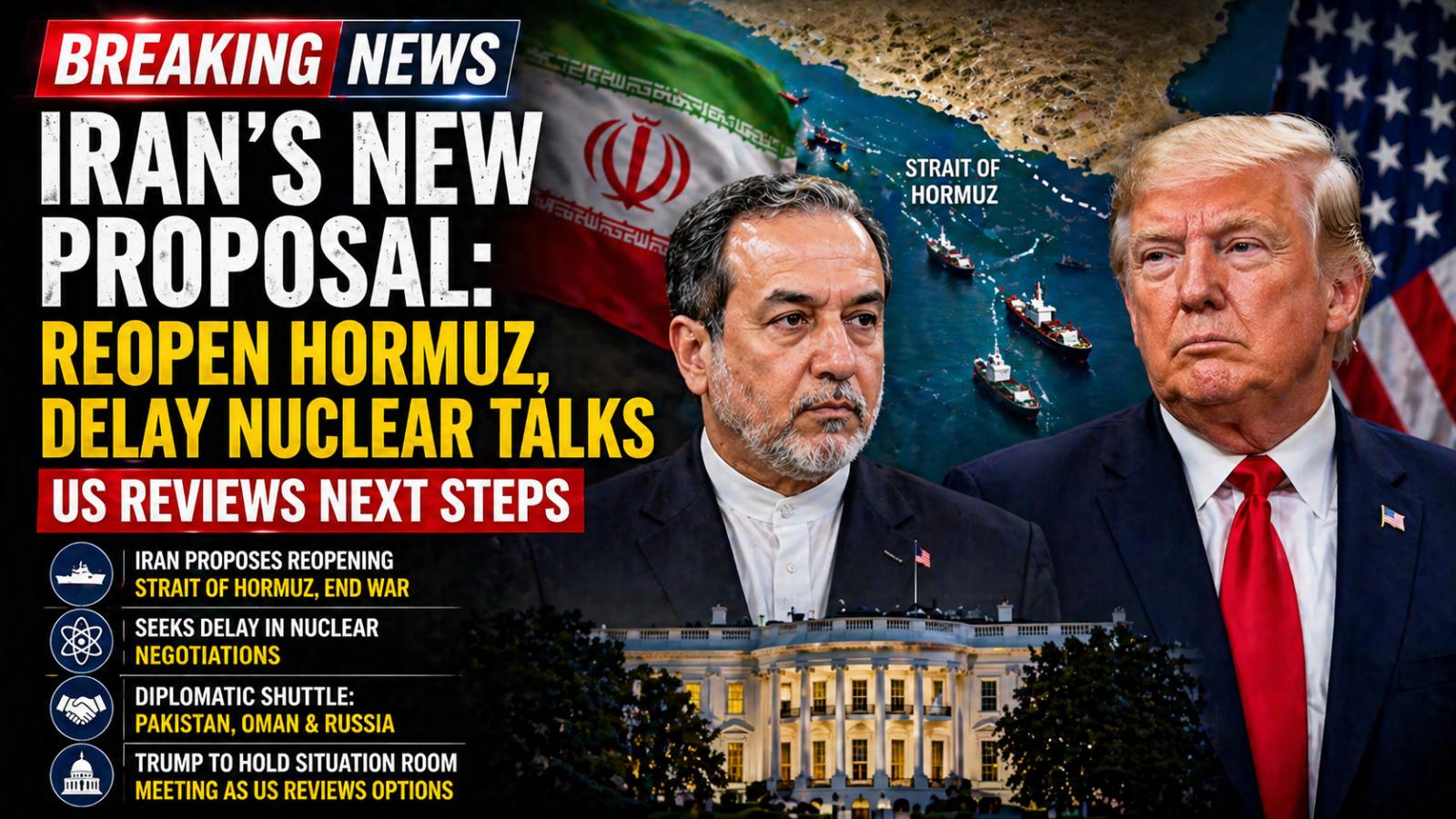
Iran has reportedly put forward a new proposal aimed at reopening the Strait of Hormuz and easing ongoing tensions, while suggesting that nuclear negotiations be postponed. The development comes as US officials review the offer, with President Donald Trump expected to meet with senior national security advisers to assess the situation and determine next steps. According to sources familiar with the discussions, the proposal was conveyed through intermediaries and focuses on de-escalation measures tied to maritime security and regional stability. However, Iranian officials have indicated that broader nuclear negotiations should be deferred until key issues, including economic restrictions and security concerns, are addressed. There has been no official confirmation from either side regarding the specifics of the proposal. The latest diplomatic activity follows a series of engagements by Abbas Araghchi, who recently traveled between Pakistan and Oman in an effort to facilitate dialogue. Iranian authorities emphasized that no direct meetings with US representatives were scheduled during his visit to Islamabad. Earlier, planned discussions involving US envoys were canceled, adding to the uncertainty surrounding the negotiation process. Tensions have been further complicated by differing expectations between Washington and Tehran. US officials have reiterated that any agreement must include strict limitations on Iran’s nuclear capabilities, including restrictions on enrichment activities. Iranian leaders, meanwhile, have maintained that negotiations cannot proceed under pressure, citing concerns over ongoing restrictions and security measures affecting the country. The situation remains fluid as diplomatic channels continue to operate through regional mediators. Iran’s leadership has also engaged with international partners, including Russia, as part of broader efforts to manage the crisis. While the proposal to reopen the Strait of Hormuz signals a potential pathway toward de-escalation, the delay in nuclear talks underscores the challenges that remain in reaching a comprehensive agreement.

Iran Proposes Strait of Hormuz Deal While Delaying Nuclear Talks
Iran has reportedly put forward a new proposal aimed at reopening the Strait of Hormuz and easing ongoing tensions, while suggesting that nuclear negotiations be postponed. The development comes as US officials review the offer, with President Donald Trump expected to meet with senior national security advisers to assess the situation and determine next steps. According to sources familiar with the discussions, the proposal was conveyed through intermediaries and focuses on de-escalation measures tied to maritime security and regional stability. However, Iranian officials have indicated that broader nuclear negotiations should be deferred until key issues, including economic restrictions and security concerns, are addressed. There has been no official confirmation from either side regarding the specifics of the proposal. The latest diplomatic activity follows a series of engagements by Abbas Araghchi, who recently traveled between Pakistan and Oman in an effort to facilitate dialogue. Iranian authorities emphasized that no direct meetings with US representatives were scheduled during his visit to Islamabad. Earlier, planned discussions involving US envoys were canceled, adding to the uncertainty surrounding the negotiation process. Tensions have been further complicated by differing expectations between Washington and Tehran. US officials have reiterated that any agreement must include strict limitations on Iran’s nuclear capabilities, including restrictions on enrichment activities. Iranian leaders, meanwhile, have maintained that negotiations cannot proceed under pressure, citing concerns over ongoing restrictions and security measures affecting the country. The situation remains fluid as diplomatic channels continue to operate through regional mediators. Iran’s leadership has also engaged with international partners, including Russia, as part of broader efforts to manage the crisis. While the proposal to reopen the Strait of Hormuz signals a potential pathway toward de-escalation, the delay in nuclear talks underscores the challenges that remain in reaching a comprehensive agreement.



Tehran Raises Doubts Over Pakistan Role in US-Iran Negotiations
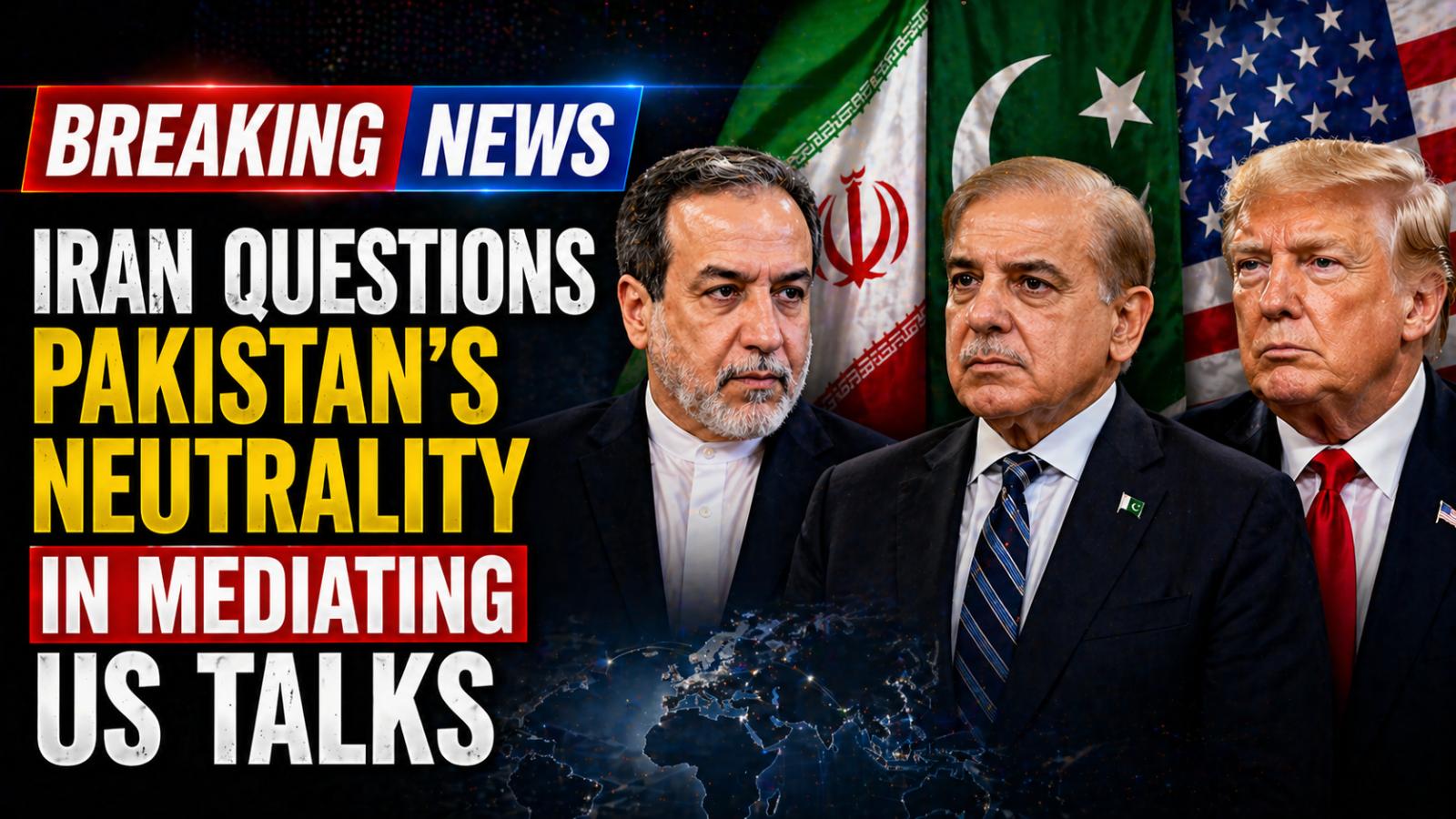
Iran has raised concerns about Pakistan’s role as a mediator in ongoing diplomatic efforts with the United States, with officials questioning Islamabad’s neutrality. Ebrahim Rezaei, spokesperson for Iran’s National Security and Foreign Policy Commission, said Pakistan lacks the credibility required to act as an impartial intermediary in sensitive negotiations. Rezaei argued that Paki
Tehran Raises Doubts Over Pakistan Role in US-Iran Negotiations
Iran has raised concerns about Pakistan’s role as a mediator in ongoing diplomatic efforts with the United States, with officials questioning Islamabad’s neutrality. Ebrahim Rezaei, spokesperson for Iran’s National Security and Foreign Policy Commission, said Pakistan lacks the credibility required to act as an impartial intermediary in sensitive negotiations. Rezaei argued that Paki
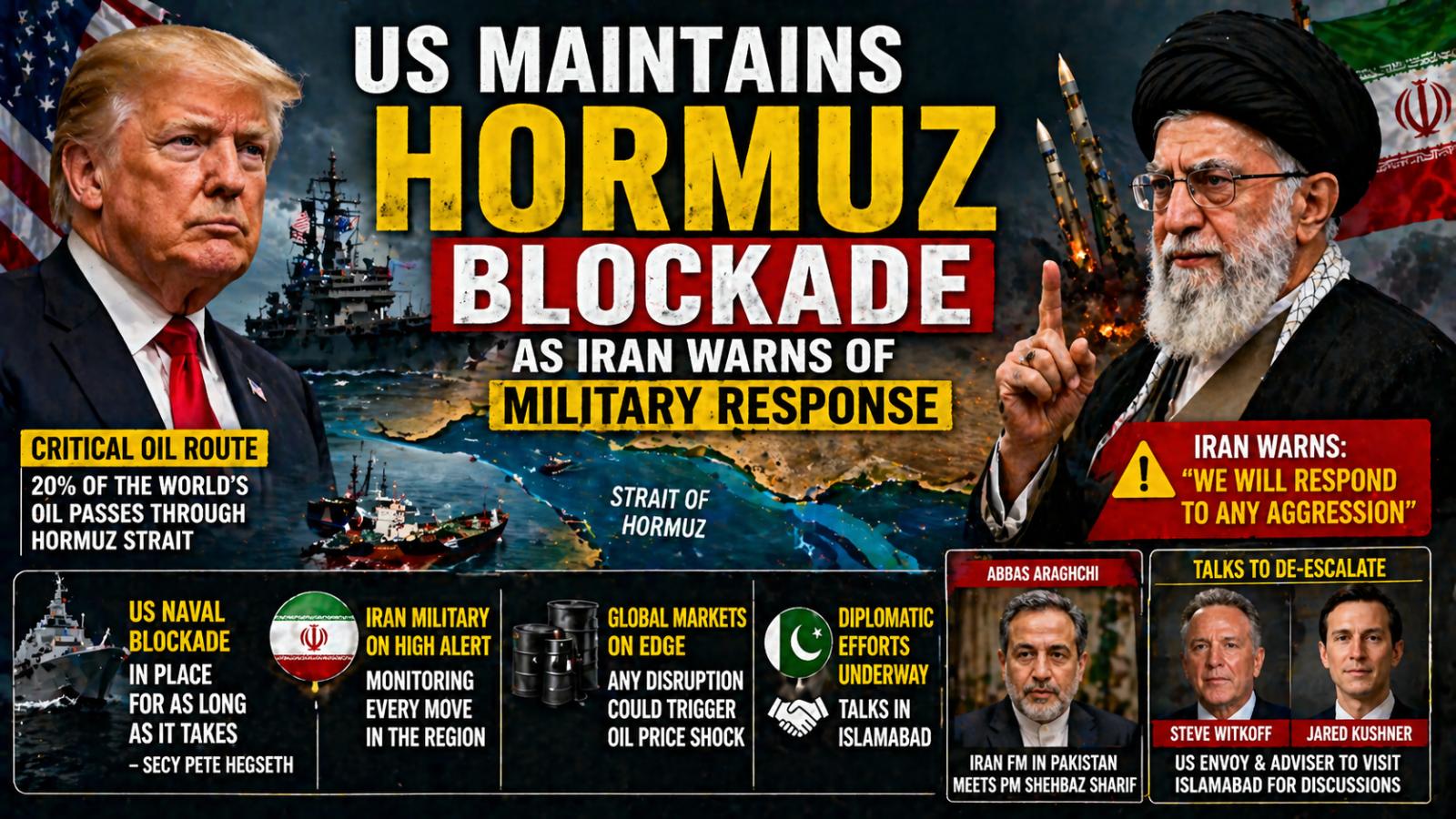
US maintains Hormuz blockade as Iran warns of military response
US maintains Hormuz blockade as Iran warns of retaliation, escalating tensions over a key global oil route while both sides pursue parallel diplomatic talks in Pakistan. US maintains Hormuz blockade as Iran warns of military response as tensions escalated on Saturday, April 25, 2026, when Iranian officials warned they would respond if U.S. naval actions targeting Iranian ports continue. The statement, issued through state-run media, described the U.S. presence in t
US maintains Hormuz blockade as Iran warns of military response
US maintains Hormuz blockade as Iran warns of retaliation, escalating tensions over a key global oil route while both sides pursue parallel diplomatic talks in Pakistan. US maintains Hormuz blockade as Iran warns of military response as tensions escalated on Saturday, April 25, 2026, when Iranian officials warned they would respond if U.S. naval actions targeting Iranian ports continue. The statement, issued through state-run media, described the U.S. presence in t
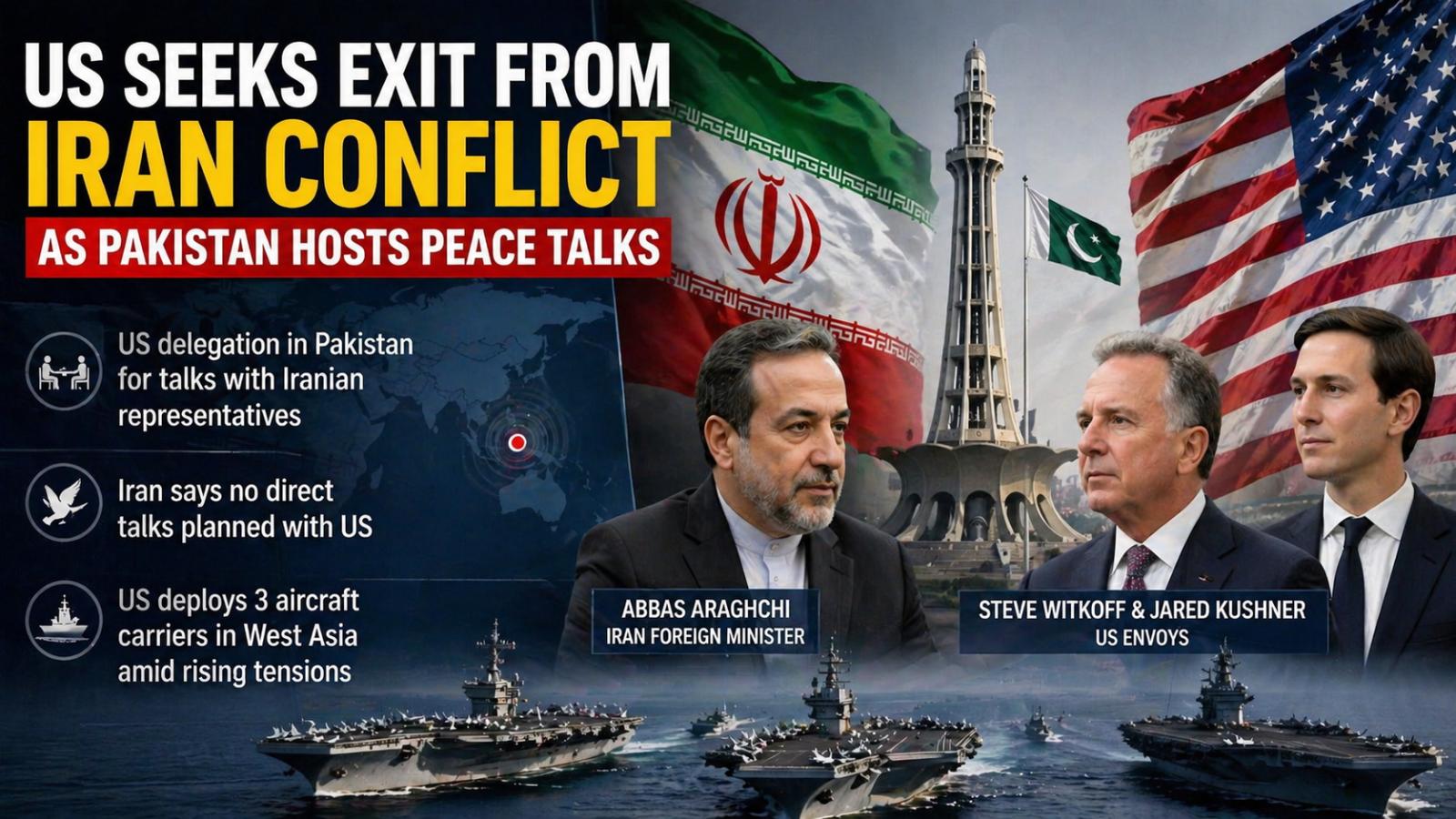
West Asia tensions rise as US envoys head to Pakistan for Iran talks
The US Iran conflict has entered a critical phase as Iran’s Defence Ministry claimed that the United States is seeking a “face-saving” way to exit the war, even as Washington sends a delegation to Pakistan for peace talks. The statement highlights growing diplomatic activity alongside rising military tensions in West Asia, with Pakistan emerging as a key mediator in the crisis. According to Iranian media reports, a defence ministry spokesperson said that Iran’s military strength has become dominant in the region, forcing the United States to look for a way out of what it described as a prolonged and difficult conflict. The remarks come at a time when US envoys Steve Witkoff and Jared Kushner are heading to Pakistan for discussions that the White House said would include talks with Iranian representatives. However, Iran has publicly denied plans for direct negotiations with the United States. Iranian Foreign Minister Abbas Araghchi arrived in Islamabad for an official visit and is scheduled to meet senior Pakistani officials. Iranian Foreign Ministry spokesperson Esmaeil Baqaei clarified that the visit is focused on consultations with Pakistan as part of its mediation efforts and not on direct dialogue with the US. He added that Iran’s position would be communicated through Pakistani channels. The diplomatic developments unfold against a backdrop of intensifying West Asia tensions, particularly around the Strait of Hormuz, a vital global oil route. The United States has significantly increased its military presence in the region, deploying three aircraft carrier strike groups, marking the largest such deployment since the Iraq war in 2003. According to US Central Command, the deployment includes more than 200 aircraft and around 15,000 personnel. As both diplomatic and military activities escalate, uncertainty remains over whether meaningful progress toward de-escalation can be achieved. While Pakistan continues its mediation role, the absence of direct Iran-US talks suggests that a resolution may still be distant, keeping the region on edge.
West Asia tensions rise as US envoys head to Pakistan for Iran talks
The US Iran conflict has entered a critical phase as Iran’s Defence Ministry claimed that the United States is seeking a “face-saving” way to exit the war, even as Washington sends a delegation to Pakistan for peace talks. The statement highlights growing diplomatic activity alongside rising military tensions in West Asia, with Pakistan emerging as a key mediator in the crisis. According to Iranian media reports, a defence ministry spokesperson said that Iran’s military strength has become dominant in the region, forcing the United States to look for a way out of what it described as a prolonged and difficult conflict. The remarks come at a time when US envoys Steve Witkoff and Jared Kushner are heading to Pakistan for discussions that the White House said would include talks with Iranian representatives. However, Iran has publicly denied plans for direct negotiations with the United States. Iranian Foreign Minister Abbas Araghchi arrived in Islamabad for an official visit and is scheduled to meet senior Pakistani officials. Iranian Foreign Ministry spokesperson Esmaeil Baqaei clarified that the visit is focused on consultations with Pakistan as part of its mediation efforts and not on direct dialogue with the US. He added that Iran’s position would be communicated through Pakistani channels. The diplomatic developments unfold against a backdrop of intensifying West Asia tensions, particularly around the Strait of Hormuz, a vital global oil route. The United States has significantly increased its military presence in the region, deploying three aircraft carrier strike groups, marking the largest such deployment since the Iraq war in 2003. According to US Central Command, the deployment includes more than 200 aircraft and around 15,000 personnel. As both diplomatic and military activities escalate, uncertainty remains over whether meaningful progress toward de-escalation can be achieved. While Pakistan continues its mediation role, the absence of direct Iran-US talks suggests that a resolution may still be distant, keeping the region on edge.
Iran Reviews US Proposal but Insists No Talks with Washington Amid Ongoing War
Iran’s Foreign Minister Abbas Araghchi confirmed that Tehran is reviewing a US proposal aimed at ending the ongoing conflict, but made it clear that this does not signify formal negotiations with Washington. In an interview with state television, Araghchi emphasized that while messages have been exchanged through intermediaries, they do not equate to talks with the US government. "There are no talks with the US," Araghchi bluntly stated, reiterating Iran's stance of no direct engagement wit
Iran Reviews US Proposal but Insists No Talks with Washington Amid Ongoing War
Iran’s Foreign Minister Abbas Araghchi confirmed that Tehran is reviewing a US proposal aimed at ending the ongoing conflict, but made it clear that this does not signify formal negotiations with Washington. In an interview with state television, Araghchi emphasized that while messages have been exchanged through intermediaries, they do not equate to talks with the US government. "There are no talks with the US," Araghchi bluntly stated, reiterating Iran's stance of no direct engagement wit
Iran says it is open to nuclear verification after US talks in Geneva
Iran has indicated it is prepared to allow verification of its nuclear activities following the conclusion of a second round of US-Iran negotiations mediated by Oman. Speaking on Tuesday, February 17, Iranian President Masoud Pezeshkian reiterated that Tehran has no intention of developing atomic weapons and expressed openness to international scrutiny aimed at confirming that position. In remarks reported after the Geneva talks, Pezeshkian stated that Iran’s stance on nuclear weapons rema
Iran says it is open to nuclear verification after US talks in Geneva
Iran has indicated it is prepared to allow verification of its nuclear activities following the conclusion of a second round of US-Iran negotiations mediated by Oman. Speaking on Tuesday, February 17, Iranian President Masoud Pezeshkian reiterated that Tehran has no intention of developing atomic weapons and expressed openness to international scrutiny aimed at confirming that position. In remarks reported after the Geneva talks, Pezeshkian stated that Iran’s stance on nuclear weapons rema
US and Iran hold second round of nuclear talks in Geneva
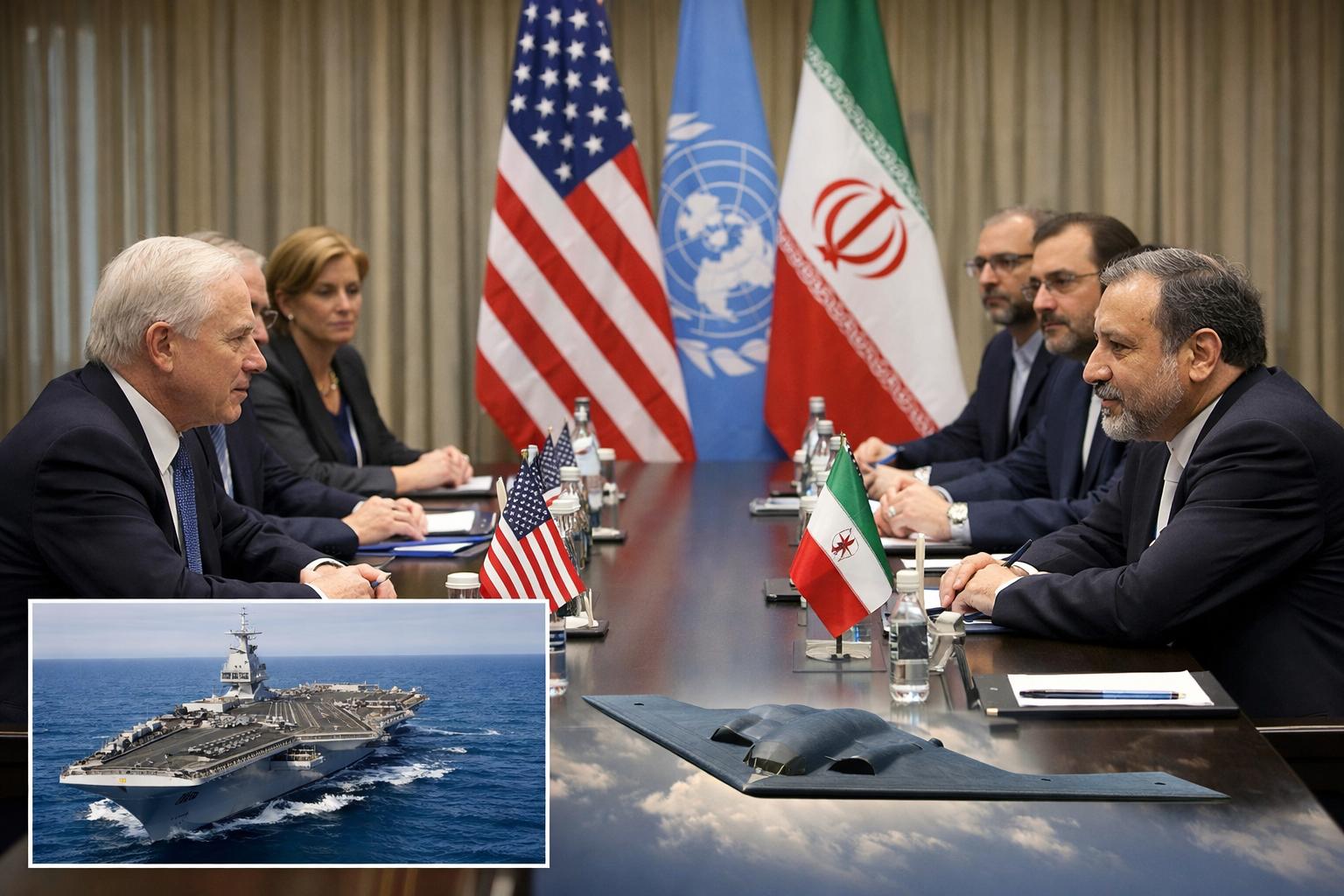
The second round of talks between the United States and Iran concluded in Geneva on Tuesday, with both sides signaling cautious optimism about the path forward. The Geneva meet, facilitated through Oman mediation, comes at a sensitive moment in US Iran relations, with diplomatic and military signals unfolding simultaneously across the Middle East. Speaking at the Conference on Disarmament, Iran FM Abbas Araghchi described the latest engagement as a potential turning point. He said a
US and Iran hold second round of nuclear talks in Geneva
The second round of talks between the United States and Iran concluded in Geneva on Tuesday, with both sides signaling cautious optimism about the path forward. The Geneva meet, facilitated through Oman mediation, comes at a sensitive moment in US Iran relations, with diplomatic and military signals unfolding simultaneously across the Middle East. Speaking at the Conference on Disarmament, Iran FM Abbas Araghchi described the latest engagement as a potential turning point. He said a
Trump warns Iran of consequences if nuclear deal talks fail
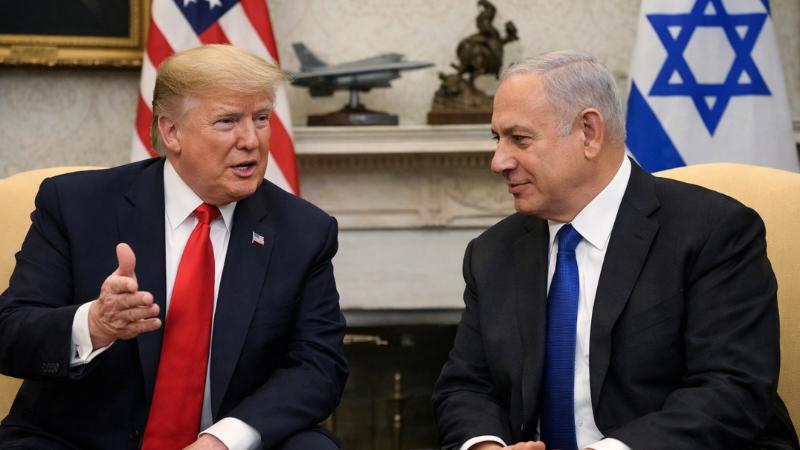
US President Donald Trump met Israeli Prime Minister Benjamin Netanyahu on Wednesday to discuss a range of strategic issues, with the Iran nuclear deal emerging as a central topic of conversation. The meeting, held amid heightened regional tensions, underscored ongoing diplomatic efforts and disagreements surrounding Tehran’s nuclear programme and its broader military capabilities. Following the talks, Trump took to Truth Social to reiterate his administration’s position on nego
Trump warns Iran of consequences if nuclear deal talks fail
US President Donald Trump met Israeli Prime Minister Benjamin Netanyahu on Wednesday to discuss a range of strategic issues, with the Iran nuclear deal emerging as a central topic of conversation. The meeting, held amid heightened regional tensions, underscored ongoing diplomatic efforts and disagreements surrounding Tehran’s nuclear programme and its broader military capabilities. Following the talks, Trump took to Truth Social to reiterate his administration’s position on nego
Iranian foreign minister to visit Turkey for talks on security, trade and regional tensions
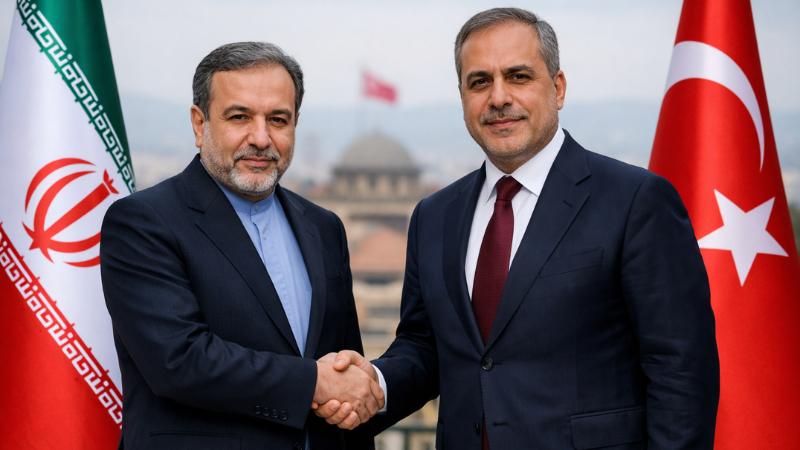
Iranian Foreign Minister Abbas Araghchi is scheduled to travel to Turkey on Friday for high-level talks with Turkish Foreign Minister Hakan Fidan, as the two neighboring countries seek to strengthen cooperation across security, economic and regional issues. The visit comes amid heightened regional tensions and renewed diplomatic efforts to manage sensitive developments affecting the Middle East. According to Turkish Foreign Ministry sources cited in media reports, Fidan is expected
Iranian foreign minister to visit Turkey for talks on security, trade and regional tensions
Iranian Foreign Minister Abbas Araghchi is scheduled to travel to Turkey on Friday for high-level talks with Turkish Foreign Minister Hakan Fidan, as the two neighboring countries seek to strengthen cooperation across security, economic and regional issues. The visit comes amid heightened regional tensions and renewed diplomatic efforts to manage sensitive developments affecting the Middle East. According to Turkish Foreign Ministry sources cited in media reports, Fidan is expected
Iran foreign minister slams WEF over Davos disinvite, alleges double standards
Iran’s Foreign Minister Abbas Araghchi has strongly criticised the World Economic Forum following the cancellation of his scheduled appearance at the organisation’s annual meeting in Davos, accusing the forum of applying inconsistent moral and political standards. The remarks came after the WEF announc
Iran foreign minister slams WEF over Davos disinvite, alleges double standards
Iran’s Foreign Minister Abbas Araghchi has strongly criticised the World Economic Forum following the cancellation of his scheduled appearance at the organisation’s annual meeting in Davos, accusing the forum of applying inconsistent moral and political standards. The remarks came after the WEF announc