











#aerospace

Rolls-Royce Eyes India Manufacturing Investment Under UK Pact
Rolls-Royce and India discussed deeper manufacturing investment, technology partnerships and an engine proposal tied to the country’s next-generation AMCA fighter program on Friday, June 26, 2026. The talks focused on how the India-UK Comprehensive Economic and Trade Agreement, or CETA, could support advanced manufacturing, engineering cooperation and more resilient supply chains. Rolls-Royce India Manufacturing Investment
Rolls-Royce Eyes India Manufacturing Investment Under UK Pact
Rolls-Royce and India discussed deeper manufacturing investment, technology partnerships and an engine proposal tied to the country’s next-generation AMCA fighter program on Friday, June 26, 2026. The talks focused on how the India-UK Comprehensive Economic and Trade Agreement, or CETA, could support advanced manufacturing, engineering cooperation and more resilient supply chains. Rolls-Royce India Manufacturing Investment
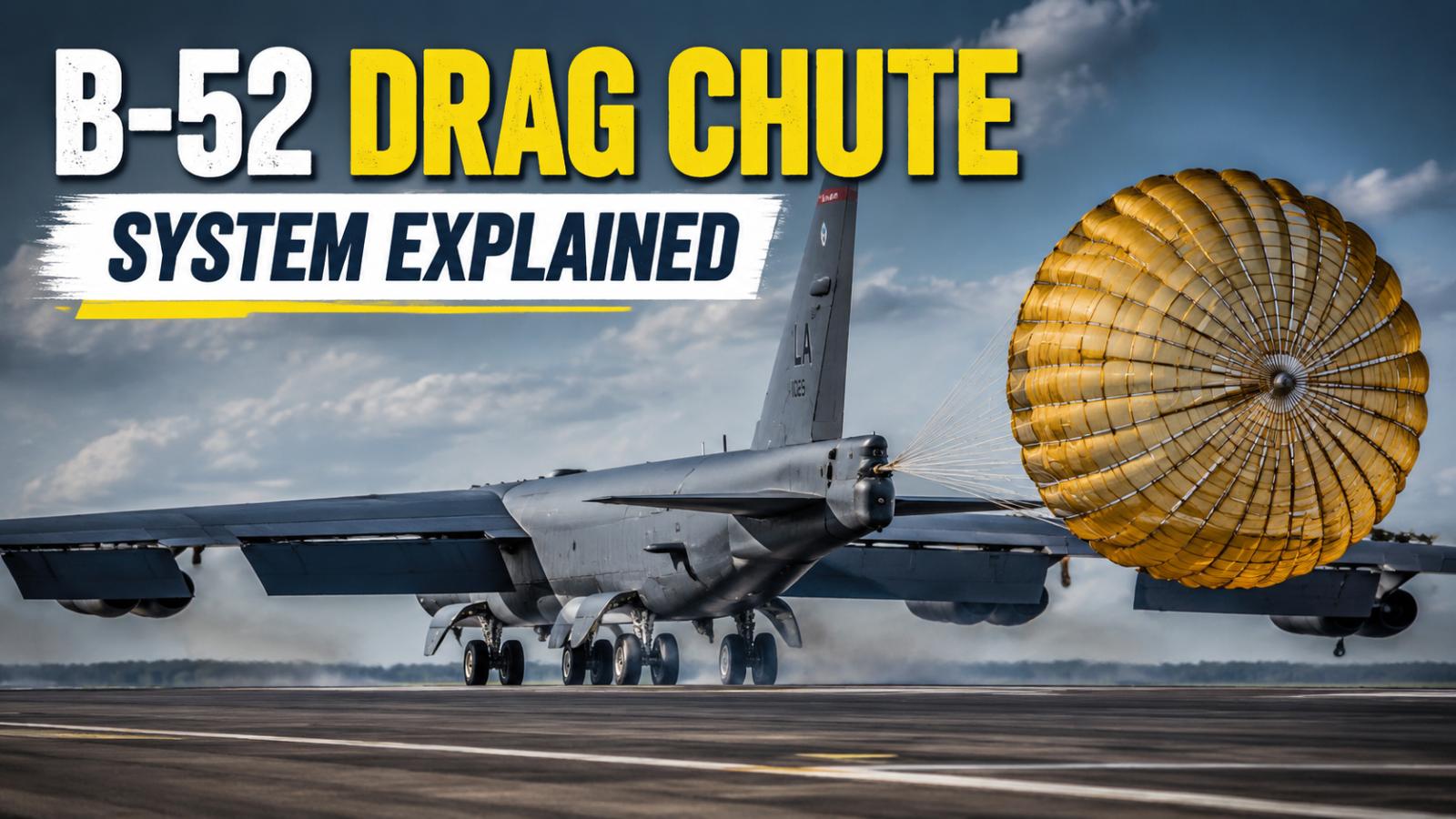
B-52 drag chute system and landing braking explained
The B-52 Stratofortress relies on a drag chute to help slow the aircraft immediately after touchdown. Instead of depending only on wheel brakes, the system deploys a parachute from the rear of the aircraft that creates strong air resistance. This resistance reduces speed quickly and stabilizes the landing rollout, especially important for such a large and heavy bomber. Why the aircraft needs extra braking support A fully loaded B-52 carries enormous mass and lands at high speeds, which naturally generates extreme heat and stress on its wheel braking system. If only standard brakes were used, stopping distance would increase significantly and brake components could overheat or wear out rapidly. The drag chute reduces this burden by absorbing a portion of the kinetic energy during rollout. How the system is activated during landing Once the aircraft touches down and is stable on the runway, the crew initiates the drag chute deployment. A small pilot chute is released first, which pulls out the main parachute from its housing in the tail section. As it inflates, it creates immediate drag force that slows the aircraft even before full brake pressure is applied on the wheels. Impact on runway distance and safety The chute significantly shortens the distance required to bring the bomber to a safe stop. This becomes especially valuable on wet, icy, or short runways where braking efficiency is reduced. By lowering reliance on friction-based braking alone, the system improves safety margins and allows more flexible landing operations in different environments. Operational use in real conditions In practice, crews often rely on the drag chute as a standard part of landing procedures because it protects the braking system and enhances control. It is particularly important during adverse weather conditions or high-weight landings. Ground teams then recover and repack the chute after use for the next mission. A system built for rapid nuclear response... Why the system is still relevant today Despite being designed decades ago, the drag chute remains an effective and simple solution to a complex problem: stopping a very heavy aircraft safely in limited runway space. Its continued use highlights how practical engineering solutions can stay valuable long after the aircraft itself enters modern service cycles.
B-52 drag chute system and landing braking explained
The B-52 Stratofortress relies on a drag chute to help slow the aircraft immediately after touchdown. Instead of depending only on wheel brakes, the system deploys a parachute from the rear of the aircraft that creates strong air resistance. This resistance reduces speed quickly and stabilizes the landing rollout, especially important for such a large and heavy bomber. Why the aircraft needs extra braking support A fully loaded B-52 carries enormous mass and lands at high speeds, which naturally generates extreme heat and stress on its wheel braking system. If only standard brakes were used, stopping distance would increase significantly and brake components could overheat or wear out rapidly. The drag chute reduces this burden by absorbing a portion of the kinetic energy during rollout. How the system is activated during landing Once the aircraft touches down and is stable on the runway, the crew initiates the drag chute deployment. A small pilot chute is released first, which pulls out the main parachute from its housing in the tail section. As it inflates, it creates immediate drag force that slows the aircraft even before full brake pressure is applied on the wheels. Impact on runway distance and safety The chute significantly shortens the distance required to bring the bomber to a safe stop. This becomes especially valuable on wet, icy, or short runways where braking efficiency is reduced. By lowering reliance on friction-based braking alone, the system improves safety margins and allows more flexible landing operations in different environments. Operational use in real conditions In practice, crews often rely on the drag chute as a standard part of landing procedures because it protects the braking system and enhances control. It is particularly important during adverse weather conditions or high-weight landings. Ground teams then recover and repack the chute after use for the next mission. A system built for rapid nuclear response... Why the system is still relevant today Despite being designed decades ago, the drag chute remains an effective and simple solution to a complex problem: stopping a very heavy aircraft safely in limited runway space. Its continued use highlights how practical engineering solutions can stay valuable long after the aircraft itself enters modern service cycles.
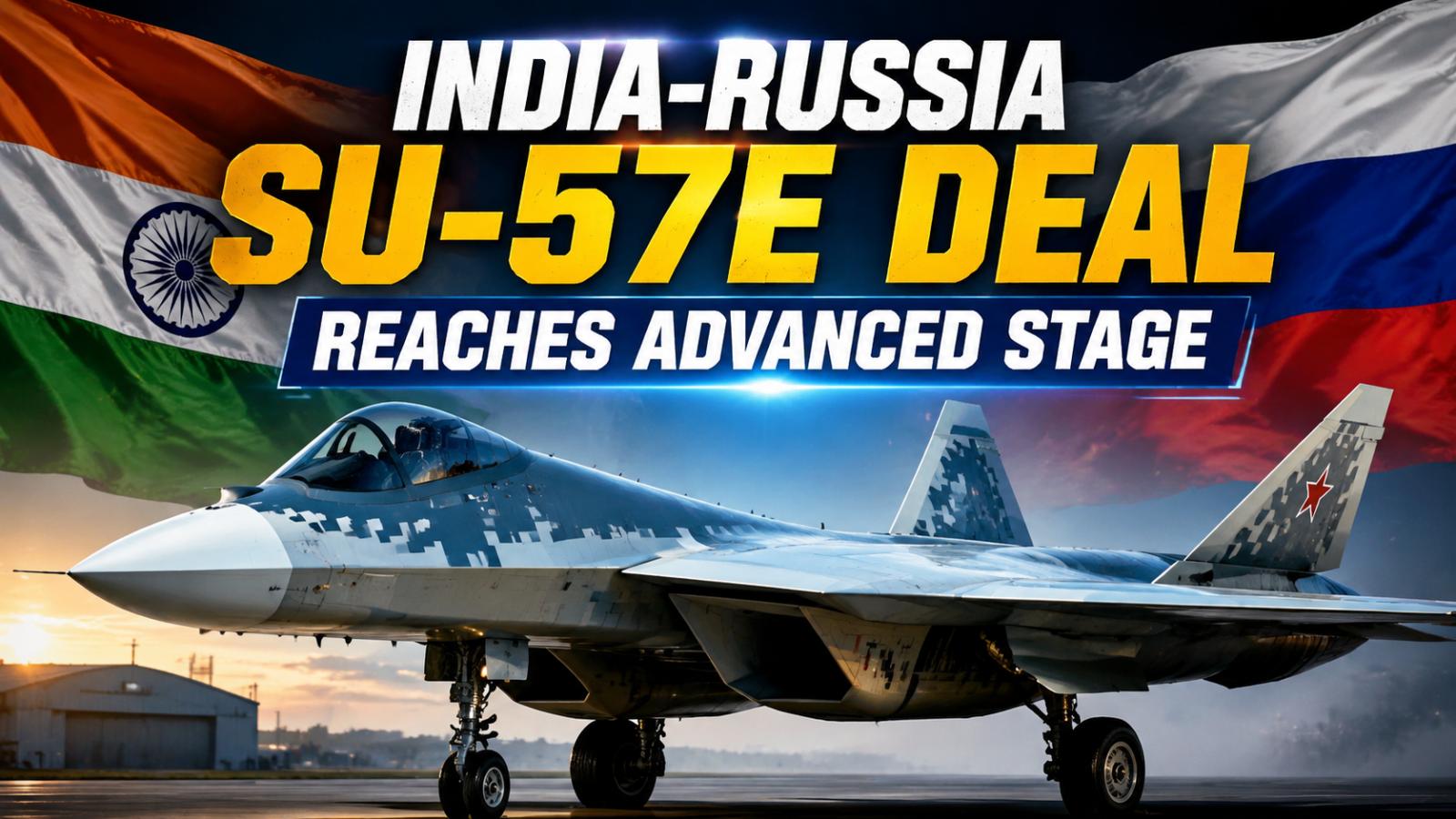
India-Russia Su-57E jet deal moves to advanced production stage
Negotiations between India and Russia for the Su-57E fighter jet have reached a critical stage. The agreement envisions a combination of ready-to-fly aircraft and licensed local production at Hindustan Aeronautics Limited (HAL). A customized two-seater version for India is included, alongside integration of Indian-made systems and local production of Russian aerial weapons. This deal aims to modernize the Indian Air Force and strengthen domestic aerospace capabilities.
India-Russia Su-57E jet deal moves to advanced production stage
Negotiations between India and Russia for the Su-57E fighter jet have reached a critical stage. The agreement envisions a combination of ready-to-fly aircraft and licensed local production at Hindustan Aeronautics Limited (HAL). A customized two-seater version for India is included, alongside integration of Indian-made systems and local production of Russian aerial weapons. This deal aims to modernize the Indian Air Force and strengthen domestic aerospace capabilities.

SpaceX IPO: $80B Valuation and Starlink’s Global Growth
SpaceX has officially submitted its initial public offering (IPO), targeting a valuation exceeding $80 billion. The filing outlines the company’s board structure, revenue performance, Starlink broadband expansion, and upcoming orbital AI projects. This IPO is positioned to be among the largest in history, aiming to surpass previous records in the aerospace and tech sector. Massive Market Opportunity for SpaceX The comp
SpaceX IPO: $80B Valuation and Starlink’s Global Growth
SpaceX has officially submitted its initial public offering (IPO), targeting a valuation exceeding $80 billion. The filing outlines the company’s board structure, revenue performance, Starlink broadband expansion, and upcoming orbital AI projects. This IPO is positioned to be among the largest in history, aiming to surpass previous records in the aerospace and tech sector. Massive Market Opportunity for SpaceX The comp
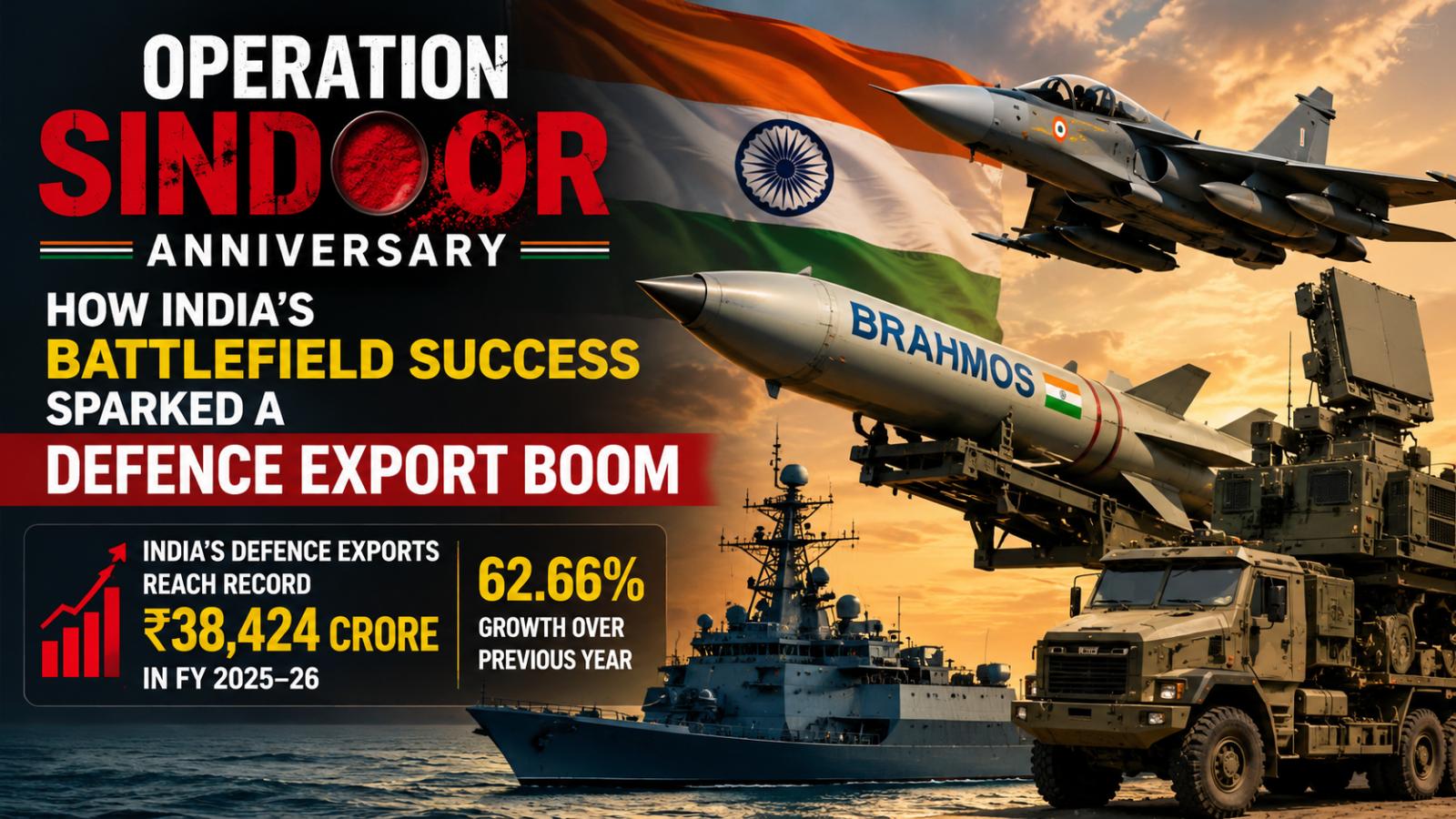
Operation Sindoor Anniversary: How India’s Battlefield Success Sparked a Defence Export Boom
Operation Sindoor Anniversary Puts India’s Defence Exports in Focus Operation Sindoor anniversary has placed India’s defence export boom back in the spotlight, with official data showing exports touched a record Rs 38,424 crore in FY 2025–26. The May 7–10, 2025 conflict, described by officials as a focused military response, has now become more than a battlefield milestone. It is being viewed as a turning point for India’s defence industry.
Operation Sindoor Anniversary: How India’s Battlefield Success Sparked a Defence Export Boom
Operation Sindoor Anniversary Puts India’s Defence Exports in Focus Operation Sindoor anniversary has placed India’s defence export boom back in the spotlight, with official data showing exports touched a record Rs 38,424 crore in FY 2025–26. The May 7–10, 2025 conflict, described by officials as a focused military response, has now become more than a battlefield milestone. It is being viewed as a turning point for India’s defence industry.
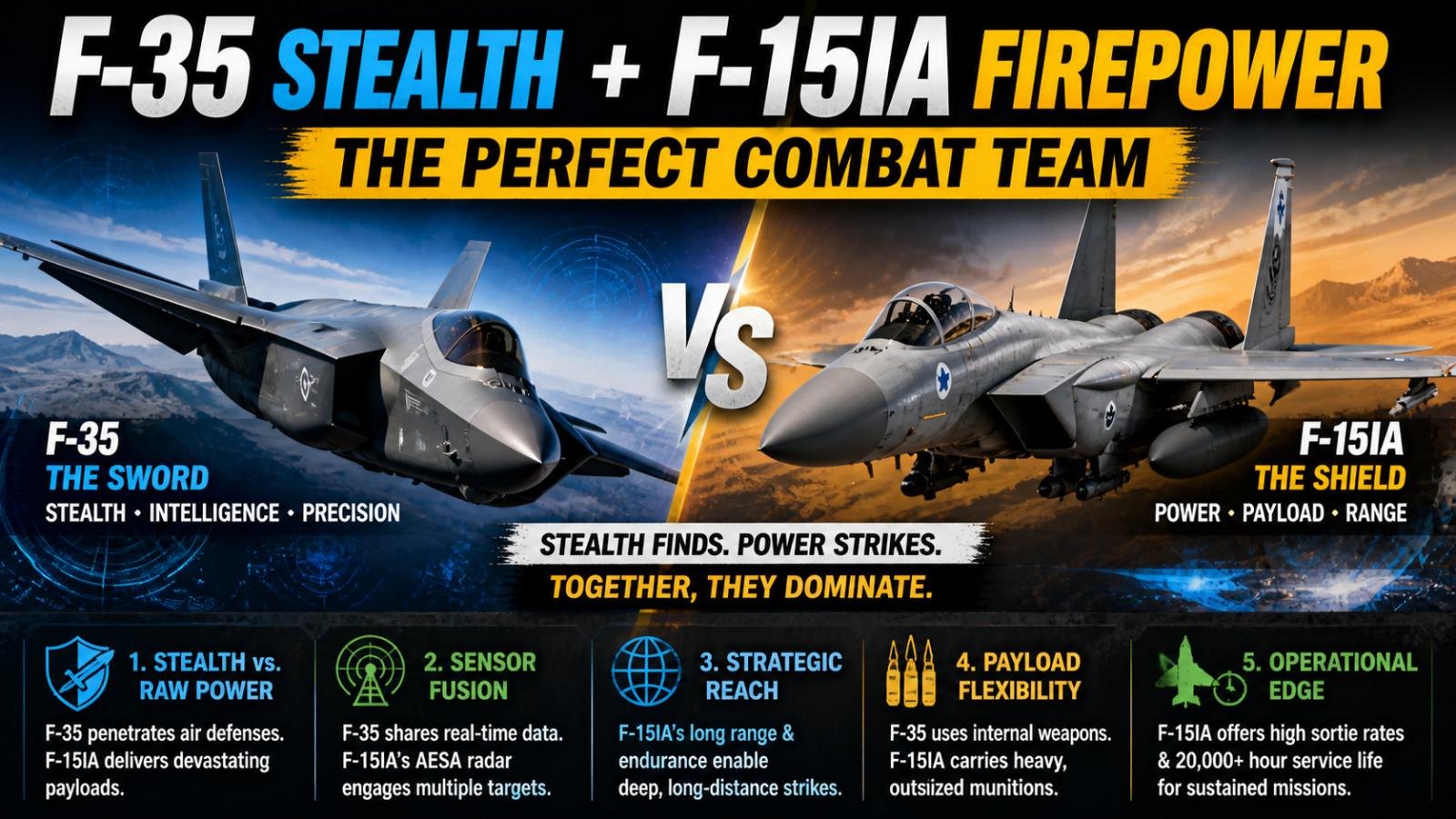
Modern Air Combat: F-35 Sensor Fusion Meets F-15IA Payload Strength
Modern air combat strategy increasingly relies on the complementary strengths of advanced fighter aircraft, particularly the combination of stealth capabilities and high payload capacity. The F-35 and F-15IA represent this dual approach, where each platform fulfills a distinct but interconnected role in complex operations. The F-35 is designed for stealth and precision, enabling it to operate deep within contested airspace while avoiding detection. Its ability to gather and process battlefield data in real time allows it to identify and track threats with high accuracy. This sensor fusion capability creates a comprehensive operational picture, which can be shared seamlessly with other aircraft to improve coordination and targeting efficiency. In contrast, the F-15IA is built for power and endurance. Often described as a high-capacity weapons platform, it can carry a significantly larger payload compared to stealth-focused aircraft. Once air defenses are identified and weakened, the F-15IA can engage multiple targets using a wide range of munitions, including larger weapons that are not compatible with stealth aircraft configurations. Its advanced radar system enhances its ability to detect and engage threats over extended distances. The combination of these aircraft also supports long-range missions. The F-15IA’s extended range and fuel capacity make it well-suited for operations requiring sustained flight over large distances. This allows it to conduct deep strike missions with fewer refueling requirements, complementing the F-35’s forward reconnaissance and targeting role. Operational efficiency is another key factor in this pairing. The F-15IA is designed for durability and rapid turnaround, enabling frequent sorties during extended engagements. Meanwhile, the F-35’s advanced systems provide critical intelligence that enhances the effectiveness of each mission. Together, they form a coordinated system that balances stealth, firepower, and operational flexibility in modern aerial warfare.
Modern Air Combat: F-35 Sensor Fusion Meets F-15IA Payload Strength
Modern air combat strategy increasingly relies on the complementary strengths of advanced fighter aircraft, particularly the combination of stealth capabilities and high payload capacity. The F-35 and F-15IA represent this dual approach, where each platform fulfills a distinct but interconnected role in complex operations. The F-35 is designed for stealth and precision, enabling it to operate deep within contested airspace while avoiding detection. Its ability to gather and process battlefield data in real time allows it to identify and track threats with high accuracy. This sensor fusion capability creates a comprehensive operational picture, which can be shared seamlessly with other aircraft to improve coordination and targeting efficiency. In contrast, the F-15IA is built for power and endurance. Often described as a high-capacity weapons platform, it can carry a significantly larger payload compared to stealth-focused aircraft. Once air defenses are identified and weakened, the F-15IA can engage multiple targets using a wide range of munitions, including larger weapons that are not compatible with stealth aircraft configurations. Its advanced radar system enhances its ability to detect and engage threats over extended distances. The combination of these aircraft also supports long-range missions. The F-15IA’s extended range and fuel capacity make it well-suited for operations requiring sustained flight over large distances. This allows it to conduct deep strike missions with fewer refueling requirements, complementing the F-35’s forward reconnaissance and targeting role. Operational efficiency is another key factor in this pairing. The F-15IA is designed for durability and rapid turnaround, enabling frequent sorties during extended engagements. Meanwhile, the F-35’s advanced systems provide critical intelligence that enhances the effectiveness of each mission. Together, they form a coordinated system that balances stealth, firepower, and operational flexibility in modern aerial warfare.
Trump threatens 50% tariffs on Canadian aircraft amid certification dispute
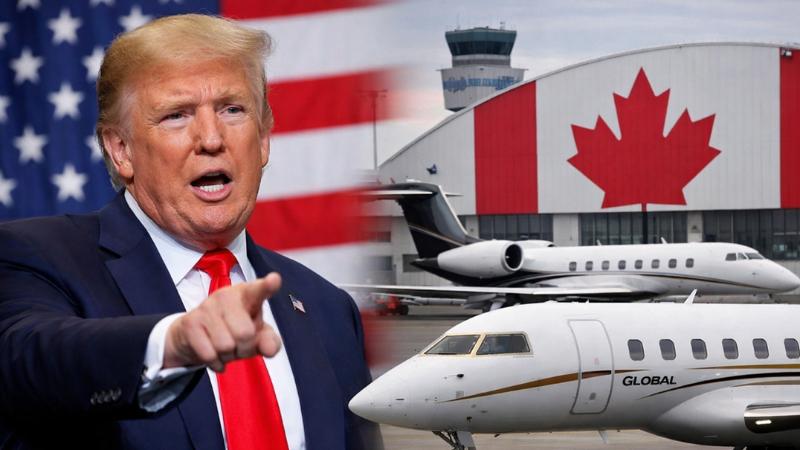
US President Donald Trump has intensified trade tensions with Canada by threatening to impose sweeping tariffs on Canadian-made aircraft, opening a new chapter in an already strained bilateral relationship. In a statement issued on Thursday, Trump said the United States could levy tariffs of up to 50 per cent on aircraft sold from Canada into the US market, citing what he described as Canada’s refusal to certify American-made business jets. The president also announced plans to decertify all aircraft manufactured in Canada for use in the United States, a move he said would remain in effect until Canadian regulators approve a series of jets produced by Gulfstream Aerospace. The warning was delivered through a post on Truth Social, where Trump accused Canadian authorities of erecting regulatory barriers that unfairly block American products. In his remarks, Trump singled out the Bombardier Global Express business jet, which is manufactured in Quebec, arguing that Ottawa has benefited from access to the US market while allegedly denying similar treatment to American manufacturers. He claimed Canada had “wrongfully and illegally” refused to certify the Gulfstream 500, 600, 700, and 800 models, which he described as among the most advanced aircraft in the world. According to Trump, the lack of certification effectively prevents Gulfstream from selling its jets in Canada. Trump warned that unless the situation is resolved immediately, the United States would move forward with punitive tariffs on all aircraft imported from Canada. He framed the threat as a matter of fairness and reciprocity, asserting that American companies should not face obstacles abroad while foreign competitors enjoy broad access to the US market. The aircraft dispute is the latest flashpoint in a broader deterioration of relations between the United States and Canada since Trump returned to office last year. Political and economic friction between the two long-time allies has grown steadily, with trade policy emerging as a central source of conflict. Earlier the same day as Trump’s comments, Canadian Prime Minister Mark Carney publicly urged Washington to respect Canadian sovereignty, following reports of contacts between US officials and Alberta separatist groups. Trade tensions have also been fueled by Canada’s recent diplomatic engagement with China. Trump has repeatedly warned Ottawa against deepening economic ties with Beijing, arguing that such moves could undermine US interests. He has threatened to impose tariffs as high as 100 per cent on Canadian goods if Canada proceeds with a trade agreement with China, a warning he reiterated over the weekend. In a series of earlier social media posts, Trump mocked Carney by referring to him as “Governor” and cautioned that Canada should not act as a conduit for Chinese goods entering the US market. He claimed that closer ties with Beijing would leave Canada economically vulnerable and pledged swift retaliation if such an agreement were finalized. The remarks came shortly after Carney visited Beijing, marking the first visit by a Canadian leader to China in nearly a decade. The escalating rhetoric underscores the growing uncertainty surrounding North American trade and the aerospace sector in particular. With aircraft manufacturing representing a significant industry for both countries, analysts say prolonged disputes over certification and tariffs could have far-reaching economic consequences. For now, the standoff highlights how regulatory disagreements and geopolitical concerns are increasingly shaping trade relations between Washington and Ottawa.
Trump threatens 50% tariffs on Canadian aircraft amid certification dispute
US President Donald Trump has intensified trade tensions with Canada by threatening to impose sweeping tariffs on Canadian-made aircraft, opening a new chapter in an already strained bilateral relationship. In a statement issued on Thursday, Trump said the United States could levy tariffs of up to 50 per cent on aircraft sold from Canada into the US market, citing what he described as Canada’s refusal to certify American-made business jets. The president also announced plans to decertify all aircraft manufactured in Canada for use in the United States, a move he said would remain in effect until Canadian regulators approve a series of jets produced by Gulfstream Aerospace. The warning was delivered through a post on Truth Social, where Trump accused Canadian authorities of erecting regulatory barriers that unfairly block American products. In his remarks, Trump singled out the Bombardier Global Express business jet, which is manufactured in Quebec, arguing that Ottawa has benefited from access to the US market while allegedly denying similar treatment to American manufacturers. He claimed Canada had “wrongfully and illegally” refused to certify the Gulfstream 500, 600, 700, and 800 models, which he described as among the most advanced aircraft in the world. According to Trump, the lack of certification effectively prevents Gulfstream from selling its jets in Canada. Trump warned that unless the situation is resolved immediately, the United States would move forward with punitive tariffs on all aircraft imported from Canada. He framed the threat as a matter of fairness and reciprocity, asserting that American companies should not face obstacles abroad while foreign competitors enjoy broad access to the US market. The aircraft dispute is the latest flashpoint in a broader deterioration of relations between the United States and Canada since Trump returned to office last year. Political and economic friction between the two long-time allies has grown steadily, with trade policy emerging as a central source of conflict. Earlier the same day as Trump’s comments, Canadian Prime Minister Mark Carney publicly urged Washington to respect Canadian sovereignty, following reports of contacts between US officials and Alberta separatist groups. Trade tensions have also been fueled by Canada’s recent diplomatic engagement with China. Trump has repeatedly warned Ottawa against deepening economic ties with Beijing, arguing that such moves could undermine US interests. He has threatened to impose tariffs as high as 100 per cent on Canadian goods if Canada proceeds with a trade agreement with China, a warning he reiterated over the weekend. In a series of earlier social media posts, Trump mocked Carney by referring to him as “Governor” and cautioned that Canada should not act as a conduit for Chinese goods entering the US market. He claimed that closer ties with Beijing would leave Canada economically vulnerable and pledged swift retaliation if such an agreement were finalized. The remarks came shortly after Carney visited Beijing, marking the first visit by a Canadian leader to China in nearly a decade. The escalating rhetoric underscores the growing uncertainty surrounding North American trade and the aerospace sector in particular. With aircraft manufacturing representing a significant industry for both countries, analysts say prolonged disputes over certification and tariffs could have far-reaching economic consequences. For now, the standoff highlights how regulatory disagreements and geopolitical concerns are increasingly shaping trade relations between Washington and Ottawa.

Telangana Signs Key Global Partnerships at Davos Summit to Boost Economy and Innovation
Telangana made a significant splash at the 2026 World Economic Forum (WEF) in Davos, Switzerland, showcasing its ambition to become a global hub for innovation, technology, and sustainable development. Led by Chief Minister A. Revanth Reddy, the Telangana delegation secured several key partnerships and investments aimed at propelling the state’s economy to new heights. One of the most notable agreements was with Blaize, a US-based company specializing in energy-efficient AI hardware and sof
Telangana Signs Key Global Partnerships at Davos Summit to Boost Economy and Innovation
Telangana made a significant splash at the 2026 World Economic Forum (WEF) in Davos, Switzerland, showcasing its ambition to become a global hub for innovation, technology, and sustainable development. Led by Chief Minister A. Revanth Reddy, the Telangana delegation secured several key partnerships and investments aimed at propelling the state’s economy to new heights. One of the most notable agreements was with Blaize, a US-based company specializing in energy-efficient AI hardware and sof
Defence panel clears key step for 114 Rafale fighter aircraft for Indian Air Force
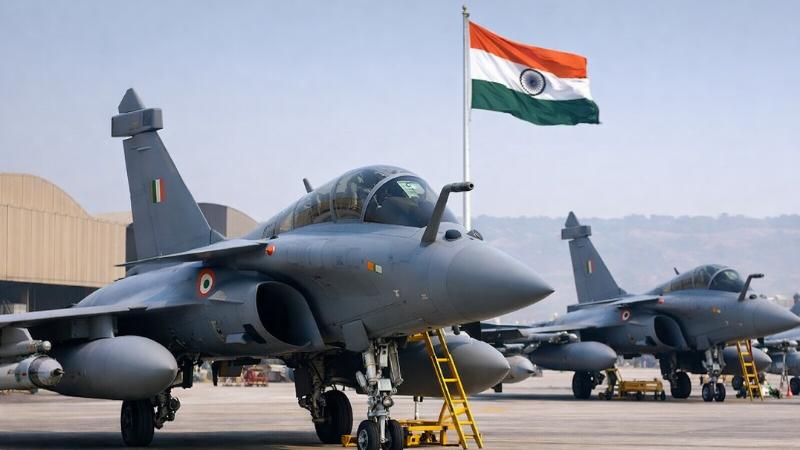
The Defence Procurement Board has cleared a proposal to acquire 114 additional Rafale fighter aircraft, marking a major step forward in India’s effort to strengthen its air combat capabilities. The clearance, granted after an initial examination of the case, advances one of the Indian Air Force’s most significant modernisation plans aimed at addressing long-standing operational gaps and preparing for future security challenges. The proposal is intended to narrow the difference b
Defence panel clears key step for 114 Rafale fighter aircraft for Indian Air Force
The Defence Procurement Board has cleared a proposal to acquire 114 additional Rafale fighter aircraft, marking a major step forward in India’s effort to strengthen its air combat capabilities. The clearance, granted after an initial examination of the case, advances one of the Indian Air Force’s most significant modernisation plans aimed at addressing long-standing operational gaps and preparing for future security challenges. The proposal is intended to narrow the difference b
PSLV-C62 launch faces anomaly in third stage, ISRO begins detailed analysis
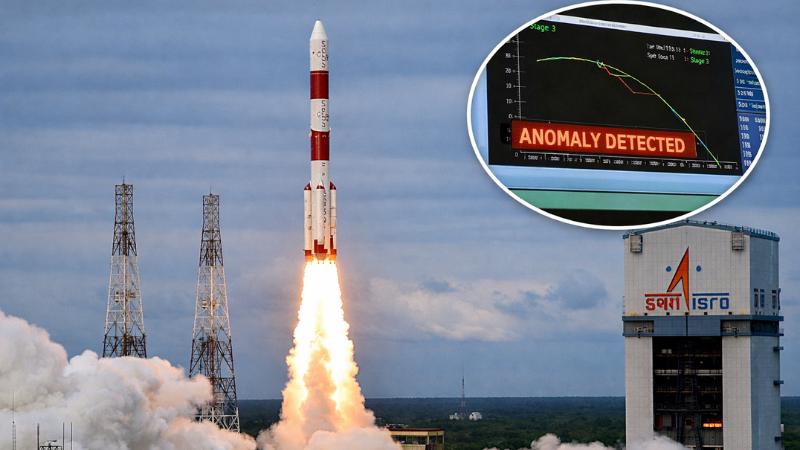
The Indian Space Research Organisation experienced a tense morning on Tuesday after the Polar Satellite Launch Vehicle C62 lifted off from the Satish Dhawan Space Centre in Sriharikota at 10.18 am carrying a total of 16 satellites. The mission initially appeared to progress as planned, with scientists closely monitoring each phase of the flight. However, around 30 minutes after liftoff, ISRO confirmed that the mission had encountered an anomaly during the third stage of the launch sequence, r
PSLV-C62 launch faces anomaly in third stage, ISRO begins detailed analysis
The Indian Space Research Organisation experienced a tense morning on Tuesday after the Polar Satellite Launch Vehicle C62 lifted off from the Satish Dhawan Space Centre in Sriharikota at 10.18 am carrying a total of 16 satellites. The mission initially appeared to progress as planned, with scientists closely monitoring each phase of the flight. However, around 30 minutes after liftoff, ISRO confirmed that the mission had encountered an anomaly during the third stage of the launch sequence, r
SpaceX Booster 18 suffers damage after test anomaly at South Texas site
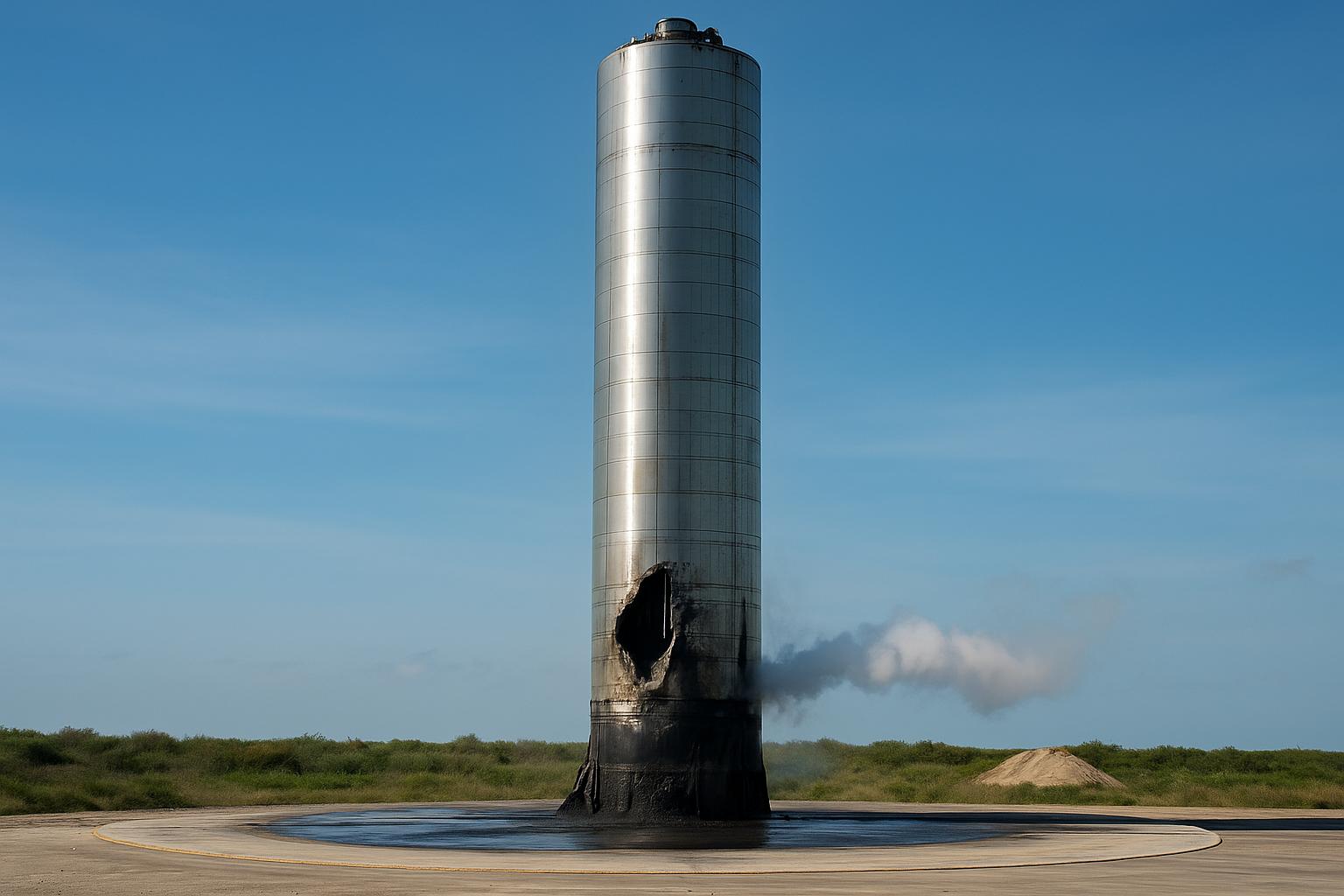
A major phase in SpaceX’s Starship test program faced an unexpected setback on Friday when Booster 18, the company’s first next-generation Block 3 Super Heavy booster, sustained significant structural damage during a ground test in South Texas. The incident occurred at SpaceX’s Massey test facility near Starbase, where the vehicle was undergoing routine gas-system pressure checks ahead of more rigorous structural proofing. Shortly after 4 a.m. local time, livestream footage captured the
SpaceX Booster 18 suffers damage after test anomaly at South Texas site
A major phase in SpaceX’s Starship test program faced an unexpected setback on Friday when Booster 18, the company’s first next-generation Block 3 Super Heavy booster, sustained significant structural damage during a ground test in South Texas. The incident occurred at SpaceX’s Massey test facility near Starbase, where the vehicle was undergoing routine gas-system pressure checks ahead of more rigorous structural proofing. Shortly after 4 a.m. local time, livestream footage captured the
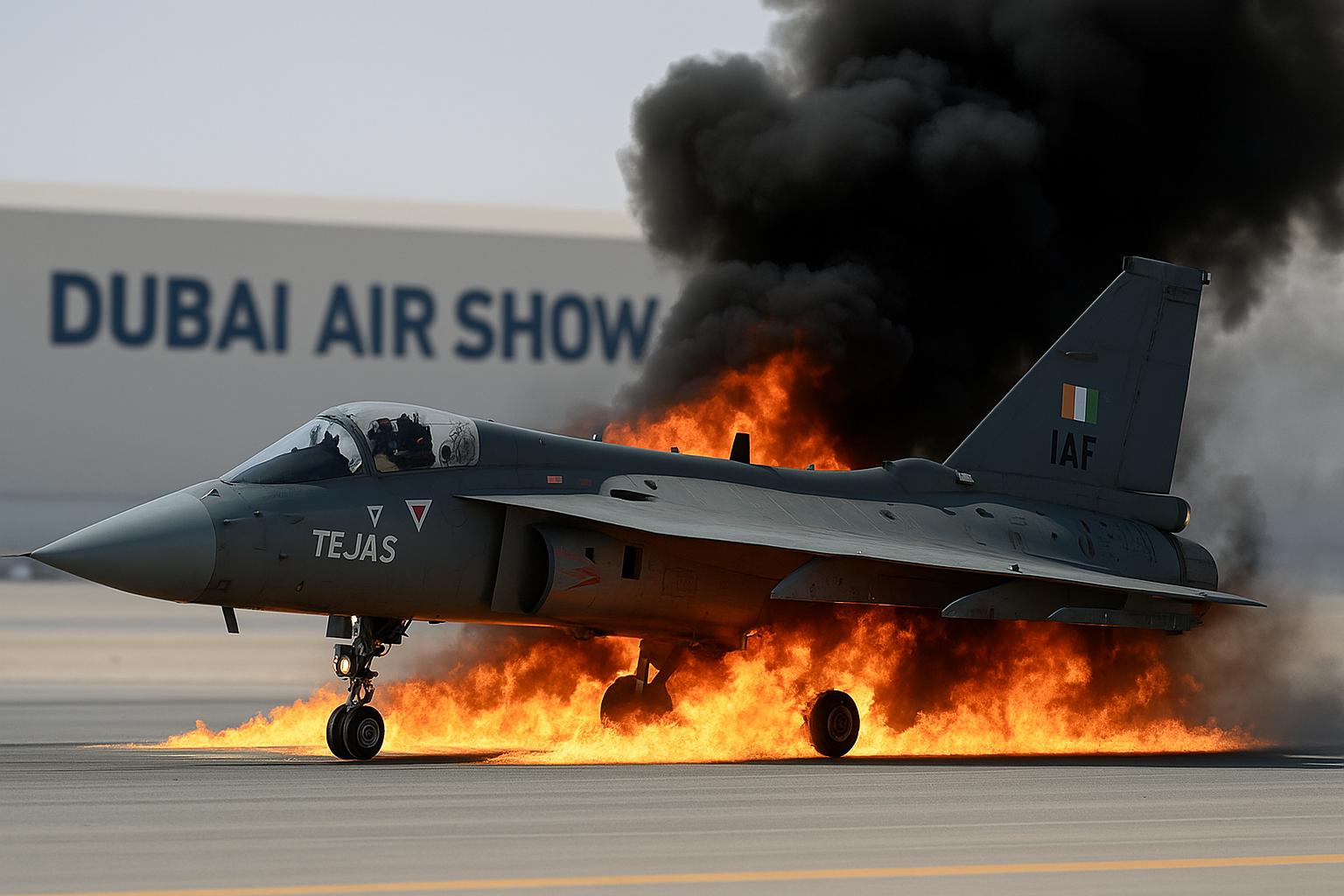
Tejas fighter jet crashes during performance at Dubai Air Show
A Tejas fighter aircraft of the Indian Air Force crashed on Friday during its scheduled performance at the Dubai Air Show, prompting an immediate investigation into the cause of the aviation accident. The incident occurred while the indigenous light combat aircraft was taking part in an aerobatic display at one of the world’s most prominent aerospace events, drawing attention from global defence and aviation observers. The air show, known for showcasing advanced fighter jets and emerging ae
Tejas fighter jet crashes during performance at Dubai Air Show
A Tejas fighter aircraft of the Indian Air Force crashed on Friday during its scheduled performance at the Dubai Air Show, prompting an immediate investigation into the cause of the aviation accident. The incident occurred while the indigenous light combat aircraft was taking part in an aerobatic display at one of the world’s most prominent aerospace events, drawing attention from global defence and aviation observers. The air show, known for showcasing advanced fighter jets and emerging ae
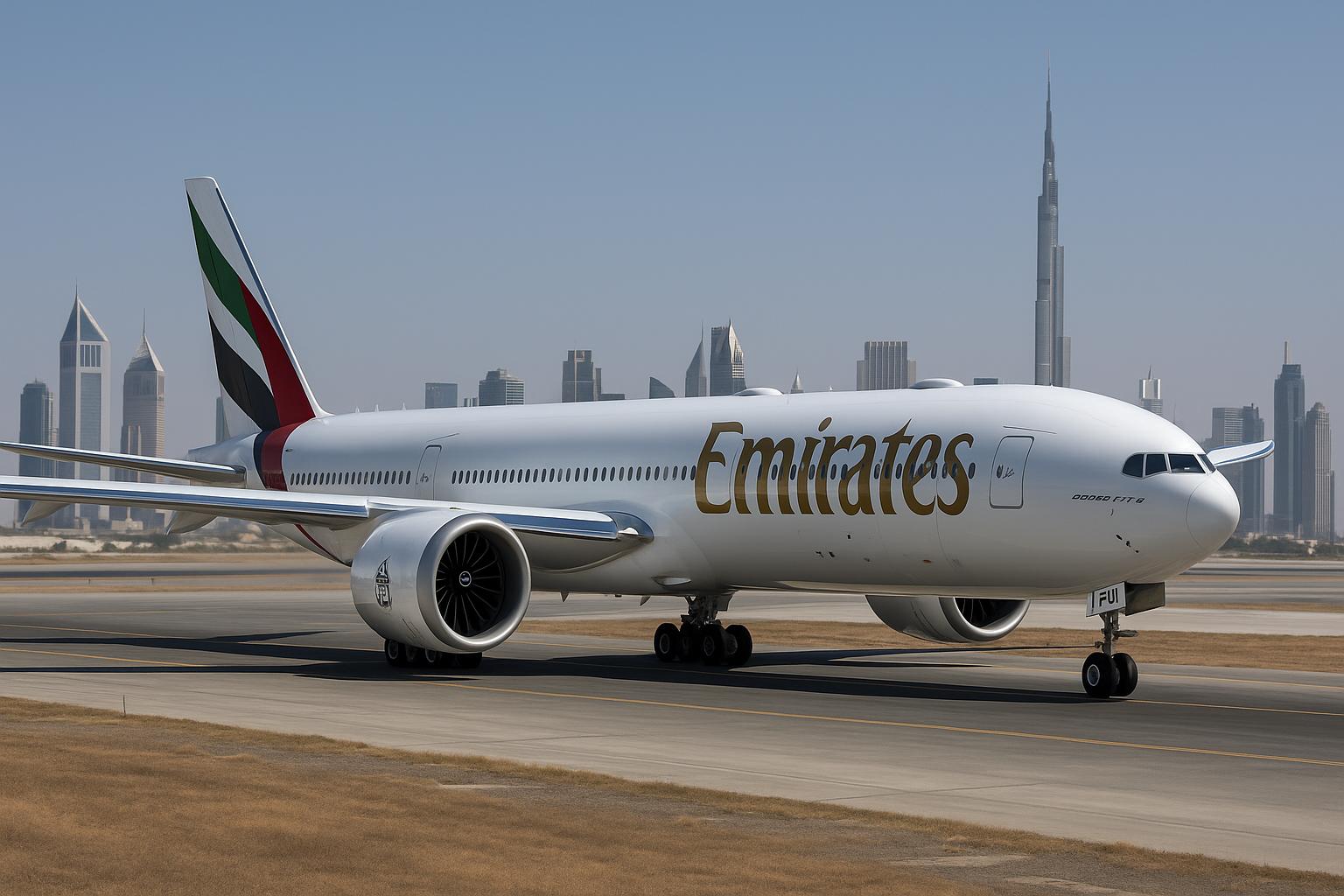
Emirates places $38B order for 65 Boeing 777-9 jets at Dubai Airshow
Emirates has placed an order for 65 additional Boeing 777-9 aircraft valued at $38 billion, marking one of the largest commercial agreements announced during the opening day of the Dubai Airshow 2025. The deal increases the airline’s total Boeing orderbook to 315 wide-body aircraft, strengthening its position as the manufacturer’s largest customer for long-range passenger jets. Emirates described the decision as a major commitment to United States aerospace production, saying that future manufacturing work tied to the order will support hundreds of thousands of high-value jobs over the lifespan of the program. The new agreement also expands the airline’s partnership with GE Aerospace, which supplies the GE9X engines that power the Boeing 777-9. With this order, Emirates now has commitments for 540 GE9X engines in addition to its existing fleet powered by GE90 and GP7200 engines. According to GE Aerospace, the continued growth of this partnership demonstrates the airline’s confidence in the long-term reliability and efficiency of the company’s engine portfolio. GE executives stated they are prepared to support Emirates with maintenance and performance solutions as deliveries are completed. Sheikh Ahmed bin Saeed Al Maktoum, chairman and chief executive of Emirates Airline and Group, said the new jet order reflects a long-standing strategic relationship with Boeing and GE. He added that the agreement reinforces the airline’s plan to modernize its fleet as passenger demand continues to rise across international markets. Emirates has relied heavily on the Boeing 777 platform for long-haul operations and views the next-generation 777-9 as a key component of its future capacity. However, the announcement comes as Boeing continues to face production and certification delays for the 777X program. The aircraft was originally scheduled to enter service several years earlier, but revised delivery targets now extend into 2027. These setbacks have forced Emirates to invest billions of dollars retrofitting existing aircraft to sustain operations until the new deliveries begin. The carrier has publicly expressed frustration with the delays, urging Boeing to accelerate progress and meet contractual commitments. Industry analysts note that the agreement may add renewed pressure on Boeing’s leadership, including chief executive Kelly Ortberg, who has been tasked with restoring production stability. The company remains under heightened scrutiny as it works through supply chain constraints and regulatory requirements that have affected multiple aircraft programs. For Emirates, the latest order underscores confidence in the long-term viability of the 777-9 but also highlights the operational challenges posed by delays. Despite those uncertainties, the deal reinforces the airline’s view that large, efficient twin-engine jets remain essential for global carriers operating high-density long-haul routes. As international travel continues to recover, Emirates expects the new aircraft to support expanded schedules and improved fuel performance across its network. The company plans to integrate the incoming jets alongside ongoing cabin upgrades and service expansions intended to maintain its competitive position in the long-haul market. The agreement represents one of the most significant commercial announcements of the year for the aviation industry and signals the continued demand for next-generation wide-body aircraft, even as manufacturers face production constraints. Emirates says it will continue working closely with Boeing and GE to ensure that the aircraft and engine programs remain on track as delivery timelines develop over the next several years.
Emirates places $38B order for 65 Boeing 777-9 jets at Dubai Airshow
Emirates has placed an order for 65 additional Boeing 777-9 aircraft valued at $38 billion, marking one of the largest commercial agreements announced during the opening day of the Dubai Airshow 2025. The deal increases the airline’s total Boeing orderbook to 315 wide-body aircraft, strengthening its position as the manufacturer’s largest customer for long-range passenger jets. Emirates described the decision as a major commitment to United States aerospace production, saying that future manufacturing work tied to the order will support hundreds of thousands of high-value jobs over the lifespan of the program. The new agreement also expands the airline’s partnership with GE Aerospace, which supplies the GE9X engines that power the Boeing 777-9. With this order, Emirates now has commitments for 540 GE9X engines in addition to its existing fleet powered by GE90 and GP7200 engines. According to GE Aerospace, the continued growth of this partnership demonstrates the airline’s confidence in the long-term reliability and efficiency of the company’s engine portfolio. GE executives stated they are prepared to support Emirates with maintenance and performance solutions as deliveries are completed. Sheikh Ahmed bin Saeed Al Maktoum, chairman and chief executive of Emirates Airline and Group, said the new jet order reflects a long-standing strategic relationship with Boeing and GE. He added that the agreement reinforces the airline’s plan to modernize its fleet as passenger demand continues to rise across international markets. Emirates has relied heavily on the Boeing 777 platform for long-haul operations and views the next-generation 777-9 as a key component of its future capacity. However, the announcement comes as Boeing continues to face production and certification delays for the 777X program. The aircraft was originally scheduled to enter service several years earlier, but revised delivery targets now extend into 2027. These setbacks have forced Emirates to invest billions of dollars retrofitting existing aircraft to sustain operations until the new deliveries begin. The carrier has publicly expressed frustration with the delays, urging Boeing to accelerate progress and meet contractual commitments. Industry analysts note that the agreement may add renewed pressure on Boeing’s leadership, including chief executive Kelly Ortberg, who has been tasked with restoring production stability. The company remains under heightened scrutiny as it works through supply chain constraints and regulatory requirements that have affected multiple aircraft programs. For Emirates, the latest order underscores confidence in the long-term viability of the 777-9 but also highlights the operational challenges posed by delays. Despite those uncertainties, the deal reinforces the airline’s view that large, efficient twin-engine jets remain essential for global carriers operating high-density long-haul routes. As international travel continues to recover, Emirates expects the new aircraft to support expanded schedules and improved fuel performance across its network. The company plans to integrate the incoming jets alongside ongoing cabin upgrades and service expansions intended to maintain its competitive position in the long-haul market. The agreement represents one of the most significant commercial announcements of the year for the aviation industry and signals the continued demand for next-generation wide-body aircraft, even as manufacturers face production constraints. Emirates says it will continue working closely with Boeing and GE to ensure that the aircraft and engine programs remain on track as delivery timelines develop over the next several years.
Voyager Technologies to build aerospace research park at Ohio State University
Ohio, long celebrated as the birthplace of aviation, is rapidly emerging as a major hub for aerospace and defense innovation. The state’s expanding role in the space industry has attracted another significant player, Voyager Technologies, which has announced plans to establish a central hub in Columbus. This move follows similar investments by other leading aerospace companies, signaling Ohio’s rising prominence in the sector. JobsOhio President J.P. Nauseef highlighted
Voyager Technologies to build aerospace research park at Ohio State University
Ohio, long celebrated as the birthplace of aviation, is rapidly emerging as a major hub for aerospace and defense innovation. The state’s expanding role in the space industry has attracted another significant player, Voyager Technologies, which has announced plans to establish a central hub in Columbus. This move follows similar investments by other leading aerospace companies, signaling Ohio’s rising prominence in the sector. JobsOhio President J.P. Nauseef highlighted
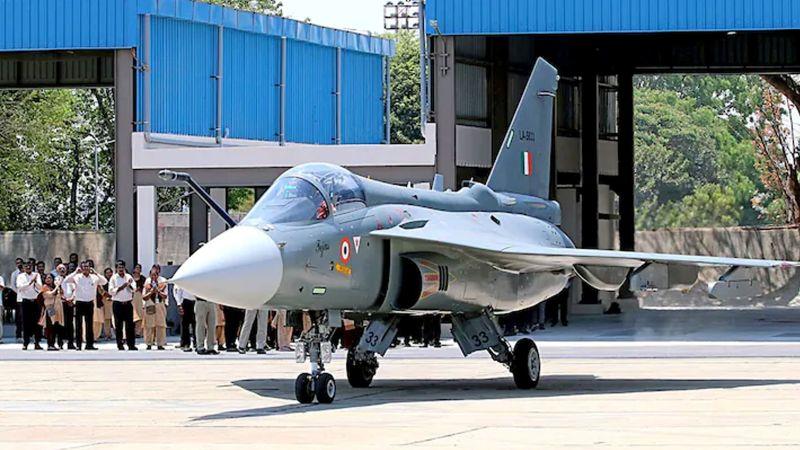
Karnataka vs Andhra: Tug of War Over HAL Expansion
A new political tug-of-war has emerged between Karnataka and Andhra Pradesh over the expansion of Hindustan Aeronautics Limited (HAL), India’s leading defence and aerospace manufacturer. The controversy was triggered after Andhra Pradesh Chief Minister N Chandrababu Naidu pitched the idea of setting up a new greenfield HAL facility in Lepakshi, just 70 km from the Karnataka border. This proposal, made during his recent meetings with Union Defence Minister Rajnath Singh, aims to support
Karnataka vs Andhra: Tug of War Over HAL Expansion
A new political tug-of-war has emerged between Karnataka and Andhra Pradesh over the expansion of Hindustan Aeronautics Limited (HAL), India’s leading defence and aerospace manufacturer. The controversy was triggered after Andhra Pradesh Chief Minister N Chandrababu Naidu pitched the idea of setting up a new greenfield HAL facility in Lepakshi, just 70 km from the Karnataka border. This proposal, made during his recent meetings with Union Defence Minister Rajnath Singh, aims to support

NAL Scientist Recruitment 2025: Apply for 30 Vacancies, Salary Up to Rs 1.35 Lakh, Eligibility & More
National Aerospace Laboratories (NAL), a premier aerospace research institution under the Council of Scientific and Industrial Research (CSIR), has announced the recruitment of 30 Scientist vacancies for 2025. The recruitment drive offers a competitive salary package, job security, and career growth opportunities in the aerospace sector.The online application process is now open at nal.res.in, and the last date to apply is March 3,
NAL Scientist Recruitment 2025: Apply for 30 Vacancies, Salary Up to Rs 1.35 Lakh, Eligibility & More
National Aerospace Laboratories (NAL), a premier aerospace research institution under the Council of Scientific and Industrial Research (CSIR), has announced the recruitment of 30 Scientist vacancies for 2025. The recruitment drive offers a competitive salary package, job security, and career growth opportunities in the aerospace sector.The online application process is now open at nal.res.in, and the last date to apply is March 3,

Firefly Aerospace’s Blue Ghost Lunar Lander Set for Historic Landing at Mons Latreille on the Moon
Firefly Aerospace’s Blue Ghost lunar lander is on track to achieve a historic landing on the Moon, marking a significant milestone in NASA’s lunar exploration efforts. As part of NASA’s Commercial Lunar Payload Services (CLPS) program, Blue Ghost will play a key role in gathering scientific data to support future lunar missions under the Artemis program.The spacecraft has been steadily lowering its orbit around the Moon, performing a crucial engine burn to reduce its altitud
Firefly Aerospace’s Blue Ghost Lunar Lander Set for Historic Landing at Mons Latreille on the Moon
Firefly Aerospace’s Blue Ghost lunar lander is on track to achieve a historic landing on the Moon, marking a significant milestone in NASA’s lunar exploration efforts. As part of NASA’s Commercial Lunar Payload Services (CLPS) program, Blue Ghost will play a key role in gathering scientific data to support future lunar missions under the Artemis program.The spacecraft has been steadily lowering its orbit around the Moon, performing a crucial engine burn to reduce its altitud

Air Chief Marshal Flags Tejas Delays, Urges Private Sector Involvement
Air Chief Marshal AP Singh has raised serious concerns about the ongoing delays in the delivery of the Tejas fighter aircraft, calling for an urgent boost in private sector partnerships for defence product development. Speaking at the 21st Subroto Mukherjee Seminar, Singh emphasized that R&D in defence becomes irrelevant if it doesn't meet its timelines, pointing out how the Tejas project, conceived in 1984, still faces delays. Despite its induction into the Indian Air Force in 2016,
Air Chief Marshal Flags Tejas Delays, Urges Private Sector Involvement
Air Chief Marshal AP Singh has raised serious concerns about the ongoing delays in the delivery of the Tejas fighter aircraft, calling for an urgent boost in private sector partnerships for defence product development. Speaking at the 21st Subroto Mukherjee Seminar, Singh emphasized that R&D in defence becomes irrelevant if it doesn't meet its timelines, pointing out how the Tejas project, conceived in 1984, still faces delays. Despite its induction into the Indian Air Force in 2016,










