






Russian army dissent claims raise tension over Ukraine war
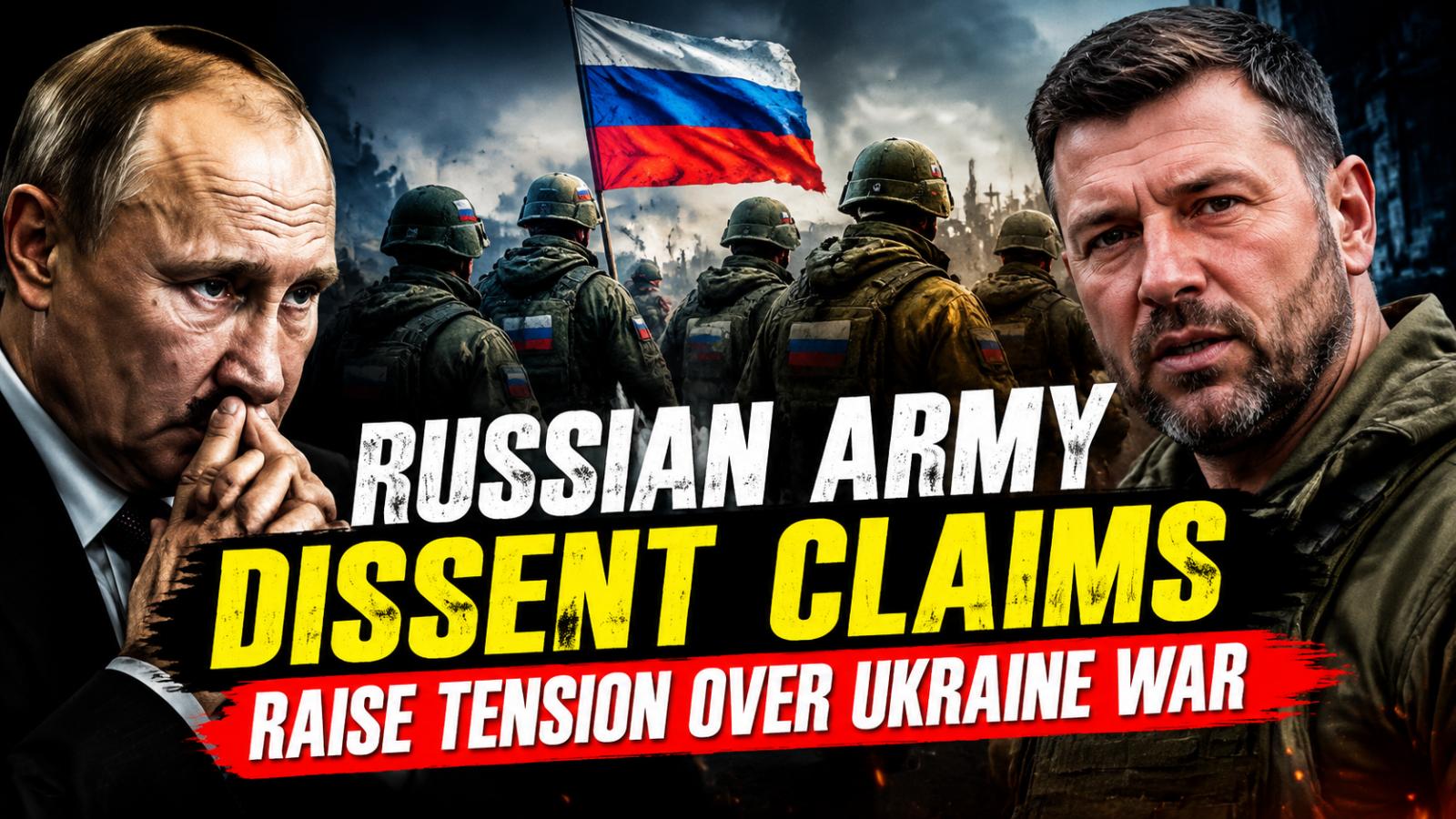
A video circulating online featuring former Russian volunteer commander Alexander Lunin has triggered discussion about possible internal strain within sections of Russia’s military. In the recording, he suggests that prolonged combat operations in Ukraine have created growing frustration among some soldiers, though no independent verification supports claims of organized unrest. The remarks have drawn attention because public criticism linke
Russian army dissent claims raise tension over Ukraine war
A video circulating online featuring former Russian volunteer commander Alexander Lunin has triggered discussion about possible internal strain within sections of Russia’s military. In the recording, he suggests that prolonged combat operations in Ukraine have created growing frustration among some soldiers, though no independent verification supports claims of organized unrest. The remarks have drawn attention because public criticism linke
Public sentiment shifts as US founders poll shows concern
A recent Gallup survey points to a noticeable shift in how Americans view the country’s long-term direction. A large majority of respondents believe the original founders of the United States would not be satisfied with how the nation has developed as it moves closer to 250 years of independence. The findings highlight a broader sense of uncertainty around civic direction and institutional confidence. Strong majority signals dissatisfaction According to the survey results, roughly 77% of adults feel that the nation has drifted away from the principles associated with its founding era. Only a small portion believe the founders would view the country positively today. The imbalance in responses reflects a clear dominance of dissatisfaction rather than divided optimism. Political identity shapes perception The responses vary significantly depending on political affiliation. People aligned with Republican views show relatively higher optimism compared to others, while Democrats are more likely to express disappointment in current national conditions. Independent respondents fall between the two groups, but overall sentiment across all categories leans toward concern rather than approval. This suggests that dissatisfaction is not confined to a single ideological group but is spread across the spectrum. Younger adults show sharper criticism Age plays an equally important role in shaping opinions. Younger adults are more likely to question whether the country has fulfilled its founding ideals, while older groups tend to express slightly more confidence in national progress over time. This generational gap highlights a difference in expectations, with younger respondents showing lower trust in institutional outcomes. Mixed perception of national progress Despite the dominant view of disappointment, a portion of respondents still acknowledge measurable progress over time. Some believe the country has achieved at least a fair level of alignment with its founding principles, even if perfection remains out of reach. However, this recognition does not outweigh the broader concern reflected in the overall numbers. Broader implications of the findings The results point toward a country navigating contrasting perceptions of identity and progress. While historical pride remains present, it is increasingly accompanied by questions about direction, governance, and shared national values. The survey reflects not just political opinion, but a wider conversation about trust, expectations, and the future trajectory of American civic life.
Public sentiment shifts as US founders poll shows concern
A recent Gallup survey points to a noticeable shift in how Americans view the country’s long-term direction. A large majority of respondents believe the original founders of the United States would not be satisfied with how the nation has developed as it moves closer to 250 years of independence. The findings highlight a broader sense of uncertainty around civic direction and institutional confidence. Strong majority signals dissatisfaction According to the survey results, roughly 77% of adults feel that the nation has drifted away from the principles associated with its founding era. Only a small portion believe the founders would view the country positively today. The imbalance in responses reflects a clear dominance of dissatisfaction rather than divided optimism. Political identity shapes perception The responses vary significantly depending on political affiliation. People aligned with Republican views show relatively higher optimism compared to others, while Democrats are more likely to express disappointment in current national conditions. Independent respondents fall between the two groups, but overall sentiment across all categories leans toward concern rather than approval. This suggests that dissatisfaction is not confined to a single ideological group but is spread across the spectrum. Younger adults show sharper criticism Age plays an equally important role in shaping opinions. Younger adults are more likely to question whether the country has fulfilled its founding ideals, while older groups tend to express slightly more confidence in national progress over time. This generational gap highlights a difference in expectations, with younger respondents showing lower trust in institutional outcomes. Mixed perception of national progress Despite the dominant view of disappointment, a portion of respondents still acknowledge measurable progress over time. Some believe the country has achieved at least a fair level of alignment with its founding principles, even if perfection remains out of reach. However, this recognition does not outweigh the broader concern reflected in the overall numbers. Broader implications of the findings The results point toward a country navigating contrasting perceptions of identity and progress. While historical pride remains present, it is increasingly accompanied by questions about direction, governance, and shared national values. The survey reflects not just political opinion, but a wider conversation about trust, expectations, and the future trajectory of American civic life.
Venezuela earthquake 7.5 magnitude leaves 235 dead
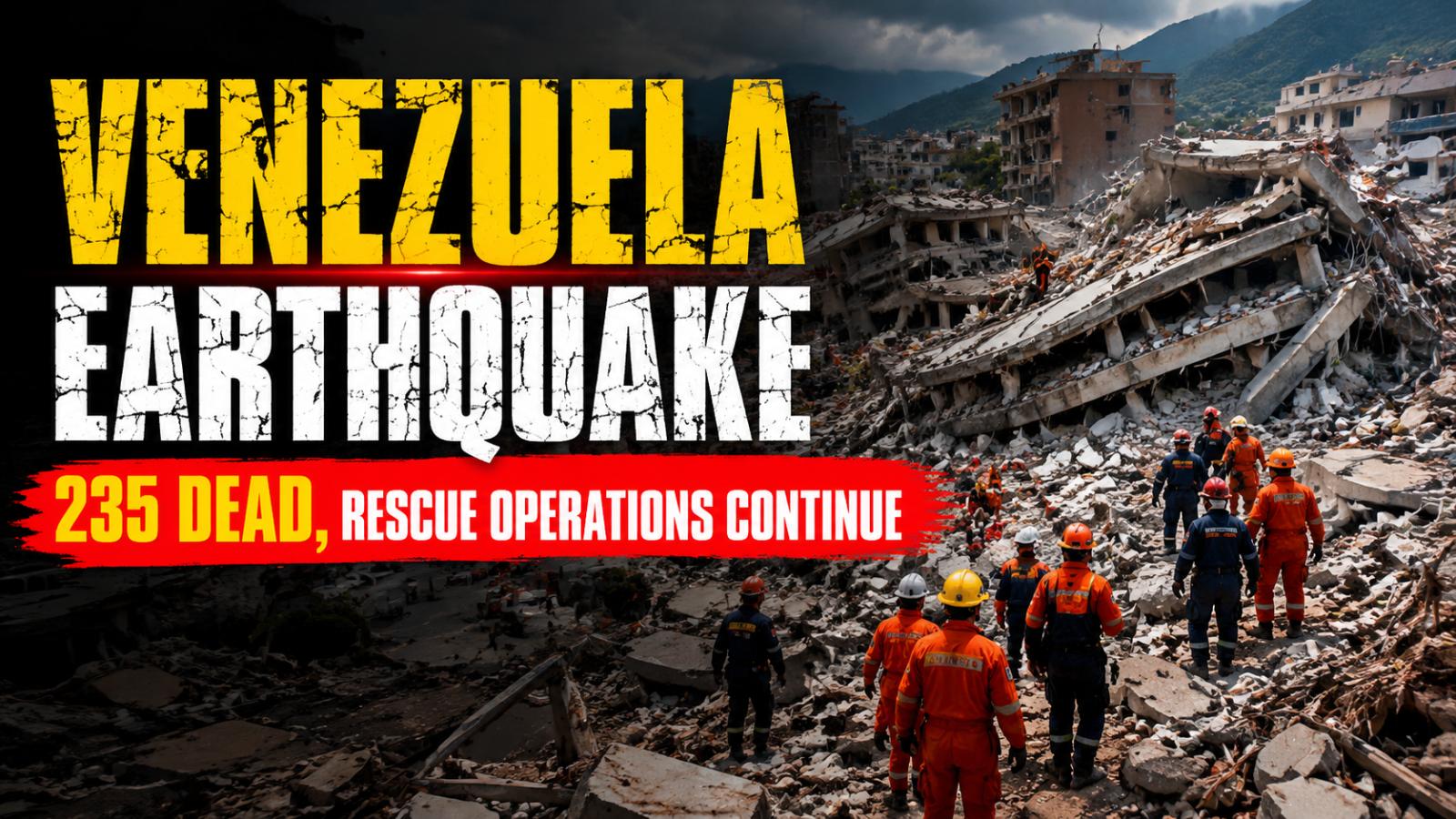
A major earthquake struck the northern coastline of Venezuela, causing severe destruction across coastal cities and leaving at least 235 people dead. The tremor, measured at magnitudes 7.2 to 7.5, hit suddenly and was felt across a wide stretch of the Caribbean region. Thousands of residents were forced out of their homes within minutes as buildings swayed and collapsed under the force of the shaking.
Venezuela earthquake 7.5 magnitude leaves 235 dead
A major earthquake struck the northern coastline of Venezuela, causing severe destruction across coastal cities and leaving at least 235 people dead. The tremor, measured at magnitudes 7.2 to 7.5, hit suddenly and was felt across a wide stretch of the Caribbean region. Thousands of residents were forced out of their homes within minutes as buildings swayed and collapsed under the force of the shaking.
Gulf US talks focus Gaza rebuild, Iran risks and Hormuz security
A recent round of discussions between the United States and Gulf Cooperation Council members centered on the future of Gaza, with a strong emphasis on preventing forced displacement and prioritizing civilian safety. The participating sides underscored that any population movement must remain voluntary and reversible, rejecting any framework that would permanently alter the demographic structure of the territory. The talks also reflected growin
Gulf US talks focus Gaza rebuild, Iran risks and Hormuz security
A recent round of discussions between the United States and Gulf Cooperation Council members centered on the future of Gaza, with a strong emphasis on preventing forced displacement and prioritizing civilian safety. The participating sides underscored that any population movement must remain voluntary and reversible, rejecting any framework that would permanently alter the demographic structure of the territory. The talks also reflected growin
Iran proposal on shipping charges draws US criticism
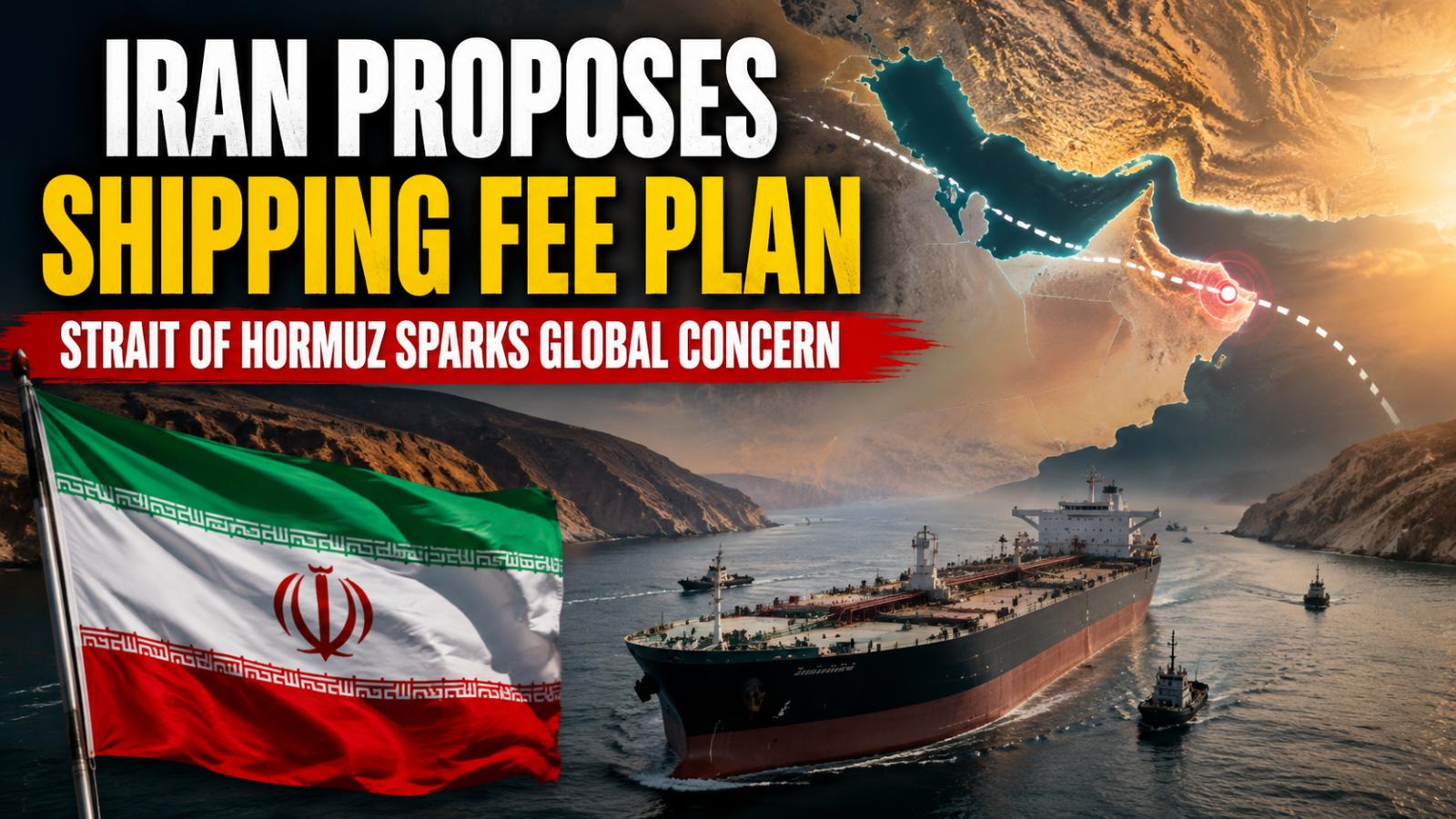
A proposal linked to Iran suggesting charges on vessels passing through the Strait of Hormuz has triggered renewed international attention on one of the world’s most sensitive maritime corridors. The passage connects the Persian Gulf to open oceans and handles a major share of global crude oil shipments, making even minor policy changes capable of influencing energy markets. Proposed fee structure and stated objectives The idea under discussion involves introducing a structured fee system for ships using the route. The proposal frames the charges as payments for services such as navigation safety, maritime monitoring, and environmental management. Early estimates circulating in policy discussions suggest the mechanism could generate substantial annual revenue if implemented at scale. However, the concept also raises immediate legal and operational questions, particularly regarding jurisdiction over international waters and the practicality of enforcing such a system on heavily trafficked global shipping lanes. Regional outreach and diplomatic positioning Reports indicate that discussions around the proposal have included outreach to several regional and global stakeholders, including major energy-importing nations. The objective appears to be building support for a shared governance or cost-sharing model for maritime traffic management in the region. Some interpretations suggest the plan is part of a broader effort to increase regional leverage over strategic trade routes. Others view it as an attempt to formalize compensation mechanisms for security responsibilities in a highly militarized shipping corridor. International reaction and US opposition The proposal has drawn clear resistance from the United States, which maintains that key international waterways must remain free for unrestricted commercial passage. US officials argue that introducing toll-like systems could disrupt global supply chains and increase volatility in energy pricing. Concerns have also been raised by other maritime stakeholders who rely heavily on stable passage through the Strait of Hormuz for crude oil and liquefied natural gas transport. Any change in cost structure or transit policy is seen as having a direct impact on insurance premiums and shipping routes. Wider implications for global energy markets The debate comes at a time when global energy markets remain highly sensitive to geopolitical developments in the Gulf region. Even the perception of restricted access or added transit costs can influence oil price expectations and shipping risk assessments. Analysts note that the discussion highlights ongoing tensions between strategic control of critical chokepoints and the principle of open international navigation. The outcome of such proposals could shape future frameworks governing global energy transport corridors.
Iran proposal on shipping charges draws US criticism
A proposal linked to Iran suggesting charges on vessels passing through the Strait of Hormuz has triggered renewed international attention on one of the world’s most sensitive maritime corridors. The passage connects the Persian Gulf to open oceans and handles a major share of global crude oil shipments, making even minor policy changes capable of influencing energy markets. Proposed fee structure and stated objectives The idea under discussion involves introducing a structured fee system for ships using the route. The proposal frames the charges as payments for services such as navigation safety, maritime monitoring, and environmental management. Early estimates circulating in policy discussions suggest the mechanism could generate substantial annual revenue if implemented at scale. However, the concept also raises immediate legal and operational questions, particularly regarding jurisdiction over international waters and the practicality of enforcing such a system on heavily trafficked global shipping lanes. Regional outreach and diplomatic positioning Reports indicate that discussions around the proposal have included outreach to several regional and global stakeholders, including major energy-importing nations. The objective appears to be building support for a shared governance or cost-sharing model for maritime traffic management in the region. Some interpretations suggest the plan is part of a broader effort to increase regional leverage over strategic trade routes. Others view it as an attempt to formalize compensation mechanisms for security responsibilities in a highly militarized shipping corridor. International reaction and US opposition The proposal has drawn clear resistance from the United States, which maintains that key international waterways must remain free for unrestricted commercial passage. US officials argue that introducing toll-like systems could disrupt global supply chains and increase volatility in energy pricing. Concerns have also been raised by other maritime stakeholders who rely heavily on stable passage through the Strait of Hormuz for crude oil and liquefied natural gas transport. Any change in cost structure or transit policy is seen as having a direct impact on insurance premiums and shipping routes. Wider implications for global energy markets The debate comes at a time when global energy markets remain highly sensitive to geopolitical developments in the Gulf region. Even the perception of restricted access or added transit costs can influence oil price expectations and shipping risk assessments. Analysts note that the discussion highlights ongoing tensions between strategic control of critical chokepoints and the principle of open international navigation. The outcome of such proposals could shape future frameworks governing global energy transport corridors.
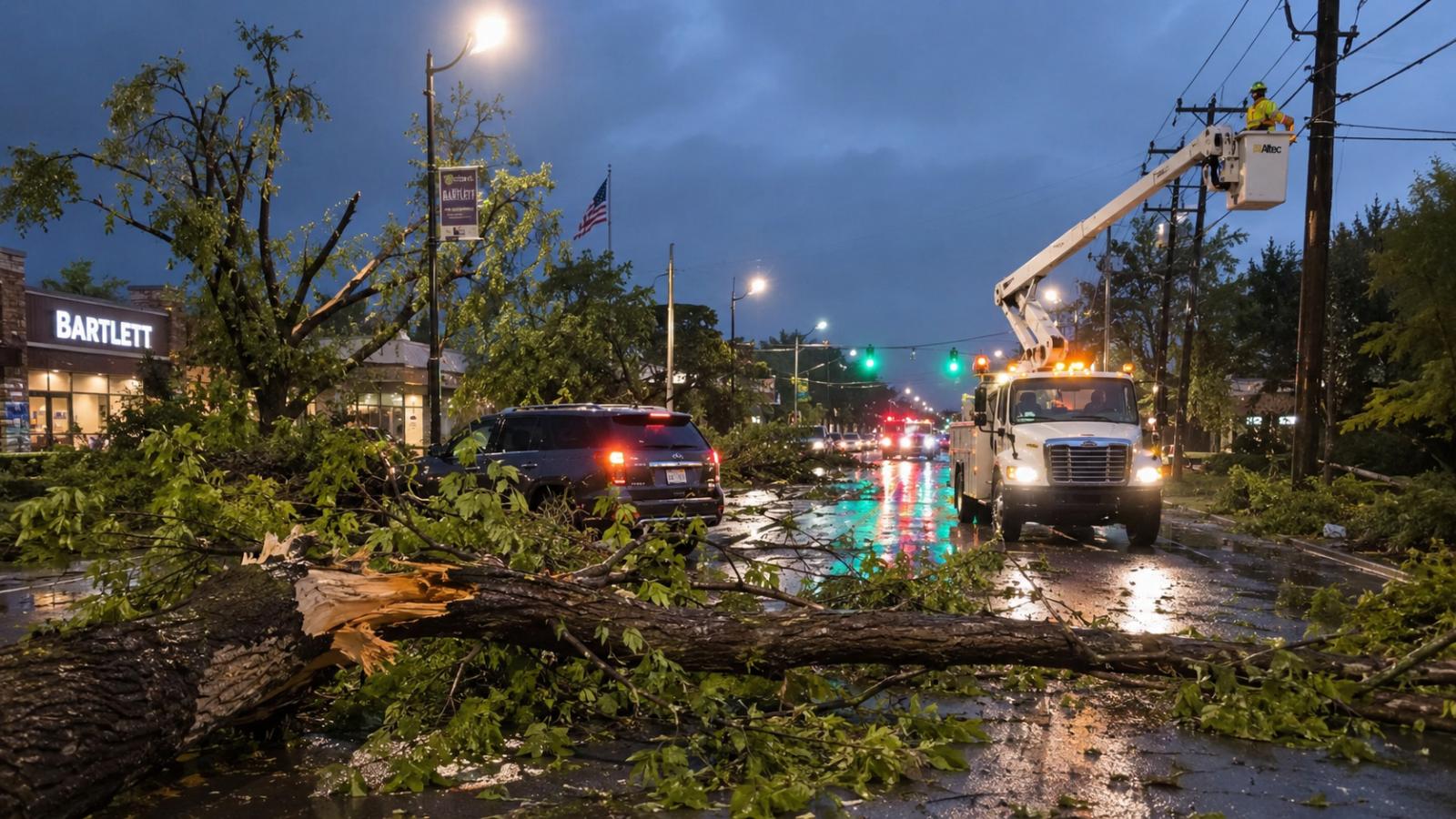
Chicago Suburbs Storm Damage Topples Trees, Cuts Power to Thousands
Chicago suburbs storm damage toppled trees and power lines, flooded roads and left nearly 3,000 ComEd customers without electricity after powerful storms crossed northeastern Illinois. Tornado and flash-flood warnings were issued as damaging winds, hail and heavy rain affected communities northwest of Chicago and parts of the city. Chicago Suburbs Storm Damage Hits Bartlett In Ba
Chicago Suburbs Storm Damage Topples Trees, Cuts Power to Thousands
Chicago suburbs storm damage toppled trees and power lines, flooded roads and left nearly 3,000 ComEd customers without electricity after powerful storms crossed northeastern Illinois. Tornado and flash-flood warnings were issued as damaging winds, hail and heavy rain affected communities northwest of Chicago and parts of the city. Chicago Suburbs Storm Damage Hits Bartlett In Ba
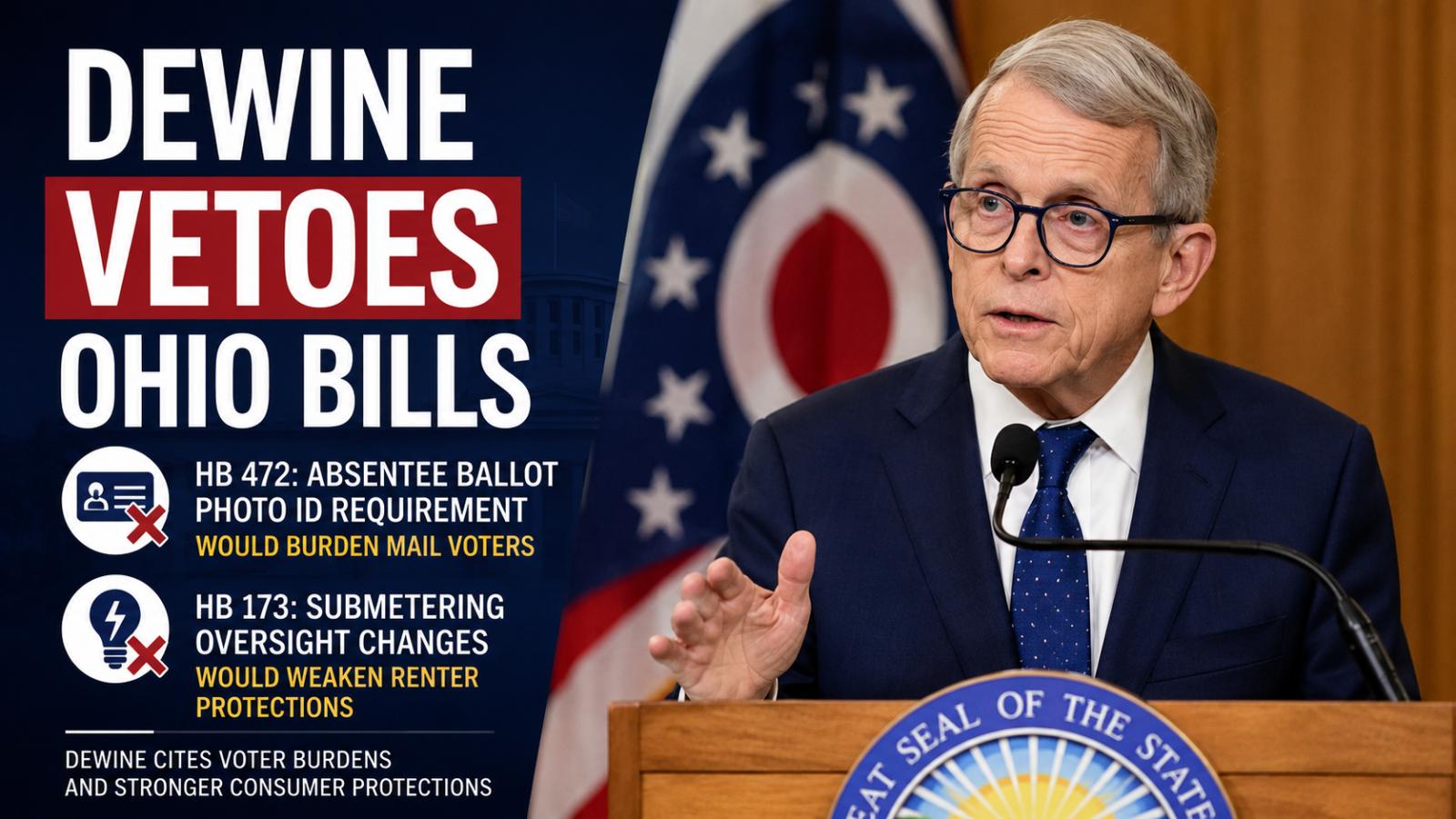
DeWine Vetoes Ohio Absentee Ballot ID and Submetering Bills
Ohio Gov. Mike DeWine vetoed the Ohio absentee ballot ID bill and a separate electric submetering measure on Wednesday night, June 24, 2026, blocking changes that would have affected mail voters and renters across the state. The Republican governor announced the vetoes in Columbus after the Ohio General Assembly ended its latest work period. No additional legislative sessions were scheduled until after the November election. Why DeWine vetoed the Ohio absentee bal
DeWine Vetoes Ohio Absentee Ballot ID and Submetering Bills
Ohio Gov. Mike DeWine vetoed the Ohio absentee ballot ID bill and a separate electric submetering measure on Wednesday night, June 24, 2026, blocking changes that would have affected mail voters and renters across the state. The Republican governor announced the vetoes in Columbus after the Ohio General Assembly ended its latest work period. No additional legislative sessions were scheduled until after the November election. Why DeWine vetoed the Ohio absentee bal

Telugu NRI Voter Registration: SATA Seeks Online Help in Andhra Pradesh, Telangana
The Saudi Arabia Telugu Association has called for stronger Telugu NRI voter registration support in Andhra Pradesh and Telangana, including online verification services and outreach in the Telugu language. The Hyderabad-based association, known as SATA, said Telugu citizens living overseas may be unsure whether they need to register, update their information or respond to requests connected to electoral-roll revisions. The association’s statement listed
Telugu NRI Voter Registration: SATA Seeks Online Help in Andhra Pradesh, Telangana
The Saudi Arabia Telugu Association has called for stronger Telugu NRI voter registration support in Andhra Pradesh and Telangana, including online verification services and outreach in the Telugu language. The Hyderabad-based association, known as SATA, said Telugu citizens living overseas may be unsure whether they need to register, update their information or respond to requests connected to electoral-roll revisions. The association’s statement listed
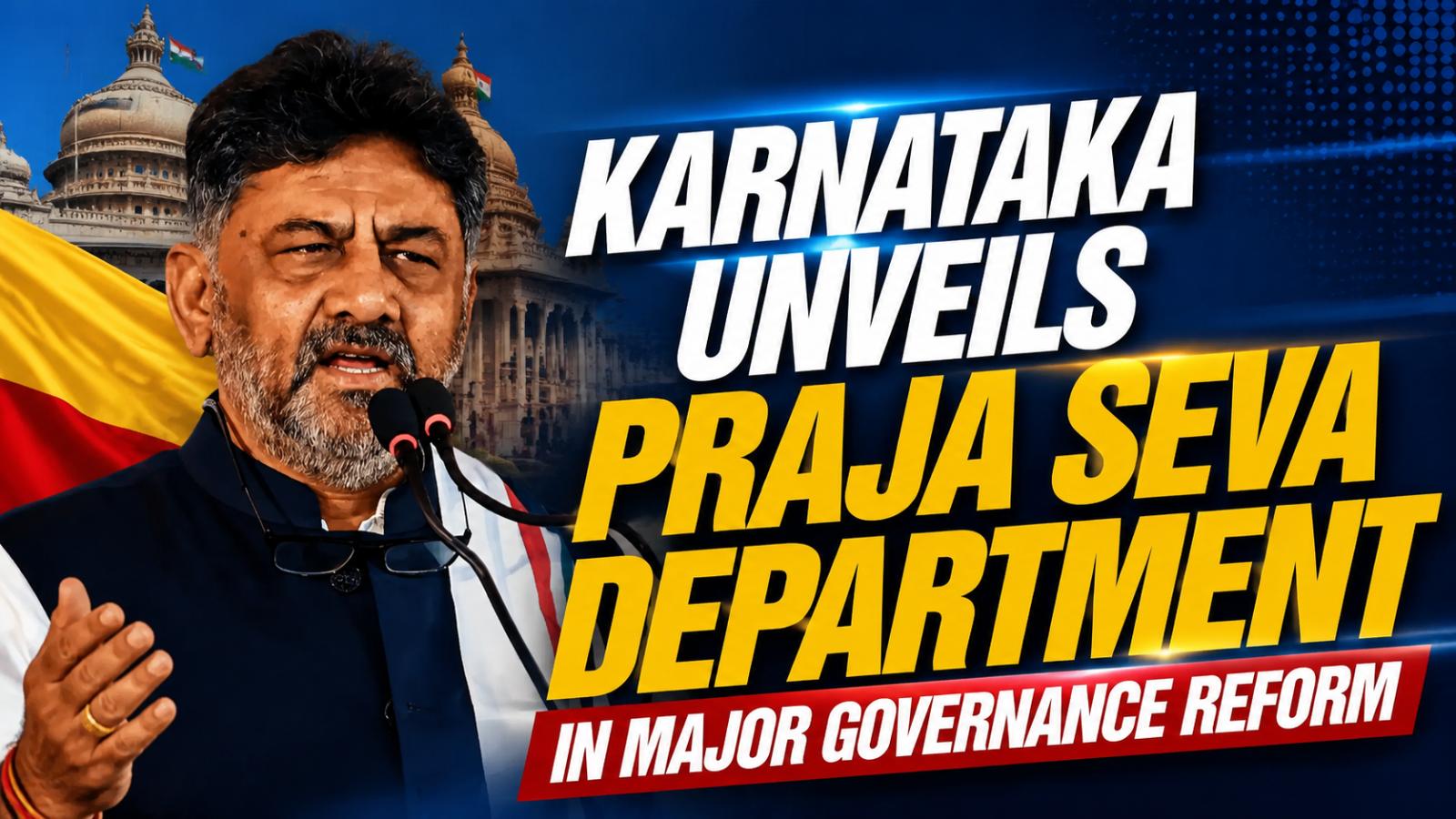
Karnataka Launches Praja Seva Department For Faster Public Services
Karnataka Unveils Praja Seva Department In Major Governance Reform In a significant move aimed at transforming public administration and enhancing service delivery, the Karnataka government has established a new Praja Seva Department by bringing together several key governance and citizen-service wings under one umbrella. The decision, approved by the state Cabinet and formalised through a government order issued on June 24, is being viewed as a major step towards b
Karnataka Launches Praja Seva Department For Faster Public Services
Karnataka Unveils Praja Seva Department In Major Governance Reform In a significant move aimed at transforming public administration and enhancing service delivery, the Karnataka government has established a new Praja Seva Department by bringing together several key governance and citizen-service wings under one umbrella. The decision, approved by the state Cabinet and formalised through a government order issued on June 24, is being viewed as a major step towards b
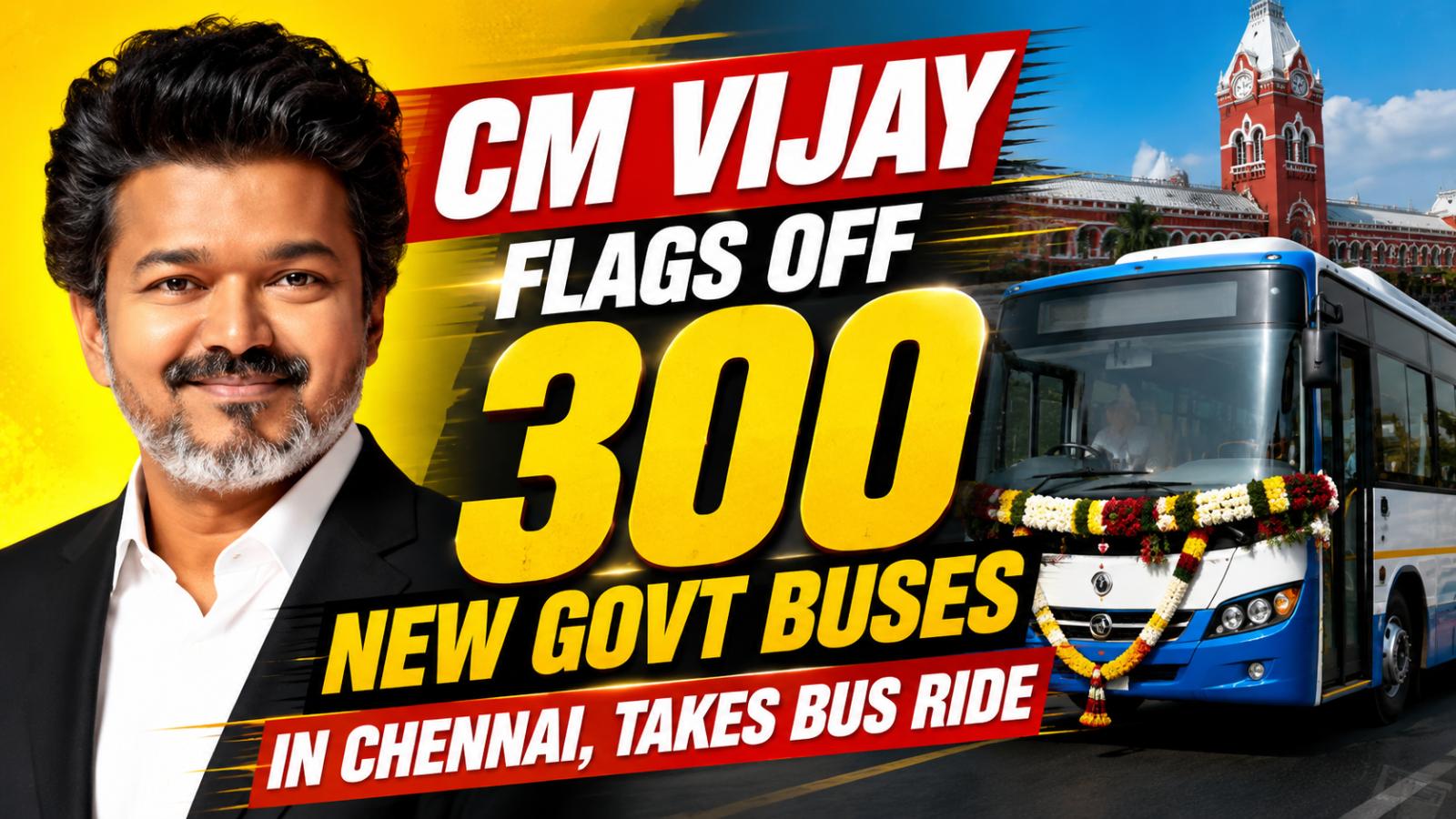
CM Vijay Launches 300 New Buses, Takes Ride Across Chennai
Tamil Nadu Adds 300 New Buses To Public Transport Fleet In a significant move aimed at strengthening public transportation services across Tamil Nadu, Chief Minister C Joseph Vijay on Thursday, June 25, 2026, inaugurated 300 new buses procured by the State Transport Corporation at an estimated cost of Rs 127.21 crore. The buses were flagged off from major transit hubs, including Kilambakkam and Koyambedu bus terminals in Chennai, and began operations immediately aft
CM Vijay Launches 300 New Buses, Takes Ride Across Chennai
Tamil Nadu Adds 300 New Buses To Public Transport Fleet In a significant move aimed at strengthening public transportation services across Tamil Nadu, Chief Minister C Joseph Vijay on Thursday, June 25, 2026, inaugurated 300 new buses procured by the State Transport Corporation at an estimated cost of Rs 127.21 crore. The buses were flagged off from major transit hubs, including Kilambakkam and Koyambedu bus terminals in Chennai, and began operations immediately aft
Cpim-BJP Clash Erupts at Thiruvananthapuram Corporation Over Oath Row
A political confrontation at the Thiruvananthapuram Corporation escalated into a brief scuffle between CPI(M) and BJP councillors on Thursday. The clash was triggered by ongoing disputes over a controversial oath-taking issue and demands for the resignation of a BJP councillor facing legal action. Cpim Protest Intensifies Over Councillor and Oath Controversy Tension gripped the Thiruvananthapuram Corporation premises after CPI(M) councillors staged a prot
Cpim-BJP Clash Erupts at Thiruvananthapuram Corporation Over Oath Row
A political confrontation at the Thiruvananthapuram Corporation escalated into a brief scuffle between CPI(M) and BJP councillors on Thursday. The clash was triggered by ongoing disputes over a controversial oath-taking issue and demands for the resignation of a BJP councillor facing legal action. Cpim Protest Intensifies Over Councillor and Oath Controversy Tension gripped the Thiruvananthapuram Corporation premises after CPI(M) councillors staged a prot

Tungabhadra gates inaugurated in Hosapete by three CMs
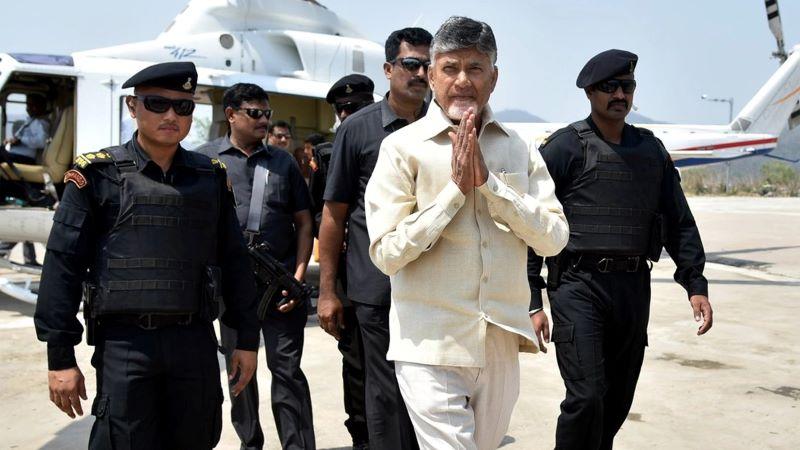
According to reports from June 25, 2026, leaders from Andhra Pradesh, Telangana, and Karnataka gathered in Hosapete (Hospet), Karnataka, ahead of the inauguration of the newly installed gates at the Tungabhadra Dam. The event was attended by Union Jal Shakti Minister C. R.
Tungabhadra gates inaugurated in Hosapete by three CMs
According to reports from June 25, 2026, leaders from Andhra Pradesh, Telangana, and Karnataka gathered in Hosapete (Hospet), Karnataka, ahead of the inauguration of the newly installed gates at the Tungabhadra Dam. The event was attended by Union Jal Shakti Minister C. R.
Summer Davos spotlights US China economic friction
The gathering in Dalian under the World Economic Forum’s “Summer Davos” platform brought together policymakers, business leaders and economists at a time when global growth signals are weakening. The discussions reflected a clear shift in tone: confidence in stable trade expansion is fading, replaced by concern over fragmentation and competing economic blocs. US–China
Summer Davos spotlights US China economic friction
The gathering in Dalian under the World Economic Forum’s “Summer Davos” platform brought together policymakers, business leaders and economists at a time when global growth signals are weakening. The discussions reflected a clear shift in tone: confidence in stable trade expansion is fading, replaced by concern over fragmentation and competing economic blocs. US–China
Khaan Quest 2026 brings 18 nations to Mongolia drill
Khaan Quest 2026 has officially begun at the Five Hills Training Area near Ulaanbaatar, marking one of the largest annual UN peacekeeping training exercises in the region. The drill brings together troops from 18 nations, with a focus on improving coordination in complex peace support environments. More than 1,000 personnel are taking part in structured field training designed to replicate real-world mission conditions under United Nations mandates. India strengthens peacekeeping engagement through participation The Indian Army has deployed a 40-member contingent for the exercise, including personnel from a battalion of the JAT Regiment along with supporting arms. Their participation reflects India’s continued operational commitment to global peacekeeping frameworks. Indian troops are actively engaged in tactical drills such as area domination, checkpoint operations, search procedures, and controlled movement scenarios that simulate volatile environments. Training designed for real-world mission readiness The exercise is structured around practical peacekeeping scenarios where multinational forces must operate under unified command conditions. Activities include convoy protection, casualty evacuation drills, and humanitarian response simulations. A strong emphasis is placed on interoperability, ensuring that forces from different countries can communicate and operate seamlessly during international deployments. Women, Peace and Security module gains importance A dedicated training segment on Women, Peace and Security is a key feature of this year’s exercise. It focuses on improving gender awareness in operational settings, strengthening civilian protection measures, and encouraging greater participation of women in peacekeeping roles. The module is designed to reflect evolving global expectations in modern conflict management. Exercise highlights growing global coordination Khaan Quest began as a bilateral initiative between Mongolia and the United States in the early 2000s and has since expanded into a multinational platform co-sponsored by US Indo-Pacific Command. Over the years, it has evolved into a key training ground for preparing forces for UN peace operations. The 2026 edition reinforces international cooperation, operational readiness, and shared security practices among participating nations. Strategic relevance of Khaan Quest 2026 The exercise serves as more than just a training event—it acts as a platform for military diplomacy and operational alignment among partner countries. By working together in simulated peace missions, participating forces strengthen trust, improve tactical compatibility, and enhance readiness for future UN deployments in conflict and post-conflict zones.
Khaan Quest 2026 brings 18 nations to Mongolia drill
Khaan Quest 2026 has officially begun at the Five Hills Training Area near Ulaanbaatar, marking one of the largest annual UN peacekeeping training exercises in the region. The drill brings together troops from 18 nations, with a focus on improving coordination in complex peace support environments. More than 1,000 personnel are taking part in structured field training designed to replicate real-world mission conditions under United Nations mandates. India strengthens peacekeeping engagement through participation The Indian Army has deployed a 40-member contingent for the exercise, including personnel from a battalion of the JAT Regiment along with supporting arms. Their participation reflects India’s continued operational commitment to global peacekeeping frameworks. Indian troops are actively engaged in tactical drills such as area domination, checkpoint operations, search procedures, and controlled movement scenarios that simulate volatile environments. Training designed for real-world mission readiness The exercise is structured around practical peacekeeping scenarios where multinational forces must operate under unified command conditions. Activities include convoy protection, casualty evacuation drills, and humanitarian response simulations. A strong emphasis is placed on interoperability, ensuring that forces from different countries can communicate and operate seamlessly during international deployments. Women, Peace and Security module gains importance A dedicated training segment on Women, Peace and Security is a key feature of this year’s exercise. It focuses on improving gender awareness in operational settings, strengthening civilian protection measures, and encouraging greater participation of women in peacekeeping roles. The module is designed to reflect evolving global expectations in modern conflict management. Exercise highlights growing global coordination Khaan Quest began as a bilateral initiative between Mongolia and the United States in the early 2000s and has since expanded into a multinational platform co-sponsored by US Indo-Pacific Command. Over the years, it has evolved into a key training ground for preparing forces for UN peace operations. The 2026 edition reinforces international cooperation, operational readiness, and shared security practices among participating nations. Strategic relevance of Khaan Quest 2026 The exercise serves as more than just a training event—it acts as a platform for military diplomacy and operational alignment among partner countries. By working together in simulated peace missions, participating forces strengthen trust, improve tactical compatibility, and enhance readiness for future UN deployments in conflict and post-conflict zones.
US Senate reverses stance on Iran war powers resolution
A closely watched Senate vote on a resolution linked to presidential war authority over Iran took an unexpected turn after several Republican lawmakers altered their positions. The measure, which focused on limiting executive flexibility in military action, ended up reflecting a divided but shifting political landscape rather than a clear consensus. Political negotiations behind the scenes The change in voting pattern followed internal discussions among Republican senators and briefings from senior administration figures. Lawmakers who initially leaned toward restricting presidential authority later adjusted their stance after being updated on diplomatic and security considerations related to Iran. The shift underscored how quickly positions can move when strategic briefings and party pressure converge. Key senators adjust positions Among those influencing the outcome were Senator Bill Cassidy and Senator Rand Paul. Cassidy moved away from his earlier support for tighter restrictions after consultations with White House representatives. Rand Paul maintained his broader skepticism toward expansive executive war powers but opted for a procedural position that reflected his long-standing policy concerns without directly blocking the measure. Trump frames outcome as political leverage President Donald Trump responded to the Senate outcome by framing it as a strengthening of US negotiating leverage in relation to Iran. His public remarks highlighted the vote as evidence of alignment within the Republican Party on foreign policy strategy. While the resolution itself remains largely symbolic, it has become a focal point in the wider debate over presidential authority and congressional oversight. Broader implications for US foreign policy The vote shift reflects ongoing tension in Washington over how much autonomy the executive branch should hold in matters of military engagement. Supporters of stronger presidential powers argue for flexibility in fast-moving geopolitical situations, while critics warn against reducing congressional oversight. The Iran-related vote has now become another reference point in that broader constitutional debate.
US Senate reverses stance on Iran war powers resolution
A closely watched Senate vote on a resolution linked to presidential war authority over Iran took an unexpected turn after several Republican lawmakers altered their positions. The measure, which focused on limiting executive flexibility in military action, ended up reflecting a divided but shifting political landscape rather than a clear consensus. Political negotiations behind the scenes The change in voting pattern followed internal discussions among Republican senators and briefings from senior administration figures. Lawmakers who initially leaned toward restricting presidential authority later adjusted their stance after being updated on diplomatic and security considerations related to Iran. The shift underscored how quickly positions can move when strategic briefings and party pressure converge. Key senators adjust positions Among those influencing the outcome were Senator Bill Cassidy and Senator Rand Paul. Cassidy moved away from his earlier support for tighter restrictions after consultations with White House representatives. Rand Paul maintained his broader skepticism toward expansive executive war powers but opted for a procedural position that reflected his long-standing policy concerns without directly blocking the measure. Trump frames outcome as political leverage President Donald Trump responded to the Senate outcome by framing it as a strengthening of US negotiating leverage in relation to Iran. His public remarks highlighted the vote as evidence of alignment within the Republican Party on foreign policy strategy. While the resolution itself remains largely symbolic, it has become a focal point in the wider debate over presidential authority and congressional oversight. Broader implications for US foreign policy The vote shift reflects ongoing tension in Washington over how much autonomy the executive branch should hold in matters of military engagement. Supporters of stronger presidential powers argue for flexibility in fast-moving geopolitical situations, while critics warn against reducing congressional oversight. The Iran-related vote has now become another reference point in that broader constitutional debate.
Gaza peace plan divides leaders over disarmament terms
Fresh diplomatic discussions around a proposed Gaza peace framework have exposed deep divisions over how the territory should transition after conflict. The draft outlines a multi-step roadmap covering security arrangements, reconstruction and political governance, but key stakeholders remain split on the order in which these steps should take place. At the center of the disagreement is whether armed groups should be required to disarm before any political transition begins, or whether political recognition and state-building guarantees must come first to ensure balance in negotiations. Disarmament conditions trigger political tension One version of the proposal places disarmament as a prerequisite for rebuilding efforts and formal governance structures. Supporters of this approach argue that long-term stability cannot be achieved without removing weapons from non-state actors first. Opponents reject this sequencing, warning that it could leave Palestinian authorities without leverage in future talks. They argue that political rights and institutional recognition must be secured alongside any security commitments, not after them. This divide has become one of the most sensitive issues in the ongoing talks. Aid and reconstruction tied to compliance terms Another contested element involves humanitarian aid and reconstruction funding. Some draft interpretations suggest that international assistance could be linked to compliance with security benchmarks under the proposed roadmap. Critics say this risks turning basic recovery needs into conditional political tools, potentially slowing down urgently needed rebuilding efforts. Supporters argue that conditionality is necessary to prevent renewed escalation and ensure accountability during the transition phase. Governance model and external oversight concerns The proposed framework also includes the idea of an international oversight structure to stabilize post-conflict Gaza. While intended to support security coordination and administrative rebuilding, the concept has raised concerns about long-term external control. Questions remain unanswered over who would lead local governance, how authority would be transferred over time, and what limits would be placed on external involvement. These unresolved issues continue to slow consensus-building. Trust gap widens between negotiating sides Beyond policy disagreements, a broader trust deficit is shaping the talks. Each side interprets the roadmap differently, particularly on what constitutes compliance and political progress. This lack of shared definition has made it difficult to establish a clear sequence for implementation. Analysts note that without agreed enforcement mechanisms, even minor disputes could delay or derail the entire process. Fragile outlook for ceasefire implementation While discussions continue, the overall outlook remains uncertain. The success of any ceasefire arrangement depends on whether both sides can align on sequencing, accountability, and political guarantees. Without that alignment, observers warn that the proposed roadmap risks remaining a draft framework rather than becoming an actionable peace agreement.
Gaza peace plan divides leaders over disarmament terms
Fresh diplomatic discussions around a proposed Gaza peace framework have exposed deep divisions over how the territory should transition after conflict. The draft outlines a multi-step roadmap covering security arrangements, reconstruction and political governance, but key stakeholders remain split on the order in which these steps should take place. At the center of the disagreement is whether armed groups should be required to disarm before any political transition begins, or whether political recognition and state-building guarantees must come first to ensure balance in negotiations. Disarmament conditions trigger political tension One version of the proposal places disarmament as a prerequisite for rebuilding efforts and formal governance structures. Supporters of this approach argue that long-term stability cannot be achieved without removing weapons from non-state actors first. Opponents reject this sequencing, warning that it could leave Palestinian authorities without leverage in future talks. They argue that political rights and institutional recognition must be secured alongside any security commitments, not after them. This divide has become one of the most sensitive issues in the ongoing talks. Aid and reconstruction tied to compliance terms Another contested element involves humanitarian aid and reconstruction funding. Some draft interpretations suggest that international assistance could be linked to compliance with security benchmarks under the proposed roadmap. Critics say this risks turning basic recovery needs into conditional political tools, potentially slowing down urgently needed rebuilding efforts. Supporters argue that conditionality is necessary to prevent renewed escalation and ensure accountability during the transition phase. Governance model and external oversight concerns The proposed framework also includes the idea of an international oversight structure to stabilize post-conflict Gaza. While intended to support security coordination and administrative rebuilding, the concept has raised concerns about long-term external control. Questions remain unanswered over who would lead local governance, how authority would be transferred over time, and what limits would be placed on external involvement. These unresolved issues continue to slow consensus-building. Trust gap widens between negotiating sides Beyond policy disagreements, a broader trust deficit is shaping the talks. Each side interprets the roadmap differently, particularly on what constitutes compliance and political progress. This lack of shared definition has made it difficult to establish a clear sequence for implementation. Analysts note that without agreed enforcement mechanisms, even minor disputes could delay or derail the entire process. Fragile outlook for ceasefire implementation While discussions continue, the overall outlook remains uncertain. The success of any ceasefire arrangement depends on whether both sides can align on sequencing, accountability, and political guarantees. Without that alignment, observers warn that the proposed roadmap risks remaining a draft framework rather than becoming an actionable peace agreement.

Passport, Aadhaar And Voter ID May Not Be Final Proof Of Indian Citizenship
The recent clarification that an Indian passport is not legally considered conclusive proof of citizenship has sparked widespread discussion and confusion among citizens. For decades, passports, Aadhaar cards and voter ID cards have been widely accepted as the primary documents that establish a person's identity and nationality. However, under India's legal framework, these documents may not always serve as final proof of citizenship in certain legal or administrative si
Passport, Aadhaar And Voter ID May Not Be Final Proof Of Indian Citizenship
The recent clarification that an Indian passport is not legally considered conclusive proof of citizenship has sparked widespread discussion and confusion among citizens. For decades, passports, Aadhaar cards and voter ID cards have been widely accepted as the primary documents that establish a person's identity and nationality. However, under India's legal framework, these documents may not always serve as final proof of citizenship in certain legal or administrative si
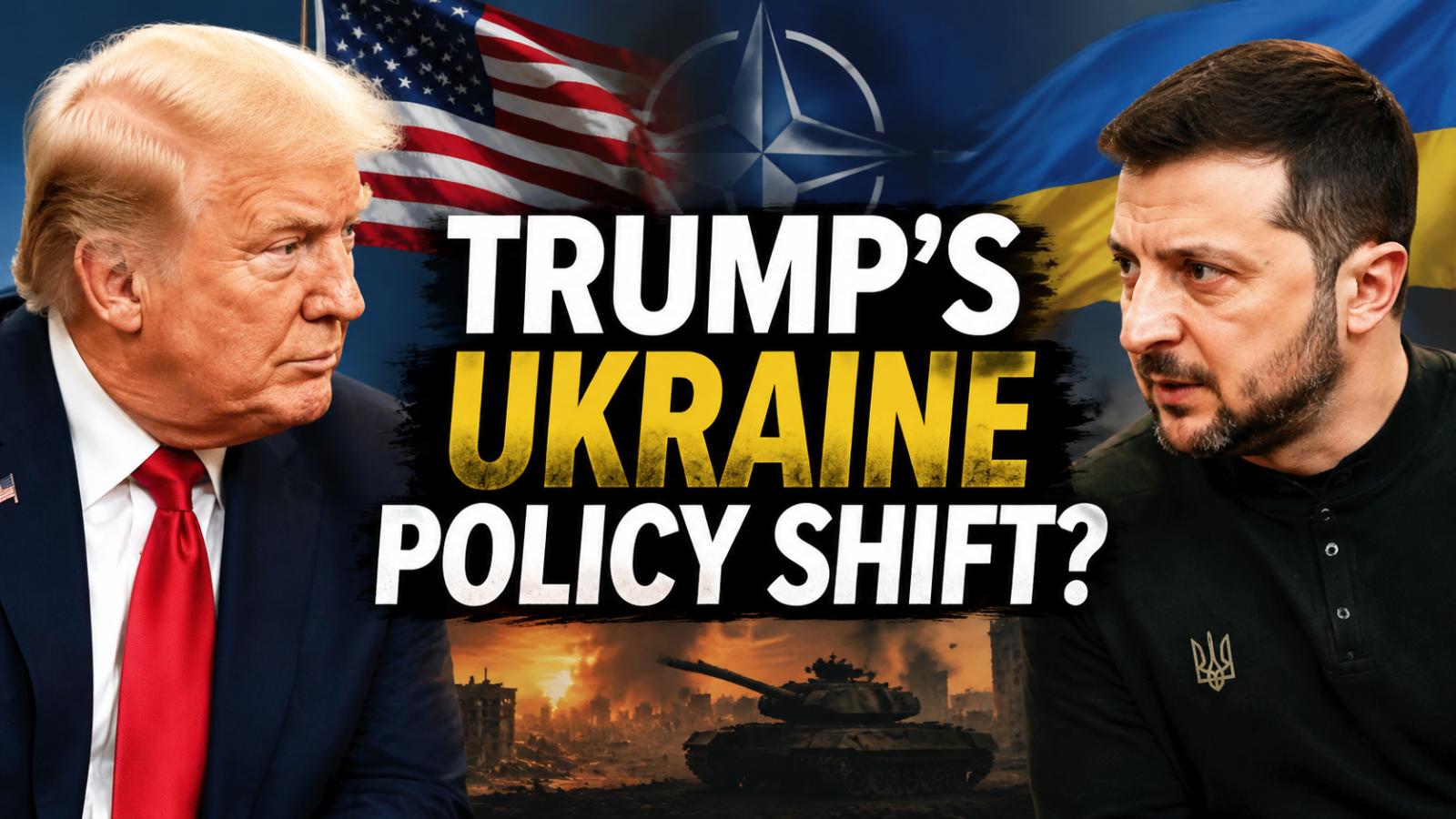
Trump signals softer tone on Zelensky amid Ukraine war shift
US President Donald Trump has recently shown a more measured tone when speaking about Ukrainian President Volodymyr Zelensky. During a public engagement alongside NATO leadership, Trump acknowledged Ukraine’s continued resistance in the war, describing its position as steady despite ongoing conflict. The comments mark a shift in tone compared to his earlier criticism and reflect a more cautious diplomatic posture from Washington. G7 coordination shapes US approach Recent discussions among G7 member nations have contributed to renewed alignment on Russia-related sanctions and energy strategy. Allied countries have been pushing for tighter coordination on restricting oil revenues linked to Moscow. This collective pressure has influenced US policy thinking, encouraging a more structured approach rather than isolated action. The focus remains on balancing economic pressure with long-term stability in global energy markets. Battlefield situation influences political messaging Developments on the ground in Ukraine continue to play a key role in shaping international responses. Reports of Ukraine expanding its operational reach and sustaining defensive positions have strengthened its bargaining position in diplomatic discussions. These battlefield realities are increasingly reflected in political messaging, as Western leaders reassess how the conflict may evolve over time. Energy markets and global risks remain central Global energy stability remains a key factor in foreign policy decisions. Earlier concerns linked to Middle East tensions and potential disruptions in key shipping routes had raised oil market uncertainty. As conditions show signs of stabilisation, policymakers are gaining more room to consider stricter measures on Russian energy exports without immediate economic disruption. Diplomatic outlook remains uncertain Despite continued international engagement, progress toward direct peace negotiations between Russia and Ukraine remains limited. Positions on territorial control and security guarantees continue to block meaningful breakthroughs. While diplomatic channels remain open, there is no clear indication of a near-term resolution. The current US approach reflects a balance between maintaining pressure and keeping space for future negotiations.
Trump signals softer tone on Zelensky amid Ukraine war shift
US President Donald Trump has recently shown a more measured tone when speaking about Ukrainian President Volodymyr Zelensky. During a public engagement alongside NATO leadership, Trump acknowledged Ukraine’s continued resistance in the war, describing its position as steady despite ongoing conflict. The comments mark a shift in tone compared to his earlier criticism and reflect a more cautious diplomatic posture from Washington. G7 coordination shapes US approach Recent discussions among G7 member nations have contributed to renewed alignment on Russia-related sanctions and energy strategy. Allied countries have been pushing for tighter coordination on restricting oil revenues linked to Moscow. This collective pressure has influenced US policy thinking, encouraging a more structured approach rather than isolated action. The focus remains on balancing economic pressure with long-term stability in global energy markets. Battlefield situation influences political messaging Developments on the ground in Ukraine continue to play a key role in shaping international responses. Reports of Ukraine expanding its operational reach and sustaining defensive positions have strengthened its bargaining position in diplomatic discussions. These battlefield realities are increasingly reflected in political messaging, as Western leaders reassess how the conflict may evolve over time. Energy markets and global risks remain central Global energy stability remains a key factor in foreign policy decisions. Earlier concerns linked to Middle East tensions and potential disruptions in key shipping routes had raised oil market uncertainty. As conditions show signs of stabilisation, policymakers are gaining more room to consider stricter measures on Russian energy exports without immediate economic disruption. Diplomatic outlook remains uncertain Despite continued international engagement, progress toward direct peace negotiations between Russia and Ukraine remains limited. Positions on territorial control and security guarantees continue to block meaningful breakthroughs. While diplomatic channels remain open, there is no clear indication of a near-term resolution. The current US approach reflects a balance between maintaining pressure and keeping space for future negotiations.
Kerala Worker Killed In Qatar Blast: Vijayan Urges CM Action
Thiruvananthapuram, June 24: Leader of the Opposition in the Kerala Assembly, Pinarayi Vijayan, on Wednesday wrote to Chief Minister V D Satheesan, urging immediate steps to bring back the mortal remains of Arjun, a Keralite worker who died in an explosion at an industrial facility in Qatar. Arjun, a native of Kozhikode district, was working at the Barzan gas facility in Ras Laffan Industrial City when the incident occurre
Kerala Worker Killed In Qatar Blast: Vijayan Urges CM Action
Thiruvananthapuram, June 24: Leader of the Opposition in the Kerala Assembly, Pinarayi Vijayan, on Wednesday wrote to Chief Minister V D Satheesan, urging immediate steps to bring back the mortal remains of Arjun, a Keralite worker who died in an explosion at an industrial facility in Qatar. Arjun, a native of Kozhikode district, was working at the Barzan gas facility in Ras Laffan Industrial City when the incident occurre

Ram Charan meets Pawan Kalyan at Amaravati Jana Sena office
Family Visit in Amaravati Draws Attention Actor Ram Charan visited his uncle and Andhra Pradesh Deputy Chief Minister Pawan Kalyan in Amaravati, where the two spent an evening toge
Ram Charan meets Pawan Kalyan at Amaravati Jana Sena office
Family Visit in Amaravati Draws Attention Actor Ram Charan visited his uncle and Andhra Pradesh Deputy Chief Minister Pawan Kalyan in Amaravati, where the two spent an evening toge