










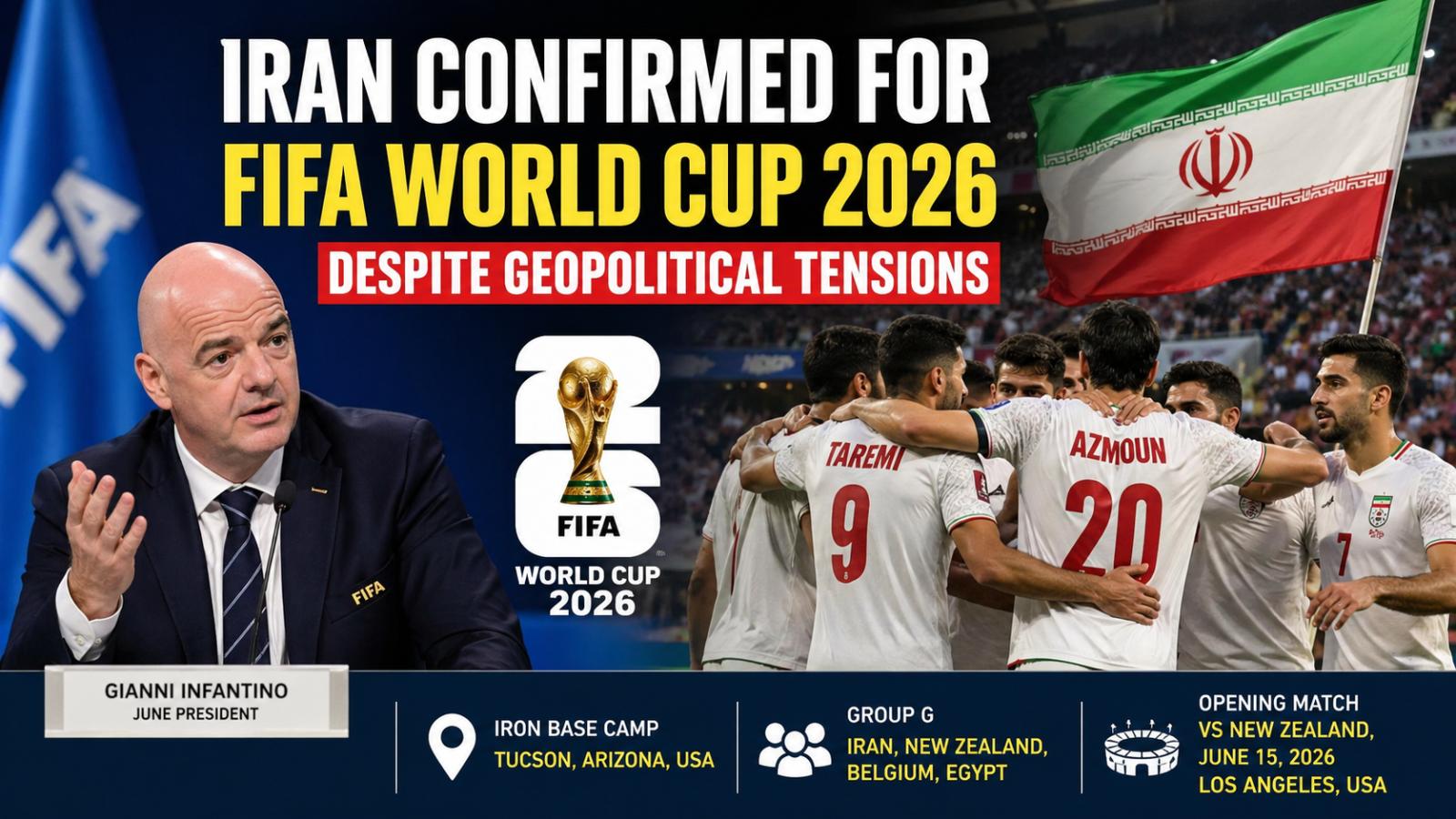
Iran confirmed for FIFA World Cup 2026 despite geopolitical tensions
FIFA confirmed Iran will play in the 2026 World Cup despite tensions with the U.S. Officials rejected relocation or replacement ideas. Iran missed the FIFA Congress after a Canada entry issue but remains set to compete in Group G. FIFA President Gianni Infantino has reaffirmed that Iran will participate in the
Iran confirmed for FIFA World Cup 2026 despite geopolitical tensions
FIFA confirmed Iran will play in the 2026 World Cup despite tensions with the U.S. Officials rejected relocation or replacement ideas. Iran missed the FIFA Congress after a Canada entry issue but remains set to compete in Group G. FIFA President Gianni Infantino has reaffirmed that Iran will participate in the
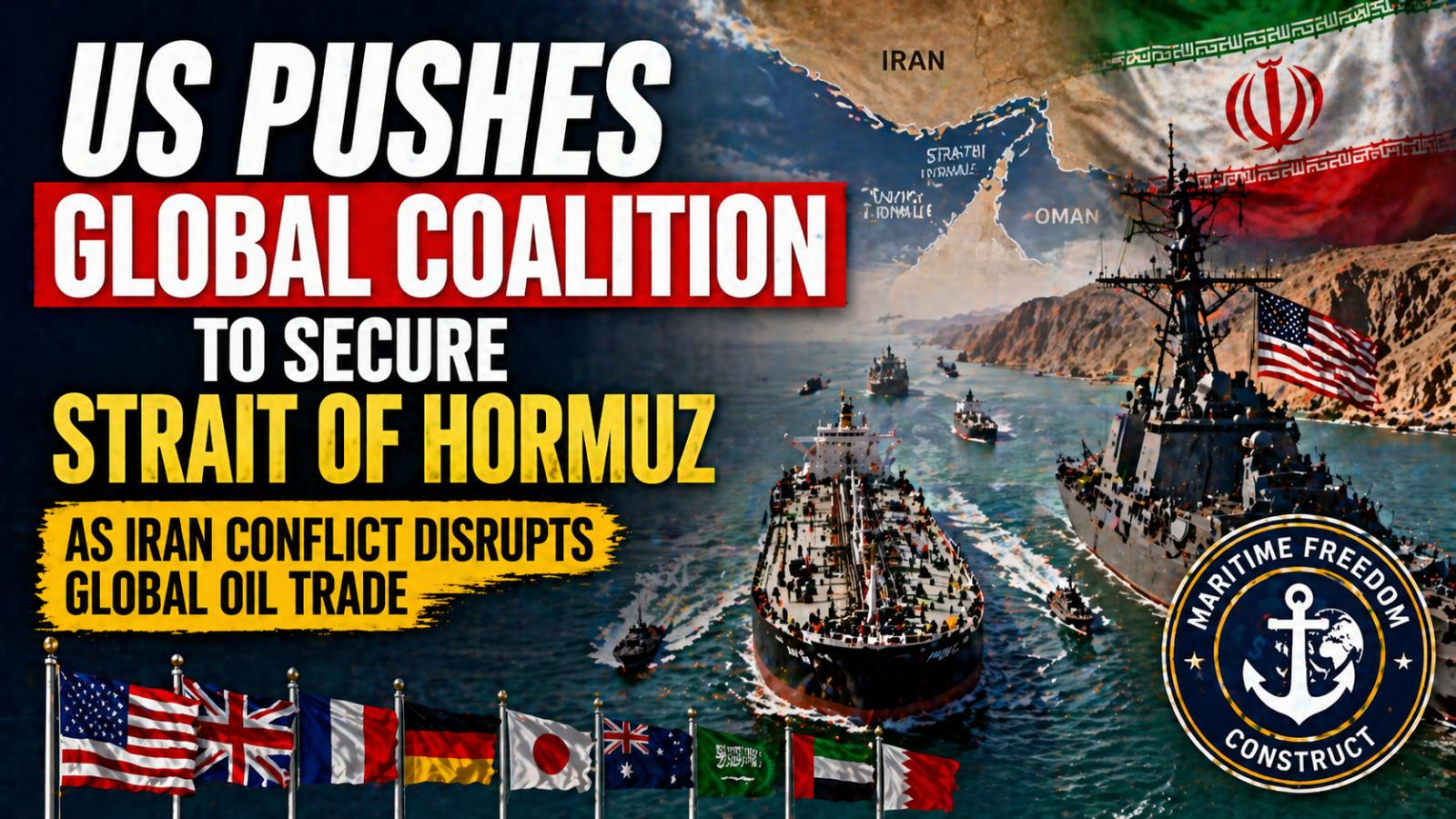
US pushes global coalition for Strait of Hormuz as Iran conflict disrupts oil trade
The United States is accelerating efforts to form a global coalition to secure the Strait of Hormuz, as the ongoing US-Iran conflict continues to disrupt critical shipping routes and drive volatility in global oil trade. The initiative, known as the Maritime Freedom Construct, aims to coordinate international maritime security, sanctions policy, and intelligence sharing to ensure safe navigation through one of the world’s most strategic waterways. The Strait of Hormuz, a narrow pa
US pushes global coalition for Strait of Hormuz as Iran conflict disrupts oil trade
The United States is accelerating efforts to form a global coalition to secure the Strait of Hormuz, as the ongoing US-Iran conflict continues to disrupt critical shipping routes and drive volatility in global oil trade. The initiative, known as the Maritime Freedom Construct, aims to coordinate international maritime security, sanctions policy, and intelligence sharing to ensure safe navigation through one of the world’s most strategic waterways. The Strait of Hormuz, a narrow pa

What causes Panchang confusion abroad? A USA-focused Vedic tool offers clarity
Why are Hindu calendar timings confusing in the USA? A new online Panchang solves it For many Indians living in the United States, following traditional Hindu practices often presents an unexpected challenge. Festivals, poojas, and important life events require precise timing, yet differences in Tithi, Nakshatra, and muhurthams across sources frequently create confusion. What appears as a simple search can quickly turn into uncertainty, especially when Indian calendar timings do not align with local US conditions. Why traditional Panchang timings do not match US locations The root of this issue lies in geography and time zones. Most Hindu calendars are calculated based on Indian Standard Time, where sunrise, sunset, and lunar positions differ significantly from those in the United States. Because Vedic calculations are location-sensitive, even a few hours’ difference can alter Tithi durations, Nakshatra transitions, and auspicious muhurthams. For NRIs, relying solely on Indian Panchang data can result in performing rituals at incorrect times, creating a growing need for location-specific accuracy. A USA-focused online Panchang addressing the gap To bridge this gap, a dedicated digital solution has emerged in the form of lagna.pravachanam.com, an online Panchang platform designed specifically for US users. Users can directly access the platform by visiting: https://lagna.pravachanam.com, where location-based Vedic timings are available instantly through a simple browser interface. Unlike traditional tools, it provides accurate Panchang details tailored to individual cities across the United States, eliminating confusion caused by time zone differences and generalized data. City-specific Tithi, Vara, and Nakshatra calculations One of the platform’s core strengths is its ability to deliver precise Panchang details based on a user’s exact US location. It calculates Tithi, Vara, and Nakshatra according to local sunrise and sunset timings, ensuring that all information reflects accurate regional conditions rather than relying on Indian Standard Time. Seven-day planning view for upcoming muhurthams The platform includes a forward-looking seven-day calendar that allows users to plan religious and personal events in advance. This feature is particularly useful for identifying suitable muhurthams for occasions such as weddings, housewarmings, and poojas, helping users make informed decisions without last-minute uncertainty. Daily Lagna charts with precise timing windows For users who follow astrology closely, the tool provides detailed Lagna charts with clearly defined start and end times. These insights help identify favorable periods for rituals and important activities, aligning traditional practices with accurate astronomical calculations. Integrated astrology insights and annual predictions Beyond daily Panchang data, the platform offers traditional astrology insights, including Rashi Phalalu, Nava Nayaka Phalalu, and Kandaya Phalalu. These features provide a broader understanding of astrological influences based on the current Hindu year, supporting both personal reflection and spiritual planning. Comprehensive festival guide and auspicious day tracking A built-in festival guide ensures users stay informed about major Hindu festivals and auspicious days throughout the year. By aligning these dates with US-based timings, the platform removes ambiguity and helps users observe traditions correctly. Simple browser-based access with user-friendly design The platform is designed for ease of use, requiring no application downloads or technical expertise. Its clean and intuitive interface allows users to quickly access relevant information, making it suitable for both regular users and those new to Panchang systems. Enabling cultural continuity with accurate Vedic timing By combining traditional Vedic principles with modern digital accessibility, platforms like https://lagna.pravachanam.com address a long-standing challenge faced by the NRI community. Accurate, location-based Hindu calendar data reduces uncertainty and supports the continuation of cultural and spiritual practices for individuals living in the United States.
What causes Panchang confusion abroad? A USA-focused Vedic tool offers clarity
Why are Hindu calendar timings confusing in the USA? A new online Panchang solves it For many Indians living in the United States, following traditional Hindu practices often presents an unexpected challenge. Festivals, poojas, and important life events require precise timing, yet differences in Tithi, Nakshatra, and muhurthams across sources frequently create confusion. What appears as a simple search can quickly turn into uncertainty, especially when Indian calendar timings do not align with local US conditions. Why traditional Panchang timings do not match US locations The root of this issue lies in geography and time zones. Most Hindu calendars are calculated based on Indian Standard Time, where sunrise, sunset, and lunar positions differ significantly from those in the United States. Because Vedic calculations are location-sensitive, even a few hours’ difference can alter Tithi durations, Nakshatra transitions, and auspicious muhurthams. For NRIs, relying solely on Indian Panchang data can result in performing rituals at incorrect times, creating a growing need for location-specific accuracy. A USA-focused online Panchang addressing the gap To bridge this gap, a dedicated digital solution has emerged in the form of lagna.pravachanam.com, an online Panchang platform designed specifically for US users. Users can directly access the platform by visiting: https://lagna.pravachanam.com, where location-based Vedic timings are available instantly through a simple browser interface. Unlike traditional tools, it provides accurate Panchang details tailored to individual cities across the United States, eliminating confusion caused by time zone differences and generalized data. City-specific Tithi, Vara, and Nakshatra calculations One of the platform’s core strengths is its ability to deliver precise Panchang details based on a user’s exact US location. It calculates Tithi, Vara, and Nakshatra according to local sunrise and sunset timings, ensuring that all information reflects accurate regional conditions rather than relying on Indian Standard Time. Seven-day planning view for upcoming muhurthams The platform includes a forward-looking seven-day calendar that allows users to plan religious and personal events in advance. This feature is particularly useful for identifying suitable muhurthams for occasions such as weddings, housewarmings, and poojas, helping users make informed decisions without last-minute uncertainty. Daily Lagna charts with precise timing windows For users who follow astrology closely, the tool provides detailed Lagna charts with clearly defined start and end times. These insights help identify favorable periods for rituals and important activities, aligning traditional practices with accurate astronomical calculations. Integrated astrology insights and annual predictions Beyond daily Panchang data, the platform offers traditional astrology insights, including Rashi Phalalu, Nava Nayaka Phalalu, and Kandaya Phalalu. These features provide a broader understanding of astrological influences based on the current Hindu year, supporting both personal reflection and spiritual planning. Comprehensive festival guide and auspicious day tracking A built-in festival guide ensures users stay informed about major Hindu festivals and auspicious days throughout the year. By aligning these dates with US-based timings, the platform removes ambiguity and helps users observe traditions correctly. Simple browser-based access with user-friendly design The platform is designed for ease of use, requiring no application downloads or technical expertise. Its clean and intuitive interface allows users to quickly access relevant information, making it suitable for both regular users and those new to Panchang systems. Enabling cultural continuity with accurate Vedic timing By combining traditional Vedic principles with modern digital accessibility, platforms like https://lagna.pravachanam.com address a long-standing challenge faced by the NRI community. Accurate, location-based Hindu calendar data reduces uncertainty and supports the continuation of cultural and spiritual practices for individuals living in the United States.

Rafael Nadal RAFA Documentary Release Date Posters and Career Story
Streaming giant Netflix is set to release RAFA, a highly anticipated documentary series centered on tennis legend Rafael Nadal, with its global premiere scheduled for May 29. The newly revealed posters highlight themes of endurance, physical limits, and emotional resilience, offering a raw glimpse into the
Rafael Nadal RAFA Documentary Release Date Posters and Career Story
Streaming giant Netflix is set to release RAFA, a highly anticipated documentary series centered on tennis legend Rafael Nadal, with its global premiere scheduled for May 29. The newly revealed posters highlight themes of endurance, physical limits, and emotional resilience, offering a raw glimpse into the
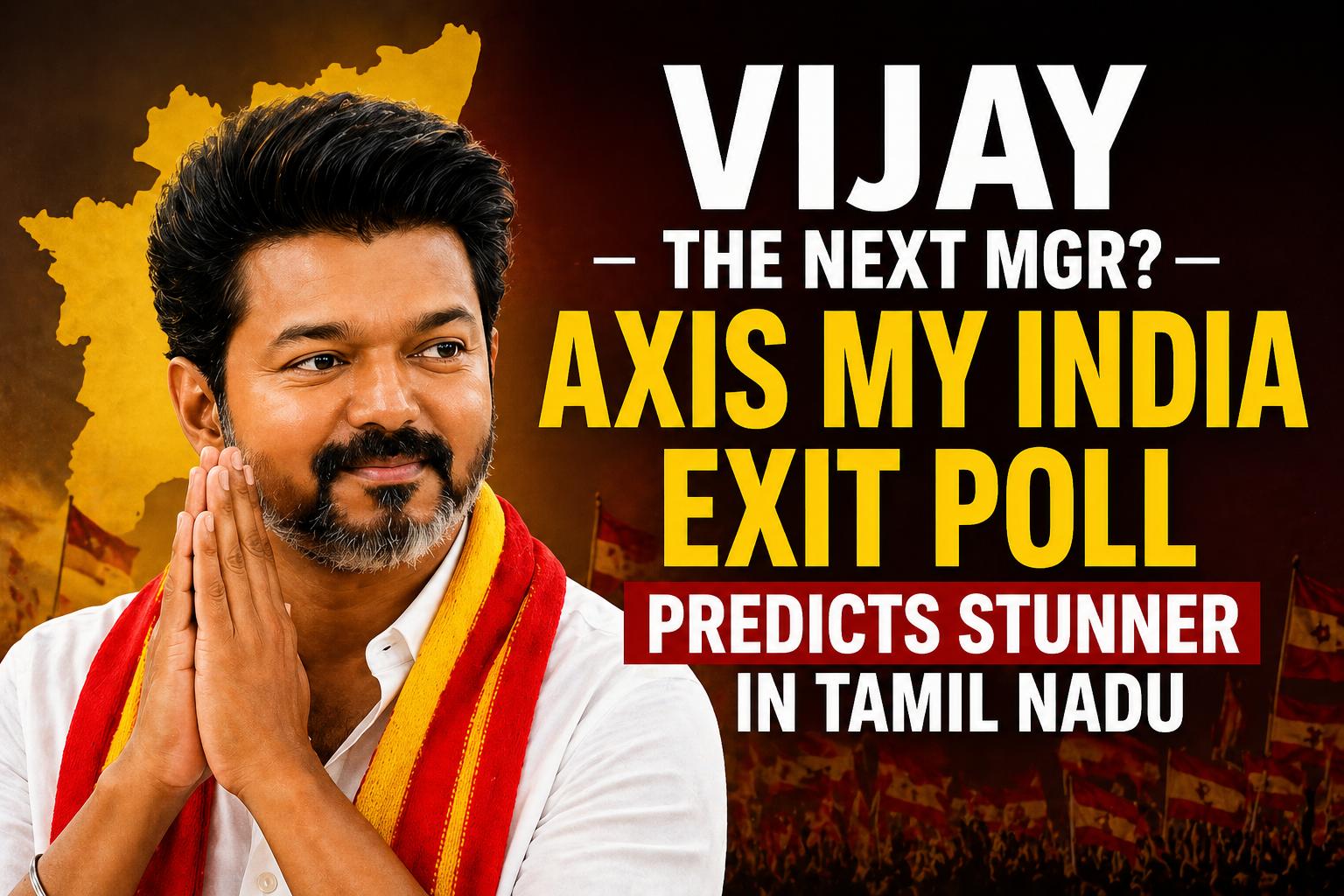
Vijay TVK Exit Poll Shock Axis My India Predicts MGR Style Rise In Tamil Nadu
Vijay’s political debut is shaping into a potential game changer, with an Axis My India exit poll projecting a stunning performance for his party Tamilaga Vettri Kazhagam in Tamil Nadu. The survey suggests a major shift in the state’s political landscape, long dominated by two major Dravidian parties. According to the Axis My India exit poll, TVK is projected to win between 98 and 120 seats in the 234-member Assembly, placing it on par with the ruling alliance led by M. K. Stalin. The DMK-INC alliance is estimated to secure 92 to 110 seats, while the NDA alliance trails behind with 22 to 32 seats. The vote share projections are equally striking. TVK is expected to secure around 35 percent of the vote, matching the ruling bloc and leaving the All India Anna Dravida Munnetra Kazhagam-led alliance significantly behind. These numbers indicate that TVK is not merely a spoiler but a serious contender for power. Axis My India chief Pradeep Gupta compared Vijay’s rise to that of legendary leaders MGR and NTR, hinting at a historic political transformation if the projections hold true. The exit poll data points to a strong youth-driven surge behind TVK. Around 68 percent of first-time voters aged 18 to 19 and 59 percent in the 20 to 29 age group are estimated to have supported the party. This demographic advantage has helped TVK build momentum quickly across urban and semi-urban constituencies. The central theme driving support appears to be the demand for change. A significant portion of voters cited this as their primary reason, with even higher numbers among TVK supporters. Vijay’s personal appeal has also played a key role, blending celebrity influence with political messaging. TVK’s support base cuts across caste, class and geography, making it a broad-based movement rather than a niche political force. The party has gained traction among OBC, SC and minority communities, as well as both rural and urban voters. With Vijay emerging as the preferred chief ministerial candidate for many voters, slightly ahead of Stalin in the survey, the state’s political contest appears tighter than ever. While exit polls can be unpredictable, the data signals one clear trend: Tamil Nadu may be witnessing the rise of a powerful new political force.
Vijay TVK Exit Poll Shock Axis My India Predicts MGR Style Rise In Tamil Nadu
Vijay’s political debut is shaping into a potential game changer, with an Axis My India exit poll projecting a stunning performance for his party Tamilaga Vettri Kazhagam in Tamil Nadu. The survey suggests a major shift in the state’s political landscape, long dominated by two major Dravidian parties. According to the Axis My India exit poll, TVK is projected to win between 98 and 120 seats in the 234-member Assembly, placing it on par with the ruling alliance led by M. K. Stalin. The DMK-INC alliance is estimated to secure 92 to 110 seats, while the NDA alliance trails behind with 22 to 32 seats. The vote share projections are equally striking. TVK is expected to secure around 35 percent of the vote, matching the ruling bloc and leaving the All India Anna Dravida Munnetra Kazhagam-led alliance significantly behind. These numbers indicate that TVK is not merely a spoiler but a serious contender for power. Axis My India chief Pradeep Gupta compared Vijay’s rise to that of legendary leaders MGR and NTR, hinting at a historic political transformation if the projections hold true. The exit poll data points to a strong youth-driven surge behind TVK. Around 68 percent of first-time voters aged 18 to 19 and 59 percent in the 20 to 29 age group are estimated to have supported the party. This demographic advantage has helped TVK build momentum quickly across urban and semi-urban constituencies. The central theme driving support appears to be the demand for change. A significant portion of voters cited this as their primary reason, with even higher numbers among TVK supporters. Vijay’s personal appeal has also played a key role, blending celebrity influence with political messaging. TVK’s support base cuts across caste, class and geography, making it a broad-based movement rather than a niche political force. The party has gained traction among OBC, SC and minority communities, as well as both rural and urban voters. With Vijay emerging as the preferred chief ministerial candidate for many voters, slightly ahead of Stalin in the survey, the state’s political contest appears tighter than ever. While exit polls can be unpredictable, the data signals one clear trend: Tamil Nadu may be witnessing the rise of a powerful new political force.

Milma Approves ₹4 Per Litre Milk Price Hike In Kerala From May 20
The Kerala Cooperative Milk Marketing Federation (Milma) has approved a ₹4 per litre increase in milk prices across Kerala, a move that is expected to come into effect from May 20, 2026. The decision was taken during a high-level meeting of the cooperative’s governing body on April 30, 2026, amid growi
Milma Approves ₹4 Per Litre Milk Price Hike In Kerala From May 20
The Kerala Cooperative Milk Marketing Federation (Milma) has approved a ₹4 per litre increase in milk prices across Kerala, a move that is expected to come into effect from May 20, 2026. The decision was taken during a high-level meeting of the cooperative’s governing body on April 30, 2026, amid growi
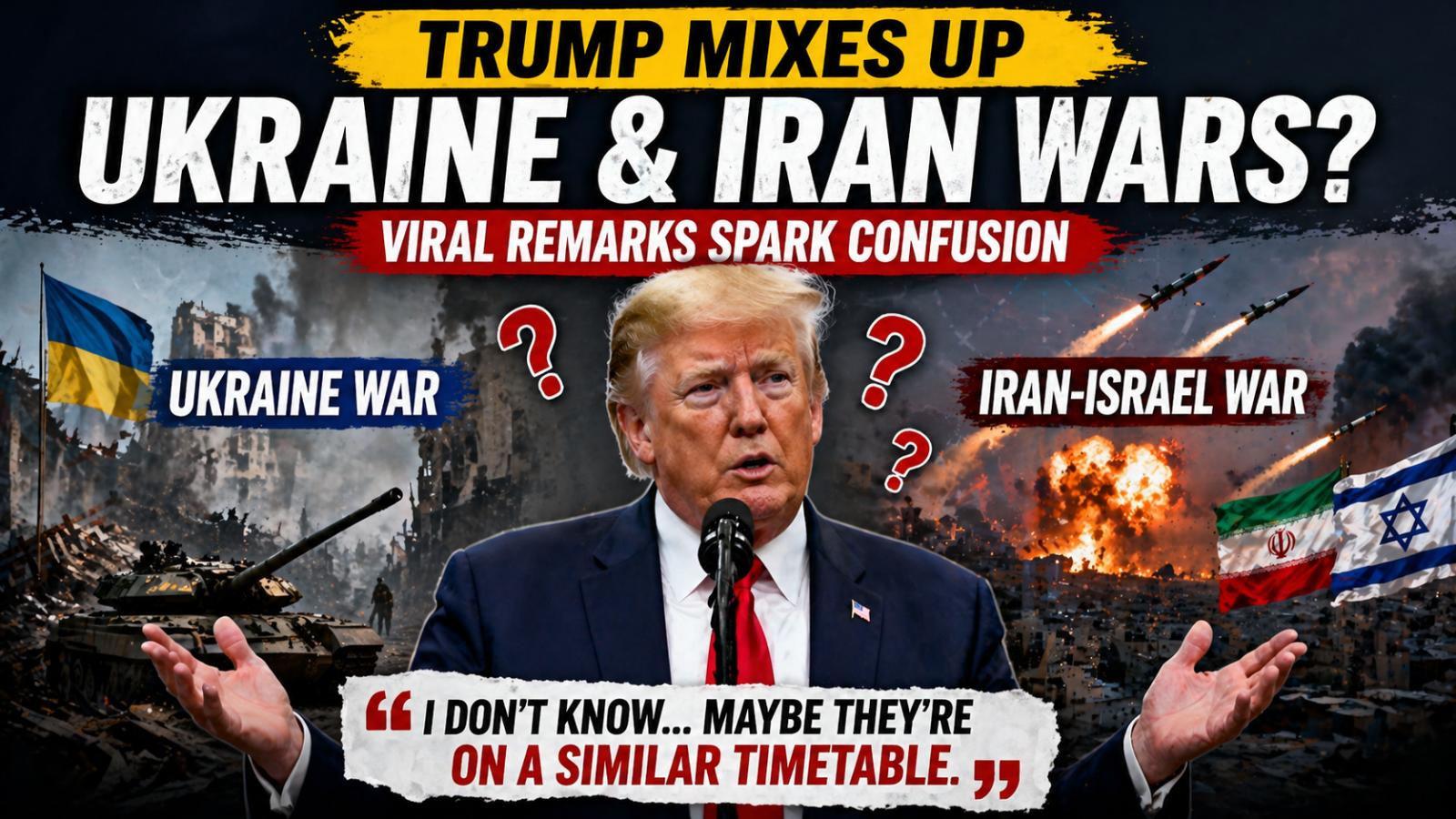
Trump Comments on Ukraine and Iran Wars Spark Confusion
US President Donald Trump drew attention during a recent press interaction after appearing to confuse details while discussing two major international conflicts. The exchange took place as Trump addressed reporters during an event linked to the Artemis II mission crew, where he was asked which conflict might conclude first: the prolonged Russia-Ukraine war or the ongoing tensions involving Iran and Israel. In response, Trump suggested that both situations could follow a similar timeline, stating that he was uncertain which would end sooner. However, his subsequent remarks raised questions as he began describing military conditions that appeared inconsistent or unclear in context. He claimed that Ukraine was militarily defeated, referencing significant naval and air losses, including statements about ships being destroyed and aircraft being eliminated. Trump also cited reductions in missile and drone capabilities, though his comments did not clearly distinguish whether he was referring to Ukraine or Iran at various points. This lack of clarity led to widespread attention, with observers noting the difficulty in separating his analysis of the two conflicts. The Russia-Ukraine war has continued for years with ongoing military engagements, while tensions involving Iran, Israel, and US involvement have added another layer of complexity to global security dynamics. Trump’s remarks came at a time when both conflicts remain active and under close international observation. The moment quickly gained traction due to the ambiguity in the president’s statements, highlighting the challenges of addressing multiple geopolitical crises simultaneously in public forums.
Trump Comments on Ukraine and Iran Wars Spark Confusion
US President Donald Trump drew attention during a recent press interaction after appearing to confuse details while discussing two major international conflicts. The exchange took place as Trump addressed reporters during an event linked to the Artemis II mission crew, where he was asked which conflict might conclude first: the prolonged Russia-Ukraine war or the ongoing tensions involving Iran and Israel. In response, Trump suggested that both situations could follow a similar timeline, stating that he was uncertain which would end sooner. However, his subsequent remarks raised questions as he began describing military conditions that appeared inconsistent or unclear in context. He claimed that Ukraine was militarily defeated, referencing significant naval and air losses, including statements about ships being destroyed and aircraft being eliminated. Trump also cited reductions in missile and drone capabilities, though his comments did not clearly distinguish whether he was referring to Ukraine or Iran at various points. This lack of clarity led to widespread attention, with observers noting the difficulty in separating his analysis of the two conflicts. The Russia-Ukraine war has continued for years with ongoing military engagements, while tensions involving Iran, Israel, and US involvement have added another layer of complexity to global security dynamics. Trump’s remarks came at a time when both conflicts remain active and under close international observation. The moment quickly gained traction due to the ambiguity in the president’s statements, highlighting the challenges of addressing multiple geopolitical crises simultaneously in public forums.
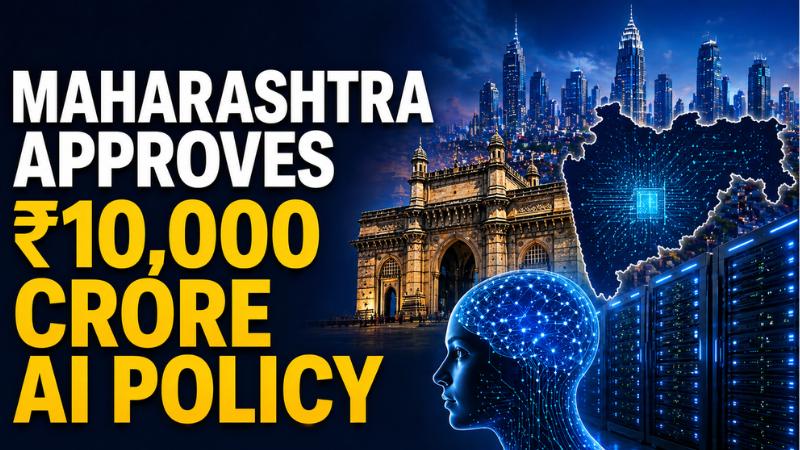
₹10,000 Cr AI Push: Maharashtra Targets Startups, Jobs And Tech Growth
Maharashtra has approved a ₹10,000 crore AI policy to build advanced infrastructure, boost startups, create jobs, and position the state as a leader in ethical artificial intelligence. The Maharashtra government has approved a comprehensive Artificial Intelligence (AI) policy with a proposed investment of ₹10,000 crore, marking a major push toward building advanced digital infrastructure in the state. The policy, cleared on Wednesday, aims to establish 6 AI Exc
₹10,000 Cr AI Push: Maharashtra Targets Startups, Jobs And Tech Growth
Maharashtra has approved a ₹10,000 crore AI policy to build advanced infrastructure, boost startups, create jobs, and position the state as a leader in ethical artificial intelligence. The Maharashtra government has approved a comprehensive Artificial Intelligence (AI) policy with a proposed investment of ₹10,000 crore, marking a major push toward building advanced digital infrastructure in the state. The policy, cleared on Wednesday, aims to establish 6 AI Exc
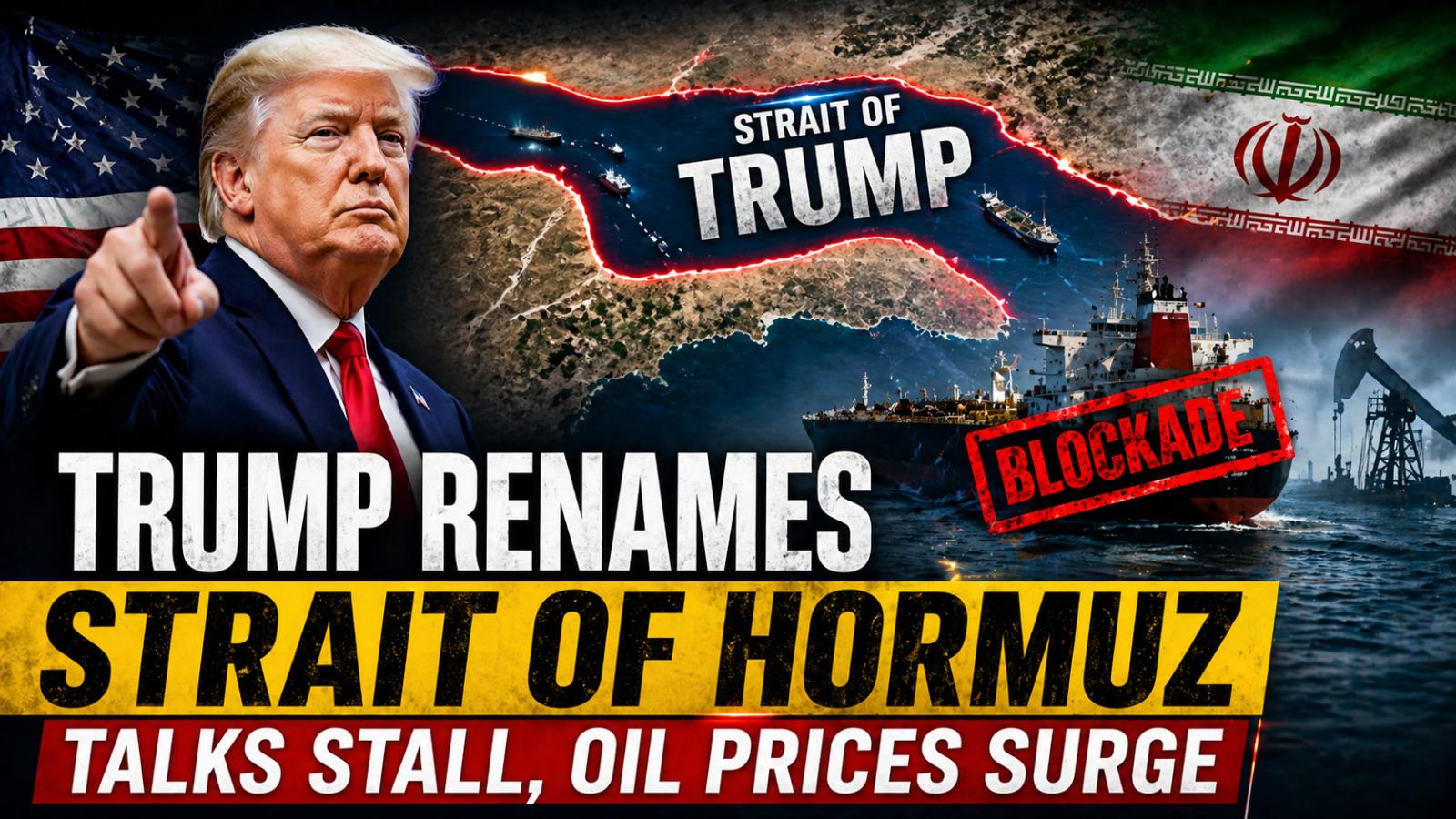
Trump Renames Strait of Hormuz Amid Rising US-Iran Tensions
US President Donald Trump has drawn attention after sharing a modified map referring to the Strait of Hormuz as the “Strait of Trump,” a move that comes amid escalating tensions and stalled negotiations with Iran. The strategic waterway remains a focal point in the ongoing standoff, with both sides maintaining a blockade despite a previously agreed ceasefire. Trump indicated that discussions to end the conflict are continuing remotely, describing them as telephonic due to logistical challenges. At the same time, Iran has attempted to revive dialogue by sending a proposal through Pakistan, facilitated by Foreign Minister Abbas Araghchi. However, indications suggest that the US administration is dissatisfied with the terms and is unlikely to accept the framework presented. The proposal reportedly outlined a three-stage approach, beginning with a complete cessation of hostilities, followed by lifting the naval blockade and restoring maritime traffic through the Strait of Hormuz. The final stage involved renewed negotiations over Iran’s nuclear program. Despite these efforts, talks remain at an impasse, with both sides maintaining firm positions. Trump defended the blockade, describing it as effective and emphasizing its economic impact on Iran. He stated that the pressure strategy would continue until Iran concedes. Meanwhile, energy markets reacted sharply, with Brent crude prices rising significantly, reflecting concerns over supply disruptions linked to the strategic route. The Strait of Hormuz remains critical to global oil flows, and its continued closure by both US and Iranian forces underscores the fragile state of the ceasefire. Diplomatic efforts have yet to regain momentum, leaving the situation uncertain as geopolitical and economic pressures continue to build.
Trump Renames Strait of Hormuz Amid Rising US-Iran Tensions
US President Donald Trump has drawn attention after sharing a modified map referring to the Strait of Hormuz as the “Strait of Trump,” a move that comes amid escalating tensions and stalled negotiations with Iran. The strategic waterway remains a focal point in the ongoing standoff, with both sides maintaining a blockade despite a previously agreed ceasefire. Trump indicated that discussions to end the conflict are continuing remotely, describing them as telephonic due to logistical challenges. At the same time, Iran has attempted to revive dialogue by sending a proposal through Pakistan, facilitated by Foreign Minister Abbas Araghchi. However, indications suggest that the US administration is dissatisfied with the terms and is unlikely to accept the framework presented. The proposal reportedly outlined a three-stage approach, beginning with a complete cessation of hostilities, followed by lifting the naval blockade and restoring maritime traffic through the Strait of Hormuz. The final stage involved renewed negotiations over Iran’s nuclear program. Despite these efforts, talks remain at an impasse, with both sides maintaining firm positions. Trump defended the blockade, describing it as effective and emphasizing its economic impact on Iran. He stated that the pressure strategy would continue until Iran concedes. Meanwhile, energy markets reacted sharply, with Brent crude prices rising significantly, reflecting concerns over supply disruptions linked to the strategic route. The Strait of Hormuz remains critical to global oil flows, and its continued closure by both US and Iranian forces underscores the fragile state of the ceasefire. Diplomatic efforts have yet to regain momentum, leaving the situation uncertain as geopolitical and economic pressures continue to build.
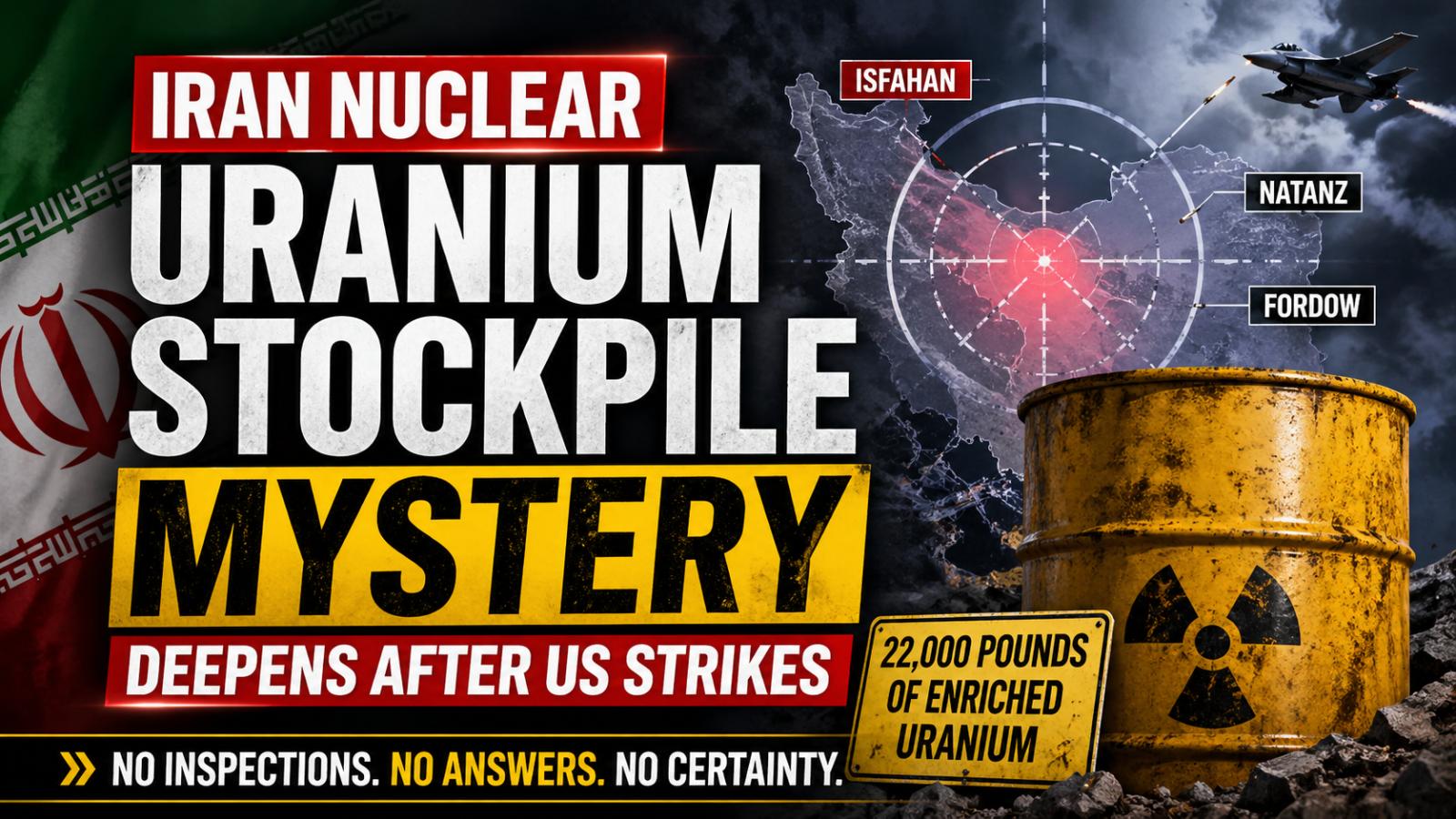
Iran Uranium Stockpile Mystery Deepens After US Strikes
The location of Iran’s enriched uranium stockpile remains uncertain nearly two months after US military strikes targeted key nuclear facilities, raising fresh concerns about transparency and oversight. The material, estimated at roughly 22,000 pounds, had steadily accumulated over years following the US withdrawal from the 2015 nuclear agreement. That deal had previously imposed strict limits on enrichment levels and stockpile size, effectively curbing Iran’s ability to produce weapons-grade material. Uranium enrichment remains central to the issue, as the process becomes significantly faster once higher purity levels are reached. While low enrichment supports civilian energy needs, higher concentrations can be used for nuclear weapons. Iran’s move to enrich uranium up to 60 percent in recent years placed it closer to that threshold, intensifying international concern. Efforts to revive diplomatic agreements failed, and subsequent escalation led to direct military action targeting facilities such as Natanz and Fordow, along with storage areas near Isfahan. Shortly after, Iran halted cooperation with international inspectors, effectively ending on-the-ground verification. Without access, monitoring now relies heavily on satellite surveillance, which cannot fully confirm the condition or location of nuclear materials. Experts suggest that even if Iran retains access to the stockpile, converting it into a functional weapon would require additional time and technical capacity. However, the absence of inspections creates uncertainty. Analysts warn that if portions of the uranium were relocated or secured in undisclosed sites, Iran could potentially resume enrichment activities without detection, complicating global efforts to assess the true state of its nuclear program.
Iran Uranium Stockpile Mystery Deepens After US Strikes
The location of Iran’s enriched uranium stockpile remains uncertain nearly two months after US military strikes targeted key nuclear facilities, raising fresh concerns about transparency and oversight. The material, estimated at roughly 22,000 pounds, had steadily accumulated over years following the US withdrawal from the 2015 nuclear agreement. That deal had previously imposed strict limits on enrichment levels and stockpile size, effectively curbing Iran’s ability to produce weapons-grade material. Uranium enrichment remains central to the issue, as the process becomes significantly faster once higher purity levels are reached. While low enrichment supports civilian energy needs, higher concentrations can be used for nuclear weapons. Iran’s move to enrich uranium up to 60 percent in recent years placed it closer to that threshold, intensifying international concern. Efforts to revive diplomatic agreements failed, and subsequent escalation led to direct military action targeting facilities such as Natanz and Fordow, along with storage areas near Isfahan. Shortly after, Iran halted cooperation with international inspectors, effectively ending on-the-ground verification. Without access, monitoring now relies heavily on satellite surveillance, which cannot fully confirm the condition or location of nuclear materials. Experts suggest that even if Iran retains access to the stockpile, converting it into a functional weapon would require additional time and technical capacity. However, the absence of inspections creates uncertainty. Analysts warn that if portions of the uranium were relocated or secured in undisclosed sites, Iran could potentially resume enrichment activities without detection, complicating global efforts to assess the true state of its nuclear program.
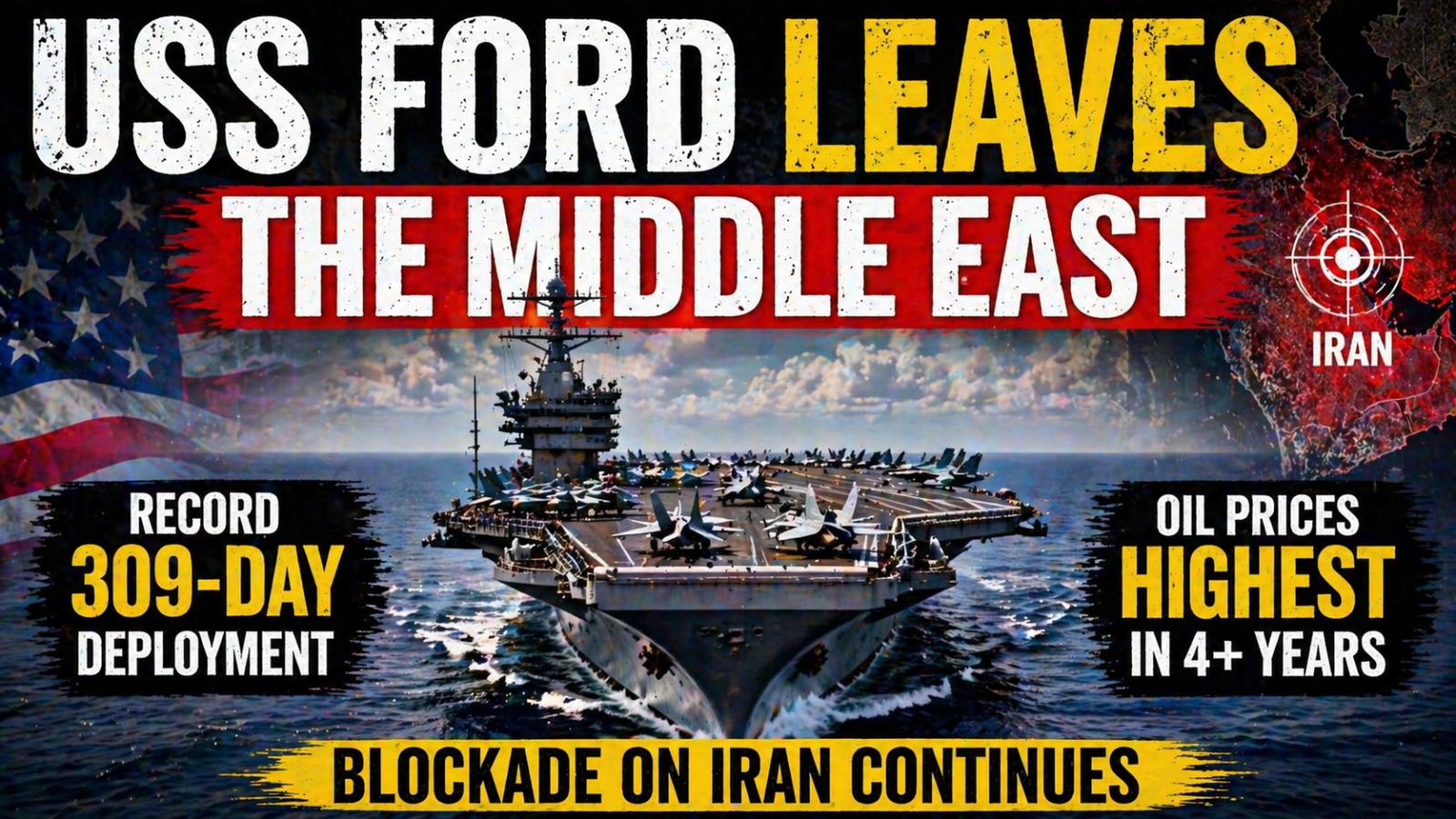
USS Gerald R. Ford Set to Leave Middle East After Record Deployment
The USS Gerald R. Ford, the US Navy’s newest aircraft carrier, is preparing to leave the Middle East after completing a record 309-day deployment, marking the longest continuous mission for a modern American carrier. The vessel is expected to return to its home port at Naval Station Norfolk, Virginia, around mid-May, concluding an extended operational period that has drawn attention from lawmakers and defense officials. The decision to bring the USS Ford back follows a demanding d
USS Gerald R. Ford Set to Leave Middle East After Record Deployment
The USS Gerald R. Ford, the US Navy’s newest aircraft carrier, is preparing to leave the Middle East after completing a record 309-day deployment, marking the longest continuous mission for a modern American carrier. The vessel is expected to return to its home port at Naval Station Norfolk, Virginia, around mid-May, concluding an extended operational period that has drawn attention from lawmakers and defense officials. The decision to bring the USS Ford back follows a demanding d
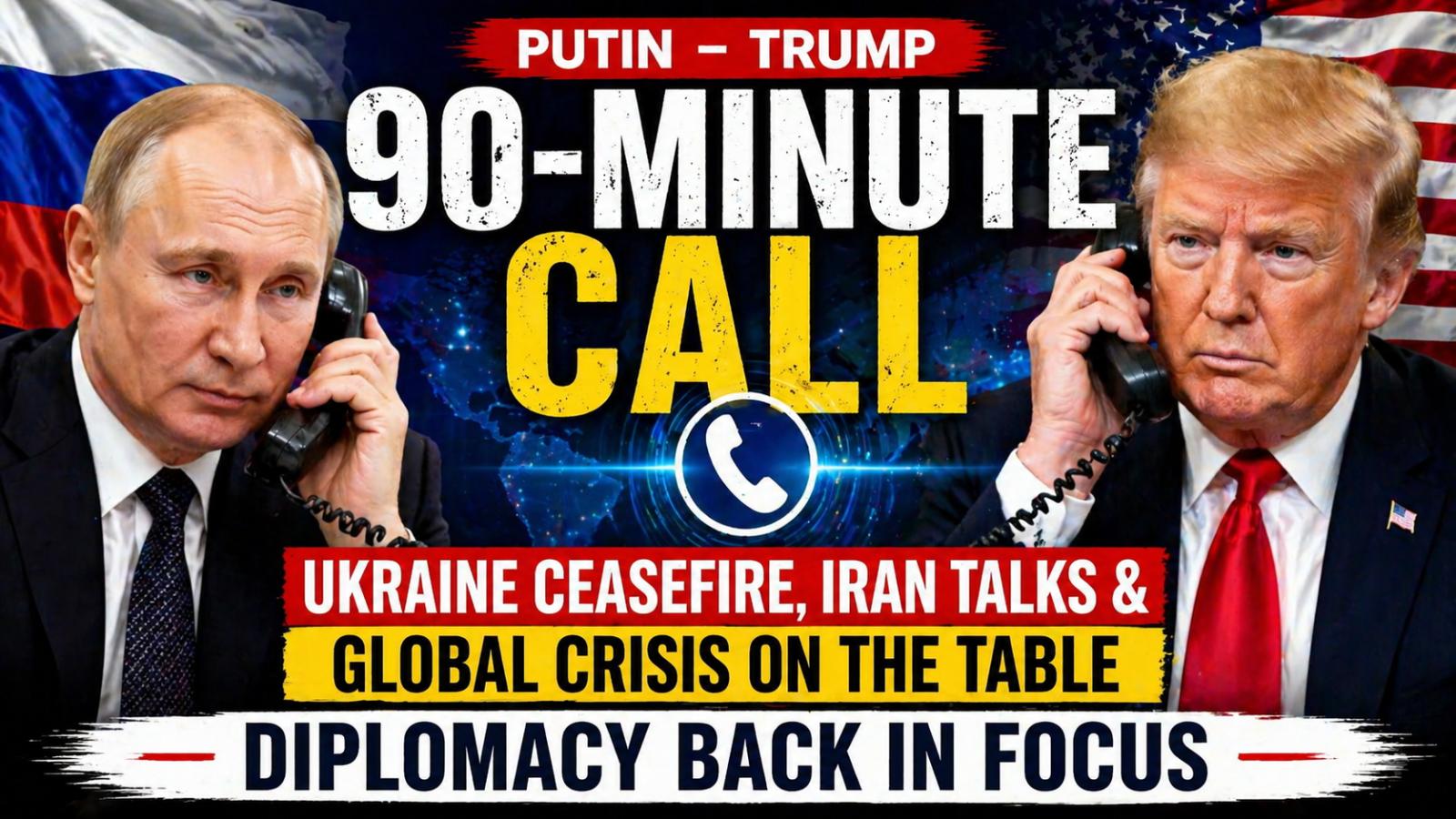
Putin Proposes Ukraine Ceasefire as He Speaks With Trump on Global Crises
Russian President Vladimir Putin and US President Donald Trump held a phone call on Wednesday, discussing key global issues including the ongoing Ukraine war and rising tensions in the Middle East. The conversation, which lasted approximately 90 minutes, marked their first known direct contact since March and reflected continued diplomatic engagement between the two countries. According to Kremlin aide Yuri Ushakov, both leaders focused extensively on developments in the Middle East, particularly the situation involving Iran and the broader Persian Gulf region. Ushakov said Putin supported Trump’s decision to extend a ceasefire with Iran, noting that such a move could create space for negotiations and contribute to regional stability. The discussion also included specific proposals from Russia regarding Iran, though details were not publicly disclosed. The Ukraine conflict was another central topic of the call. Putin reportedly expressed readiness to declare a temporary ceasefire to coincide with Russia’s Victory Day on May 9, an annual commemoration of the Soviet Union’s victory in World War II. The proposal is seen as a symbolic gesture tied to a major national observance, although its broader implications remain unclear. During the call, Putin also condemned the recent shooting at the White House Correspondents’ Association dinner and conveyed support in response to the incident. Additionally, he extended birthday greetings to Melania Trump and acknowledged her efforts in humanitarian matters, including initiatives aimed at reconnecting families affected by the Russia-Ukraine conflict. Victory Day, observed annually in Moscow with a military parade, will reportedly be scaled back this year due to security concerns, including potential threats of retaliatory strikes. The call highlights ongoing dialogue between the two leaders amid complex geopolitical challenges.
Putin Proposes Ukraine Ceasefire as He Speaks With Trump on Global Crises
Russian President Vladimir Putin and US President Donald Trump held a phone call on Wednesday, discussing key global issues including the ongoing Ukraine war and rising tensions in the Middle East. The conversation, which lasted approximately 90 minutes, marked their first known direct contact since March and reflected continued diplomatic engagement between the two countries. According to Kremlin aide Yuri Ushakov, both leaders focused extensively on developments in the Middle East, particularly the situation involving Iran and the broader Persian Gulf region. Ushakov said Putin supported Trump’s decision to extend a ceasefire with Iran, noting that such a move could create space for negotiations and contribute to regional stability. The discussion also included specific proposals from Russia regarding Iran, though details were not publicly disclosed. The Ukraine conflict was another central topic of the call. Putin reportedly expressed readiness to declare a temporary ceasefire to coincide with Russia’s Victory Day on May 9, an annual commemoration of the Soviet Union’s victory in World War II. The proposal is seen as a symbolic gesture tied to a major national observance, although its broader implications remain unclear. During the call, Putin also condemned the recent shooting at the White House Correspondents’ Association dinner and conveyed support in response to the incident. Additionally, he extended birthday greetings to Melania Trump and acknowledged her efforts in humanitarian matters, including initiatives aimed at reconnecting families affected by the Russia-Ukraine conflict. Victory Day, observed annually in Moscow with a military parade, will reportedly be scaled back this year due to security concerns, including potential threats of retaliatory strikes. The call highlights ongoing dialogue between the two leaders amid complex geopolitical challenges.

Why is Lammes Candies closing after 141 years? Texas chain cites economic pressures
Legacy Texas chocolatier begins winding down operations A historic Texas confectionery business, Lammes Candies, is closing its operations after more than a century in business, citing mounting economic pressures and changing market conditions. The Austin-based company confirmed it will begin an orderly wind-down process after evaluating long-term sustainability challenges affecting the retail and confectionery sectors in the United States. Store closures confirmed across Austin and nearby cities The company has already shut down its Round Rock location as of Thursday, April 24, though the year was not specified. Additional closures include stores in Hillside and Lakeline Mall. Its flagship store in Austin will remain open temporarily, but no official closing date has been announced, leaving customers uncertain about final operations. Economic pressures and market shifts drive decision Lammes Candies stated that “unprecedented economic pressures and current market conditions” led to the decision. The company emphasized that it had carefully assessed shifts in consumer behavior, rising operational costs, and broader challenges facing family-owned retail businesses before deciding to cease operations. A family legacy spanning generations Founded in 1878 by William Wirt Lamme as the Red Front Candy Factory in Austin, the business officially became Lammes Candies on Thursday, July 10, 1885. After a temporary loss of the company due to a gambling debt, founder David Turner Lamme Sr. reclaimed it, establishing a legacy that continued for five generations. The company became known for handcrafted sweets, including its signature Texas Chewie Pecan Praline introduced in 1892. Final operations and transition for employees The company said it will fulfill remaining orders while supporting employees during the transition period. Ownership described the decision as difficult, highlighting the brand’s deep connection to the local community and its long-standing customer base. Since 2004, the business has been operated by fifth-generation family members, marking the end of a significant chapter in Texas retail history.
Why is Lammes Candies closing after 141 years? Texas chain cites economic pressures
Legacy Texas chocolatier begins winding down operations A historic Texas confectionery business, Lammes Candies, is closing its operations after more than a century in business, citing mounting economic pressures and changing market conditions. The Austin-based company confirmed it will begin an orderly wind-down process after evaluating long-term sustainability challenges affecting the retail and confectionery sectors in the United States. Store closures confirmed across Austin and nearby cities The company has already shut down its Round Rock location as of Thursday, April 24, though the year was not specified. Additional closures include stores in Hillside and Lakeline Mall. Its flagship store in Austin will remain open temporarily, but no official closing date has been announced, leaving customers uncertain about final operations. Economic pressures and market shifts drive decision Lammes Candies stated that “unprecedented economic pressures and current market conditions” led to the decision. The company emphasized that it had carefully assessed shifts in consumer behavior, rising operational costs, and broader challenges facing family-owned retail businesses before deciding to cease operations. A family legacy spanning generations Founded in 1878 by William Wirt Lamme as the Red Front Candy Factory in Austin, the business officially became Lammes Candies on Thursday, July 10, 1885. After a temporary loss of the company due to a gambling debt, founder David Turner Lamme Sr. reclaimed it, establishing a legacy that continued for five generations. The company became known for handcrafted sweets, including its signature Texas Chewie Pecan Praline introduced in 1892. Final operations and transition for employees The company said it will fulfill remaining orders while supporting employees during the transition period. Ownership described the decision as difficult, highlighting the brand’s deep connection to the local community and its long-standing customer base. Since 2004, the business has been operated by fifth-generation family members, marking the end of a significant chapter in Texas retail history.

What is PayPal’s new structure? Venmo becomes standalone segment
PayPal’s Venmo spinoff signals strategic shift to boost growth PayPal’s Venmo spinoff signals strategic shift to boost growth as CEO Enrique Lores informed managers this week that the company is reorganizing its reporting structure, separating Venmo into its own standalone business segment. The move reflects a broader effort to streamline operations and sharpen focus across its fintech portfolio. New reporting structure creates three distinct business units Under the restructuring plan, Venmo will operate independently, allowing clearer performance tracking and potentially positioning it for a future sale. Two additional segments will be formed: a PayPal-branded unit serving merchants and consumers, and a payment services division that includes Braintree along with crypto-related operations. The company is also reportedly seeking a digital banking executive to lead the newly independent Venmo unit. Leadership transition and competitive pressures Lores, who previously led HP Inc. and assumed leadership of PayPal in March, is implementing these changes as the company faces mounting competition from Apple, Google, and Stripe in digital payments. He succeeded Alex Chriss, whose tenure saw a steep decline in PayPal’s stock value following its pandemic-era peak. Investor interest and restructuring implications The company’s declining valuation has drawn attention from potential buyers, including reported interest from Stripe in acquiring parts or all of the business. PayPal has also engaged financial advisers to prepare for possible takeover attempts or activist investor campaigns. Following reports of the restructuring, PayPal shares rose by approximately 3%. Workforce uncertainty and executive departures The restructuring comes amid uncertainty over potential workforce reductions. Earlier in 2026, managers had been tasked with planning a 15% reduction in headcount, though those plans remain unresolved after the leadership transition. At the same time, key executives including Diego Scotti and Michelle Gill are departing as their divisions are restructured or dissolved. PayPal is also establishing a new artificial intelligence transformation group led by Anshu Bhardwaj, formerly of Walmart, and creating a financial services unit under Scott Young of Goldman Sachs. The changes highlight the company’s push to modernize operations and regain momentum in a rapidly evolving digital payments market.
What is PayPal’s new structure? Venmo becomes standalone segment
PayPal’s Venmo spinoff signals strategic shift to boost growth PayPal’s Venmo spinoff signals strategic shift to boost growth as CEO Enrique Lores informed managers this week that the company is reorganizing its reporting structure, separating Venmo into its own standalone business segment. The move reflects a broader effort to streamline operations and sharpen focus across its fintech portfolio. New reporting structure creates three distinct business units Under the restructuring plan, Venmo will operate independently, allowing clearer performance tracking and potentially positioning it for a future sale. Two additional segments will be formed: a PayPal-branded unit serving merchants and consumers, and a payment services division that includes Braintree along with crypto-related operations. The company is also reportedly seeking a digital banking executive to lead the newly independent Venmo unit. Leadership transition and competitive pressures Lores, who previously led HP Inc. and assumed leadership of PayPal in March, is implementing these changes as the company faces mounting competition from Apple, Google, and Stripe in digital payments. He succeeded Alex Chriss, whose tenure saw a steep decline in PayPal’s stock value following its pandemic-era peak. Investor interest and restructuring implications The company’s declining valuation has drawn attention from potential buyers, including reported interest from Stripe in acquiring parts or all of the business. PayPal has also engaged financial advisers to prepare for possible takeover attempts or activist investor campaigns. Following reports of the restructuring, PayPal shares rose by approximately 3%. Workforce uncertainty and executive departures The restructuring comes amid uncertainty over potential workforce reductions. Earlier in 2026, managers had been tasked with planning a 15% reduction in headcount, though those plans remain unresolved after the leadership transition. At the same time, key executives including Diego Scotti and Michelle Gill are departing as their divisions are restructured or dissolved. PayPal is also establishing a new artificial intelligence transformation group led by Anshu Bhardwaj, formerly of Walmart, and creating a financial services unit under Scott Young of Goldman Sachs. The changes highlight the company’s push to modernize operations and regain momentum in a rapidly evolving digital payments market.
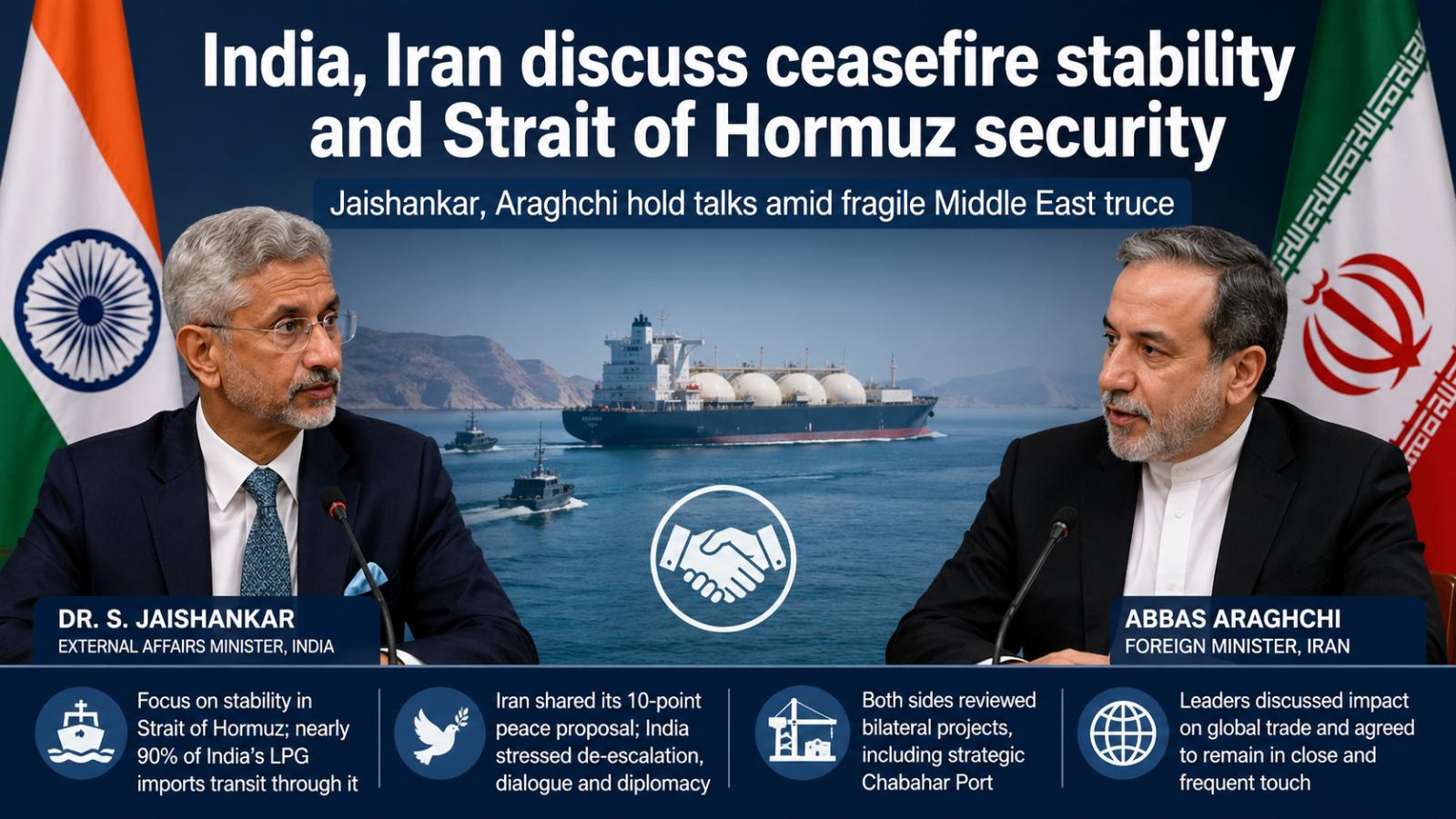
India, Iran discuss ceasefire stability and Strait of Hormuz security
India and Iran held talks on April 29, 2026, on ceasefire stability, Strait of Hormuz security, and trade impact. Both stressed diplomacy and continued coordination as regional tensions remain high despite the fragile truce. India, Iran discuss ceasefire stability and Strait of Hormuz security as External Affairs Minister Dr. S. Jaishankar and Iranian Foreign Minister Abbas Araghchi held talks on Wednesday, April 29, 2026, focusing on the evolving security situation in Tehran and across the region. The discussion comes at a critical moment as the international community monitors a fragile two-week ceasefire involving Iran and a U.S.-Israel coalition, brokered earlier in April. According to an official statement, both leaders exchanged views on recent developments related to the ceasefire while also reviewing bilateral relations and broader regional security concerns. A central issue in the dialogue was the stability of the Strait of Hormuz, a key global shipping route through which nearly 90% of India’s liquefied petroleum gas imports pass, underscoring its economic significance for New Delhi. Officials familiar with the talks indicated that both sides emphasized the need to ensure uninterrupted freedom of navigation in the region. Iran reportedly shared updates on its proposed 10-point peace framework, while India reiterated its longstanding position that de-escalation, sustained dialogue, and diplomatic engagement remain essential to achieving lasting stability in West Asia. Beyond immediate security concerns, the ministers also reviewed ongoing bilateral initiatives, including the development of Chabahar Port. The project remains strategically important for India as it provides access to Central Asian markets, even as regional tensions pose logistical and security challenges. The conversation also addressed the broader impact of the conflict on global trade networks. Jaishankar highlighted concerns over prolonged instability, noting its disruptive effects on supply chains and economic activity. He emphasized that India continues to engage with multiple stakeholders in an effort to prevent escalation and support regional stability. The diplomatic exchange follows a period of heightened pressure from the administration of Donald Trump, which had issued strong warnings to Tehran over maritime disruptions. Although a ceasefire was implemented on Tuesday, April 8, 2026, tensions persist, with continued rhetoric from various factions raising concerns about its durability. As the ceasefire enters a sensitive phase, both ministers agreed to remain in close and frequent contact to monitor developments. For India, maintaining stability in the region is not only a strategic priority but also a critical economic necessity tied to energy security and trade continuity.
India, Iran discuss ceasefire stability and Strait of Hormuz security
India and Iran held talks on April 29, 2026, on ceasefire stability, Strait of Hormuz security, and trade impact. Both stressed diplomacy and continued coordination as regional tensions remain high despite the fragile truce. India, Iran discuss ceasefire stability and Strait of Hormuz security as External Affairs Minister Dr. S. Jaishankar and Iranian Foreign Minister Abbas Araghchi held talks on Wednesday, April 29, 2026, focusing on the evolving security situation in Tehran and across the region. The discussion comes at a critical moment as the international community monitors a fragile two-week ceasefire involving Iran and a U.S.-Israel coalition, brokered earlier in April. According to an official statement, both leaders exchanged views on recent developments related to the ceasefire while also reviewing bilateral relations and broader regional security concerns. A central issue in the dialogue was the stability of the Strait of Hormuz, a key global shipping route through which nearly 90% of India’s liquefied petroleum gas imports pass, underscoring its economic significance for New Delhi. Officials familiar with the talks indicated that both sides emphasized the need to ensure uninterrupted freedom of navigation in the region. Iran reportedly shared updates on its proposed 10-point peace framework, while India reiterated its longstanding position that de-escalation, sustained dialogue, and diplomatic engagement remain essential to achieving lasting stability in West Asia. Beyond immediate security concerns, the ministers also reviewed ongoing bilateral initiatives, including the development of Chabahar Port. The project remains strategically important for India as it provides access to Central Asian markets, even as regional tensions pose logistical and security challenges. The conversation also addressed the broader impact of the conflict on global trade networks. Jaishankar highlighted concerns over prolonged instability, noting its disruptive effects on supply chains and economic activity. He emphasized that India continues to engage with multiple stakeholders in an effort to prevent escalation and support regional stability. The diplomatic exchange follows a period of heightened pressure from the administration of Donald Trump, which had issued strong warnings to Tehran over maritime disruptions. Although a ceasefire was implemented on Tuesday, April 8, 2026, tensions persist, with continued rhetoric from various factions raising concerns about its durability. As the ceasefire enters a sensitive phase, both ministers agreed to remain in close and frequent contact to monitor developments. For India, maintaining stability in the region is not only a strategic priority but also a critical economic necessity tied to energy security and trade continuity.
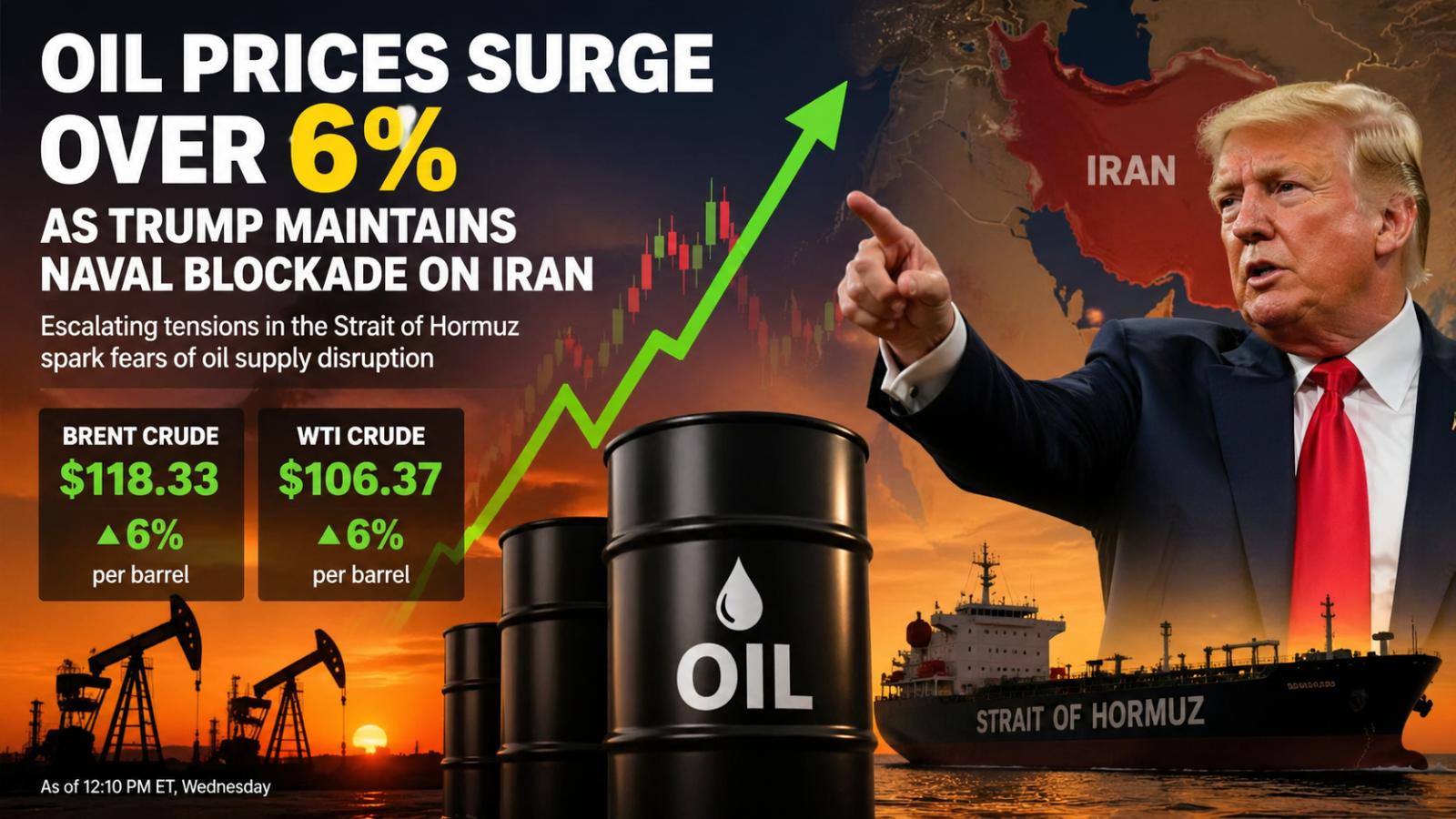
Oil prices surge over 6% as Trump maintains naval blockade on Iran
Oil prices jumped over 6% after President Donald Trump confirmed the U.S. will maintain its blockade on Iran, raising concerns over disrupted supply and escalating tensions in the Strait of Hormuz. Oil prices surge over 6% as Trump maintains naval blockade on Iran, sending shockwaves through global energy markets and intensifying concerns about supply disruptions in the Middle East. By 12:10 PM Eastern Time on Wednesday April 29, 2026, international benchmark Brent crude futures climbed more than 6% to $118.33 per barrel, while U.S. West Texas Intermediate futures rose over 6% to $106.37 per barrel. The sharp increase followed comments from Donald Trump, who confirmed that the United States would continue its naval blockade against Iran until a nuclear agreement is reached. Trump described the blockade as highly effective, signaling a firm stance amid stalled diplomatic efforts. Negotiations aimed at easing tensions have made little progress in recent days, further escalating uncertainty in global markets. Iran has refused to reopen the Strait of Hormuz—a critical passage for global oil shipments—unless the United States lifts its blockade. Tehran’s control over the strait has significantly restricted oil exports from the region, tightening supply and driving prices higher. Market analysts note that developments in the Persian Gulf remain the dominant factor influencing oil price volatility. Adding to market complexity, the United Arab Emirates recently announced its decision to exit OPEC. While strategists at ING described the move as a substantial setback for the producer alliance, they indicated its immediate impact on prices would likely be limited compared to ongoing geopolitical tensions. Analysts suggest that while the UAE’s departure could weaken OPEC’s long-term influence, the near-term trajectory of oil markets will depend largely on whether oil flows resume through the Strait of Hormuz. Until then, geopolitical risks and supply constraints are expected to keep prices elevated and markets volatile.
Oil prices surge over 6% as Trump maintains naval blockade on Iran
Oil prices jumped over 6% after President Donald Trump confirmed the U.S. will maintain its blockade on Iran, raising concerns over disrupted supply and escalating tensions in the Strait of Hormuz. Oil prices surge over 6% as Trump maintains naval blockade on Iran, sending shockwaves through global energy markets and intensifying concerns about supply disruptions in the Middle East. By 12:10 PM Eastern Time on Wednesday April 29, 2026, international benchmark Brent crude futures climbed more than 6% to $118.33 per barrel, while U.S. West Texas Intermediate futures rose over 6% to $106.37 per barrel. The sharp increase followed comments from Donald Trump, who confirmed that the United States would continue its naval blockade against Iran until a nuclear agreement is reached. Trump described the blockade as highly effective, signaling a firm stance amid stalled diplomatic efforts. Negotiations aimed at easing tensions have made little progress in recent days, further escalating uncertainty in global markets. Iran has refused to reopen the Strait of Hormuz—a critical passage for global oil shipments—unless the United States lifts its blockade. Tehran’s control over the strait has significantly restricted oil exports from the region, tightening supply and driving prices higher. Market analysts note that developments in the Persian Gulf remain the dominant factor influencing oil price volatility. Adding to market complexity, the United Arab Emirates recently announced its decision to exit OPEC. While strategists at ING described the move as a substantial setback for the producer alliance, they indicated its immediate impact on prices would likely be limited compared to ongoing geopolitical tensions. Analysts suggest that while the UAE’s departure could weaken OPEC’s long-term influence, the near-term trajectory of oil markets will depend largely on whether oil flows resume through the Strait of Hormuz. Until then, geopolitical risks and supply constraints are expected to keep prices elevated and markets volatile.
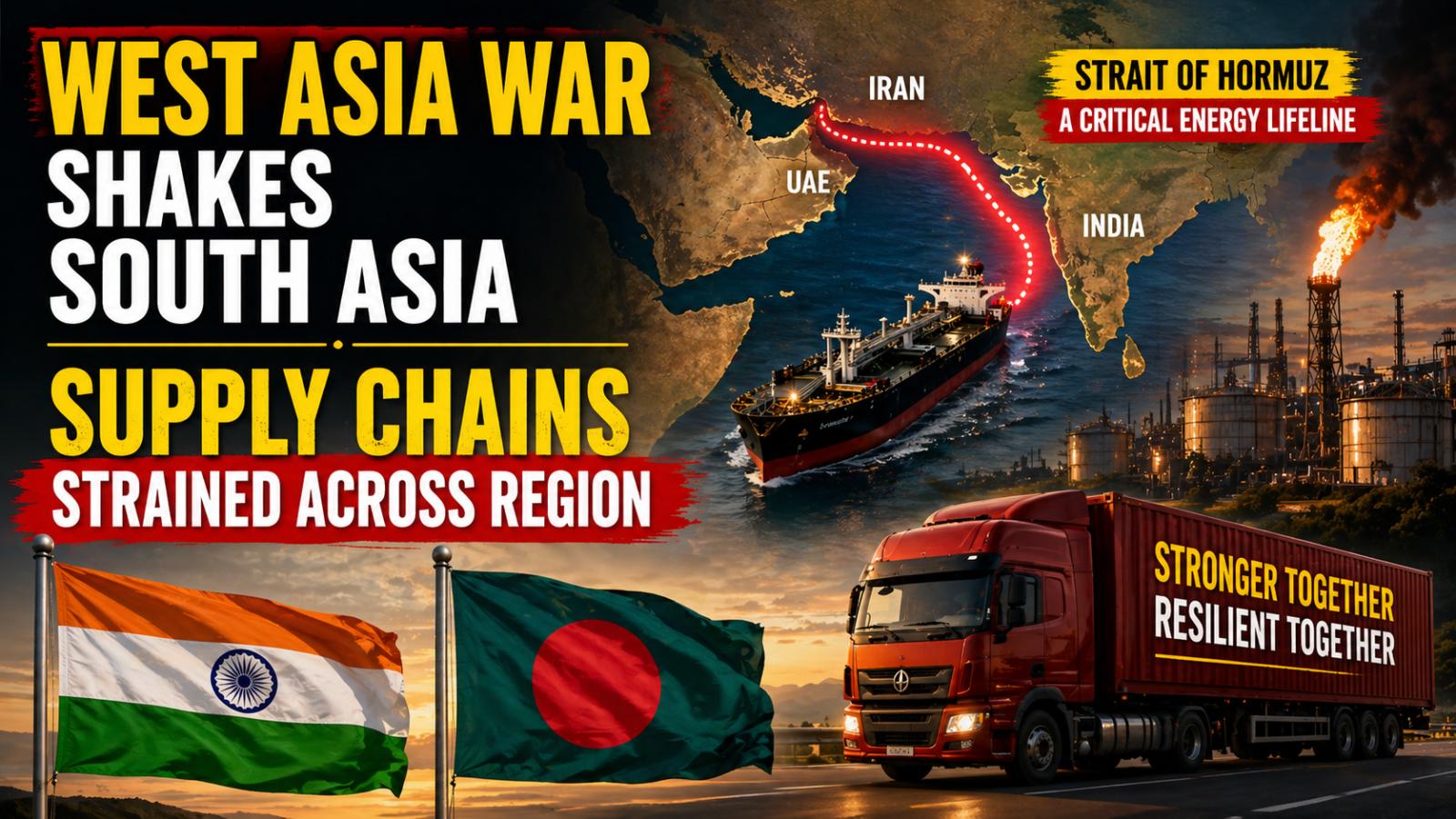
How has the West Asia war disrupted South Asia? Supply chains strained across region
The war in West Asia and disruptions in the Strait of Hormuz have triggered widespread supply chain instability across South Asia, affecting energy security, economic stability, and regional cooperation. Countries across the subcontinent, heavily reliant on hydrocarbon imports from West Asia, are facing rising costs, reduced industrial competitiveness, and increased household expenditures as critical supply routes remain constrained. Fuel shortages and economic strain acros
How has the West Asia war disrupted South Asia? Supply chains strained across region
The war in West Asia and disruptions in the Strait of Hormuz have triggered widespread supply chain instability across South Asia, affecting energy security, economic stability, and regional cooperation. Countries across the subcontinent, heavily reliant on hydrocarbon imports from West Asia, are facing rising costs, reduced industrial competitiveness, and increased household expenditures as critical supply routes remain constrained. Fuel shortages and economic strain acros
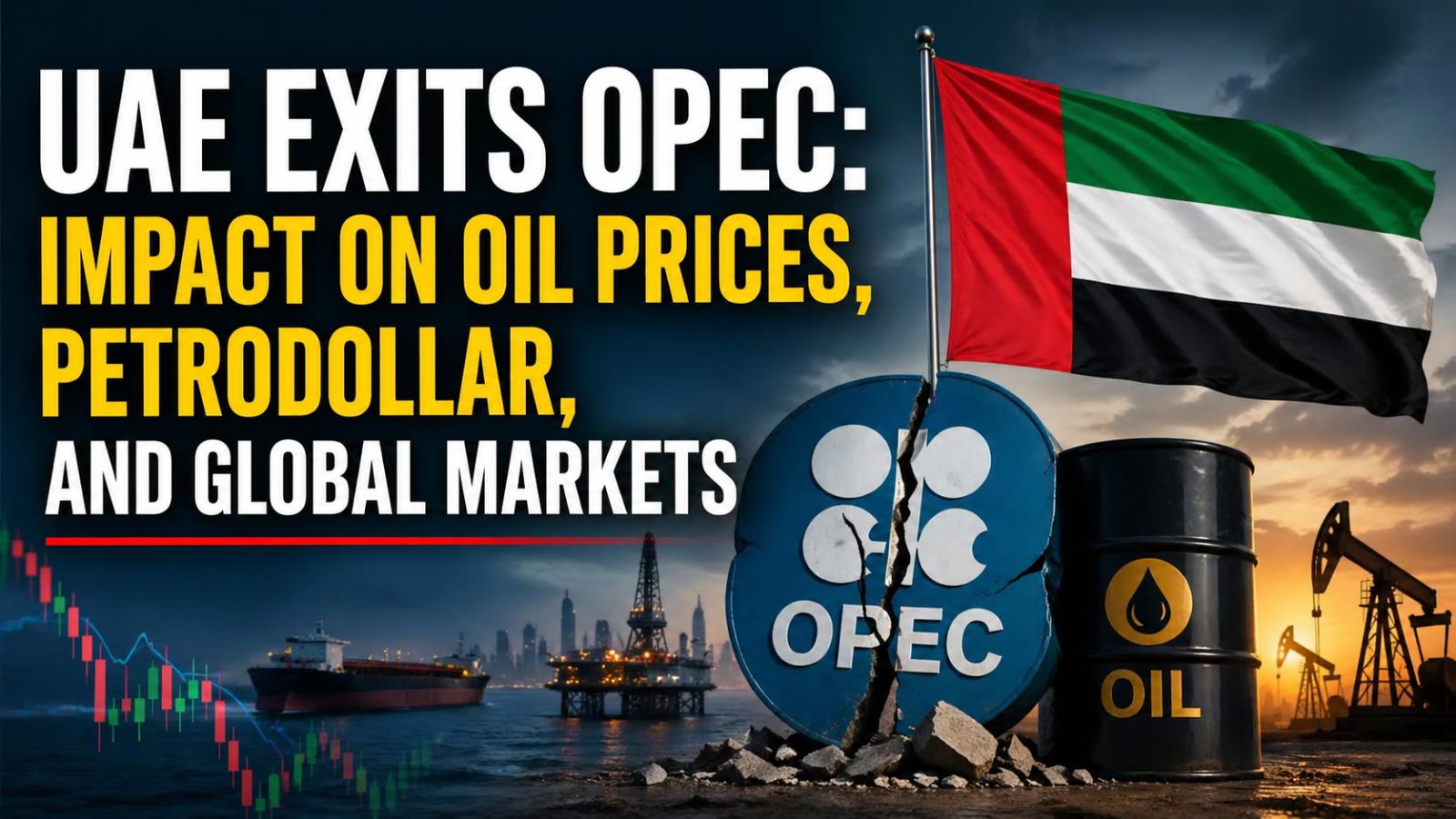
UAE leaves OPEC bloc amid Gulf tensions and shifting global currency trends
UAE exits OPEC and reshapes global oil and currency dynamics The decision by the United Arab Emirates to exit OPEC and OPEC+ marks a major shift in global energy markets. This move could increase oil price volatility, weaken OPEC’s control, and challenge the dominance of the US dollar in global oil trade. The timing is critical, coming amid rising oil prices, a growing dollar shortage in Gulf countries, and escalating tensions around the Strait of Hormuz. What does thi
UAE leaves OPEC bloc amid Gulf tensions and shifting global currency trends
UAE exits OPEC and reshapes global oil and currency dynamics The decision by the United Arab Emirates to exit OPEC and OPEC+ marks a major shift in global energy markets. This move could increase oil price volatility, weaken OPEC’s control, and challenge the dominance of the US dollar in global oil trade. The timing is critical, coming amid rising oil prices, a growing dollar shortage in Gulf countries, and escalating tensions around the Strait of Hormuz. What does thi
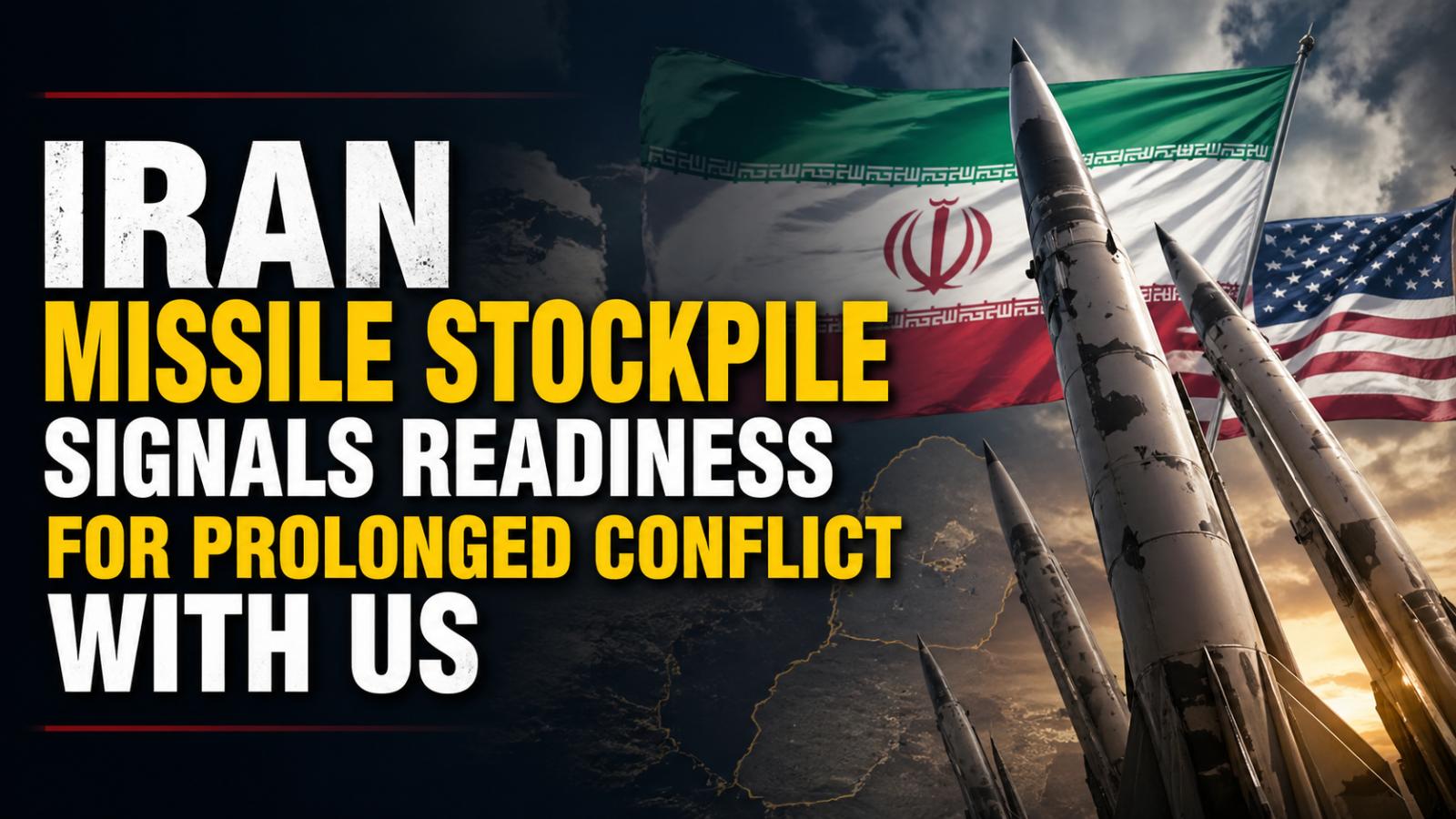
Iran-US tensions rise as Tehran rejects pressure and asserts military strength
Iran missile stockpile and war readiness Iran missile stockpile has become a major focus as tensions with the United States intensify, with Tehran claiming it can sustain several years of war using its missile and drone reserves. A senior Iranian lawmaker said the country is fully prepared for prolonged conflict while continuing negotiations with Washington under the direction of its top leadership. The statement highlights both Iran’s military confidence and its refusal to yield under pressure. Alaeddin Boroujerdi, a senior member of Iran’s parliament, said the country’s defense capacity remains strong and capable of long-term engagement. He emphasized that Iran’s missile and drone arsenal is sufficient to maintain sustained operations if required. He made it clear that negotiations with the United States are not a sign of weakness but part of a calculated strategy directed by the Supreme Leader. According to him, experienced leadership is handling the talks, ensuring that national interests are protected at all times. Boroujerdi stressed that Iran does not view the negotiating table as a place for surrender. He stated that discussions would not lead to compromise or humiliation, reinforcing Tehran’s firm diplomatic stance. His comments come at a time of rising Iran-US tensions, particularly following statements by Donald Trump, which he dismissed as ineffective. He also pointed out that a recently extended ceasefire period has not resulted in any significant actions from the opposing side. The Iranian lawmaker also criticized the US-led maritime blockade, describing it as lacking global legitimacy. He noted that no major European or NATO countries have joined the effort, suggesting limited international support for Washington’s position. This, he argued, weakens the overall impact of the blockade. Strategically, Iran continues to emphasize its control over the Strait of Hormuz, a crucial global oil route. Officials maintain that Iran will never lose control over this vital waterway, underlining its importance in the broader geopolitical landscape. The statement reinforces Tehran’s confidence in its regional influence and defense strategy. Overall, Iran’s position reflects a dual approach of negotiation and strength. While talks with the United States continue, Tehran is signaling that it is fully prepared for extended conflict if necessary, maintaining both diplomatic engagement and military readiness.
Iran-US tensions rise as Tehran rejects pressure and asserts military strength
Iran missile stockpile and war readiness Iran missile stockpile has become a major focus as tensions with the United States intensify, with Tehran claiming it can sustain several years of war using its missile and drone reserves. A senior Iranian lawmaker said the country is fully prepared for prolonged conflict while continuing negotiations with Washington under the direction of its top leadership. The statement highlights both Iran’s military confidence and its refusal to yield under pressure. Alaeddin Boroujerdi, a senior member of Iran’s parliament, said the country’s defense capacity remains strong and capable of long-term engagement. He emphasized that Iran’s missile and drone arsenal is sufficient to maintain sustained operations if required. He made it clear that negotiations with the United States are not a sign of weakness but part of a calculated strategy directed by the Supreme Leader. According to him, experienced leadership is handling the talks, ensuring that national interests are protected at all times. Boroujerdi stressed that Iran does not view the negotiating table as a place for surrender. He stated that discussions would not lead to compromise or humiliation, reinforcing Tehran’s firm diplomatic stance. His comments come at a time of rising Iran-US tensions, particularly following statements by Donald Trump, which he dismissed as ineffective. He also pointed out that a recently extended ceasefire period has not resulted in any significant actions from the opposing side. The Iranian lawmaker also criticized the US-led maritime blockade, describing it as lacking global legitimacy. He noted that no major European or NATO countries have joined the effort, suggesting limited international support for Washington’s position. This, he argued, weakens the overall impact of the blockade. Strategically, Iran continues to emphasize its control over the Strait of Hormuz, a crucial global oil route. Officials maintain that Iran will never lose control over this vital waterway, underlining its importance in the broader geopolitical landscape. The statement reinforces Tehran’s confidence in its regional influence and defense strategy. Overall, Iran’s position reflects a dual approach of negotiation and strength. While talks with the United States continue, Tehran is signaling that it is fully prepared for extended conflict if necessary, maintaining both diplomatic engagement and military readiness.
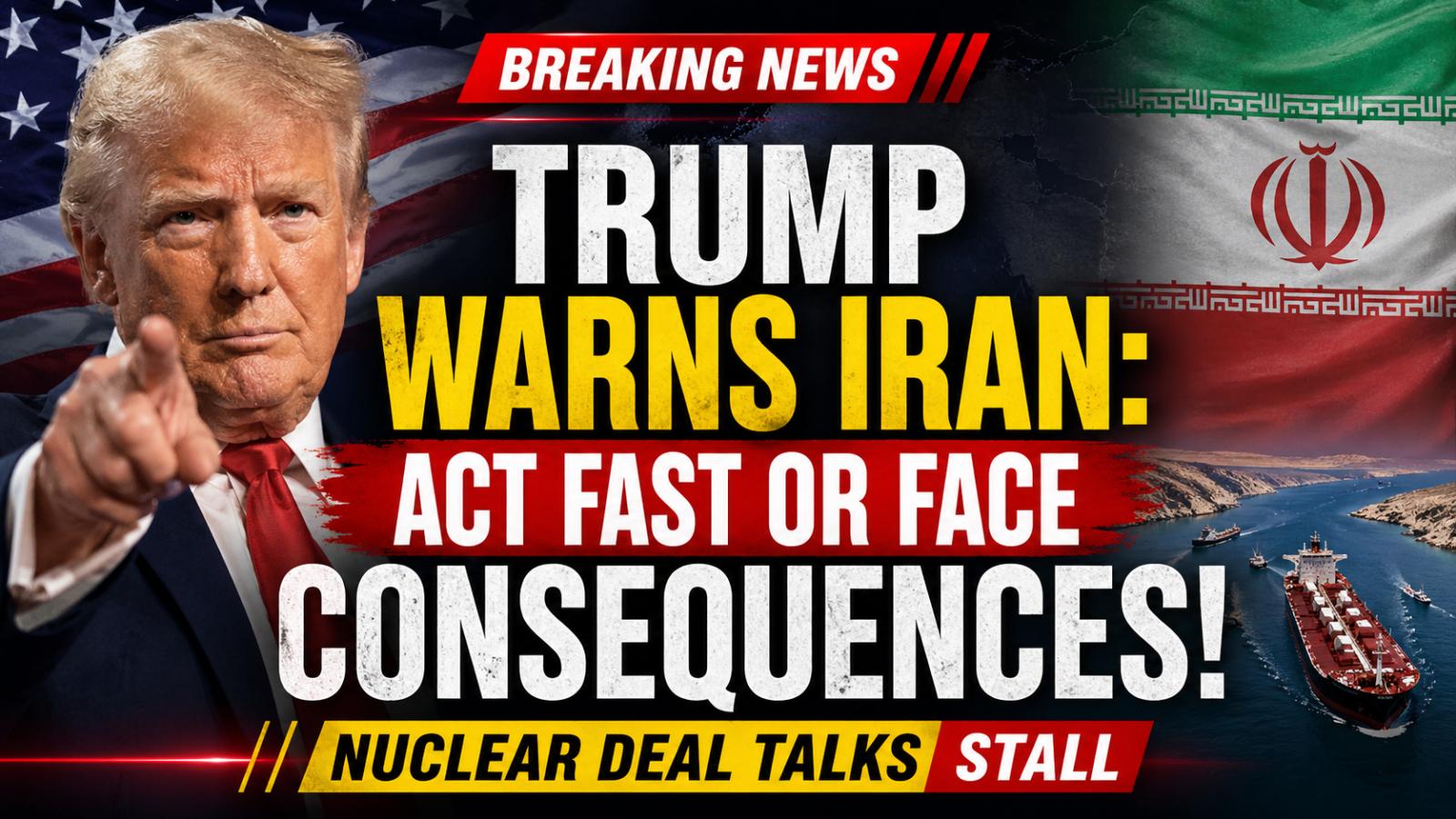
Trump issues strong warning to Iran amid stalled nuclear negotiations
US President Donald Trump warned Iran on April 28, 2026, at around 10:00 AM EST to act quickly as nuclear deal negotiations between Washington and Tehran remain stalled. The statement highlights rising US-Iran tensions, ongoing diplomatic failure, and stricter American control over the
Trump issues strong warning to Iran amid stalled nuclear negotiations
US President Donald Trump warned Iran on April 28, 2026, at around 10:00 AM EST to act quickly as nuclear deal negotiations between Washington and Tehran remain stalled. The statement highlights rising US-Iran tensions, ongoing diplomatic failure, and stricter American control over the










