#airtrafficcontrol
Merlin Labs Tests AI Flight System to Assist Pilots and Reduce Cockpit Workload
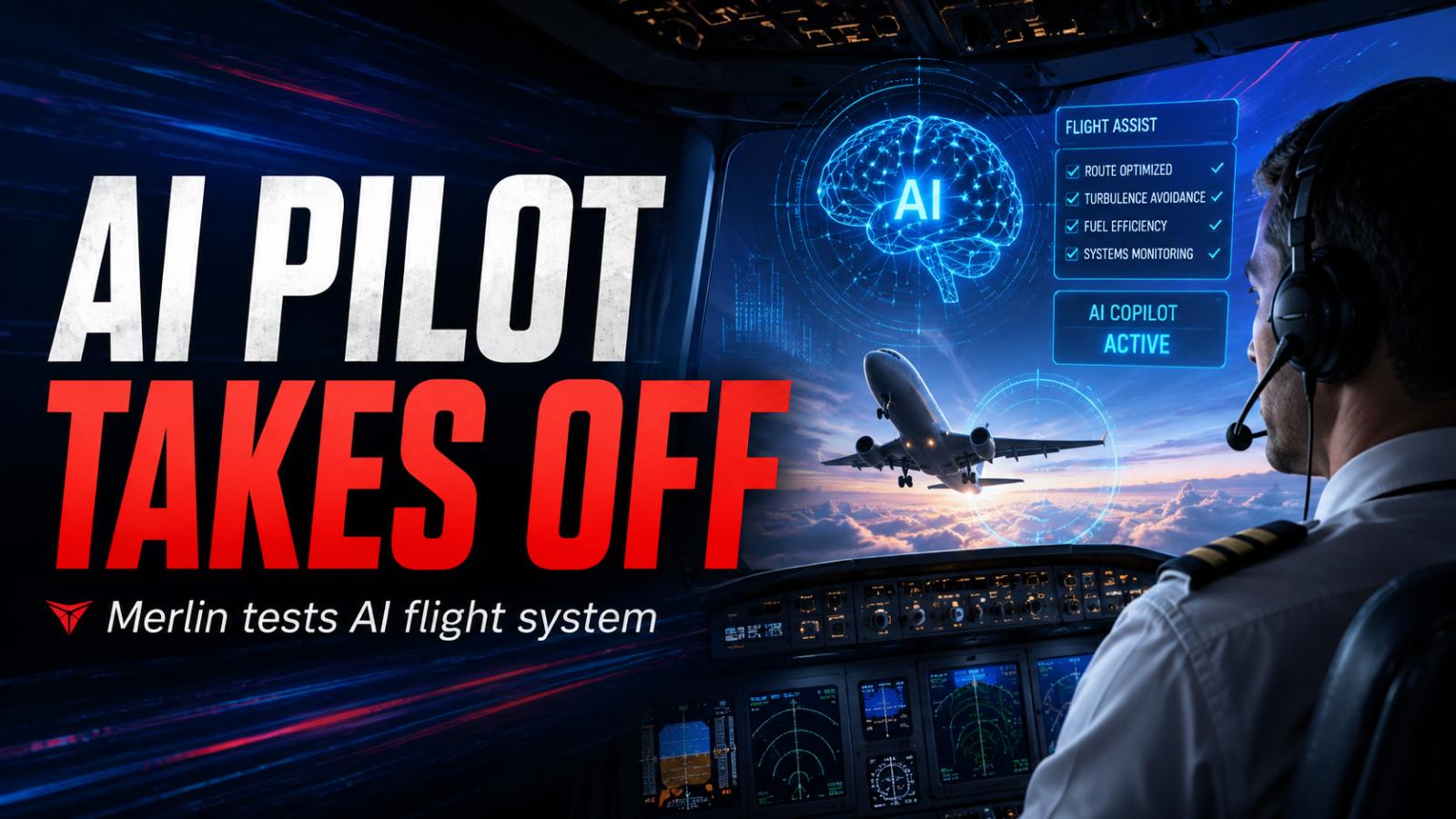
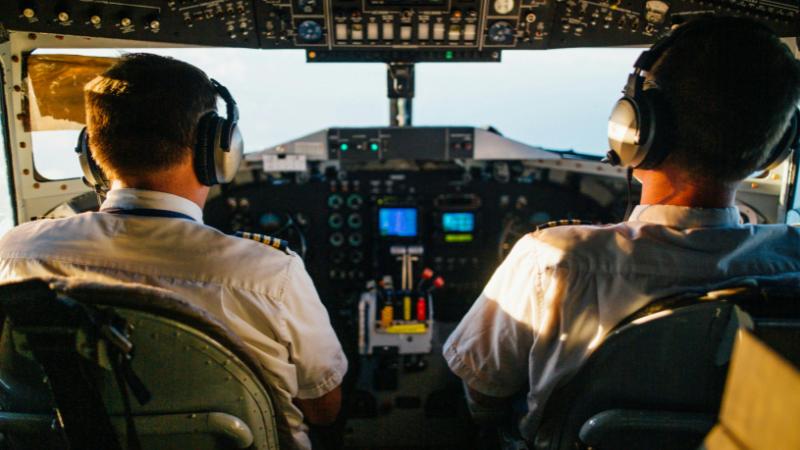
Artificial intelligence is slowly moving from phones, offices and cars into one of the most sensitive areas of modern transport: aviation. Merlin Labs, a US-based aviation technology company, has tested an AI flight system known as Merlin Pilot during an experimental aircraft demonstration. The system is not designed to remove pilots from aircraft. Instead, it is being developed to assist trained pilots by handling selected flight-related tasks after proper approval. This makes the test important because aviation is already dealing with growing pilot workload, pressure on air traffic control systems and a rising need for smarter safety tools. What happened during the Merlin Pilot test During the demonstration, a trained test pilot remained inside the aircraft and continued to supervise the flight. The AI system handled certain approved tasks, including responding to instructions and helping adjust the aircraft’s course. The aircraft used for the test was marked as experimental. This means it was used for research and testing, not for regular passenger service. That point matters because AI-assisted aviation is still in a careful development stage. Commercial passenger flights without pilots are not expected anytime soon. The test showed how AI could become a useful cockpit assistant, especially in situations where pilots need to process several instructions quickly and accurately. How Merlin Pilot helps pilots Merlin Pilot uses natural language flight control. In simple terms, it can listen to spoken instructions, understand the meaning and help the aircraft respond based on approved commands. This kind of system could reduce repetitive workload for pilots. For example, during busy flight operations, pilots must listen to air traffic control, confirm instructions, monitor instruments, adjust the aircraft and stay alert for unexpected situations. An AI pilot assistant could help manage routine actions while the human pilot focuses on judgment, safety and decision-making. This is where AI has real value. The strongest use case is not replacing humans, but reducing pressure on them. Why this matters for aviation The aviation industry is facing serious challenges. Pilot shortages, increasing air traffic and pressure on air traffic controllers are creating demand for better support systems. AI flight automation could help improve efficiency if it is introduced carefully and safely. A system like Merlin Pilot may help pilots handle communication, navigation-related tasks and routine cockpit actions. It may also help reduce errors caused by fatigue or workload overload. But aviation cannot afford blind trust in technology. Any AI system used in aircraft must be tested deeply, monitored closely and approved by regulators before it becomes part of normal flight operations. Can AI replace pilots? No, not in the near future. Passenger aviation still depends on trained pilots for safety, responsibility and emergency decision-making. AI can process information quickly, but it does not replace human experience, accountability and real-world judgment. Aviation safety depends on people who can respond to unexpected problems. Weather changes, technical failures, passenger emergencies and unusual flight conditions still require human decision-making. That is why AI systems like Merlin Pilot are currently better understood as pilot support tools, not pilot replacements. The most practical future is a cockpit where humans and AI work together. AI and air traffic control AI is also being discussed in air traffic control modernization. Busy airports and crowded airspace require faster communication and better coordination. Artificial intelligence could help organize information, detect possible conflicts and support controllers in managing traffic more efficiently. However, just like in the cockpit, AI should assist human controllers rather than replace them. Air traffic control involves real-time decisions, safety responsibility and human coordination. AI can help with speed and accuracy, but final responsibility must remain with trained professionals. What this means for passengers For passengers, AI-assisted aviation could eventually mean smoother flights, better route management and improved safety support. If AI can reduce pilot workload and help avoid communication errors, it may become a valuable part of future aircraft systems. But passengers should not assume pilotless commercial planes are coming soon. The safer and more realistic direction is AI-supported flying, where pilots remain in command and technology works in the background to assist them. The future of AI-assisted aviation The Merlin Pilot test shows where aviation technology may be heading. AI could become part of the cockpit, helping pilots manage routine tasks, understand commands and respond faster during busy operations. Still, the future of AI in aviation will depend on trust, testing, regulation and safety performance. Aircraft systems must prove they can work reliably in real-world conditions before they are used widely. For now, Merlin Pilot represents an important step toward AI-assisted aviation. It shows that artificial intelligence may help reduce pilot workload and support safer flight operations, but the human pilot remains the most important decision-maker in the cockpit.
Merlin Labs Tests AI Flight System to Assist Pilots and Reduce Cockpit Workload
Artificial intelligence is slowly moving from phones, offices and cars into one of the most sensitive areas of modern transport: aviation. Merlin Labs, a US-based aviation technology company, has tested an AI flight system known as Merlin Pilot during an experimental aircraft demonstration. The system is not designed to remove pilots from aircraft. Instead, it is being developed to assist trained pilots by handling selected flight-related tasks after proper approval. This makes the test important because aviation is already dealing with growing pilot workload, pressure on air traffic control systems and a rising need for smarter safety tools. What happened during the Merlin Pilot test During the demonstration, a trained test pilot remained inside the aircraft and continued to supervise the flight. The AI system handled certain approved tasks, including responding to instructions and helping adjust the aircraft’s course. The aircraft used for the test was marked as experimental. This means it was used for research and testing, not for regular passenger service. That point matters because AI-assisted aviation is still in a careful development stage. Commercial passenger flights without pilots are not expected anytime soon. The test showed how AI could become a useful cockpit assistant, especially in situations where pilots need to process several instructions quickly and accurately. How Merlin Pilot helps pilots Merlin Pilot uses natural language flight control. In simple terms, it can listen to spoken instructions, understand the meaning and help the aircraft respond based on approved commands. This kind of system could reduce repetitive workload for pilots. For example, during busy flight operations, pilots must listen to air traffic control, confirm instructions, monitor instruments, adjust the aircraft and stay alert for unexpected situations. An AI pilot assistant could help manage routine actions while the human pilot focuses on judgment, safety and decision-making. This is where AI has real value. The strongest use case is not replacing humans, but reducing pressure on them. Why this matters for aviation The aviation industry is facing serious challenges. Pilot shortages, increasing air traffic and pressure on air traffic controllers are creating demand for better support systems. AI flight automation could help improve efficiency if it is introduced carefully and safely. A system like Merlin Pilot may help pilots handle communication, navigation-related tasks and routine cockpit actions. It may also help reduce errors caused by fatigue or workload overload. But aviation cannot afford blind trust in technology. Any AI system used in aircraft must be tested deeply, monitored closely and approved by regulators before it becomes part of normal flight operations. Can AI replace pilots? No, not in the near future. Passenger aviation still depends on trained pilots for safety, responsibility and emergency decision-making. AI can process information quickly, but it does not replace human experience, accountability and real-world judgment. Aviation safety depends on people who can respond to unexpected problems. Weather changes, technical failures, passenger emergencies and unusual flight conditions still require human decision-making. That is why AI systems like Merlin Pilot are currently better understood as pilot support tools, not pilot replacements. The most practical future is a cockpit where humans and AI work together. AI and air traffic control AI is also being discussed in air traffic control modernization. Busy airports and crowded airspace require faster communication and better coordination. Artificial intelligence could help organize information, detect possible conflicts and support controllers in managing traffic more efficiently. However, just like in the cockpit, AI should assist human controllers rather than replace them. Air traffic control involves real-time decisions, safety responsibility and human coordination. AI can help with speed and accuracy, but final responsibility must remain with trained professionals. What this means for passengers For passengers, AI-assisted aviation could eventually mean smoother flights, better route management and improved safety support. If AI can reduce pilot workload and help avoid communication errors, it may become a valuable part of future aircraft systems. But passengers should not assume pilotless commercial planes are coming soon. The safer and more realistic direction is AI-supported flying, where pilots remain in command and technology works in the background to assist them. The future of AI-assisted aviation The Merlin Pilot test shows where aviation technology may be heading. AI could become part of the cockpit, helping pilots manage routine tasks, understand commands and respond faster during busy operations. Still, the future of AI in aviation will depend on trust, testing, regulation and safety performance. Aircraft systems must prove they can work reliably in real-world conditions before they are used widely. For now, Merlin Pilot represents an important step toward AI-assisted aviation. It shows that artificial intelligence may help reduce pilot workload and support safer flight operations, but the human pilot remains the most important decision-maker in the cockpit.
O'Hare Airport faces widespread delays after burst pipe disrupts air traffic control
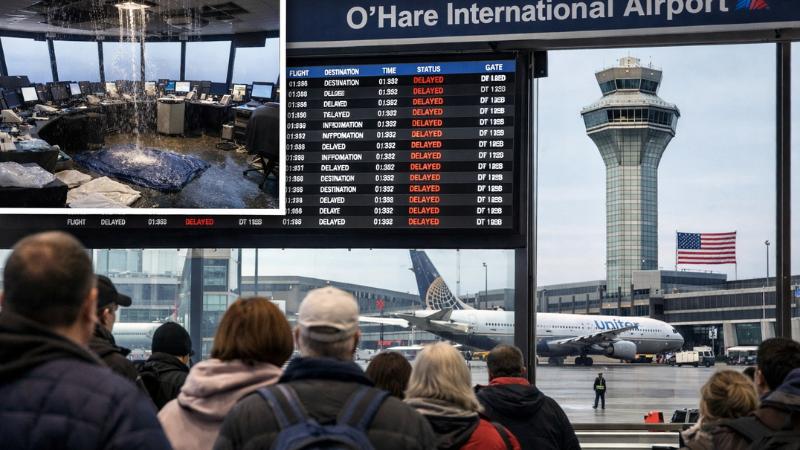
Operations at Chicago’s O’Hare International Airport were significantly disrupted Tuesday after a burst water pipe forced the evacuation of the airport’s primary air traffic control tower, triggering a prolonged ground delay program and affecting hundreds of flights throughout the day. Federal aviation officials confirmed the incident occurred during the early morning hours and continued to impact air traffic well into the evening. The situation began at approximately 1:10 a.m. when a water pipe failed inside the main air traffic control tower. The incident prompted the immediate evacuation of air traffic controllers working in the facility as a safety precaution. Controllers were temporarily relocated to the airport’s south control tower, where they resumed operations under adjusted procedures to maintain essential flight management functions. Shortly after the evacuation, the Federal Aviation Administration implemented a ground delay program for O’Hare. The measure was designed to manage air traffic flow while staffing and operational capacity were reduced. As of mid-morning, the FAA indicated that the ground delay program remained in effect and was expected to continue for much of the day, with projected delays extending into the evening hours. Flight tracking data showed widespread disruption across the airport, one of the busiest aviation hubs in the United States. More than 400 flights were reported delayed by Tuesday morning, with many experiencing wait times exceeding 45 minutes. The delays affected both arriving and departing flights, creating a ripple effect across domestic and international travel schedules. FAA officials confirmed that the main air traffic control tower remained closed as crews assessed the extent of the damage caused by the water intrusion. The full impact on equipment and infrastructure had not yet been determined, and officials said it was too early to estimate when normal operations would be fully restored. An investigation was launched to determine the cause of the pipe failure and to evaluate any structural or maintenance issues that may have contributed to the incident. Airport authorities worked alongside federal officials to manage passenger flow and minimize congestion within terminals. Travelers were advised to check directly with airlines for updated flight information and to allow extra time when traveling to or from the airport. Airlines adjusted schedules and staffing as they worked to accommodate delayed passengers and reposition aircraft. Despite the disruption, officials emphasized that safety remained the top priority and that the relocation of controllers allowed critical air traffic services to continue. The incident underscored the complexity of airport operations and the cascading impact that infrastructure issues can have on air travel, particularly at major hubs such as O’Hare. As repair efforts and inspections continued, officials said updates would be provided as more information became available. The FAA noted that restoring full capacity would depend on the outcome of the damage assessment and the completion of necessary repairs, while reiterating its commitment to maintaining safe and efficient air travel operations.
O'Hare Airport faces widespread delays after burst pipe disrupts air traffic control
Operations at Chicago’s O’Hare International Airport were significantly disrupted Tuesday after a burst water pipe forced the evacuation of the airport’s primary air traffic control tower, triggering a prolonged ground delay program and affecting hundreds of flights throughout the day. Federal aviation officials confirmed the incident occurred during the early morning hours and continued to impact air traffic well into the evening. The situation began at approximately 1:10 a.m. when a water pipe failed inside the main air traffic control tower. The incident prompted the immediate evacuation of air traffic controllers working in the facility as a safety precaution. Controllers were temporarily relocated to the airport’s south control tower, where they resumed operations under adjusted procedures to maintain essential flight management functions. Shortly after the evacuation, the Federal Aviation Administration implemented a ground delay program for O’Hare. The measure was designed to manage air traffic flow while staffing and operational capacity were reduced. As of mid-morning, the FAA indicated that the ground delay program remained in effect and was expected to continue for much of the day, with projected delays extending into the evening hours. Flight tracking data showed widespread disruption across the airport, one of the busiest aviation hubs in the United States. More than 400 flights were reported delayed by Tuesday morning, with many experiencing wait times exceeding 45 minutes. The delays affected both arriving and departing flights, creating a ripple effect across domestic and international travel schedules. FAA officials confirmed that the main air traffic control tower remained closed as crews assessed the extent of the damage caused by the water intrusion. The full impact on equipment and infrastructure had not yet been determined, and officials said it was too early to estimate when normal operations would be fully restored. An investigation was launched to determine the cause of the pipe failure and to evaluate any structural or maintenance issues that may have contributed to the incident. Airport authorities worked alongside federal officials to manage passenger flow and minimize congestion within terminals. Travelers were advised to check directly with airlines for updated flight information and to allow extra time when traveling to or from the airport. Airlines adjusted schedules and staffing as they worked to accommodate delayed passengers and reposition aircraft. Despite the disruption, officials emphasized that safety remained the top priority and that the relocation of controllers allowed critical air traffic services to continue. The incident underscored the complexity of airport operations and the cascading impact that infrastructure issues can have on air travel, particularly at major hubs such as O’Hare. As repair efforts and inspections continued, officials said updates would be provided as more information became available. The FAA noted that restoring full capacity would depend on the outcome of the damage assessment and the completion of necessary repairs, while reiterating its commitment to maintaining safe and efficient air travel operations.
Flight delays persist nationwide as FAA limits traffic amid staffing strain
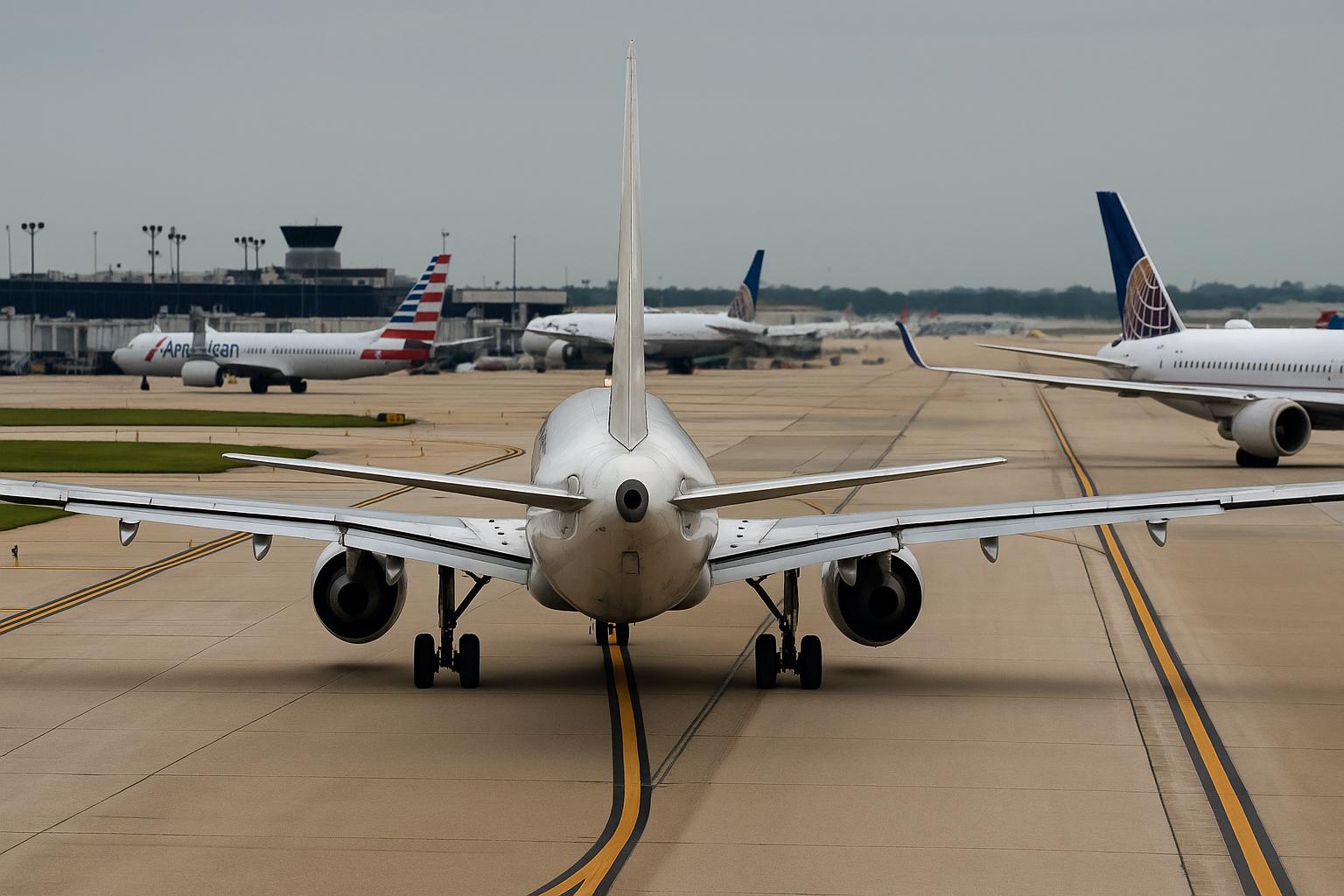
With the historic government shutdown approaching its resolution, flight delays continue to ripple across the United States as the Federal Aviation Administration (FAA) enforces a nationwide order aimed at reducing strain on air traffic controllers. The measure, while temporary, has led to extended flight times, increased rerouting, and longer wait periods for passengers and pilots alike. For the fifth consecutive day, air traffic operations have slowed as the FAA manages reduced st
Flight delays persist nationwide as FAA limits traffic amid staffing strain
With the historic government shutdown approaching its resolution, flight delays continue to ripple across the United States as the Federal Aviation Administration (FAA) enforces a nationwide order aimed at reducing strain on air traffic controllers. The measure, while temporary, has led to extended flight times, increased rerouting, and longer wait periods for passengers and pilots alike. For the fifth consecutive day, air traffic operations have slowed as the FAA manages reduced st
FAA restricts private and charter flights at Washington National Airport
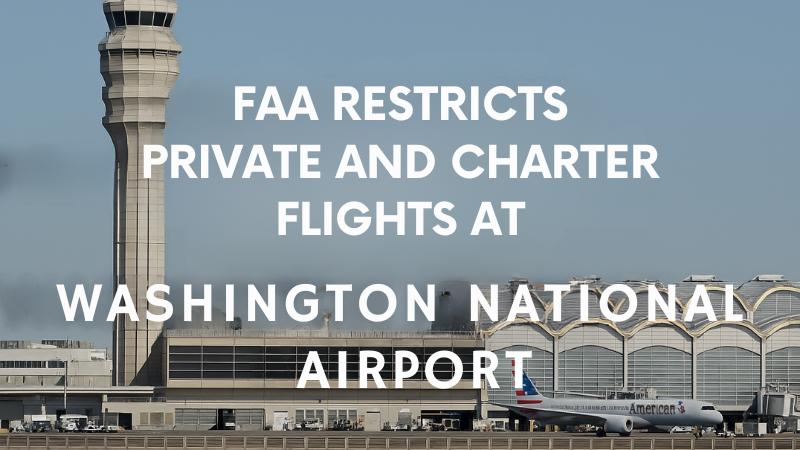
WASHINGTON — General aviation and private flights have been temporarily suspended from landing at Ronald Reagan Washington National Airport through the end of the year, according to updated Federal Aviation Administration (FAA) guidance. The directive took effect at midnight on Monday and will remain in place until 6:59 p.m. on December 31. The restriction applies to all non-scheduled flights, including chartered, corporate, and privately operated aircraft, unless they receive spe
FAA restricts private and charter flights at Washington National Airport
WASHINGTON — General aviation and private flights have been temporarily suspended from landing at Ronald Reagan Washington National Airport through the end of the year, according to updated Federal Aviation Administration (FAA) guidance. The directive took effect at midnight on Monday and will remain in place until 6:59 p.m. on December 31. The restriction applies to all non-scheduled flights, including chartered, corporate, and privately operated aircraft, unless they receive spe
O’Hare and Midway face flight cuts as FAA battles impact of record shutdown
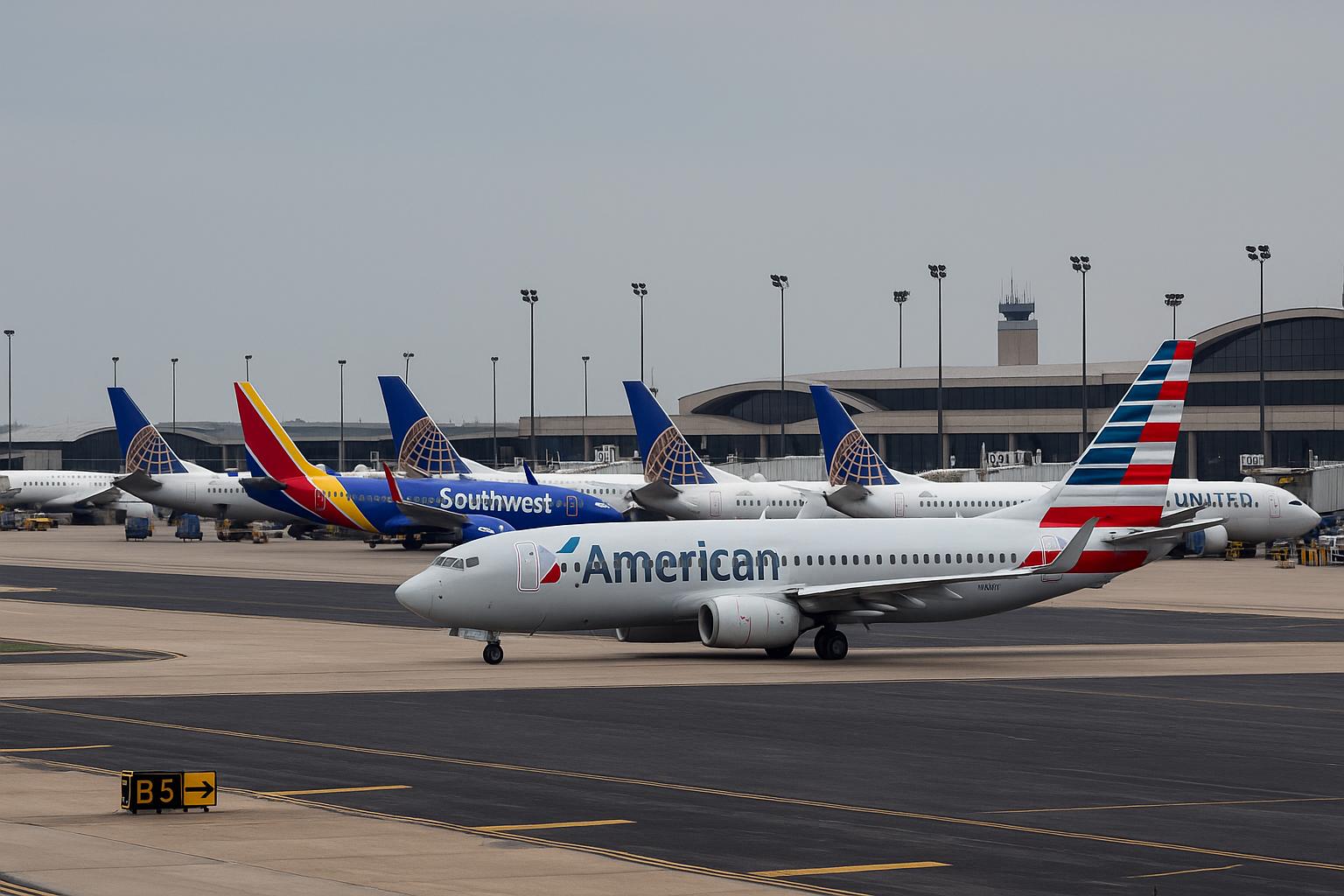
The Federal Aviation Administration (FAA) has announced significant flight reductions across 40 major U.S. airports, including Chicago’s O’Hare and Midway, beginning Friday. The move comes as the agency struggles to maintain safety standards during what has become the longest government shutdown in American history, now stretching into its 37th day. U.S. Transportation Secretary Sean Duffy warned earlier this week that the continued shutdown could cause “mass chaos, cancellati
O’Hare and Midway face flight cuts as FAA battles impact of record shutdown
The Federal Aviation Administration (FAA) has announced significant flight reductions across 40 major U.S. airports, including Chicago’s O’Hare and Midway, beginning Friday. The move comes as the agency struggles to maintain safety standards during what has become the longest government shutdown in American history, now stretching into its 37th day. U.S. Transportation Secretary Sean Duffy warned earlier this week that the continued shutdown could cause “mass chaos, cancellati
Flight delays and cancellations continue to frustrate travelers at Newark Airport
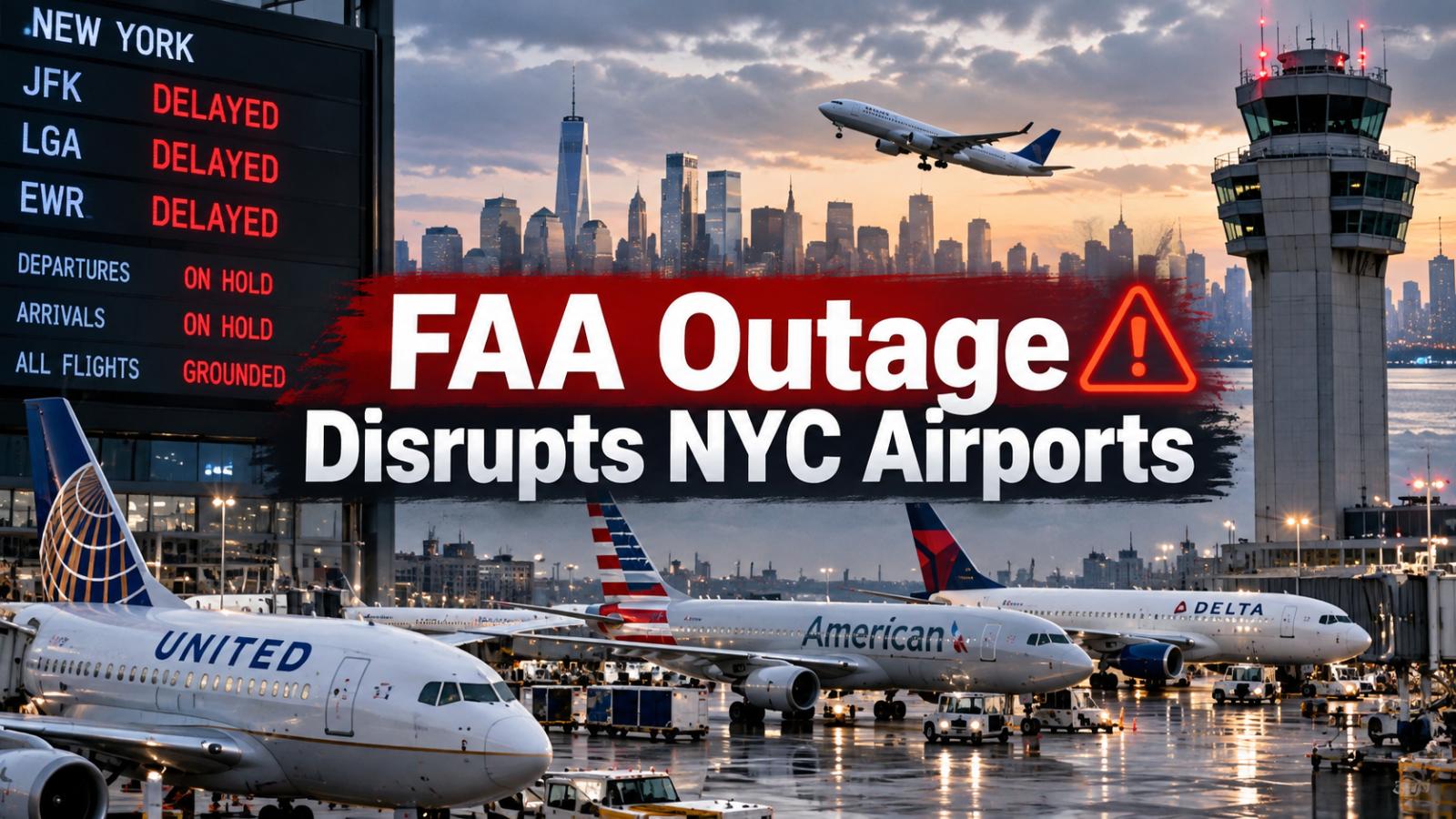
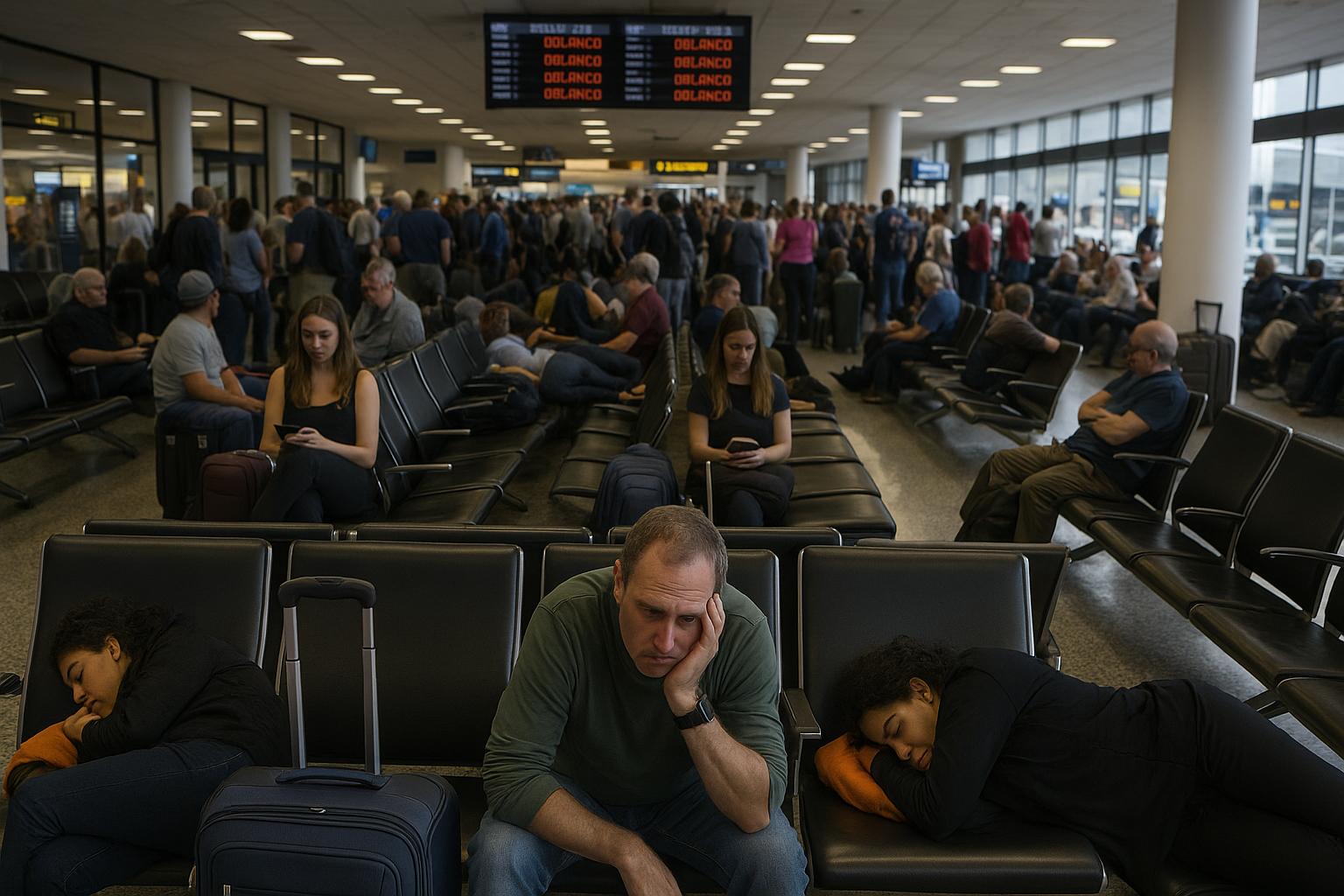
Travelers at Newark Liberty International Airport are enduring another day of mounting frustration as flight delays and cancellations continue to disrupt travel plans across the region. Staffing shortages in air traffic control combined with lingering weather impacts from Thursday’s storm have led to widespread schedule changes, causing many flights to be postponed or canceled altogether. For some passengers, what was supposed to be a short trip has turned into a grueling overnight wait in cro
Flight delays and cancellations continue to frustrate travelers at Newark Airport
Travelers at Newark Liberty International Airport are enduring another day of mounting frustration as flight delays and cancellations continue to disrupt travel plans across the region. Staffing shortages in air traffic control combined with lingering weather impacts from Thursday’s storm have led to widespread schedule changes, causing many flights to be postponed or canceled altogether. For some passengers, what was supposed to be a short trip has turned into a grueling overnight wait in cro
Secretary Duffy Visits Newark Airport, Urges End to Government Shutdown
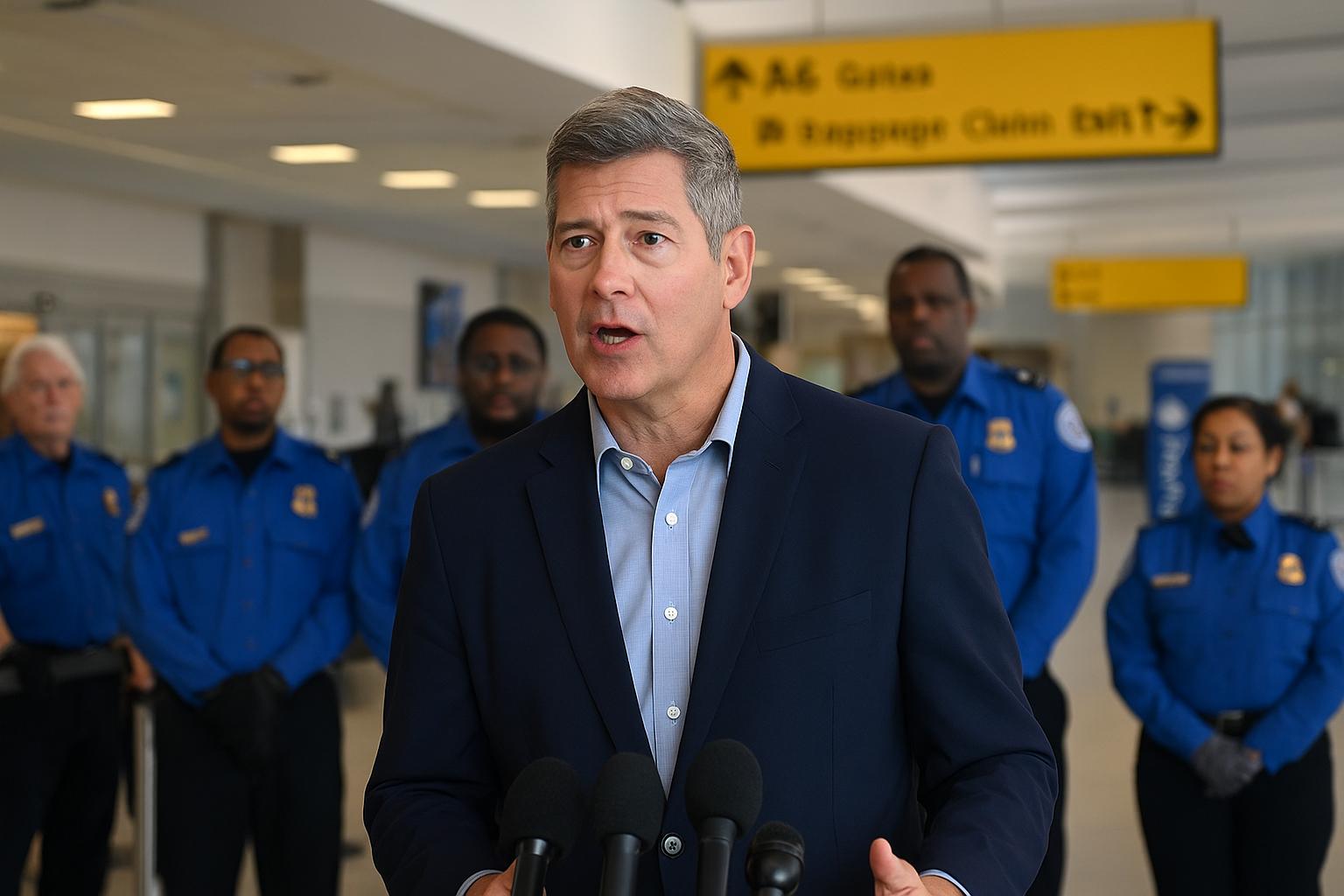
Newark, New Jersey — As the government shutdown stretches into its sixth day, Transportation Secretary Sean Duffy met with air traffic controllers in New Jersey to hear firsthand about the growing strain on essential federal workers. These employees, classified as essential personnel, are required to work without pay to keep the nation’s airspace safe, but many are facing mounting financial pressures. During his visit, Duffy met with air traffic controllers stationed at
Secretary Duffy Visits Newark Airport, Urges End to Government Shutdown
Newark, New Jersey — As the government shutdown stretches into its sixth day, Transportation Secretary Sean Duffy met with air traffic controllers in New Jersey to hear firsthand about the growing strain on essential federal workers. These employees, classified as essential personnel, are required to work without pay to keep the nation’s airspace safe, but many are facing mounting financial pressures. During his visit, Duffy met with air traffic controllers stationed at
FAA meets 2025 air traffic controller hiring goal despite staffing issues
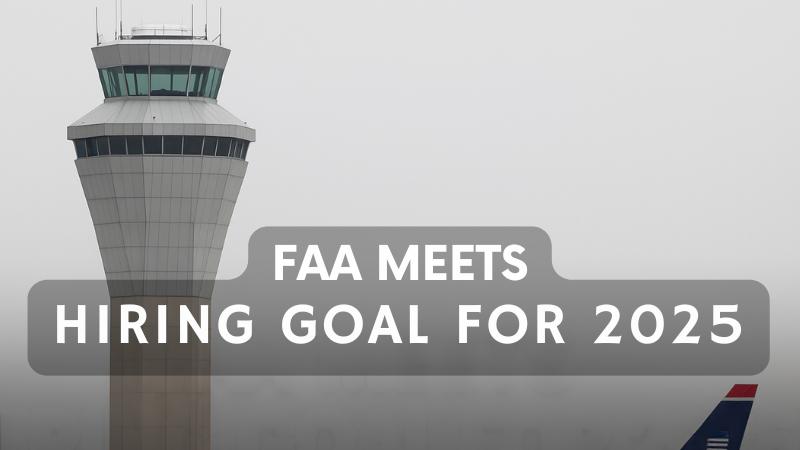
The Federal Aviation Administration has successfully reached its air traffic controller hiring goals for 2025, according to U.S. Transportation Secretary Sean Duffy. The announcement comes at a time when airports around the country, including Newark Liberty International Airport, have faced multiple operational challenges linked to staffing shortages. Since April, Newark has experienced several ground stops due to a lack of available air traffic controllers, raising questions about
FAA meets 2025 air traffic controller hiring goal despite staffing issues
The Federal Aviation Administration has successfully reached its air traffic controller hiring goals for 2025, according to U.S. Transportation Secretary Sean Duffy. The announcement comes at a time when airports around the country, including Newark Liberty International Airport, have faced multiple operational challenges linked to staffing shortages. Since April, Newark has experienced several ground stops due to a lack of available air traffic controllers, raising questions about
FAA limits Newark Airport flights amid safety and staffing concerns
The Federal Aviation Administration has implemented a temporary order to reduce the number of flight arrivals and departures at Newark Liberty International Airport, aiming to address a range of persistent safety and operational concerns. The directive comes in response to repeated air traffic communication failures, staffing shortages, and runway construction that have collectively strained one of the nation’s busiest airspaces. Newark Airport has recently experienced sever
FAA limits Newark Airport flights amid safety and staffing concerns
The Federal Aviation Administration has implemented a temporary order to reduce the number of flight arrivals and departures at Newark Liberty International Airport, aiming to address a range of persistent safety and operational concerns. The directive comes in response to repeated air traffic communication failures, staffing shortages, and runway construction that have collectively strained one of the nation’s busiest airspaces. Newark Airport has recently experienced sever