


















#ancientegypt
Explore the Great Pyramid of Giza: history, mysteries, and engineering marvels
The Great Pyramid of Giza, located on the Giza Plateau near Cairo, Egypt, is a symbol of human ingenuity and one of the world’s oldest monuments. Constructed around 2560 BCE during Pharaoh Khufu’s reign, this architectural masterpiece originally stood at 146.6 meters and now reaches about 138.8 meters. Known for its massive scale and historical importance, the pyramid continues to attract millions of visitors and remains the only surviving Wonder of the Ancient World. C
Explore the Great Pyramid of Giza: history, mysteries, and engineering marvels
The Great Pyramid of Giza, located on the Giza Plateau near Cairo, Egypt, is a symbol of human ingenuity and one of the world’s oldest monuments. Constructed around 2560 BCE during Pharaoh Khufu’s reign, this architectural masterpiece originally stood at 146.6 meters and now reaches about 138.8 meters. Known for its massive scale and historical importance, the pyramid continues to attract millions of visitors and remains the only surviving Wonder of the Ancient World. C
Tutankhamun’s tomb faces collapse threat as scientists warn of major structural damage
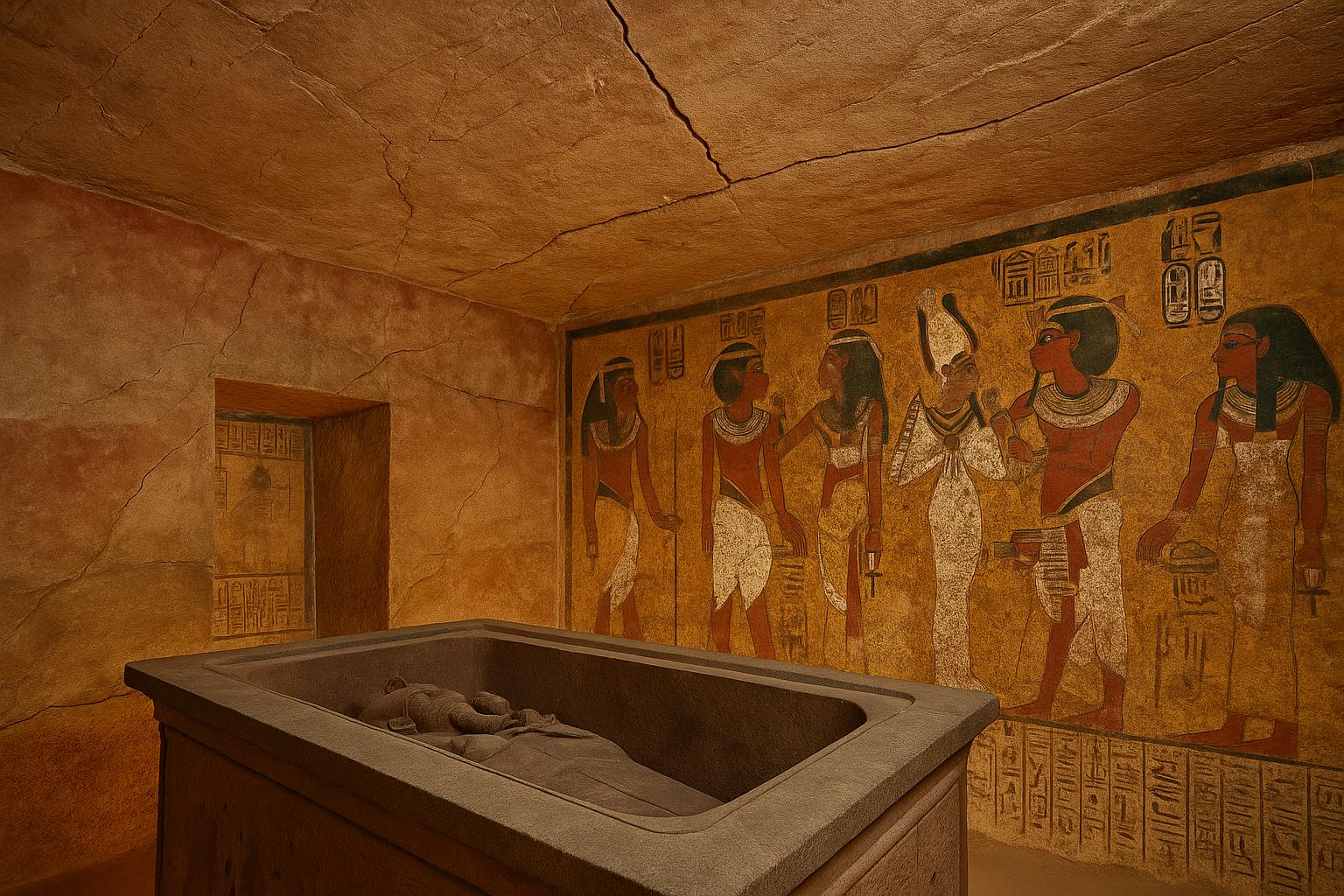
More than a century after its discovery transformed the study of ancient Egypt, the tomb of Pharaoh Tutankhamun is facing its most serious threat yet. Archaeologists and geological experts have issued urgent warnings that the 3,300-year-old burial site in Luxor’s Valley of the Kings is showing signs of severe structural instability. The tomb, officially catalogued as KV62, was discovered by British archaeologist Howard Carter in 1922 and remains one of the most celebrated finds in
Tutankhamun’s tomb faces collapse threat as scientists warn of major structural damage
More than a century after its discovery transformed the study of ancient Egypt, the tomb of Pharaoh Tutankhamun is facing its most serious threat yet. Archaeologists and geological experts have issued urgent warnings that the 3,300-year-old burial site in Luxor’s Valley of the Kings is showing signs of severe structural instability. The tomb, officially catalogued as KV62, was discovered by British archaeologist Howard Carter in 1922 and remains one of the most celebrated finds in


