#autoindustry
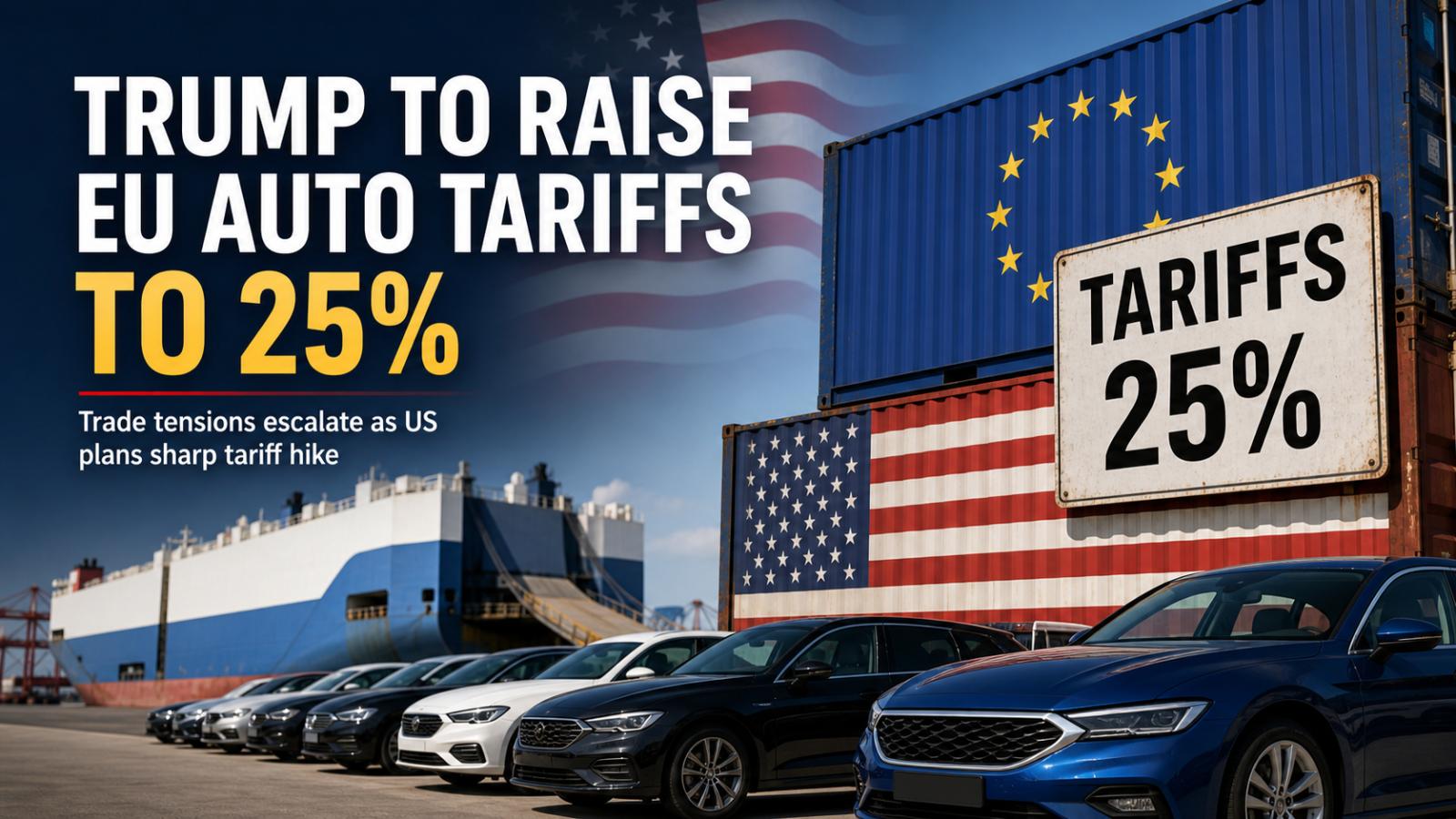
Will Trump raise EU auto tariffs to 25%? Yes, escalation risks trade tensions
Trump signals sharp increase in tariffs on EU vehicles WASHINGTON — On Friday, May 1, 2026, U.S. President Donald Trump announced plans to raise tariffs on cars and trucks imported from the European Union to 25%, signaling a significant shift in U.S.-EU trade policy. The move, shared publicly in a statement, comes at a time when global markets remain sensitive to policy changes and could trigger broader economic repercussions. Trump stated that the European Union was “not complying” with the previously agreed trade deal, though he did not provide specific details regarding the alleged violations. The announcement marks a departure from the earlier tariff framework negotiated between both sides. Background of the US-EU Turnberry trade framework The current dispute traces back to a bilateral agreement reached in July 2025 between Trump and Ursula von der Leyen, which set a 15% tariff ceiling on most traded goods. Known as the Turnberry Agreement, the arrangement aimed to stabilize trade relations and reduce uncertainty for industries on both sides of the Atlantic. Both the United States and the European Union had reaffirmed their commitment to maintaining this framework even after legal and policy challenges emerged earlier in 2026. Legal challenges reshape tariff authority The agreement’s stability was called into question after a ruling by the U.S. Supreme Court, which determined that the president lacked authority to impose tariffs under an economic emergency declaration. Following the ruling, tariff limits were effectively reduced, prompting the administration to explore alternative legal pathways to implement new import taxes. Ongoing investigations into trade imbalances and national security concerns have since been cited by the administration as justification for a revised tariff strategy, potentially putting the original agreement at risk. Economic stakes for EU and global markets The European Union has consistently emphasized the importance of maintaining agreed tariff limits, noting that the deal was expected to save its automotive sector between €500 million and €600 million monthly. Trade between the U.S. and EU reached approximately €1.7 trillion ($2 trillion) in 2024, highlighting the scale of economic interdependence. European officials have reiterated that commitments under the agreement should be upheld, stressing that EU exports must continue to benefit from competitive tariff treatment without unexpected increases. Rising tensions threaten trade stability The proposed tariff increase introduces fresh uncertainty into one of the world’s largest trading relationships. Analysts warn that such measures could disrupt supply chains, increase costs for manufacturers and consumers, and strain diplomatic ties. As the administration moves forward with its trade investigations, the future of the U.S.-EU trade framework remains uncertain, with potential implications extending beyond the automotive sector into the broader global economy.
Will Trump raise EU auto tariffs to 25%? Yes, escalation risks trade tensions
Trump signals sharp increase in tariffs on EU vehicles WASHINGTON — On Friday, May 1, 2026, U.S. President Donald Trump announced plans to raise tariffs on cars and trucks imported from the European Union to 25%, signaling a significant shift in U.S.-EU trade policy. The move, shared publicly in a statement, comes at a time when global markets remain sensitive to policy changes and could trigger broader economic repercussions. Trump stated that the European Union was “not complying” with the previously agreed trade deal, though he did not provide specific details regarding the alleged violations. The announcement marks a departure from the earlier tariff framework negotiated between both sides. Background of the US-EU Turnberry trade framework The current dispute traces back to a bilateral agreement reached in July 2025 between Trump and Ursula von der Leyen, which set a 15% tariff ceiling on most traded goods. Known as the Turnberry Agreement, the arrangement aimed to stabilize trade relations and reduce uncertainty for industries on both sides of the Atlantic. Both the United States and the European Union had reaffirmed their commitment to maintaining this framework even after legal and policy challenges emerged earlier in 2026. Legal challenges reshape tariff authority The agreement’s stability was called into question after a ruling by the U.S. Supreme Court, which determined that the president lacked authority to impose tariffs under an economic emergency declaration. Following the ruling, tariff limits were effectively reduced, prompting the administration to explore alternative legal pathways to implement new import taxes. Ongoing investigations into trade imbalances and national security concerns have since been cited by the administration as justification for a revised tariff strategy, potentially putting the original agreement at risk. Economic stakes for EU and global markets The European Union has consistently emphasized the importance of maintaining agreed tariff limits, noting that the deal was expected to save its automotive sector between €500 million and €600 million monthly. Trade between the U.S. and EU reached approximately €1.7 trillion ($2 trillion) in 2024, highlighting the scale of economic interdependence. European officials have reiterated that commitments under the agreement should be upheld, stressing that EU exports must continue to benefit from competitive tariff treatment without unexpected increases. Rising tensions threaten trade stability The proposed tariff increase introduces fresh uncertainty into one of the world’s largest trading relationships. Analysts warn that such measures could disrupt supply chains, increase costs for manufacturers and consumers, and strain diplomatic ties. As the administration moves forward with its trade investigations, the future of the U.S.-EU trade framework remains uncertain, with potential implications extending beyond the automotive sector into the broader global economy.
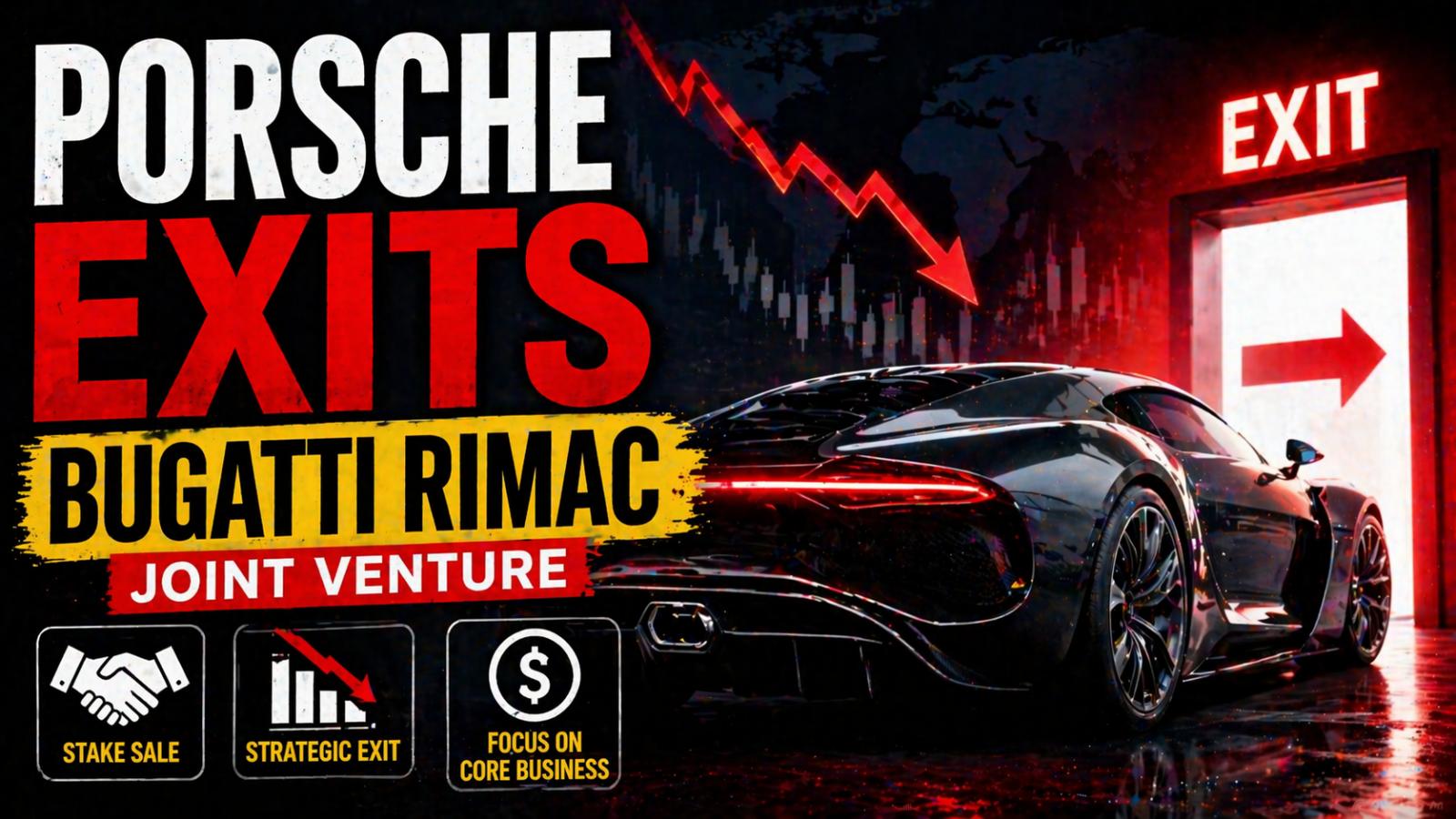
Porsche exits Bugatti Rimac joint venture in strategic stake sale
Porsche sells its Bugatti Rimac stake, marking a full exit and shift toward core operations amid global market challenges. Porsche exits Bugatti Rimac joint venture in strategic stake sale — Porsche AG has agreed to sell its 45% stake in the Bugatti Rimac joint venture, marking a full withdrawal from the high-performance electric hypercar venture as it sharpens focus on
Porsche exits Bugatti Rimac joint venture in strategic stake sale
Porsche sells its Bugatti Rimac stake, marking a full exit and shift toward core operations amid global market challenges. Porsche exits Bugatti Rimac joint venture in strategic stake sale — Porsche AG has agreed to sell its 45% stake in the Bugatti Rimac joint venture, marking a full withdrawal from the high-performance electric hypercar venture as it sharpens focus on
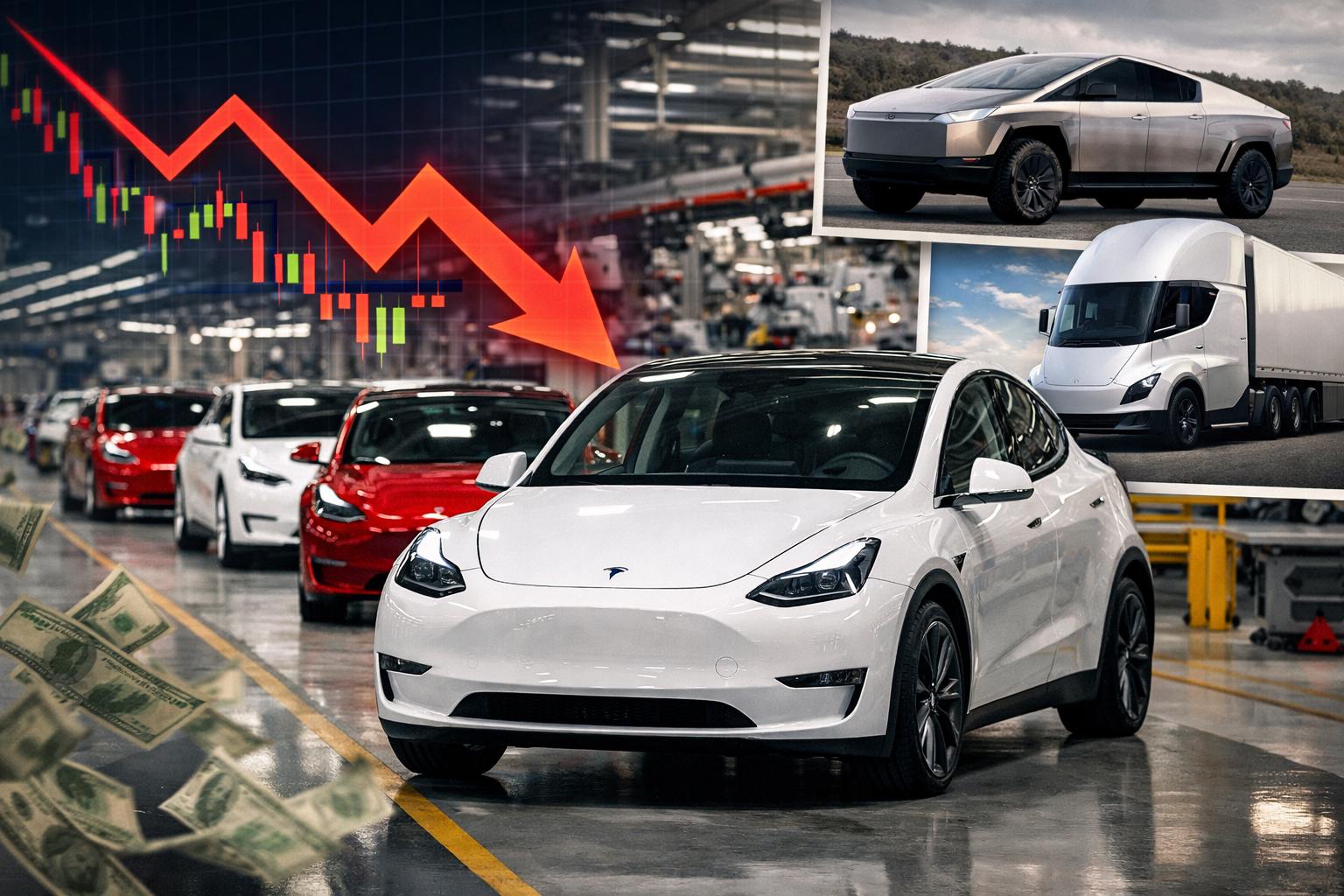
Tesla Q1 2026 deliveries miss estimates as production outpaces demand
Tesla reported its first-quarter 2026 vehicle production and delivery figures, revealing a mixed performance as deliveries fell short of expectations while showing modest year-over-year growth. The company delivered 358,023 vehicles during the quarter and produced 408,386 units, according to its latest report. Analysts had projected approximately 370,000 deliveries, while a company-compiled consensus published on Wednesday, March 26, 2026, estimated 365,645 deliveries. Following the r
Tesla Q1 2026 deliveries miss estimates as production outpaces demand
Tesla reported its first-quarter 2026 vehicle production and delivery figures, revealing a mixed performance as deliveries fell short of expectations while showing modest year-over-year growth. The company delivered 358,023 vehicles during the quarter and produced 408,386 units, according to its latest report. Analysts had projected approximately 370,000 deliveries, while a company-compiled consensus published on Wednesday, March 26, 2026, estimated 365,645 deliveries. Following the r
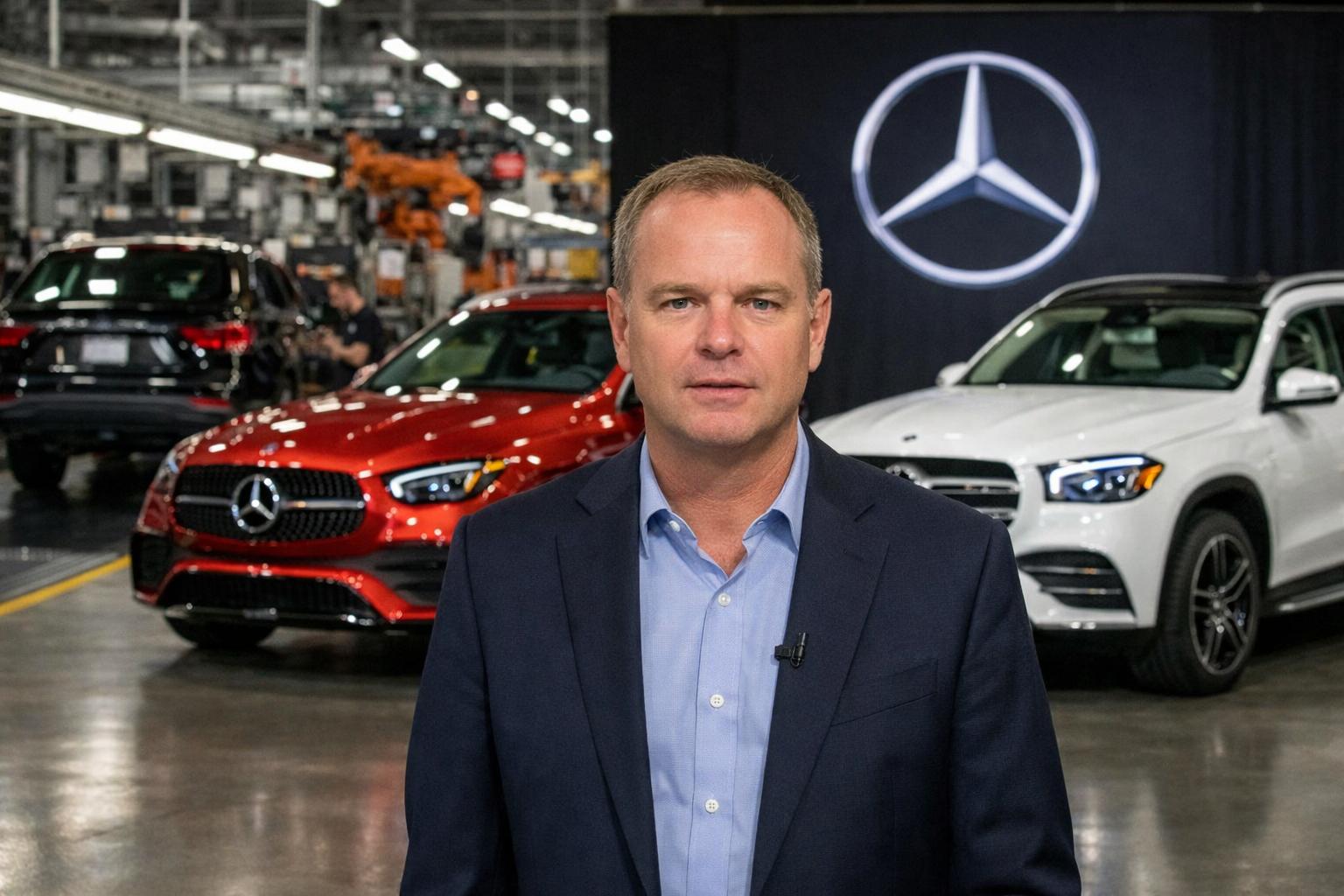
Mercedes-Benz sees challenges ahead despite U.S. sales growth plans
Mercedes-Benz USA CEO Adam Chamberlain said on Tuesday, March 31, 2026, that early indicators suggest the 2026 model year is shaping up to be more challenging than initially expected, as economic uncertainty and external pressures weigh on the U.S. auto market. Speaking at the company’s manufacturing facility in Vance, Alabama, Chamberlain indicated that conditions in the opening months of the year have proven tougher than anticipated. He cited a range of factors influencing the market, in
Mercedes-Benz sees challenges ahead despite U.S. sales growth plans
Mercedes-Benz USA CEO Adam Chamberlain said on Tuesday, March 31, 2026, that early indicators suggest the 2026 model year is shaping up to be more challenging than initially expected, as economic uncertainty and external pressures weigh on the U.S. auto market. Speaking at the company’s manufacturing facility in Vance, Alabama, Chamberlain indicated that conditions in the opening months of the year have proven tougher than anticipated. He cited a range of factors influencing the market, in
Poland bans Chinese-made vehicles from military facilities over data risks
Poland has formally prohibited Chinese-made cars and other technologically advanced vehicles from entering the country’s military facilities, citing concerns over potential data security risks. The decision, announced by the Chief of the General Staff of the Polish Armed Forces, is intended to reduce the possibility of uncontrolled acquisition and use of sensitive information by modern automotive systems. According to the Polish military, the move follows a detailed risk assessmen
Poland bans Chinese-made vehicles from military facilities over data risks
Poland has formally prohibited Chinese-made cars and other technologically advanced vehicles from entering the country’s military facilities, citing concerns over potential data security risks. The decision, announced by the Chief of the General Staff of the Polish Armed Forces, is intended to reduce the possibility of uncontrolled acquisition and use of sensitive information by modern automotive systems. According to the Polish military, the move follows a detailed risk assessmen
Maruti Suzuki achieves highest-ever monthly sales on export and UV surge
Maruti Suzuki India Limited recorded its highest-ever monthly sales performance in November 2025, supported by robust domestic demand and the strongest export tally in the company’s history. The automaker reported total sales of 2,29,021 units for the month, reflecting continued momentum in both passenger vehicles and utility models as the broader auto sector experiences sustained growth. In the domestic market, Maruti Suzuki delivered 1,74,593 units, a sharp rise from 1,44,238 un
Maruti Suzuki achieves highest-ever monthly sales on export and UV surge
Maruti Suzuki India Limited recorded its highest-ever monthly sales performance in November 2025, supported by robust domestic demand and the strongest export tally in the company’s history. The automaker reported total sales of 2,29,021 units for the month, reflecting continued momentum in both passenger vehicles and utility models as the broader auto sector experiences sustained growth. In the domestic market, Maruti Suzuki delivered 1,74,593 units, a sharp rise from 1,44,238 un
PB Balaji Becomes First Indian CEO of Jaguar Land Rover, Will Take Charge in November 2025
In a historic appointment that underscores India's rising leadership footprint in global business, Tata Motors has announced PB Balaji as the next Chief Executive Officer (CEO) of Jaguar Land Rover (JLR). Balaji will take over the reins in November 2025, becoming the first Indian to lead the iconic British luxury automobile brand. The announcement was made following a meeting of the Board of Directors of JLR on A
PB Balaji Becomes First Indian CEO of Jaguar Land Rover, Will Take Charge in November 2025
In a historic appointment that underscores India's rising leadership footprint in global business, Tata Motors has announced PB Balaji as the next Chief Executive Officer (CEO) of Jaguar Land Rover (JLR). Balaji will take over the reins in November 2025, becoming the first Indian to lead the iconic British luxury automobile brand. The announcement was made following a meeting of the Board of Directors of JLR on A