#budgetdeficit
San Francisco Budget Plan Targets $642M Deficit
The San Francisco budget plan proposed by Mayor Daniel Lurie seeks to protect core city services while addressing a $642 million deficit over the next two fiscal years. Lurie announced the proposal in San Francisco on Monday, June 1, 2026, presenting it as a spending plan built around fiscal discipline, service protection and preparation for possible federal funding cuts. San Francisco Budget Plan Focuses on Services and Deficit Control The pro
San Francisco Budget Plan Targets $642M Deficit
The San Francisco budget plan proposed by Mayor Daniel Lurie seeks to protect core city services while addressing a $642 million deficit over the next two fiscal years. Lurie announced the proposal in San Francisco on Monday, June 1, 2026, presenting it as a spending plan built around fiscal discipline, service protection and preparation for possible federal funding cuts. San Francisco Budget Plan Focuses on Services and Deficit Control The pro
San Jose urges state to rescind card room regulations over revenue concerns
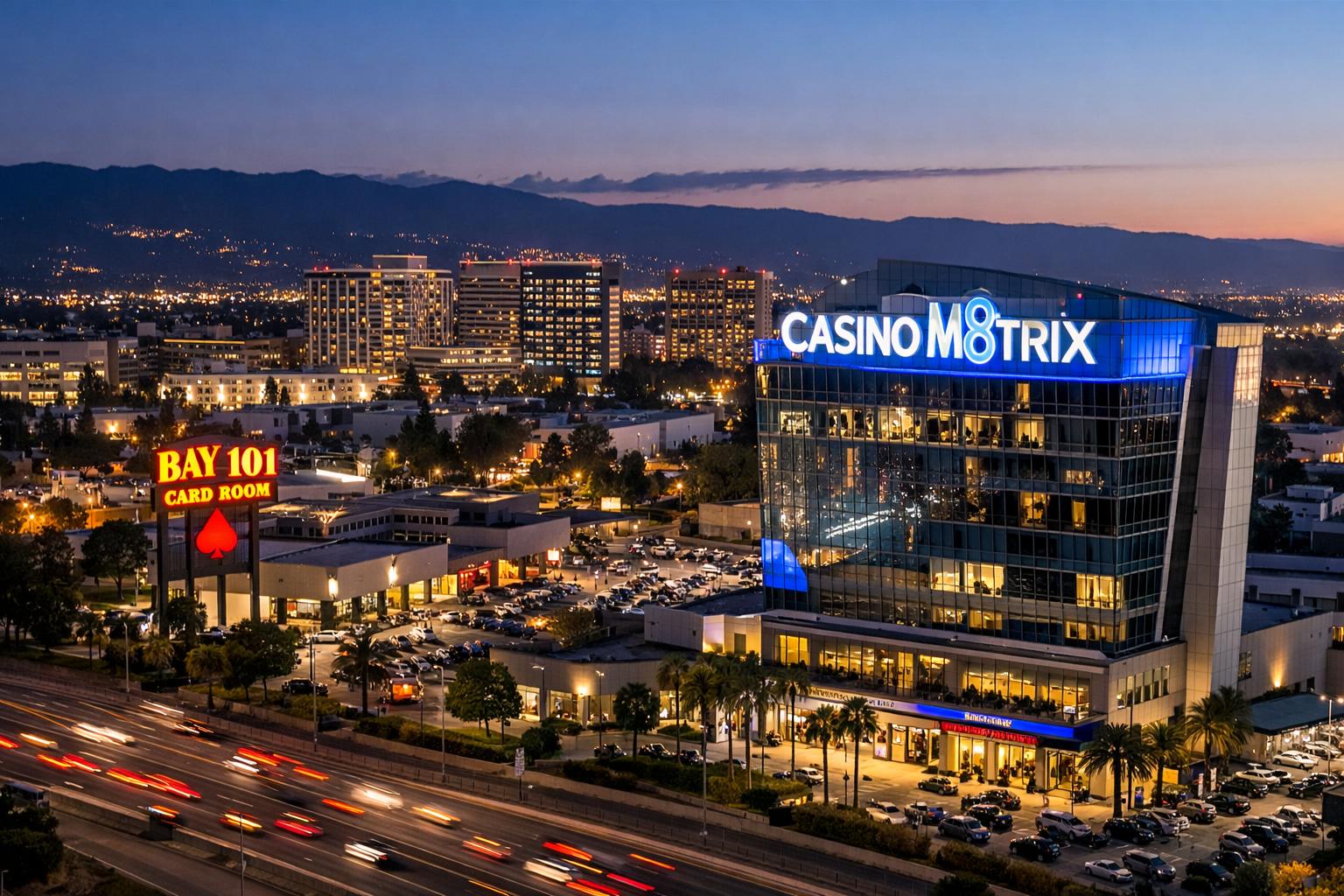
San Jose officials are calling on state regulators to withdraw newly approved gambling regulations that they say could significantly disrupt the city’s finances and threaten more than 1,000 local jobs. In a letter dated Feb. 19 and addressed to Attorney General Rob Bonta, city leaders warned that the new rules governing California’s card rooms would dramatically reduce tax revenue generated by the city’s two licensed casinos, Casino M8trix and Bay 101. According to city offici
San Jose urges state to rescind card room regulations over revenue concerns
San Jose officials are calling on state regulators to withdraw newly approved gambling regulations that they say could significantly disrupt the city’s finances and threaten more than 1,000 local jobs. In a letter dated Feb. 19 and addressed to Attorney General Rob Bonta, city leaders warned that the new rules governing California’s card rooms would dramatically reduce tax revenue generated by the city’s two licensed casinos, Casino M8trix and Bay 101. According to city offici
Saudi crown prince’s $1 trillion US pledge sparks questions over sovereign fund liquidity
During his recent visit to the United States, Saudi Arabia’s crown prince, Mohammed bin Salman, made a high-profile commitment to invest $1 trillion in Washington while seated beside the US president at the Oval Office. The announcement underscored the scale of Saudi Arabia’s financial ambitions, but it also renewed debate over whether the kingdom’s sovereign wealth fund has sufficient liquidity to support such a massive pledge at a time when its domestic projects are encountering financial strain. Much of the responsibility for executing the investment promise would likely fall on the Public Investment Fund, the kingdom’s flagship sovereign wealth fund, which has been under increasing pressure due to slowing returns from several large-scale ventures. The Public Investment Fund has for years been at the centre of Saudi Arabia’s economic transformation strategy, financing ambitious projects intended to diversify the nation’s oil-dependent economy. While the fund officially controls assets valued at approximately $1 trillion, a significant portion is tied up in holdings that are difficult to liquidate and lack transparent public valuations. The situation has prompted fund officials, according to people familiar with internal discussions, to caution international partners that future allocations may be scaled back until liquidity conditions improve. This comes at a time when Saudi Arabia is seeking additional capital for ongoing megaprojects that have already absorbed substantial resources. Among the most prominent initiatives facing headwinds is Neom, the futuristic development planned for the kingdom’s northwest. Conceived as a hub for advanced technology, sustainable living, and major tourism attractions, Neom was expected to showcase the scale and innovation of Saudi Arabia’s modernisation efforts. However, the project has encountered delays, rising costs, and questions about its commercial viability. Similar challenges have surfaced across other ventures funded by the PIF, including luxury Red Sea resorts that remain largely unoccupied despite significant investment. These difficulties have intensified scrutiny over the fund’s ability to sustain its commitments while supporting a broad portfolio of domestic developments. Saudi Arabia continues to benefit from substantial oil reserves, but its energy revenues have been constrained by production cuts linked to global market agreements alongside relatively subdued crude prices. As a result, the kingdom is managing a budget deficit and has increased borrowing to support national spending priorities. Analysts note that these fiscal pressures add complexity to the crown prince’s pledge, which arrives at a moment when the government is balancing long-term economic goals with short-term financial realities. The PIF, established in 1971 to support nationally significant industries, grew slowly for decades before being placed under Prince Mohammed’s direct authority in 2015. Since then, the fund has taken on a far more expansive role, backed by injections of government capital, redirected oil revenues, and assets seized under anti-corruption campaigns. Its portfolio now spans global equities, domestic infrastructure, and emerging sectors such as artificial intelligence, reflecting the prince’s drive to position the kingdom as a major player in future technologies. Despite achieving notable gains during periods of rising markets, the fund’s more recent initiatives have faced tougher conditions. In response to financial pressures, the fund’s leadership has reportedly adjusted internal forecasts, restructured teams, and replaced executives overseeing underperforming ventures. Officials have also signalled a shift in focus toward private investments in technology firms, an area viewed as strategically important to the kingdom’s long-term plans. These moves come as global investors track the fund’s evolving strategy, especially given the symbolic weight of the crown prince’s $1 trillion pledge. While signs of strain are evident within the fund’s operations, analysts caution that it is premature to conclude that Saudi Arabia is facing broader economic distress. The kingdom retains substantial financial capacity, and its long-term diversification agenda continues to receive strong state backing. However, the contrast between ambitious international commitments and the financial demands of domestic megaprojects has raised questions about sustainability. Observers will be watching closely to determine whether the kingdom can balance its aspirations abroad with the fiscal realities at home, particularly as the PIF navigates a period of tighter liquidity and heightened scrutiny.
Saudi crown prince’s $1 trillion US pledge sparks questions over sovereign fund liquidity
During his recent visit to the United States, Saudi Arabia’s crown prince, Mohammed bin Salman, made a high-profile commitment to invest $1 trillion in Washington while seated beside the US president at the Oval Office. The announcement underscored the scale of Saudi Arabia’s financial ambitions, but it also renewed debate over whether the kingdom’s sovereign wealth fund has sufficient liquidity to support such a massive pledge at a time when its domestic projects are encountering financial strain. Much of the responsibility for executing the investment promise would likely fall on the Public Investment Fund, the kingdom’s flagship sovereign wealth fund, which has been under increasing pressure due to slowing returns from several large-scale ventures. The Public Investment Fund has for years been at the centre of Saudi Arabia’s economic transformation strategy, financing ambitious projects intended to diversify the nation’s oil-dependent economy. While the fund officially controls assets valued at approximately $1 trillion, a significant portion is tied up in holdings that are difficult to liquidate and lack transparent public valuations. The situation has prompted fund officials, according to people familiar with internal discussions, to caution international partners that future allocations may be scaled back until liquidity conditions improve. This comes at a time when Saudi Arabia is seeking additional capital for ongoing megaprojects that have already absorbed substantial resources. Among the most prominent initiatives facing headwinds is Neom, the futuristic development planned for the kingdom’s northwest. Conceived as a hub for advanced technology, sustainable living, and major tourism attractions, Neom was expected to showcase the scale and innovation of Saudi Arabia’s modernisation efforts. However, the project has encountered delays, rising costs, and questions about its commercial viability. Similar challenges have surfaced across other ventures funded by the PIF, including luxury Red Sea resorts that remain largely unoccupied despite significant investment. These difficulties have intensified scrutiny over the fund’s ability to sustain its commitments while supporting a broad portfolio of domestic developments. Saudi Arabia continues to benefit from substantial oil reserves, but its energy revenues have been constrained by production cuts linked to global market agreements alongside relatively subdued crude prices. As a result, the kingdom is managing a budget deficit and has increased borrowing to support national spending priorities. Analysts note that these fiscal pressures add complexity to the crown prince’s pledge, which arrives at a moment when the government is balancing long-term economic goals with short-term financial realities. The PIF, established in 1971 to support nationally significant industries, grew slowly for decades before being placed under Prince Mohammed’s direct authority in 2015. Since then, the fund has taken on a far more expansive role, backed by injections of government capital, redirected oil revenues, and assets seized under anti-corruption campaigns. Its portfolio now spans global equities, domestic infrastructure, and emerging sectors such as artificial intelligence, reflecting the prince’s drive to position the kingdom as a major player in future technologies. Despite achieving notable gains during periods of rising markets, the fund’s more recent initiatives have faced tougher conditions. In response to financial pressures, the fund’s leadership has reportedly adjusted internal forecasts, restructured teams, and replaced executives overseeing underperforming ventures. Officials have also signalled a shift in focus toward private investments in technology firms, an area viewed as strategically important to the kingdom’s long-term plans. These moves come as global investors track the fund’s evolving strategy, especially given the symbolic weight of the crown prince’s $1 trillion pledge. While signs of strain are evident within the fund’s operations, analysts caution that it is premature to conclude that Saudi Arabia is facing broader economic distress. The kingdom retains substantial financial capacity, and its long-term diversification agenda continues to receive strong state backing. However, the contrast between ambitious international commitments and the financial demands of domestic megaprojects has raised questions about sustainability. Observers will be watching closely to determine whether the kingdom can balance its aspirations abroad with the fiscal realities at home, particularly as the PIF navigates a period of tighter liquidity and heightened scrutiny.
Austin ISD faces $19.7 million deficit and possible TEA takeover amid school closures
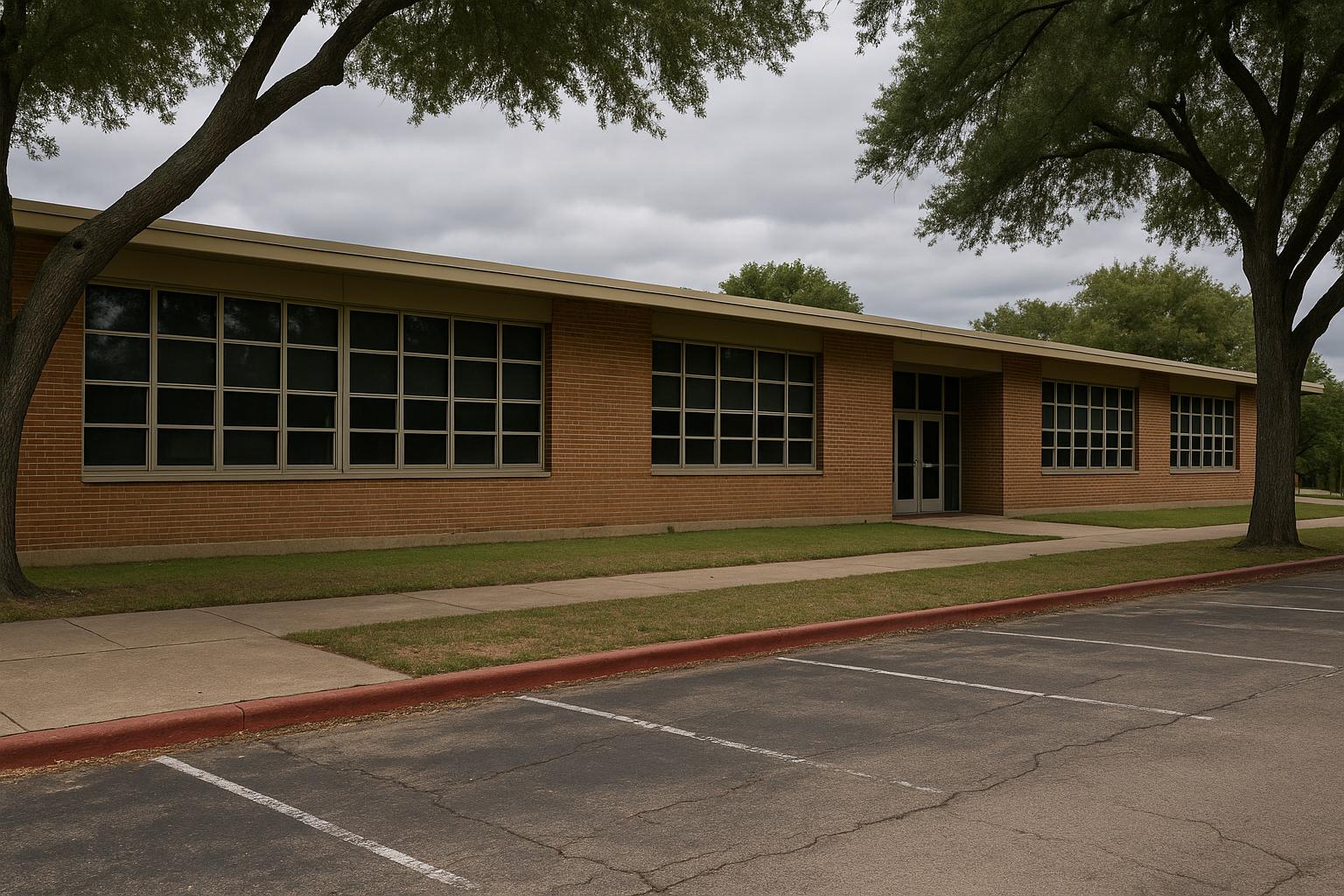
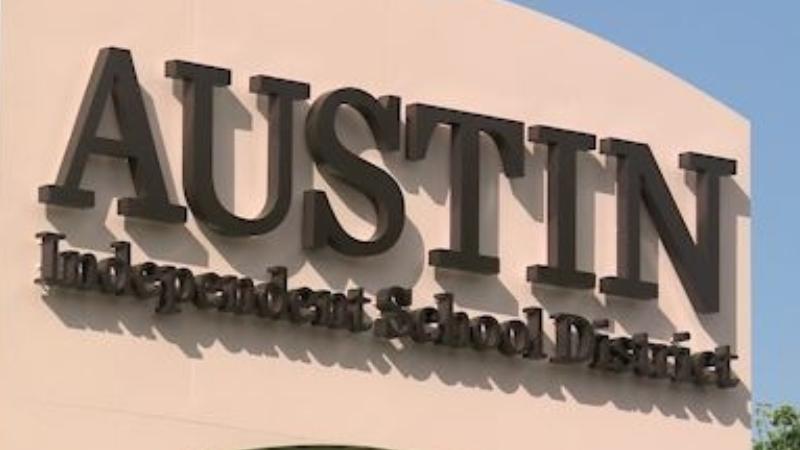
Austin, Texas — The Austin Independent School District (AISD) is confronting a budget deficit exceeding $19.7 million and the looming possibility of state intervention if it fails to stabilize its finances and improve underperforming campuses. While no final decisions have been made, district officials have begun a series of public meetings to address community concerns, explain their financial situation, and present a preliminary plan aimed at long-term sustainability. The distri
Austin ISD faces $19.7 million deficit and possible TEA takeover amid school closures
Austin, Texas — The Austin Independent School District (AISD) is confronting a budget deficit exceeding $19.7 million and the looming possibility of state intervention if it fails to stabilize its finances and improve underperforming campuses. While no final decisions have been made, district officials have begun a series of public meetings to address community concerns, explain their financial situation, and present a preliminary plan aimed at long-term sustainability. The distri
Austin ISD Plans to Address School Closures, Boundary Changes Amid Budget Deficit
Austin Independent School District (ISD) is taking critical steps to address a multi-year budget deficit and ensure a more efficient education system. The district, which has faced deficits for three consecutive years, plans to close some schools, redraw attendance boundaries, and implement other realignment measures. The ultimate goal is to reduce $30 million from the district’s budget and streamline operations while preserving the quality of education.
Austin ISD Plans to Address School Closures, Boundary Changes Amid Budget Deficit
Austin Independent School District (ISD) is taking critical steps to address a multi-year budget deficit and ensure a more efficient education system. The district, which has faced deficits for three consecutive years, plans to close some schools, redraw attendance boundaries, and implement other realignment measures. The ultimate goal is to reduce $30 million from the district’s budget and streamline operations while preserving the quality of education.
Fired Alum Rock superintendent urges investigation into board member reimbursements
The recently dismissed superintendent of the Alum Rock Union Elementary School District is speaking out, claiming his termination was retaliation for raising concerns about questionable board member reimbursements. German Cerda, who was let go less than a year into his tenure, said the board’s decision to fire him “without cause” does not reflect the true reason behind his removal. From his home, Cerda described the shock of being walked out
Fired Alum Rock superintendent urges investigation into board member reimbursements
The recently dismissed superintendent of the Alum Rock Union Elementary School District is speaking out, claiming his termination was retaliation for raising concerns about questionable board member reimbursements. German Cerda, who was let go less than a year into his tenure, said the board’s decision to fire him “without cause” does not reflect the true reason behind his removal. From his home, Cerda described the shock of being walked out
Santa Clara County Faces Budget Crisis: Key Services Cut, Jobs Lost, Programs Shift
Santa Clara County is facing a significant structural budget deficit heading into the 2025-26 fiscal year, compelling leaders to make hard choices that could affect critical social services. With a projected $70 million drop in federal funding, plus anticipated state reductions, county officials are navigating how to minimize the damage to essential programs that serve the most vulnerable residents. One of the major outcomes of the budget proposal is the elimination of 279 full-ti
Santa Clara County Faces Budget Crisis: Key Services Cut, Jobs Lost, Programs Shift
Santa Clara County is facing a significant structural budget deficit heading into the 2025-26 fiscal year, compelling leaders to make hard choices that could affect critical social services. With a projected $70 million drop in federal funding, plus anticipated state reductions, county officials are navigating how to minimize the damage to essential programs that serve the most vulnerable residents. One of the major outcomes of the budget proposal is the elimination of 279 full-ti