















#burgenstock
Iran says it will administer Strait of Hormuz
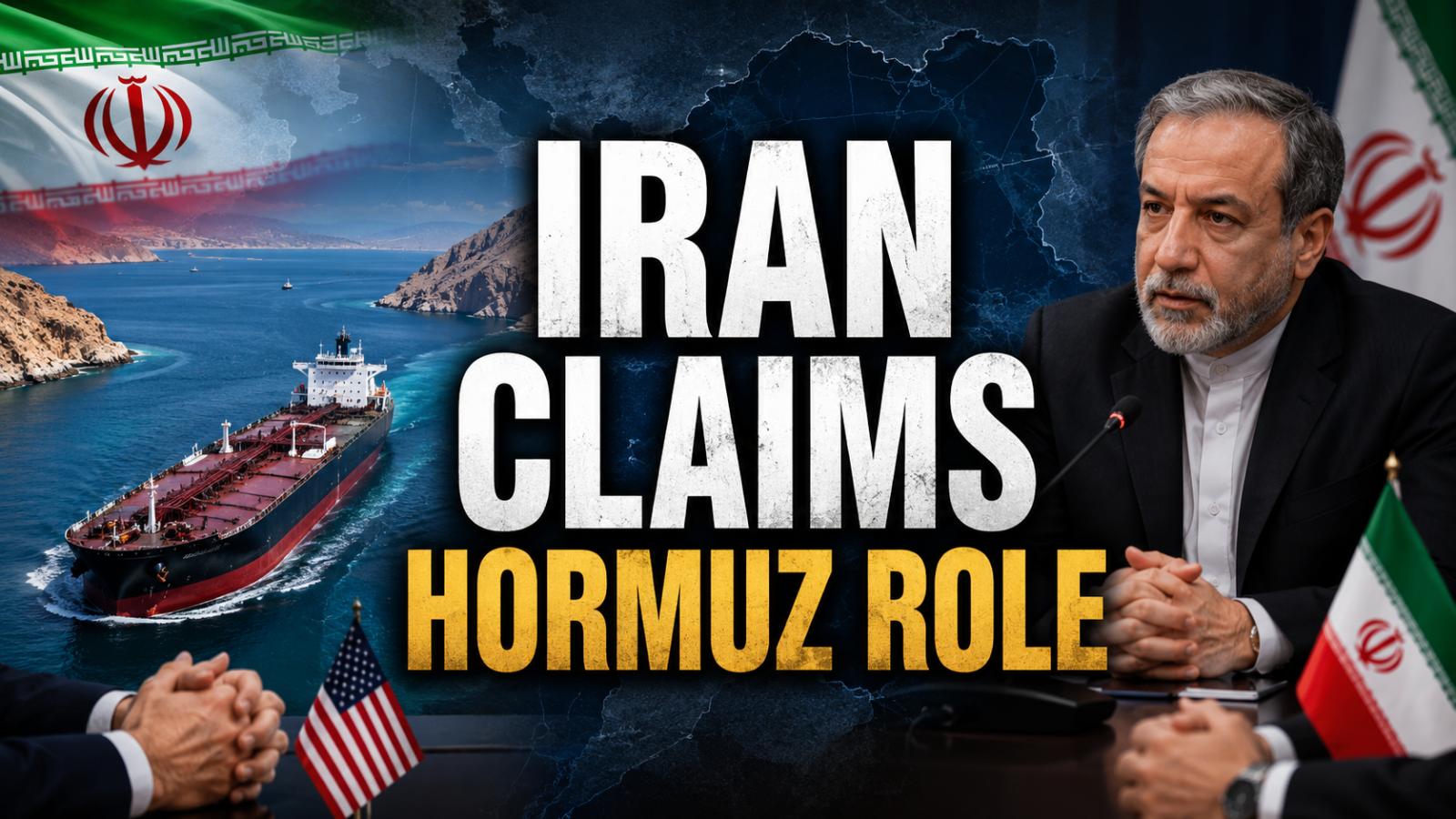
Iran claims new Hormuz role Iran’s chief negotiator and Parliament Speaker Mohammad Bagher Ghalibaf said the Strait of Hormuz would be administered by Tehran following the first round of US Iran talks in Switzerland. In a video message quoted by Iranian state media on Tuesday, June 23, Ghalibaf said the strategic waterway would not return to its pre-war conditions and would be managed by the Islamic Republic of Iran in accordance with inter
Iran says it will administer Strait of Hormuz
Iran claims new Hormuz role Iran’s chief negotiator and Parliament Speaker Mohammad Bagher Ghalibaf said the Strait of Hormuz would be administered by Tehran following the first round of US Iran talks in Switzerland. In a video message quoted by Iranian state media on Tuesday, June 23, Ghalibaf said the strategic waterway would not return to its pre-war conditions and would be managed by the Islamic Republic of Iran in accordance with inter
Trump says Iran will accept major weapons inspections
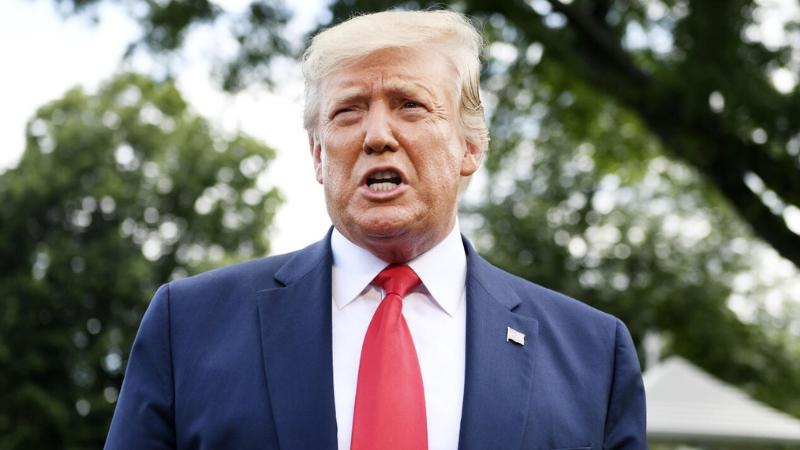
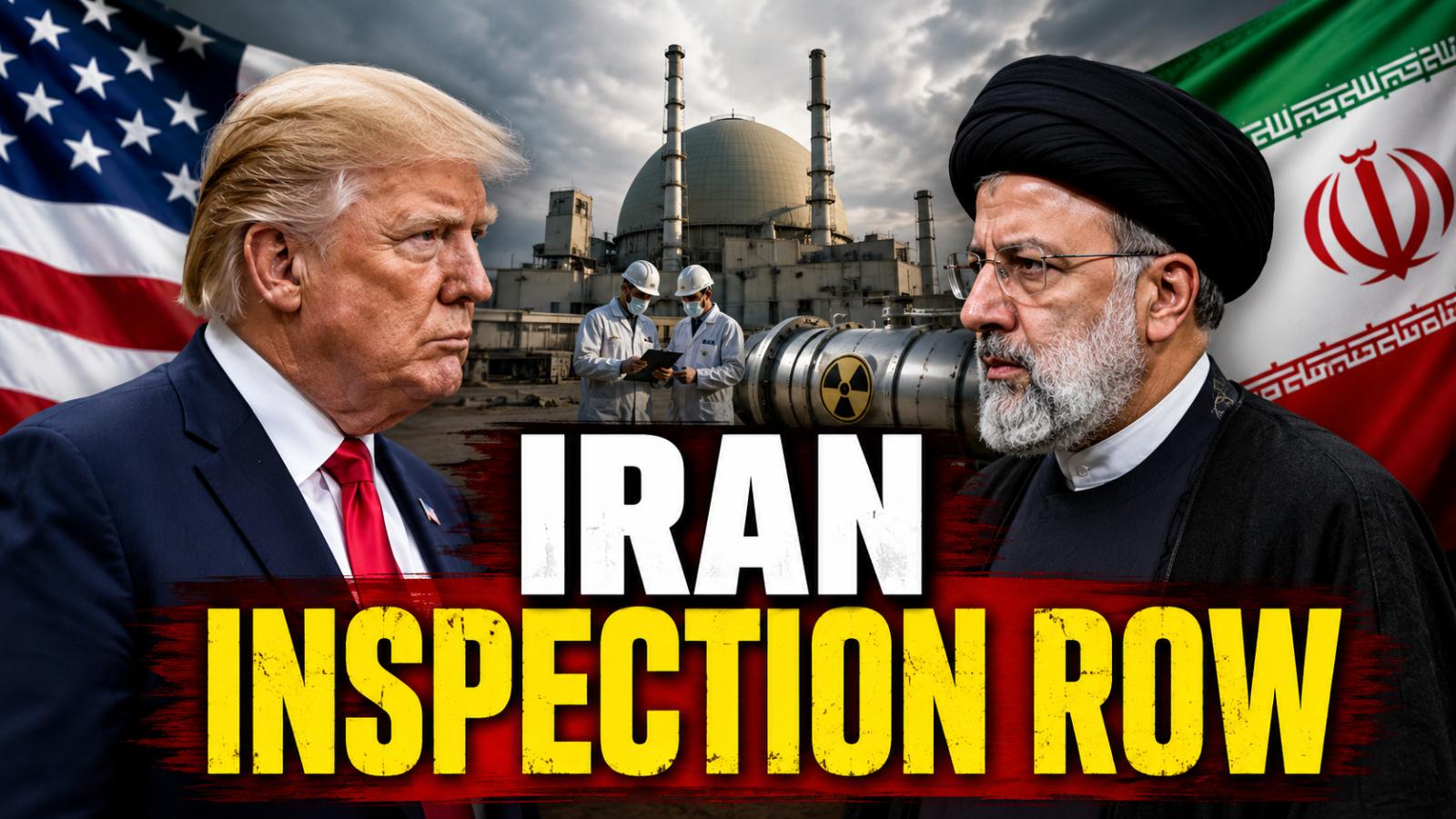
Trump says Iran will allow inspections US President Donald Trump said Monday,June 22,2026 that Iran would agree to extensive weapons inspections as part of efforts to ensure what he called “nuclear honesty” in the years ahead. In a post on Truth Social, Trump said he believed Iran would accept major inspections to support long-term verification. His comments came as Washington described recent US Iran talks in Burgenstock, Switzerland, as
Trump says Iran will accept major weapons inspections
Trump says Iran will allow inspections US President Donald Trump said Monday,June 22,2026 that Iran would agree to extensive weapons inspections as part of efforts to ensure what he called “nuclear honesty” in the years ahead. In a post on Truth Social, Trump said he believed Iran would accept major inspections to support long-term verification. His comments came as Washington described recent US Iran talks in Burgenstock, Switzerland, as
Switzerland hosts US Iran ceasefire talks with mediators
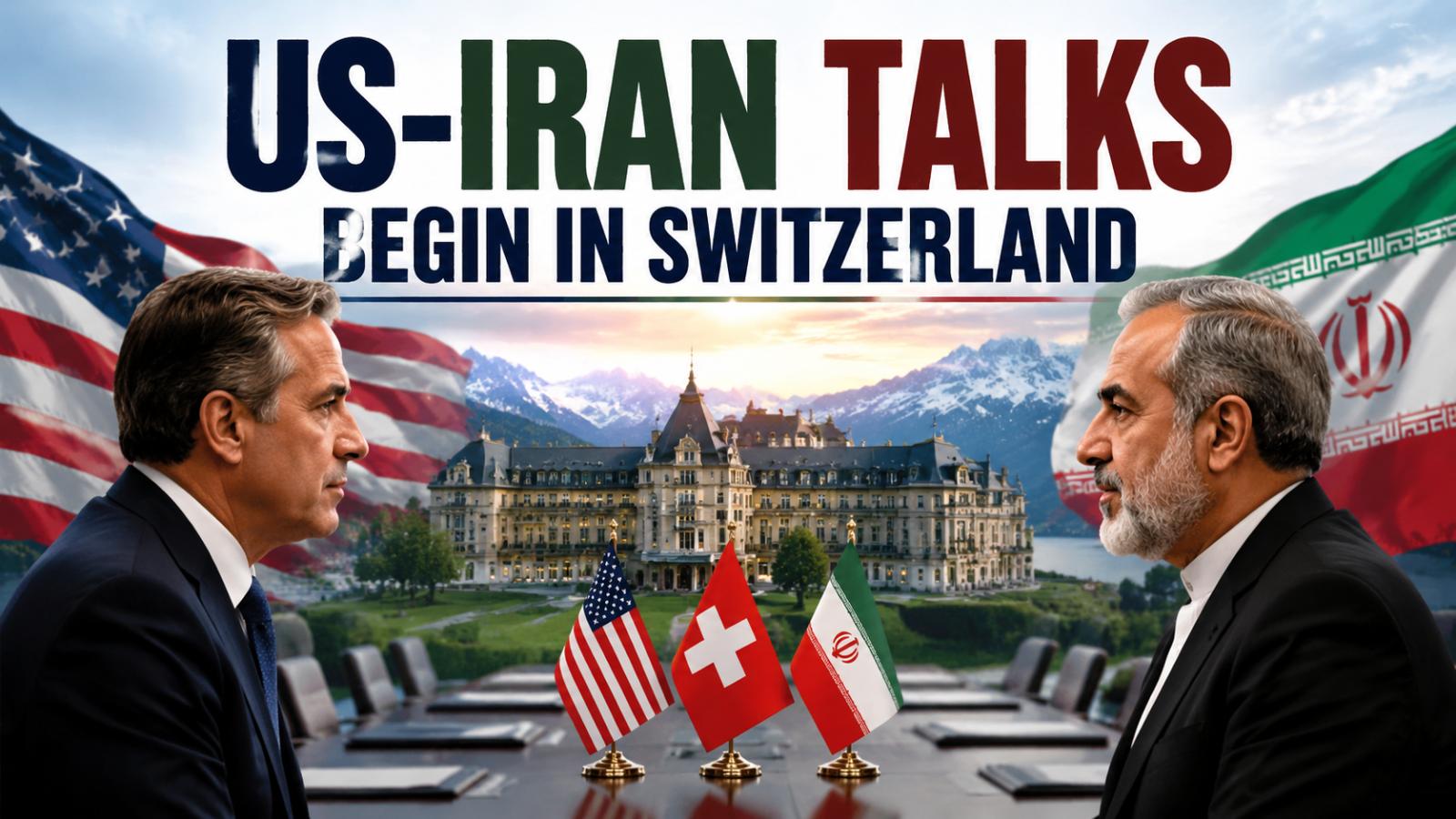
US and Iran have entered early-stage mediated discussions in Switzerland, with the Bürgenstock resort emerging as the selected venue for indirect engagement. The talks are being described by diplomatic sources as exploratory in nature, focusing on reducing regional tensions and testing the feasibility of a broader ceasefire framework. While no final agreement has been confirmed, the engagement signals renewed diplomatic activity after months of escalation concerns in the Middle East. Switzerland positions itself as neutral facilitator Switzerland is hosting the meeting in a neutral capacity, offering logistical support for dialogue between the two sides along with participating mediators. Officials familiar with the arrangement indicate that the format is structured to keep discussions indirect, with Pakistan and Qatar reportedly assisting in communication channels. The goal at this stage is not a binding treaty but a structured conversation on de-escalation pathways. Ceasefire framework and maritime concerns under discussion A key focus of the discussions is believed to be a proposed framework aimed at reducing military tensions and stabilizing critical maritime routes, including the Strait of Hormuz. Trade security and energy transport remain central concerns, given the strategic importance of the passage for global oil movement. However, details remain fluid, and no side has publicly confirmed acceptance of any structured agreement. Diverging interpretations of diplomatic progress Despite reports of engagement, there is no unified position on the status or timing of the talks. Iranian representatives have suggested that discussions remain under internal review following earlier diplomatic exchanges, while US-linked sources describe continued exploratory coordination. This gap in interpretation highlights the fragile and uncertain nature of the process, where messaging remains inconsistent across stakeholders. What the next phase depends on The outcome of these discussions will largely depend on whether both sides can align on verification mechanisms and phased de-escalation steps. Observers note that even incremental progress could reduce regional risk, but breakdowns in coordination could stall momentum quickly. For now, the Switzerland-hosted engagement represents an early diplomatic opening rather than a finalized peace roadmap.
Switzerland hosts US Iran ceasefire talks with mediators
US and Iran have entered early-stage mediated discussions in Switzerland, with the Bürgenstock resort emerging as the selected venue for indirect engagement. The talks are being described by diplomatic sources as exploratory in nature, focusing on reducing regional tensions and testing the feasibility of a broader ceasefire framework. While no final agreement has been confirmed, the engagement signals renewed diplomatic activity after months of escalation concerns in the Middle East. Switzerland positions itself as neutral facilitator Switzerland is hosting the meeting in a neutral capacity, offering logistical support for dialogue between the two sides along with participating mediators. Officials familiar with the arrangement indicate that the format is structured to keep discussions indirect, with Pakistan and Qatar reportedly assisting in communication channels. The goal at this stage is not a binding treaty but a structured conversation on de-escalation pathways. Ceasefire framework and maritime concerns under discussion A key focus of the discussions is believed to be a proposed framework aimed at reducing military tensions and stabilizing critical maritime routes, including the Strait of Hormuz. Trade security and energy transport remain central concerns, given the strategic importance of the passage for global oil movement. However, details remain fluid, and no side has publicly confirmed acceptance of any structured agreement. Diverging interpretations of diplomatic progress Despite reports of engagement, there is no unified position on the status or timing of the talks. Iranian representatives have suggested that discussions remain under internal review following earlier diplomatic exchanges, while US-linked sources describe continued exploratory coordination. This gap in interpretation highlights the fragile and uncertain nature of the process, where messaging remains inconsistent across stakeholders. What the next phase depends on The outcome of these discussions will largely depend on whether both sides can align on verification mechanisms and phased de-escalation steps. Observers note that even incremental progress could reduce regional risk, but breakdowns in coordination could stall momentum quickly. For now, the Switzerland-hosted engagement represents an early diplomatic opening rather than a finalized peace roadmap.


