#businessleaders
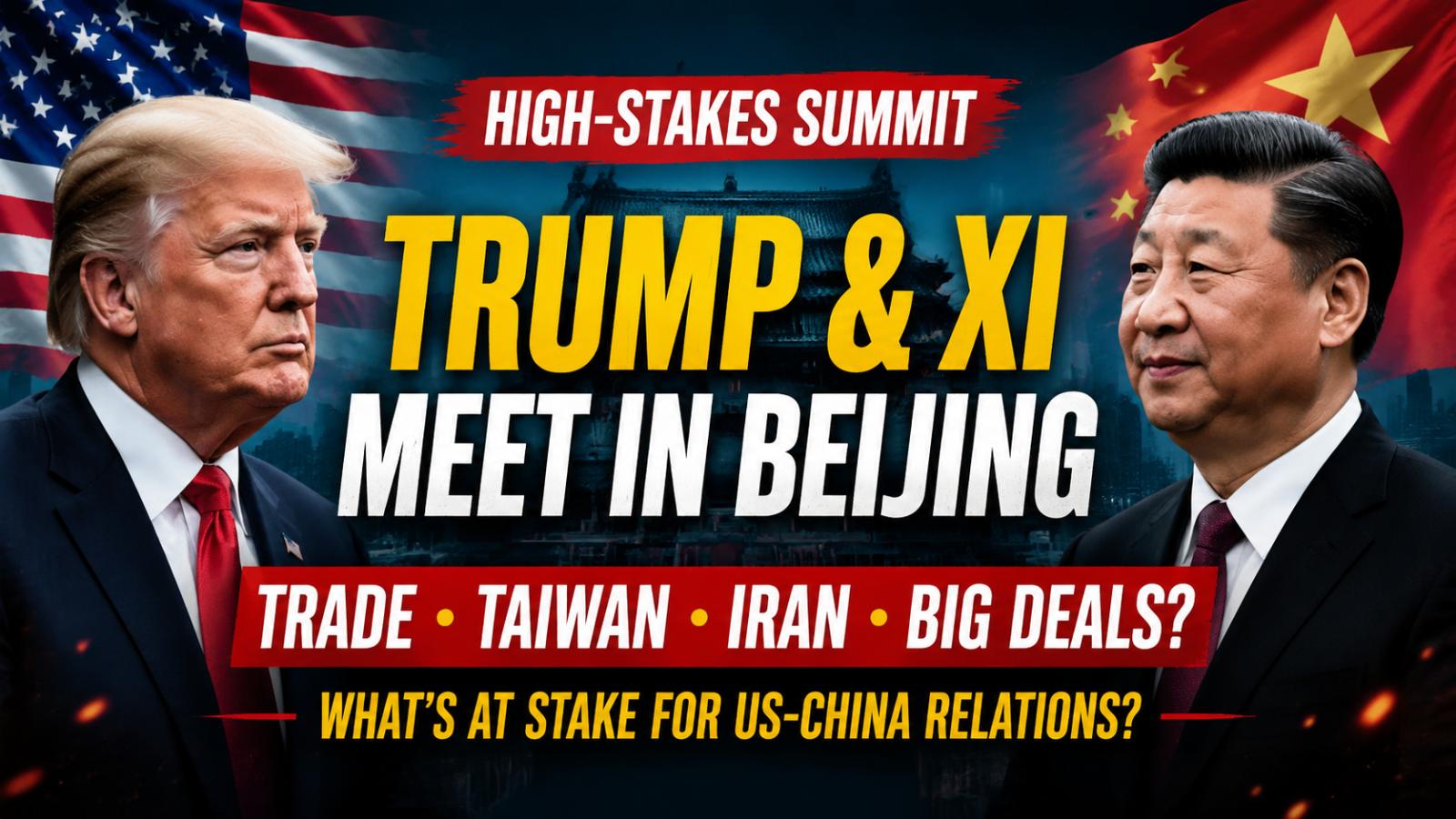
US-China Summit: Trump and Xi Discuss Trade, Taiwan, and Iran
On May 14, US President Donald Trump will meet Chinese President Xi Jinping in Beijing for an important summit that could reshape the US-China relationship. This high-level meeting comes after years of trade disputes, rising tensions over Taiwan, and concerns about Iran’s nuclear ambitions. The two leaders are expected to tackle these critical issues head-on, with major global implications. This marks Trump’s first visit to China since 2017, and the atmosphere surrounding the trip is tense, yet optimistic. Alongside the president, top business leaders, including Nvidia’s Jensen Huang and Tesla’s Elon Musk, will be part of the delegation, emphasizing the US’s desire to push for commercial deals that strengthen trade ties with China. The summit is taking place against the backdrop of escalating tensions, including the ongoing trade war between the two powers, China’s rare earth restrictions, and the fierce competition in artificial intelligence (AI). Trade Tensions: A Fragile Truce One of the central issues on the table is trade. The US and China have been at odds for years, with both countries imposing tariffs on each other's goods. While last year saw a brief period of truce, many unresolved issues remain. President Trump is expected to press China for further trade reforms and better deals for American businesses, especially in the face of high tariffs and economic uncertainty.Both sides are aware that the trade dynamics have far-reaching consequences for the global economy, so finding common ground will be critical. Taiwan: A Stubborn Point of Contention Another major issue will be Taiwan, which has long been a flashpoint between the two nations. China views Taiwan as an inseparable part of its territory, while the US has shown strong support for the island’s autonomy. With tensions rising, especially after China increased military activity near Taiwan, the US's stance on Taiwan remains a key area of friction. Trump’s administration has been vocal about its support for Taiwan, and it remains to be seen how this will affect the overall talks. How the two leaders address this issue will set the tone for future interactions between the two countries, especially considering the delicate balance the US must strike between its relationship with China and its support for Taiwan. Iran: A Strategic Challenge Trump is also expected to address the situation in Iran, seeking China’s cooperation on curbing Iran’s nuclear ambitions. With China’s significant economic ties to Iran, Trump hopes Beijing can use its influence to help rein in Tehran’s nuclear program and reduce instability in the Middle East. China’s role in global diplomacy has been growing, and this summit could serve as a turning point for its involvement in international peace efforts. The Stakes of the Summit Both leaders face high stakes at this summit. Trump’s goal is clear: to secure deals that will benefit American businesses and address concerns about China’s rising influence in global trade and AI. For China, maintaining its geopolitical power while ensuring economic growth is paramount. Despite the challenging topics, both leaders know the importance of maintaining a functional relationship for global stability. As the summit unfolds, eyes will be on whether the two leaders can navigate their differences and strike a deal that addresses the critical issues of trade, Taiwan, and Iran. The outcome will not just shape US-China relations, but could influence global geopolitics for years to come. This meeting is more than just diplomacy; it's a chance to shape the future of international relations, with consequences that reach far beyond the negotiating table.
US-China Summit: Trump and Xi Discuss Trade, Taiwan, and Iran
On May 14, US President Donald Trump will meet Chinese President Xi Jinping in Beijing for an important summit that could reshape the US-China relationship. This high-level meeting comes after years of trade disputes, rising tensions over Taiwan, and concerns about Iran’s nuclear ambitions. The two leaders are expected to tackle these critical issues head-on, with major global implications. This marks Trump’s first visit to China since 2017, and the atmosphere surrounding the trip is tense, yet optimistic. Alongside the president, top business leaders, including Nvidia’s Jensen Huang and Tesla’s Elon Musk, will be part of the delegation, emphasizing the US’s desire to push for commercial deals that strengthen trade ties with China. The summit is taking place against the backdrop of escalating tensions, including the ongoing trade war between the two powers, China’s rare earth restrictions, and the fierce competition in artificial intelligence (AI). Trade Tensions: A Fragile Truce One of the central issues on the table is trade. The US and China have been at odds for years, with both countries imposing tariffs on each other's goods. While last year saw a brief period of truce, many unresolved issues remain. President Trump is expected to press China for further trade reforms and better deals for American businesses, especially in the face of high tariffs and economic uncertainty.Both sides are aware that the trade dynamics have far-reaching consequences for the global economy, so finding common ground will be critical. Taiwan: A Stubborn Point of Contention Another major issue will be Taiwan, which has long been a flashpoint between the two nations. China views Taiwan as an inseparable part of its territory, while the US has shown strong support for the island’s autonomy. With tensions rising, especially after China increased military activity near Taiwan, the US's stance on Taiwan remains a key area of friction. Trump’s administration has been vocal about its support for Taiwan, and it remains to be seen how this will affect the overall talks. How the two leaders address this issue will set the tone for future interactions between the two countries, especially considering the delicate balance the US must strike between its relationship with China and its support for Taiwan. Iran: A Strategic Challenge Trump is also expected to address the situation in Iran, seeking China’s cooperation on curbing Iran’s nuclear ambitions. With China’s significant economic ties to Iran, Trump hopes Beijing can use its influence to help rein in Tehran’s nuclear program and reduce instability in the Middle East. China’s role in global diplomacy has been growing, and this summit could serve as a turning point for its involvement in international peace efforts. The Stakes of the Summit Both leaders face high stakes at this summit. Trump’s goal is clear: to secure deals that will benefit American businesses and address concerns about China’s rising influence in global trade and AI. For China, maintaining its geopolitical power while ensuring economic growth is paramount. Despite the challenging topics, both leaders know the importance of maintaining a functional relationship for global stability. As the summit unfolds, eyes will be on whether the two leaders can navigate their differences and strike a deal that addresses the critical issues of trade, Taiwan, and Iran. The outcome will not just shape US-China relations, but could influence global geopolitics for years to come. This meeting is more than just diplomacy; it's a chance to shape the future of international relations, with consequences that reach far beyond the negotiating table.
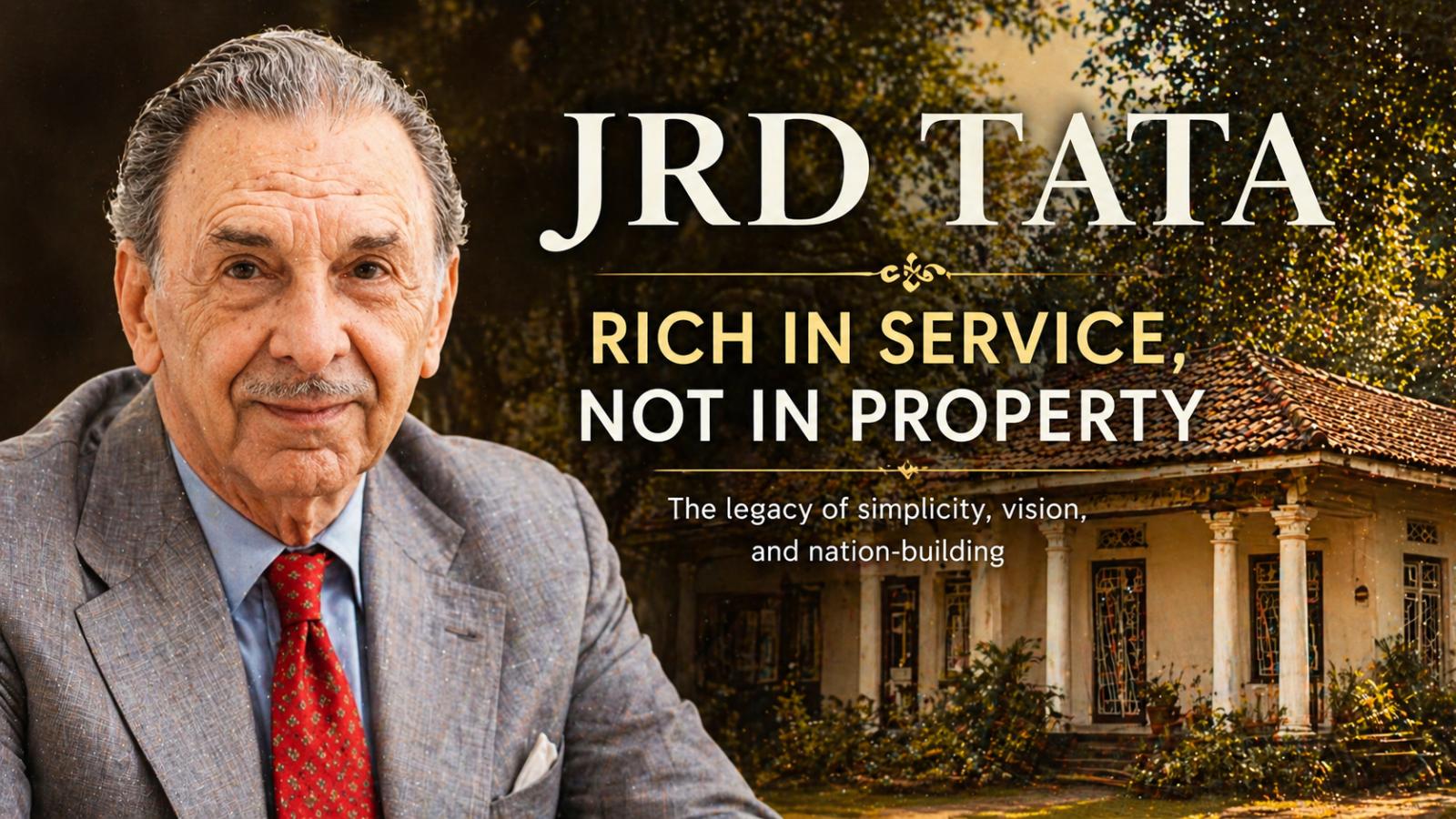
What defines JRD Tata’s legacy? A life of service over ownership
A life of service over ownership JRD Tata’s legacy offers a striking contrast to modern perceptions of wealth and leadership. As one of India’s most influential industrialists, he led the Tata Group for over five decades, yet chose to live in a rented residence rather than accumulate personal assets. His approach reflected a philosophy that prioritized responsibility, ethics, and long-term impact over visible displays of success. Leadership that expanded an industrial empire Under JRD Tata’s leadership, the Tata Group evolved into one of India’s most significant industrial conglomerates, spanning sectors such as steel, aviation, power, and chemicals. His tenure marked a period of sustained growth and modernization, contributing to the country’s economic development. Rather than focusing on personal gain, he emphasized institutional strength, innovation, and employee welfare, setting standards that influenced corporate governance across industries. Simplicity as a leadership principle JRD Tata’s personal lifestyle remained notably modest despite his professional stature. He lived in a rented bungalow in Mumbai for decades, demonstrating that leadership did not require material excess. His daily life reflected discipline and humility, reinforcing the idea that influence comes from actions and values rather than possessions. This approach continues to resonate in discussions about ethical leadership and sustainable success. Impact measured beyond wealth The scale of JRD Tata’s impact is reflected not only in business expansion but also in the opportunities created for thousands of employees and communities. His leadership helped build institutions that continue to operate globally, shaping industries and contributing to economic stability. For many observers, his legacy represents a model where success is defined by contribution rather than ownership. A lasting example for global audiences For audiences in the United States and beyond, JRD Taa’s story provides a broader perspective on leadership in a global context. His life underscores the importance of purpose-driven decision-making and challenges assumptions about the relationship between wealth and success. In an era where corporate influence is closely examined, his example remains relevant as a benchmark for integrity and long-term vision.
What defines JRD Tata’s legacy? A life of service over ownership
A life of service over ownership JRD Tata’s legacy offers a striking contrast to modern perceptions of wealth and leadership. As one of India’s most influential industrialists, he led the Tata Group for over five decades, yet chose to live in a rented residence rather than accumulate personal assets. His approach reflected a philosophy that prioritized responsibility, ethics, and long-term impact over visible displays of success. Leadership that expanded an industrial empire Under JRD Tata’s leadership, the Tata Group evolved into one of India’s most significant industrial conglomerates, spanning sectors such as steel, aviation, power, and chemicals. His tenure marked a period of sustained growth and modernization, contributing to the country’s economic development. Rather than focusing on personal gain, he emphasized institutional strength, innovation, and employee welfare, setting standards that influenced corporate governance across industries. Simplicity as a leadership principle JRD Tata’s personal lifestyle remained notably modest despite his professional stature. He lived in a rented bungalow in Mumbai for decades, demonstrating that leadership did not require material excess. His daily life reflected discipline and humility, reinforcing the idea that influence comes from actions and values rather than possessions. This approach continues to resonate in discussions about ethical leadership and sustainable success. Impact measured beyond wealth The scale of JRD Tata’s impact is reflected not only in business expansion but also in the opportunities created for thousands of employees and communities. His leadership helped build institutions that continue to operate globally, shaping industries and contributing to economic stability. For many observers, his legacy represents a model where success is defined by contribution rather than ownership. A lasting example for global audiences For audiences in the United States and beyond, JRD Taa’s story provides a broader perspective on leadership in a global context. His life underscores the importance of purpose-driven decision-making and challenges assumptions about the relationship between wealth and success. In an era where corporate influence is closely examined, his example remains relevant as a benchmark for integrity and long-term vision.
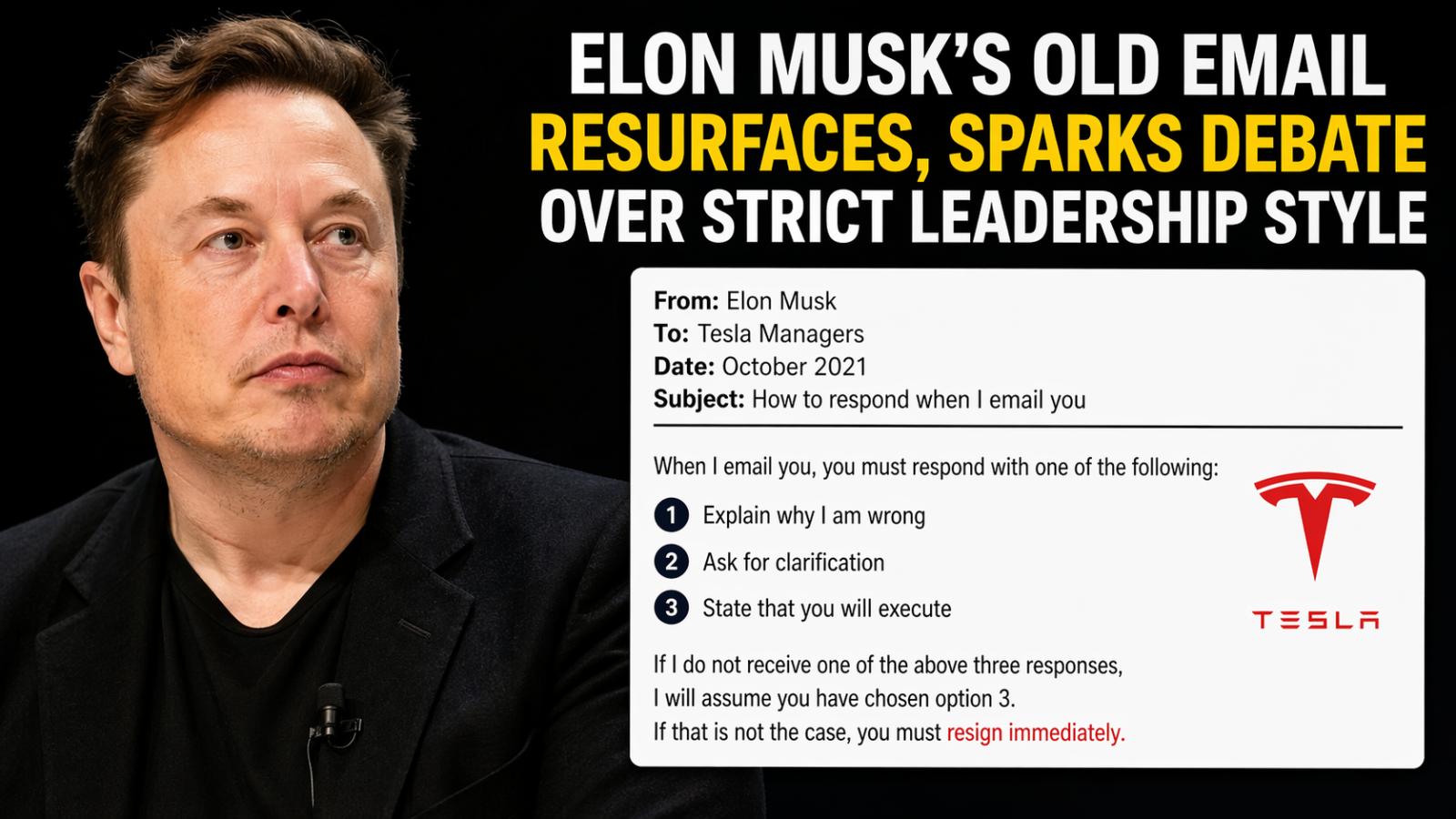
What did Elon Musk tell Tesla managers? Follow three steps or resign, email says
Resurfaced email sparks fresh debate on leadership style An internal email sent by Elon Musk to employees at Tesla in October 2021 has resurfaced on X, reigniting debate about his dire
What did Elon Musk tell Tesla managers? Follow three steps or resign, email says
Resurfaced email sparks fresh debate on leadership style An internal email sent by Elon Musk to employees at Tesla in October 2021 has resurfaced on X, reigniting debate about his dire
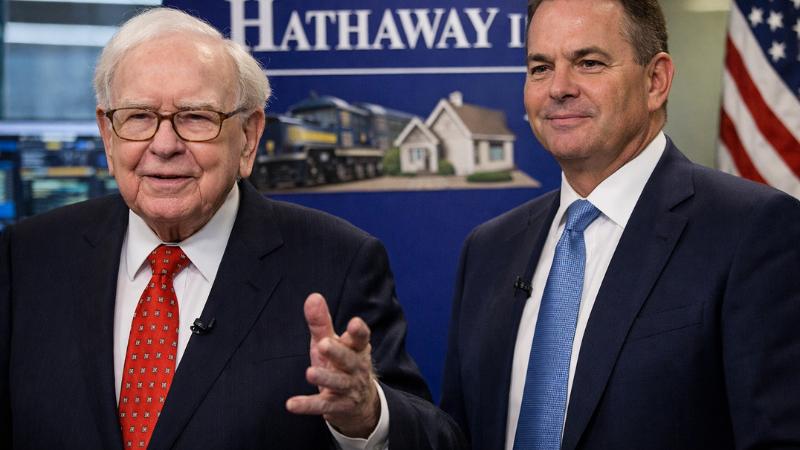
Warren Buffett steps down as Berkshire Hathaway CEO after 60 years
Warren Buffett formally stepped down as chief executive officer of Berkshire Hathaway on the final day of 2025, ending a 60-year tenure that reshaped American corporate history. The transition, long anticipated by investors and company insiders, marks the close of one of the most influential leadership runs in global business. At the age of 95, Buffett will remain chairman of the holding company he transformed from a struggling textile firm into a diversified conglomerate valued at more than
Warren Buffett steps down as Berkshire Hathaway CEO after 60 years
Warren Buffett formally stepped down as chief executive officer of Berkshire Hathaway on the final day of 2025, ending a 60-year tenure that reshaped American corporate history. The transition, long anticipated by investors and company insiders, marks the close of one of the most influential leadership runs in global business. At the age of 95, Buffett will remain chairman of the holding company he transformed from a struggling textile firm into a diversified conglomerate valued at more than