#canadaindiarelations
Canada expands education and workforce partnerships with India through college mission
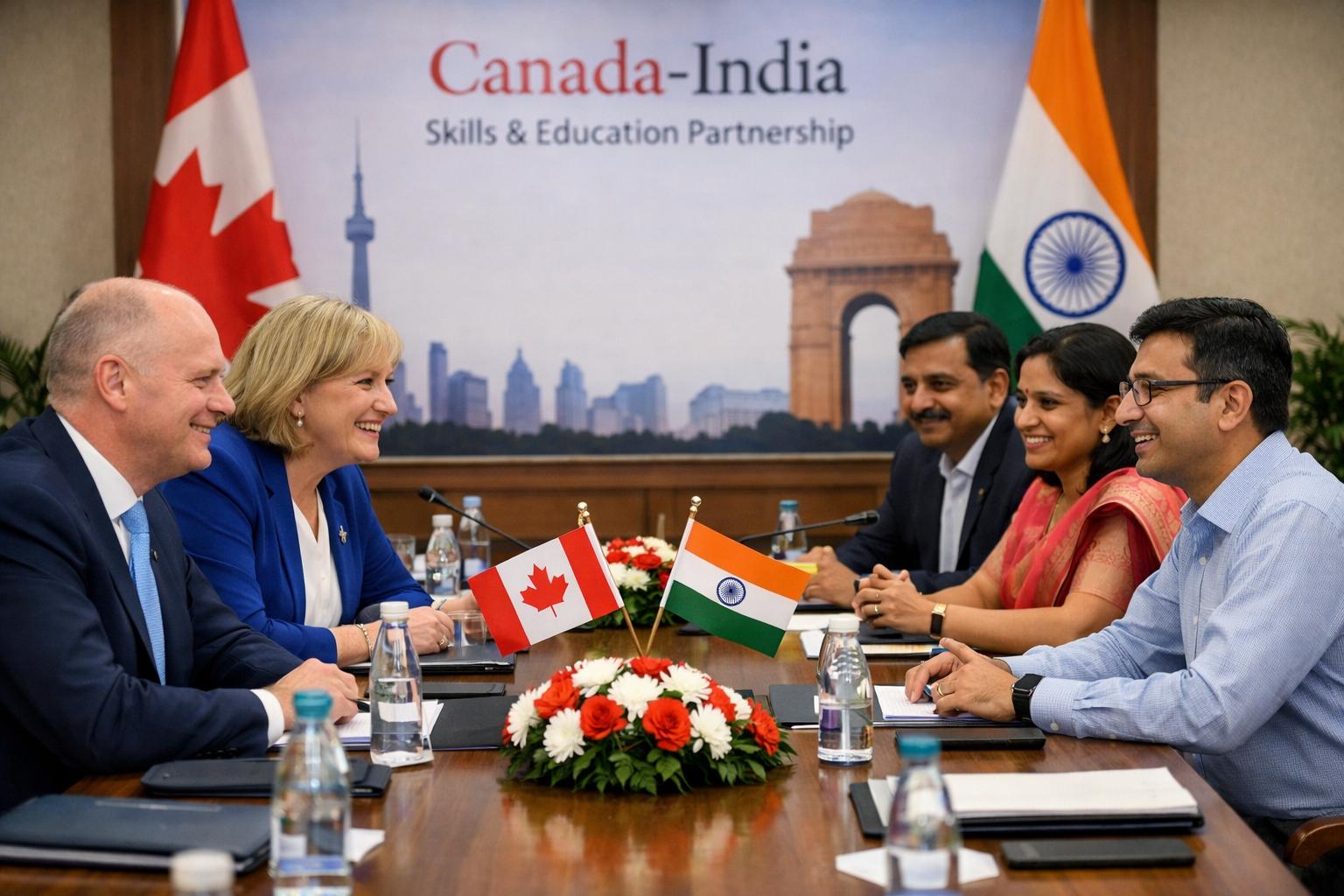
Canadian colleges and polytechnics are intensifying efforts to strengthen skills training and education partnerships with India as both countries seek to deepen collaboration in workforce development and higher education. A delegation of college and polytechnic presidents, organized by Colleges and Institutes Canada (CICan), began a five-day visit to India on March 16, 2026, with scheduled engagements in New Delhi, Bengaluru, and Mumbai. CICan represents 127 public colleges and institutes ac
Canada expands education and workforce partnerships with India through college mission
Canadian colleges and polytechnics are intensifying efforts to strengthen skills training and education partnerships with India as both countries seek to deepen collaboration in workforce development and higher education. A delegation of college and polytechnic presidents, organized by Colleges and Institutes Canada (CICan), began a five-day visit to India on March 16, 2026, with scheduled engagements in New Delhi, Bengaluru, and Mumbai. CICan represents 127 public colleges and institutes ac
Canada says no ongoing India link to violent crimes ahead of Mark Carney visit
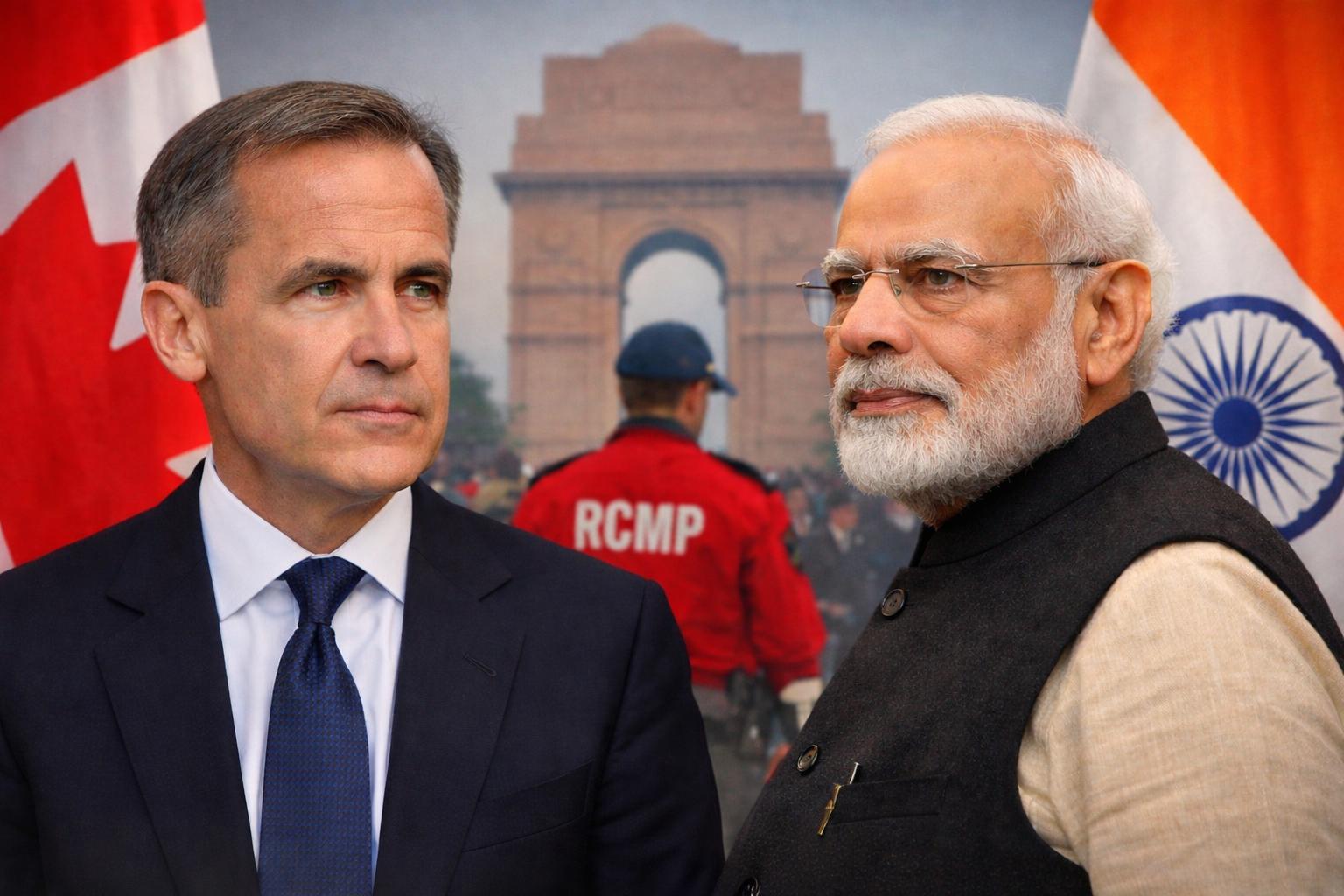
Canada has indicated a significant shift in its position on India, stating that it no longer believes New Delhi is linked to violent crimes or ongoing foreign interference within Canadian territory. The remarks were made during a briefing with journalists ahead of Prime Minister Mark Carney’s scheduled nine-day visit to India, which includes stops in Mumbai and New Delhi and a planned meeting with Prime Minister Narendra Modi. Senior Canadian officials said there is currently no evidence of continued foreign interference or violent activity tied to India. One official noted that diplomatic engagement between the two countries remains robust, including regular communication between national security advisers. The official added that the visit would not be taking place if authorities believed such activities were still ongoing. The statement marks a notable change from Canada’s earlier stance, when concerns about alleged foreign interference had strained bilateral ties. Relations between Ottawa and New Delhi deteriorated sharply following the June 2023 killing of Hardeep Singh Nijjar outside a gurdwara in British Columbia. Months after the incident, then Prime Minister Justin Trudeau stated that there was credible evidence linking agents of the Indian government to the killing. India strongly denied the allegations, calling them unfounded. The dispute escalated into a diplomatic standoff, with both countries expelling senior diplomats. In 2024, the Royal Canadian Mounted Police alleged that individuals linked to the Indian government were associated with violent crimes in Canada, including death threats and possible involvement in homicides. However, the latest comments from Canadian officials suggest that authorities no longer see active or continuing interference connected to India. The evolving position has drawn mixed reactions. Moninder Singh, a religious leader in British Columbia, said that Vancouver police had recently warned him of an imminent threat to his life and that of his family. Meanwhile, members of Sikhs for Justice staged protests on Parliament Hill, criticizing the government’s renewed engagement with India and expressing concern over the Nijjar case. Indian officials have consistently maintained that they are willing to cooperate with Canadian authorities within the framework of the law. India’s High Commissioner to Ottawa, Dinesh Patnaik, has previously emphasized that disagreements should be resolved through dialogue rather than actions that damage the broader relationship. He described recent discussions between the two countries’ national security advisers, including a visit by NSA Ajit Doval to Ottawa, as an important step toward strengthening bilateral security cooperation. Carney’s visit is being viewed as part of Ottawa’s effort to adopt a more pragmatic foreign policy approach and to deepen economic and strategic ties with India. With trade, investment, and security collaboration on the agenda, both sides appear to be seeking a reset after months of diplomatic friction. While the Nijjar case remains before the courts and political sensitivities persist, the latest statements suggest a willingness from both governments to stabilize relations and rebuild trust through sustained engagement.
Canada says no ongoing India link to violent crimes ahead of Mark Carney visit
Canada has indicated a significant shift in its position on India, stating that it no longer believes New Delhi is linked to violent crimes or ongoing foreign interference within Canadian territory. The remarks were made during a briefing with journalists ahead of Prime Minister Mark Carney’s scheduled nine-day visit to India, which includes stops in Mumbai and New Delhi and a planned meeting with Prime Minister Narendra Modi. Senior Canadian officials said there is currently no evidence of continued foreign interference or violent activity tied to India. One official noted that diplomatic engagement between the two countries remains robust, including regular communication between national security advisers. The official added that the visit would not be taking place if authorities believed such activities were still ongoing. The statement marks a notable change from Canada’s earlier stance, when concerns about alleged foreign interference had strained bilateral ties. Relations between Ottawa and New Delhi deteriorated sharply following the June 2023 killing of Hardeep Singh Nijjar outside a gurdwara in British Columbia. Months after the incident, then Prime Minister Justin Trudeau stated that there was credible evidence linking agents of the Indian government to the killing. India strongly denied the allegations, calling them unfounded. The dispute escalated into a diplomatic standoff, with both countries expelling senior diplomats. In 2024, the Royal Canadian Mounted Police alleged that individuals linked to the Indian government were associated with violent crimes in Canada, including death threats and possible involvement in homicides. However, the latest comments from Canadian officials suggest that authorities no longer see active or continuing interference connected to India. The evolving position has drawn mixed reactions. Moninder Singh, a religious leader in British Columbia, said that Vancouver police had recently warned him of an imminent threat to his life and that of his family. Meanwhile, members of Sikhs for Justice staged protests on Parliament Hill, criticizing the government’s renewed engagement with India and expressing concern over the Nijjar case. Indian officials have consistently maintained that they are willing to cooperate with Canadian authorities within the framework of the law. India’s High Commissioner to Ottawa, Dinesh Patnaik, has previously emphasized that disagreements should be resolved through dialogue rather than actions that damage the broader relationship. He described recent discussions between the two countries’ national security advisers, including a visit by NSA Ajit Doval to Ottawa, as an important step toward strengthening bilateral security cooperation. Carney’s visit is being viewed as part of Ottawa’s effort to adopt a more pragmatic foreign policy approach and to deepen economic and strategic ties with India. With trade, investment, and security collaboration on the agenda, both sides appear to be seeking a reset after months of diplomatic friction. While the Nijjar case remains before the courts and political sensitivities persist, the latest statements suggest a willingness from both governments to stabilize relations and rebuild trust through sustained engagement.
Tahawwur Rana case: Canada points to fraud grounds for revoking citizenship
Canada’s immigration authorities have declined to comment on the specific citizenship case of Tahawwur Hussain Rana, a Pakistani-born Canadian citizen accused of involvement in the 2008 Mumbai terror attacks, citing privacy laws and respect for ongoing legal proceedings. However, officials have reiterated that fraud and misrepresentation remain valid grounds for citizenship revocation under Canadian law. In a statement, Immigration, Refugees and Citizenship Canada (IRCC) said it c
Tahawwur Rana case: Canada points to fraud grounds for revoking citizenship
Canada’s immigration authorities have declined to comment on the specific citizenship case of Tahawwur Hussain Rana, a Pakistani-born Canadian citizen accused of involvement in the 2008 Mumbai terror attacks, citing privacy laws and respect for ongoing legal proceedings. However, officials have reiterated that fraud and misrepresentation remain valid grounds for citizenship revocation under Canadian law. In a statement, Immigration, Refugees and Citizenship Canada (IRCC) said it c
Mark Carney to visit India to boost Canada-India ties
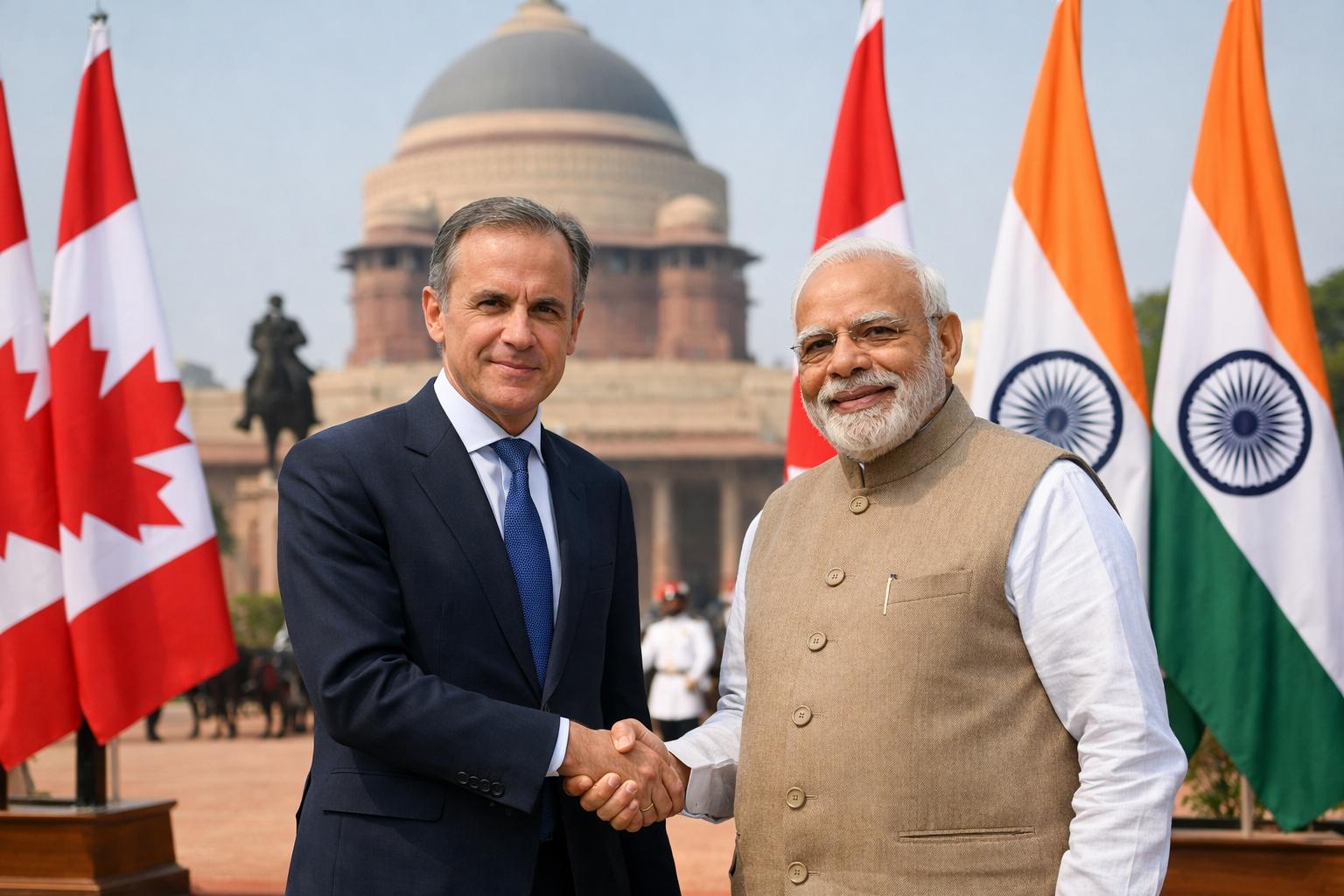
Canadian Prime Minister Mark Carney has announced a high-profile visit to India as part of a broader Indo-Pacific tour, in what officials describe as a significant step toward revitalizing bilateral relations that have faced strain in recent years. The visit, scheduled from February 26 to March 7, 2026, will also include stops in Australia and Japan, reflecting Ottawa’s strategic focus on strengthening partnerships across the Indo-Pacific region. Carney’s itinerary begins in Mum
Mark Carney to visit India to boost Canada-India ties
Canadian Prime Minister Mark Carney has announced a high-profile visit to India as part of a broader Indo-Pacific tour, in what officials describe as a significant step toward revitalizing bilateral relations that have faced strain in recent years. The visit, scheduled from February 26 to March 7, 2026, will also include stops in Australia and Japan, reflecting Ottawa’s strategic focus on strengthening partnerships across the Indo-Pacific region. Carney’s itinerary begins in Mum