









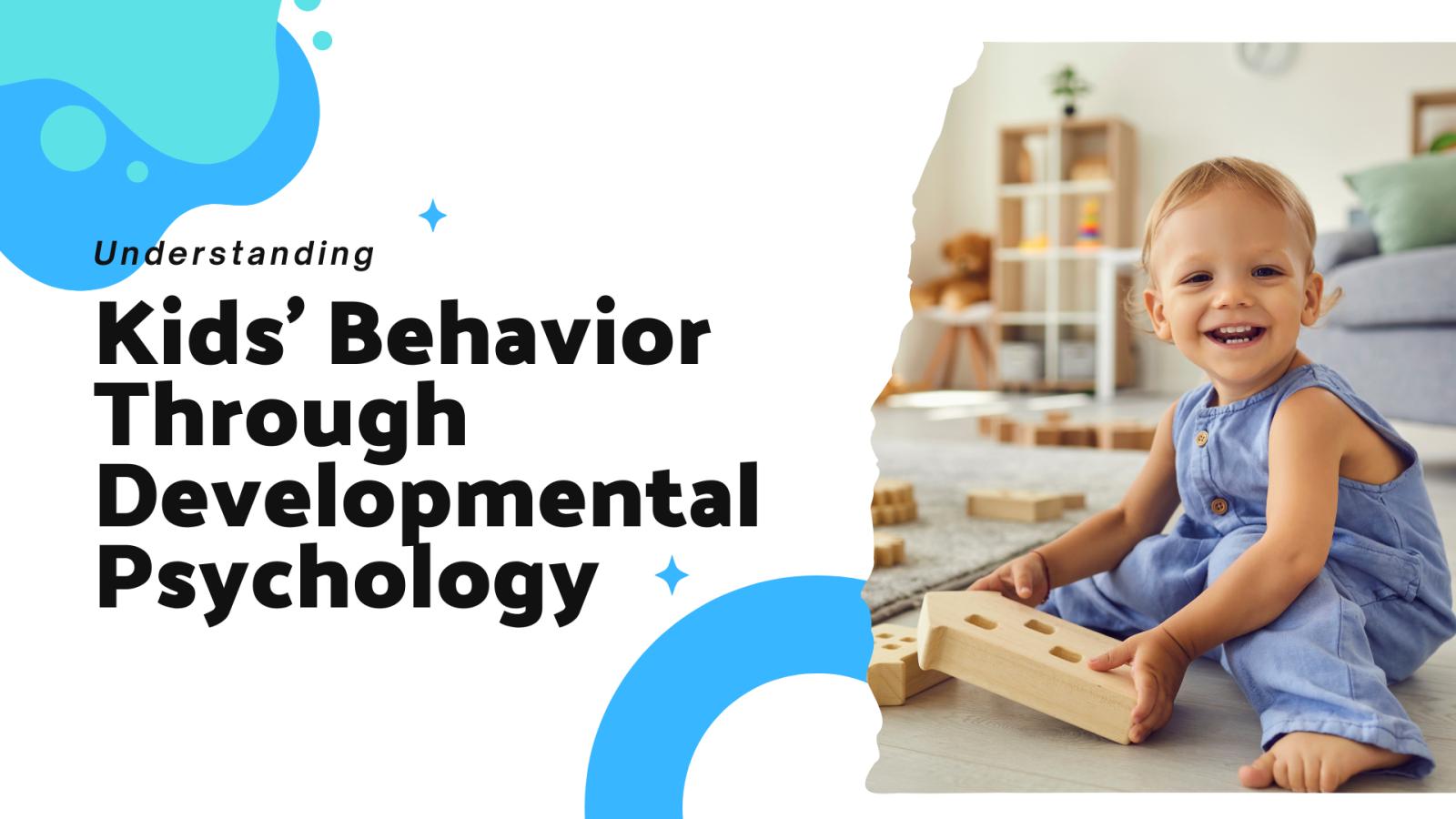
















Children’s behavior can often seem unpredictable, but developmental psychology offers valuable insights into why kids act the way they do. By looking at how children grow emotionally, socially, and cognitively, parents can better understand their actions and guide them with patience. Recognizing that each stage of childhood has unique needs helps caregivers respond more effectively to challenges. In early childhood, much of a child’s
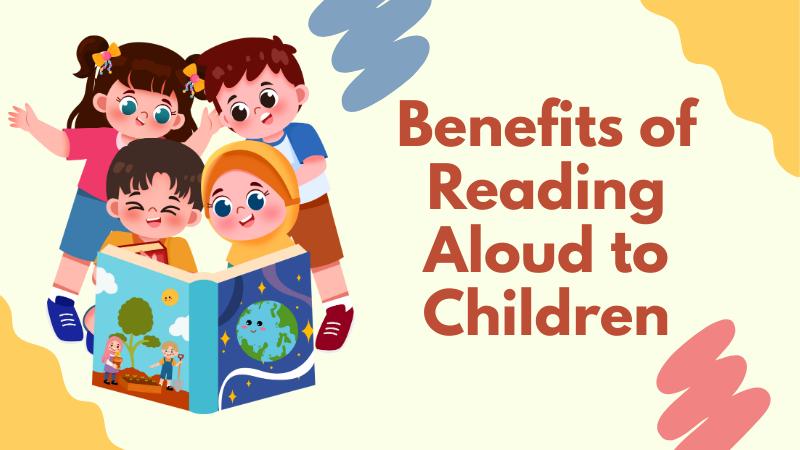
Reading aloud to children is more than just a bedtime routine—it is a powerful tool for emotional, social, and cognitive growth. Long before children can read on their own, listening to stories helps shape how they think, feel, and interact with the world. The act of reading aloud not only strengthens the parent-child bond but also provides lasting psychological benefits that influence a child’s development. One of the most important advantages of reading aloud is emotio
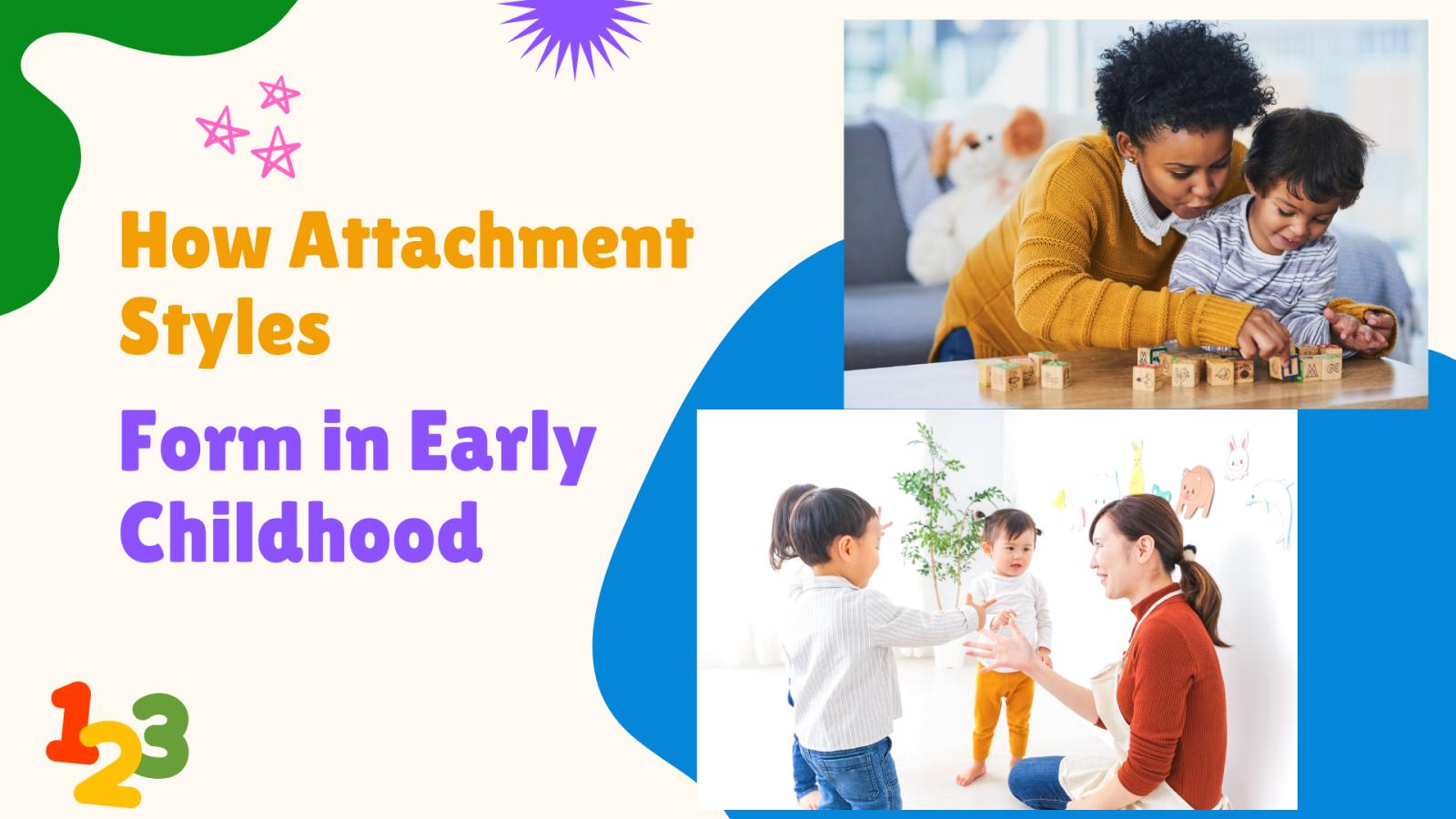
The bonds children form with their caregivers in the first years of life play a powerful role in shaping their emotional health, relationships, and sense of security. Psychologists call this process “attachment,” and it begins long before a child can talk. Understanding how attachment styles develop in early childhood helps parents and caregivers nurture stronger, healthier connections with their kids. What Is Attachment? Attachment is the em
Every parent has faced the challenge of a child’s tantrum—whether it’s in the middle of a grocery store, at bedtime, or when saying no to extra screen time. While tantrums can feel overwhelming, they are a normal part of child development. Understanding the psychology behind tantrums can help parents respond with patience and guide children through these emotional outbursts in a healthy way. Why Do Tantrums Happen?
Parenting has evolved with every generation, but raising Gen Alpha children—the group born from 2010 onward—brings unique opportunities and challenges. As the first generation fully born into the digital era, these kids are growing up in a world shaped by smartphones, artificial intelligence, online learning, and global connectivity. Who Are Gen Alpha Kids? Gen Alpha refers to children born from 2010 onwards. Unlike earlier generations, they
Generation Alpha refers to children born from around 2010 onward, following Generation Z. They are the first generation to be fully born and raised in the 21st century, growing up in a world surrounded by advanced technology, digital learning, and constant connectivity. By 2025, most Gen Alpha kids are in their early school years, and experts predict they will become the most educated and tech-savvy generation in history. What sets them apart is not just their comfort with technology but also
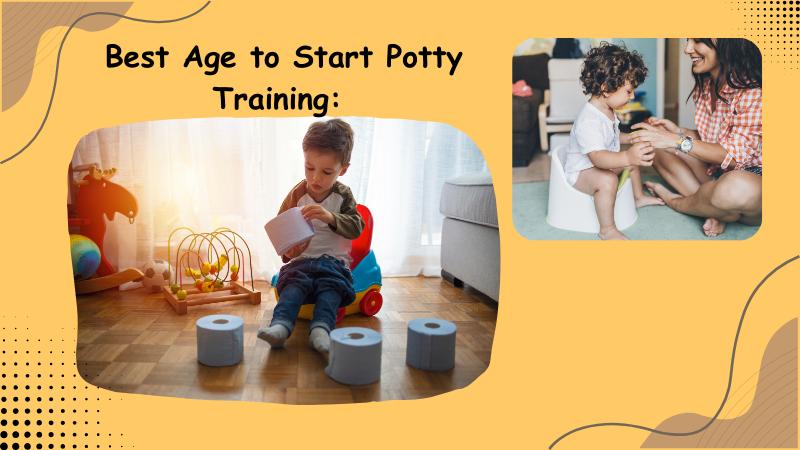
Potty training is a big milestone in every child’s development, and many parents often wonder what the right age is to begin. The truth is, there is no single “perfect” age that fits every child. Instead, the best time to start depends on a child’s readiness, development, and comfort level. Understanding the signs of readiness and having patience makes the process smoother and less stressful for both parents and children. Typical Age Range for Potty
Parenting is one of the most rewarding journeys in life, but it can also be overwhelming if there’s no clear plan. While children don’t come with a manual, having some structure and awareness helps parents avoid common mistakes that can lead to stress, inconsistency, or confusion in the family. Parenting without a plan often means reacting to situations rather than guiding children with intention. By recognizing the traps that many parents fall into, it becomes easier to raise chi
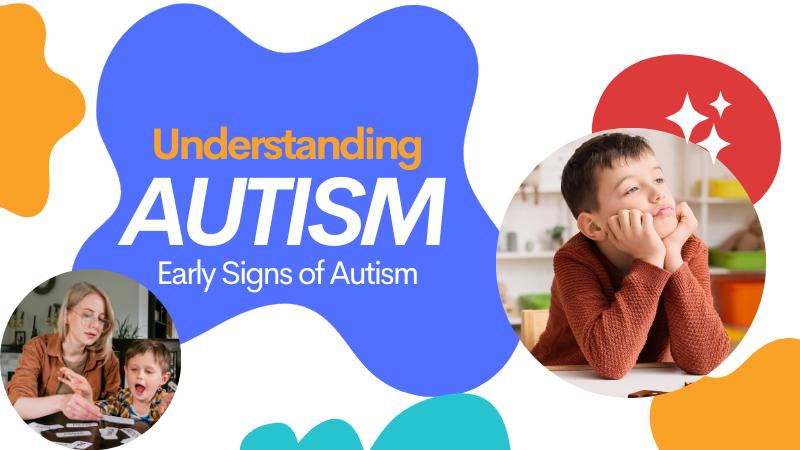
Early detection of autism or ADHD can make a big difference in helping children get the right support. While every child develops at their own pace, there are some signs parents and teachers can watch for. Why Early Detection Matters The earlier a child’s needs are recognized, the sooner therapies and support can begin. Early help improves learning, communication, and social skills. Common Early Signs of Autism in Children Limited eye
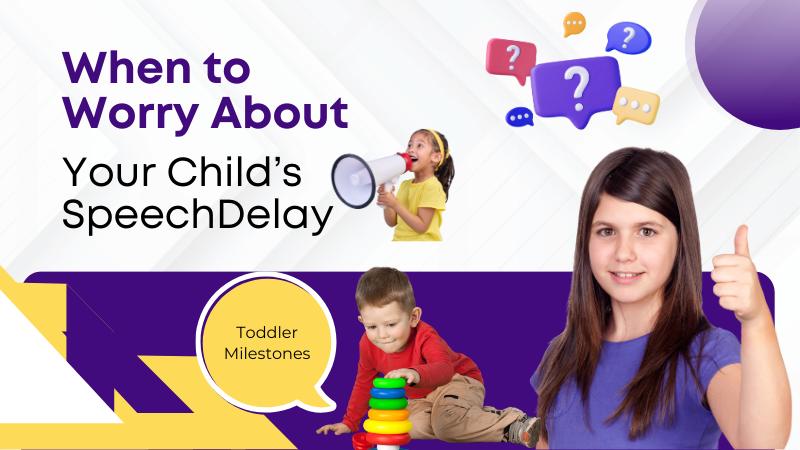
It’s natural for parents to compare their child’s development to others, especially when it comes to talking. While some children start speaking early and build a large vocabulary quickly, others take a more gradual path. But when a child’s speech seems significantly delayed, it can be hard to know what’s normal and what’s cause for concern. Speech and language development can vary widely, especially in the first few years of life. Some children ma
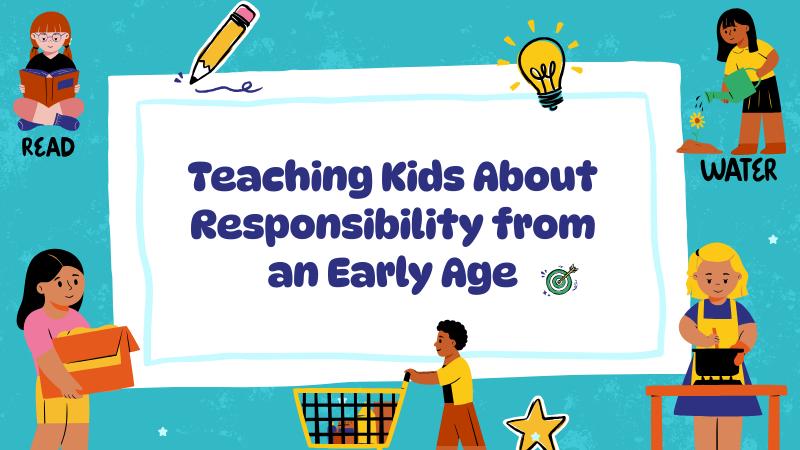
The Importance of Teaching Responsibility Teaching kids responsibility from an early age helps them grow into independent, confident individuals. Responsibility is a life skill that will serve children throughout their lives, from school to their future careers and relationships. Instilling a sense of responsibility in kids helps them understand the importance of being accountable for their actions and contributes to their overall development. By teaching responsibilit
Establishing consistent routines for children is one of the most effective strategies for ensuring their well-being and development. Children thrive in environments where they know what to expect. Routines provide structure, security, and stability, which are essential for emotional growth and behavior management. Consistency helps children understand boundaries and feel more secure, as they can predict what happens next in their day-to-day life. Whether it’s a morning routine, a set be
Here’s a detailed, point-wise breakdown of the key benefits of incorporating probiotics into your child's diet: 1. Improves Digestive Health Probiotics play a crucial role in maintaining a healthy gut microbiome, ensuring proper digestion and nutrient absorption. They: Help balance gut bacteria, reducing the risk of digestive issues. Aid in breaking down food efficiently, improving overall digestion.
A strong foundation in early childhood is key to fostering intellectual growth. Genetics and environmental factors contribute to a child's cognitive development, but there are simple, effective activities and lifestyle changes you can implement to nurture their brains. Here are six tips to help make your child smarter and support their overall development: Try Memory Activities Memory exercises, though they might not directly enhance memory