




















#dearnessallowance
BJP’s Bengal Manifesto: Focus on Welfare, Security, and Reclaiming Cultural Identity
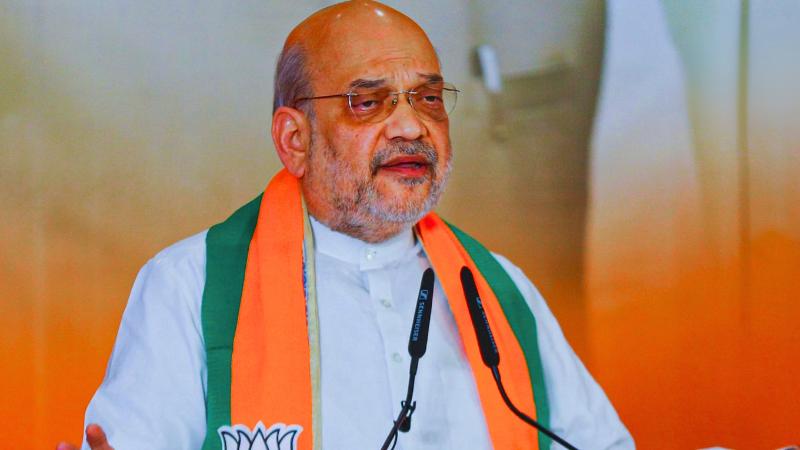
On April 10, 2026, Union Home Minister Amit Shah unveiled the Bharatiya Janata Party's (BJP) election manifesto for West Bengal, outlining 15 key promises aimed at reviving the state's cultural identity, tackling political violence, and offering welfare schemes for various sections of society. Shah, speaking at an event in Kolkata, positioned the manifesto as a "path to bring every section of Bengal out of despair," while highlighting the BJP's commitment to improving the state's governance.
BJP’s Bengal Manifesto: Focus on Welfare, Security, and Reclaiming Cultural Identity
On April 10, 2026, Union Home Minister Amit Shah unveiled the Bharatiya Janata Party's (BJP) election manifesto for West Bengal, outlining 15 key promises aimed at reviving the state's cultural identity, tackling political violence, and offering welfare schemes for various sections of society. Shah, speaking at an event in Kolkata, positioned the manifesto as a "path to bring every section of Bengal out of despair," while highlighting the BJP's commitment to improving the state's governance.
Why the 50% Wage Rule is Impacting Your Take-Home Pay
You might be receiving the same CTC as before, but a closer look at your bank account could reveal that your take-home pay has dropped. This change is likely due to the new 50% wage rule, which has been introduced under India's revised Labour Codes. While the Cost to Company (CTC) remains unchanged, this rule is quietly reshaping how salaries are structured, particularly the proportion allocated to basic pay, dearness allowance, and retaining allowance. Under the new rule, basic pay
Why the 50% Wage Rule is Impacting Your Take-Home Pay
You might be receiving the same CTC as before, but a closer look at your bank account could reveal that your take-home pay has dropped. This change is likely due to the new 50% wage rule, which has been introduced under India's revised Labour Codes. While the Cost to Company (CTC) remains unchanged, this rule is quietly reshaping how salaries are structured, particularly the proportion allocated to basic pay, dearness allowance, and retaining allowance. Under the new rule, basic pay
Union Cabinet Approves 3% DA Hike For Central Government Employees And Pensioners
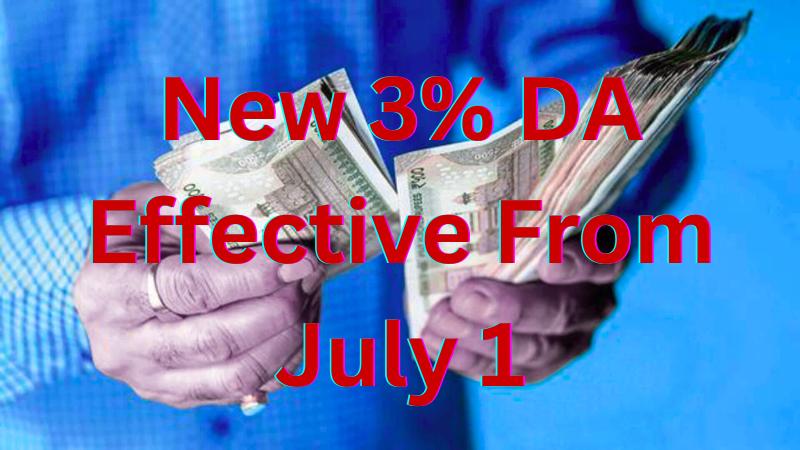
The Union Cabinet has approved a 3% hike in Dearness Allowance (DA) for central government employees and pensioners, with the revised rate taking effect from July 1, 2025. This move, announced after the Cabinet meeting on Wednesday, is expected to benefit nearly one crore individuals, including both serving employees and retired staff. Dearness Allowance is a cost-of-living adjustment paid by the government to offset
Union Cabinet Approves 3% DA Hike For Central Government Employees And Pensioners
The Union Cabinet has approved a 3% hike in Dearness Allowance (DA) for central government employees and pensioners, with the revised rate taking effect from July 1, 2025. This move, announced after the Cabinet meeting on Wednesday, is expected to benefit nearly one crore individuals, including both serving employees and retired staff. Dearness Allowance is a cost-of-living adjustment paid by the government to offset
Will Central Government Employees DA Reach 60% in 2026?
Central government employees and pensioners are eagerly awaiting the official announcement of a 3% hike in Dearness Allowance (DA) and Dearness Relief (DR), which is expected to be implemented from July 2025. While the DA rates are revised twice a year effective from January 1 and July 1 the official announcements usually come months later, typically around the festive season in September or October. Expected
Will Central Government Employees DA Reach 60% in 2026?
Central government employees and pensioners are eagerly awaiting the official announcement of a 3% hike in Dearness Allowance (DA) and Dearness Relief (DR), which is expected to be implemented from July 2025. While the DA rates are revised twice a year effective from January 1 and July 1 the official announcements usually come months later, typically around the festive season in September or October. Expected


