WhatsApp usernames and how the system changes
WhatsApp is introducing usernames that allow users to connect without sharing their phone number directly. This is a major shift for India, where mobile numbers are deeply tied to UPI payments, Aadhaar-linked verification, banking access, and other digital identity systems. The feature does not remove phone numbers from acc
WhatsApp usernames and how the system changes
WhatsApp is introducing usernames that allow users to connect without sharing their phone number directly. This is a major shift for India, where mobile numbers are deeply tied to UPI payments, Aadhaar-linked verification, banking access, and other digital identity systems. The feature does not remove phone numbers from acc
Digi Yatra could change your airport experience
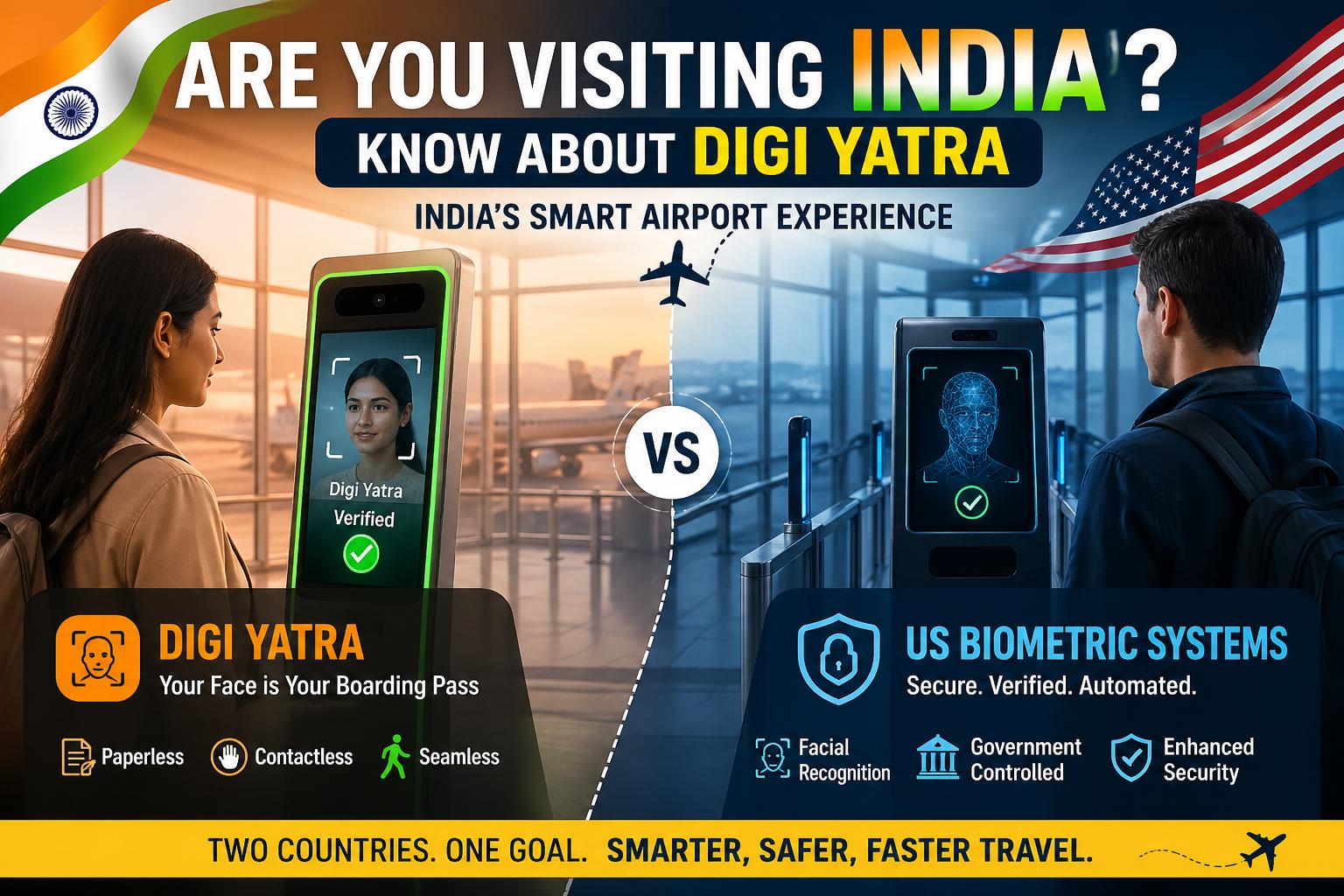
India’s push toward seamless air travel is being led by Digi Yatra, a government-backed initiative that uses facial recognition to streamline passenger movement through airports. Developed under the Ministry of Civil Aviation, the system allows travelers to bypass repeated document checks by using biometric verification instead of physical boarding passes and identification.
How Digi Yatra is transforming airport travel in India
Digi Yatra enables passengers to create a digital identity through the Digi Yatra App by uploading ID credentials and flight details before arriving at the airport. Once enrolled, travelers can pass through entry gates, security checkpoints, and boarding areas using facial scans. The system is currently operational at major hubs such as Kempegowda International Airport and Indira Gandhi International Airport, with plans for wider adoption across the country. The initiative is voluntary and emphasizes speed, convenience, and reduced physical contact in crowded terminals.
Biometric travel systems already in use across US airports
In the United States, similar biometric technologies are already deployed, primarily for international travel. Agencies such as the Transportation Security Administration and U.S. Customs and Border Protection operate facial recognition systems that match a traveler’s live image with passport or visa databases. These systems are commonly used at immigration checkpoints and boarding gates for international flights, and in some cases at security screening through programs like TSA’s touchless identity verification. Unlike Digi Yatra, enrollment is not typically handled through a consumer-facing app, and the process is largely managed through government databases.
Key differences between Digi Yatra and US biometric systems
Feature
Digi Yatra (India)
United States Systems
Control
User-controlled via app
Government-controlled databases
Enrollment
Voluntary, app-based
Mostly automatic or backend
Primary Use
Domestic travel
International travel focus
Documents
Replaced by facial ID
Linked to passport/visa
User Role
Active participation required
Passive participation
Data Handling
User uploads data
Govt retrieves from records
Experience
Fully contactless journey
Partial contactless process
What global travelers should know about evolving airport technology
As airports worldwide adopt digital identity solutions, the contrast between India’s Digi Yatra and US biometric programs highlights broader questions around privacy, convenience, and control. For US-based travelers heading to India, understanding how Digi Yatra works can help streamline the airport experience, while also offering insight into how biometric travel technology may continue to evolve globally.
Digi Yatra could change your airport experience
India’s push toward seamless air travel is being led by Digi Yatra, a government-backed initiative that uses facial recognition to streamline passenger movement through airports. Developed under the Ministry of Civil Aviation, the system allows travelers to bypass repeated document checks by using biometric verification instead of physical boarding passes and identification.
How Digi Yatra is transforming airport travel in India
Digi Yatra enables passengers to create a digital identity through the Digi Yatra App by uploading ID credentials and flight details before arriving at the airport. Once enrolled, travelers can pass through entry gates, security checkpoints, and boarding areas using facial scans. The system is currently operational at major hubs such as Kempegowda International Airport and Indira Gandhi International Airport, with plans for wider adoption across the country. The initiative is voluntary and emphasizes speed, convenience, and reduced physical contact in crowded terminals.
Biometric travel systems already in use across US airports
In the United States, similar biometric technologies are already deployed, primarily for international travel. Agencies such as the Transportation Security Administration and U.S. Customs and Border Protection operate facial recognition systems that match a traveler’s live image with passport or visa databases. These systems are commonly used at immigration checkpoints and boarding gates for international flights, and in some cases at security screening through programs like TSA’s touchless identity verification. Unlike Digi Yatra, enrollment is not typically handled through a consumer-facing app, and the process is largely managed through government databases.
Key differences between Digi Yatra and US biometric systems
Feature
Digi Yatra (India)
United States Systems
Control
User-controlled via app
Government-controlled databases
Enrollment
Voluntary, app-based
Mostly automatic or backend
Primary Use
Domestic travel
International travel focus
Documents
Replaced by facial ID
Linked to passport/visa
User Role
Active participation required
Passive participation
Data Handling
User uploads data
Govt retrieves from records
Experience
Fully contactless journey
Partial contactless process
What global travelers should know about evolving airport technology
As airports worldwide adopt digital identity solutions, the contrast between India’s Digi Yatra and US biometric programs highlights broader questions around privacy, convenience, and control. For US-based travelers heading to India, understanding how Digi Yatra works can help streamline the airport experience, while also offering insight into how biometric travel technology may continue to evolve globally.
Gmail users could soon see one of the most requested features finally becoming a reality. Google appears to be preparing a major update that may allow users to change their “@gmail.com” email address, something that has traditionally been permanent since the day an account was created. While Google has long allowed users with non-Gmail login emails to update their address, those using a Gmail ID have largely been locked in, until now. Interestingly, early signs suggest that India could be
Gmail users could soon see one of the most requested features finally becoming a reality. Google appears to be preparing a major update that may allow users to change their “@gmail.com” email address, something that has traditionally been permanent since the day an account was created. While Google has long allowed users with non-Gmail login emails to update their address, those using a Gmail ID have largely been locked in, until now. Interestingly, early signs suggest that India could be