#earthquakeupdate
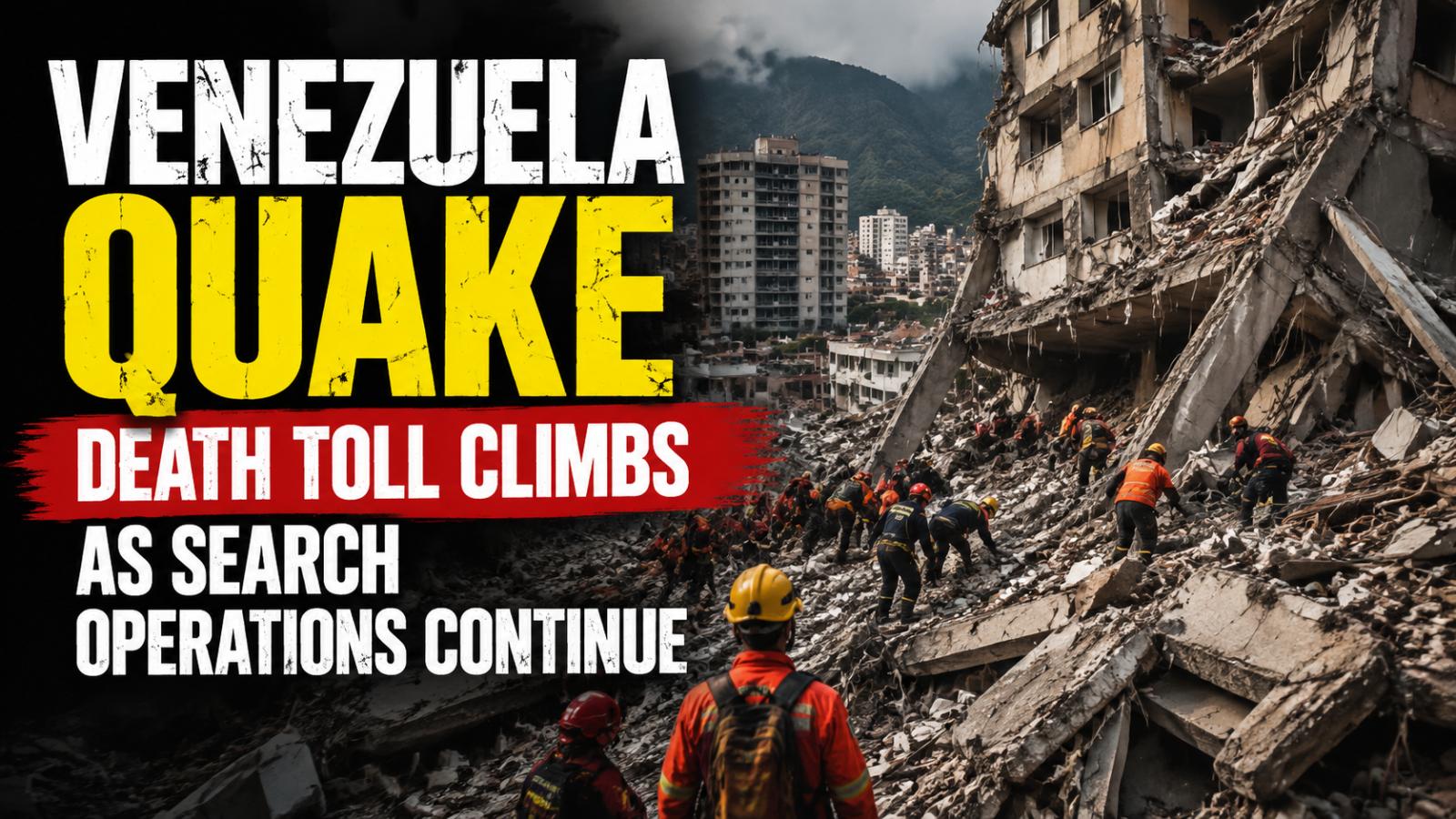
Venezuela quake death toll climbs as search operations continue
Two strong earthquakes struck Venezuela in quick succession on June 24, triggering large-scale destruction across multiple regions. The back-to-back tremors caused buildings to collapse, roads to fracture, and essential services to fail in several urban zones. The disaster has left authorities struggling to stabilise affected areas as the death toll continues to rise. Cities struggle with severe structural damage Major urban centres, including parts of Caracas and La Guaira, have been heavily impacted. Entire residential blocks were reduced to rubble, trapping residents and blocking access routes for emergency teams. The destruction has slowed rescue movement, with heavy debris and unstable structures making operations dangerous and time-consuming. Rescue teams race against time in difficult conditions Search and rescue crews are continuing operations in severely damaged districts, often working with limited equipment and unstable conditions. Hospitals in nearby regions are under pressure as injured survivors arrive continuously. Temporary shelters have been set up, but shortages of clean water, electricity, and medical supplies are complicating relief efforts. Government coordination under pressure Authorities led by interim leadership have confirmed a rising death toll, now reported at 2,595, while acknowledging that many individuals remain unaccounted for. Officials have denied claims of improper handling of victims and stated that identification procedures are being followed. Emergency coordination efforts are ongoing across multiple agencies. Uncertainty grows as recovery continues The full scale of the disaster is still unfolding. Rescue teams warn that numbers may change as deeper layers of collapsed structures are cleared. With communication lines disrupted and many zones still inaccessible, officials say the priority remains locating survivors and preventing further loss of life. Long recovery ahead for affected regions Beyond immediate rescue work, Venezuela now faces a long rebuilding process. Restoring housing, infrastructure, and basic services will take significant time, while displaced families continue to rely on temporary shelters and aid support. The focus remains on survival, recovery, and restoring stability in affected regions.
Venezuela quake death toll climbs as search operations continue
Two strong earthquakes struck Venezuela in quick succession on June 24, triggering large-scale destruction across multiple regions. The back-to-back tremors caused buildings to collapse, roads to fracture, and essential services to fail in several urban zones. The disaster has left authorities struggling to stabilise affected areas as the death toll continues to rise. Cities struggle with severe structural damage Major urban centres, including parts of Caracas and La Guaira, have been heavily impacted. Entire residential blocks were reduced to rubble, trapping residents and blocking access routes for emergency teams. The destruction has slowed rescue movement, with heavy debris and unstable structures making operations dangerous and time-consuming. Rescue teams race against time in difficult conditions Search and rescue crews are continuing operations in severely damaged districts, often working with limited equipment and unstable conditions. Hospitals in nearby regions are under pressure as injured survivors arrive continuously. Temporary shelters have been set up, but shortages of clean water, electricity, and medical supplies are complicating relief efforts. Government coordination under pressure Authorities led by interim leadership have confirmed a rising death toll, now reported at 2,595, while acknowledging that many individuals remain unaccounted for. Officials have denied claims of improper handling of victims and stated that identification procedures are being followed. Emergency coordination efforts are ongoing across multiple agencies. Uncertainty grows as recovery continues The full scale of the disaster is still unfolding. Rescue teams warn that numbers may change as deeper layers of collapsed structures are cleared. With communication lines disrupted and many zones still inaccessible, officials say the priority remains locating survivors and preventing further loss of life. Long recovery ahead for affected regions Beyond immediate rescue work, Venezuela now faces a long rebuilding process. Restoring housing, infrastructure, and basic services will take significant time, while displaced families continue to rely on temporary shelters and aid support. The focus remains on survival, recovery, and restoring stability in affected regions.
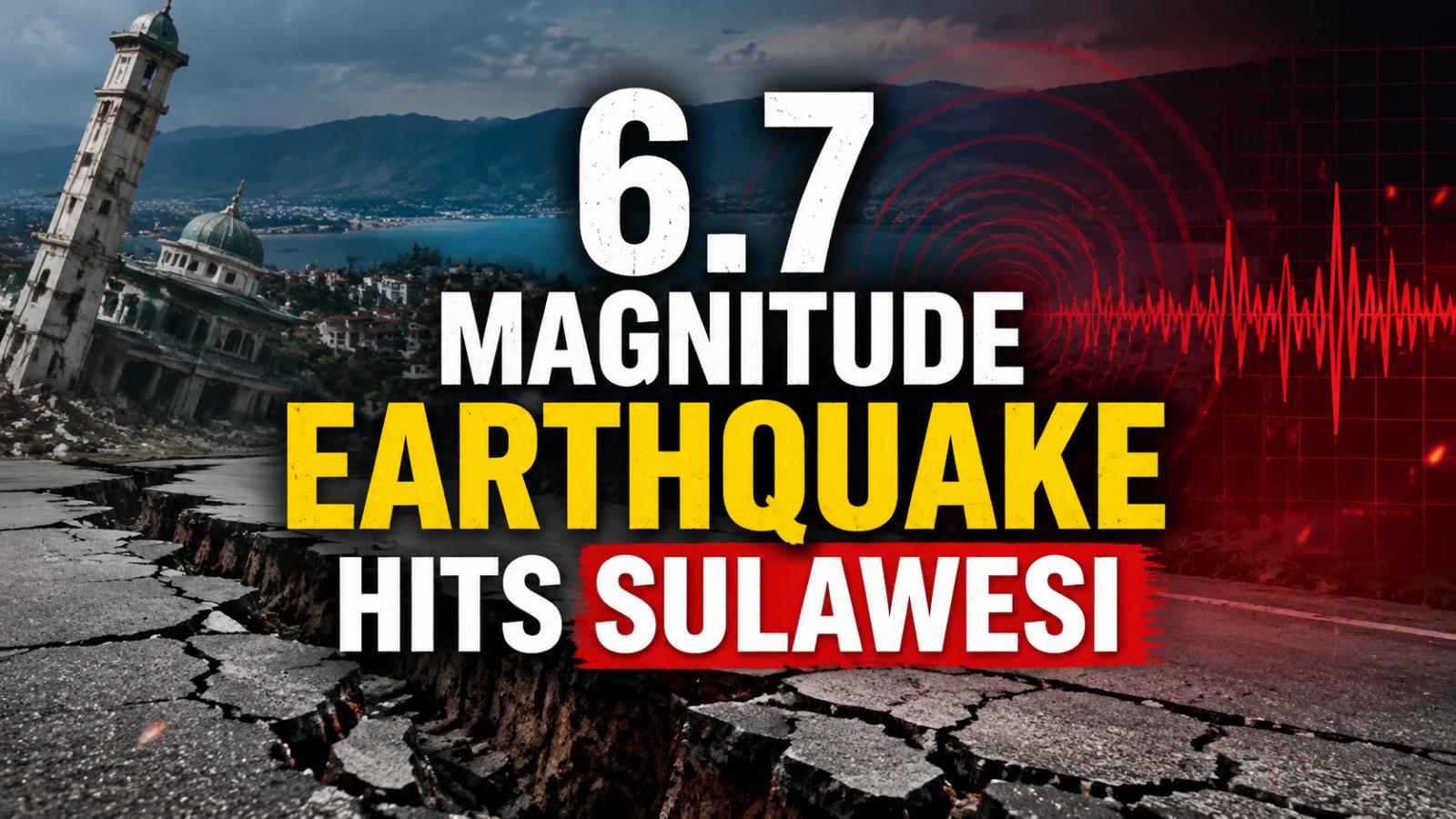
6.7 magnitude quake shakes Sulawesi, Indonesia today
A magnitude 6.7 earthquake struck central Indonesia on Tuesday morning, with strong shaking felt across parts of Sulawesi. The quake originated near the eastern-southeastern zone of Palu at a shallow depth, accor
6.7 magnitude quake shakes Sulawesi, Indonesia today
A magnitude 6.7 earthquake struck central Indonesia on Tuesday morning, with strong shaking felt across parts of Sulawesi. The quake originated near the eastern-southeastern zone of Palu at a shallow depth, accor
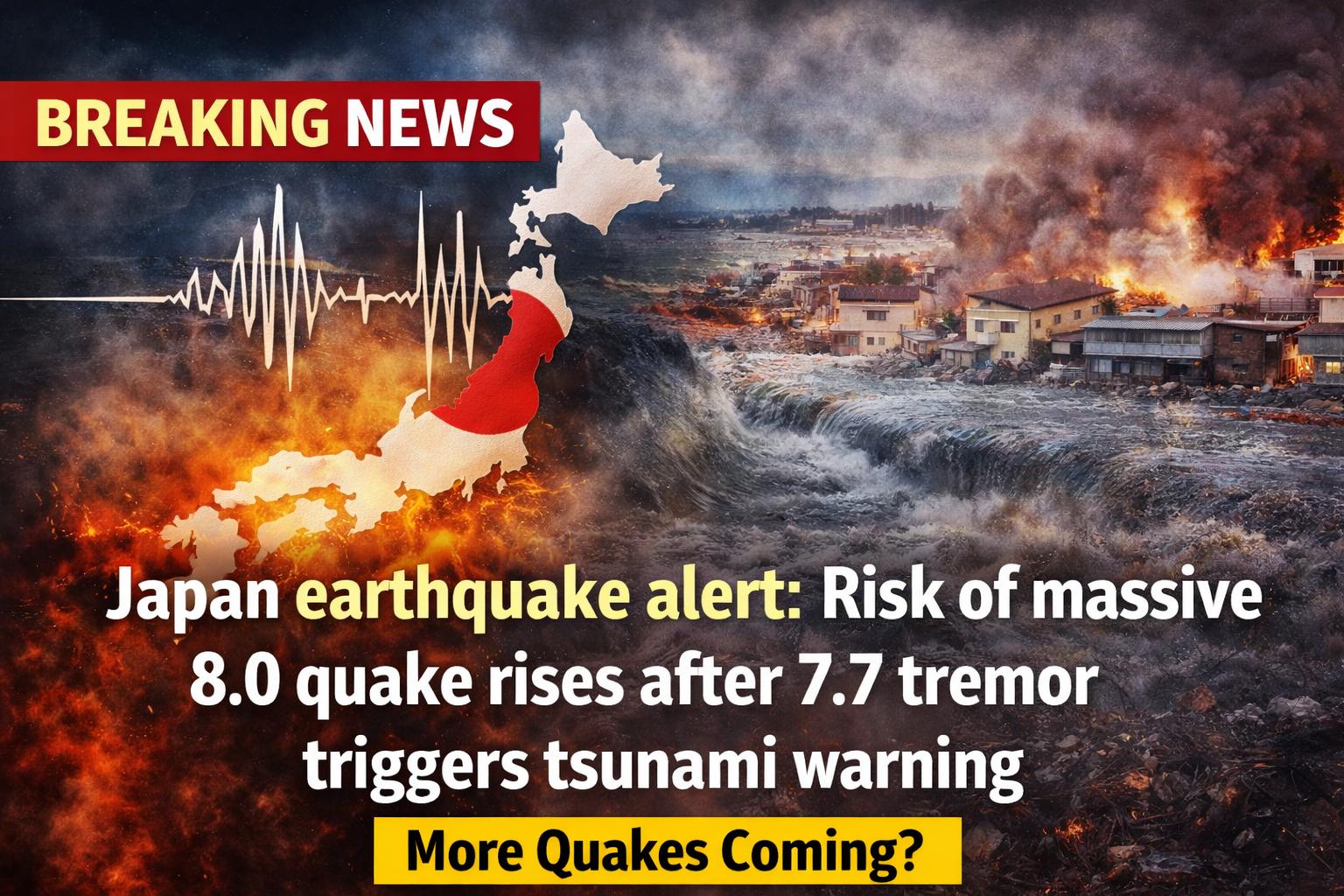
Japan earthquake alert: Risk of massive 8.0 quake rises after 7.7 tremor triggers tsunami warning
A powerful Japan earthquake measuring 7.7 magnitude has triggered fresh fears of a much larger seismic event, with authorities warning that the risk of a stronger quake—possibly above magnitude 8.0—has significantly increased. The tremor struck off the north-east coast near Iwate Prefecture, prompting tsunami alerts and mass evacuations along coastal regions. The warning has heightened anxiety across the country, especially given Japan’s history of devastating earthquak
Japan earthquake alert: Risk of massive 8.0 quake rises after 7.7 tremor triggers tsunami warning
A powerful Japan earthquake measuring 7.7 magnitude has triggered fresh fears of a much larger seismic event, with authorities warning that the risk of a stronger quake—possibly above magnitude 8.0—has significantly increased. The tremor struck off the north-east coast near Iwate Prefecture, prompting tsunami alerts and mass evacuations along coastal regions. The warning has heightened anxiety across the country, especially given Japan’s history of devastating earthquak
Strong Earthquake Hits Drake Passage Region No Tsunami Warning Issued
A powerful earthquake struck the Drake Passage, a narrow but significant waterbody located between the southern tip of South America and the icy expanse of Antarctica, on Friday morning. The tremor was initially thought to be a massive event with early reports suggesting it had reached an intensity of magnitude 8. However, subsequent analysis downgraded the quake to a slightly lower but still very strong magnitude 7.5, making it one of the most notable seismic
Strong Earthquake Hits Drake Passage Region No Tsunami Warning Issued
A powerful earthquake struck the Drake Passage, a narrow but significant waterbody located between the southern tip of South America and the icy expanse of Antarctica, on Friday morning. The tremor was initially thought to be a massive event with early reports suggesting it had reached an intensity of magnitude 8. However, subsequent analysis downgraded the quake to a slightly lower but still very strong magnitude 7.5, making it one of the most notable seismic