









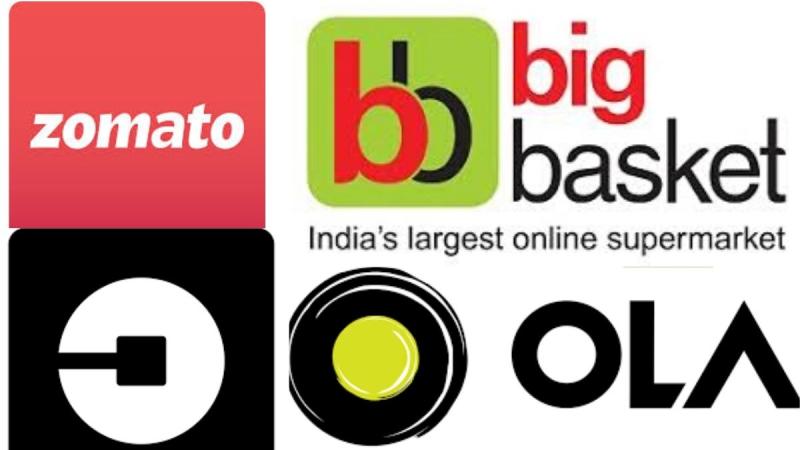











The 2024 Fairwork India Ratings have revealed a concerning trend for major ride-hailing platforms Uber and Ola, as well as logistics startup Porter, which continue to lag at the bottom of the index designed to assess the fairness with which companies treat their gig workers. In stark contrast, Tata-owned BigBasket, Zomato, Swiggy, and Urban Company topped the ratings, mirroring last year's results. This year's study evaluated 11 platforms, including Amazon Flex, BluSmart, Fl
In a positive sign for the Indian economy, the Goods and Services Tax (GST) collections for September 2023 increased by 6.5% year-on-year, totaling ₹1.73 lakh crore. This marks a rise from ₹1.63 lakh crore collected in September of the previous year. The net GST collection after refunds stood at ₹1.53 lakh crore, showing a growth of 4% compared to ₹1.47 lakh crore in September 2022. So far this fiscal year, the government has recorded a gross GST revenue of ₹10.87 lakh cro
On Thursday, Pakistan's government announced that it would need to endure "transitional pain" following the International Monetary Fund's (IMF) approval of a new $7 billion relief package aimed at stabilizing its faltering economy. While the nation's economy has shown signs of stabilization since narrowly avoiding default last summer, it remains heavily reliant on IMF bailouts and support from friendly countries to manage its substantial debt, which consumes nearly half