



















#emergingmarkets
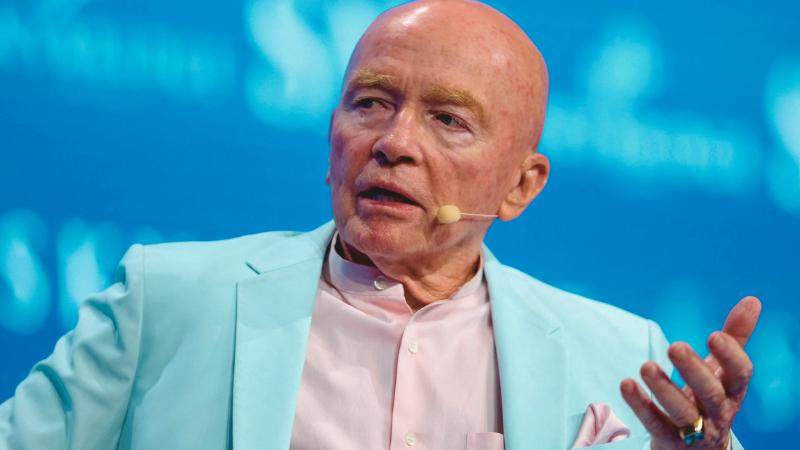
Mark Mobius, Pioneer of Emerging Markets Investing, Dies at 89
Mark Mobius, a pioneer in global investing and a key figure in emerging markets, passed away on April 16, 2026, at the age of 89. Widely regarded for transforming investment strategies in developing economies, Mobius played a crucial role in directing billions of dollars into markets across Asia, Africa, Latin America, and Eastern Europe. Over a caree
Mark Mobius, Pioneer of Emerging Markets Investing, Dies at 89
Mark Mobius, a pioneer in global investing and a key figure in emerging markets, passed away on April 16, 2026, at the age of 89. Widely regarded for transforming investment strategies in developing economies, Mobius played a crucial role in directing billions of dollars into markets across Asia, Africa, Latin America, and Eastern Europe. Over a caree
India growth forecast raised to 6.6% as South Asia faces economic uncertainty
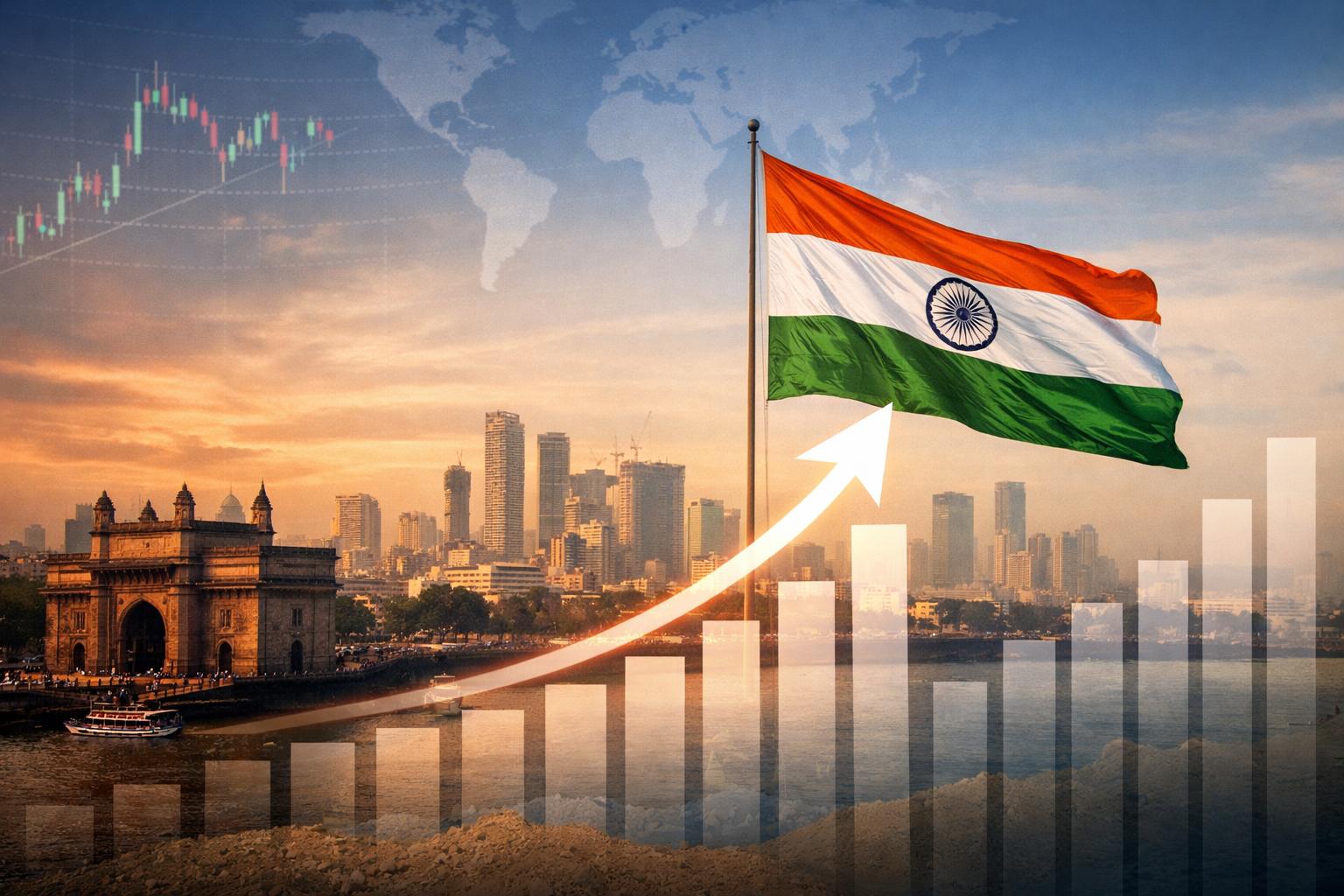
India is expected to remain the central driver of economic growth in South Asia, even as global uncertainties continue to pressure the broader region, according to the latest outlook from the World Bank. The institution has revised India’s growth forecast for the 2026–27 fiscal year upward to 6.6 percent, an increase from its earlier estimate of 6.3 percent, underscoring confidence in the country’s economic resilience. The updated projection comes amid a challenging global environment shaped by geopolitical tensions, shifting trade dynamics, and volatility in energy markets. These factors have weighed on growth expectations across South Asia, where several economies are projected to experience slower expansion in the coming years. Despite these headwinds, India’s performance continues to stand out, supported by strong domestic demand, policy stability, and ongoing structural reforms. For U.S.-based observers and global investors, India’s upgraded outlook signals a relatively stable growth engine within emerging markets in Asia. As economic uncertainty persists worldwide, India’s trajectory offers a degree of predictability that contrasts with the broader regional slowdown. Analysts note that while external risks remain significant, including supply chain disruptions and energy price fluctuations, India’s diversified economy positions it to better absorb global shocks. The World Bank’s revision highlights India’s role as a stabilizing force in South Asia’s economic landscape. While neighboring economies face mounting fiscal and external pressures, India is expected to continue contributing the largest share of regional growth. This dynamic reinforces the country’s importance not only within Asia but also in the context of the global economy, where emerging markets are increasingly influential. Overall, the revised forecast reflects cautious optimism. While challenges persist, India’s economic fundamentals and growth momentum suggest it will remain a key pillar of regional and global economic stability in the years ahead.
India growth forecast raised to 6.6% as South Asia faces economic uncertainty
India is expected to remain the central driver of economic growth in South Asia, even as global uncertainties continue to pressure the broader region, according to the latest outlook from the World Bank. The institution has revised India’s growth forecast for the 2026–27 fiscal year upward to 6.6 percent, an increase from its earlier estimate of 6.3 percent, underscoring confidence in the country’s economic resilience. The updated projection comes amid a challenging global environment shaped by geopolitical tensions, shifting trade dynamics, and volatility in energy markets. These factors have weighed on growth expectations across South Asia, where several economies are projected to experience slower expansion in the coming years. Despite these headwinds, India’s performance continues to stand out, supported by strong domestic demand, policy stability, and ongoing structural reforms. For U.S.-based observers and global investors, India’s upgraded outlook signals a relatively stable growth engine within emerging markets in Asia. As economic uncertainty persists worldwide, India’s trajectory offers a degree of predictability that contrasts with the broader regional slowdown. Analysts note that while external risks remain significant, including supply chain disruptions and energy price fluctuations, India’s diversified economy positions it to better absorb global shocks. The World Bank’s revision highlights India’s role as a stabilizing force in South Asia’s economic landscape. While neighboring economies face mounting fiscal and external pressures, India is expected to continue contributing the largest share of regional growth. This dynamic reinforces the country’s importance not only within Asia but also in the context of the global economy, where emerging markets are increasingly influential. Overall, the revised forecast reflects cautious optimism. While challenges persist, India’s economic fundamentals and growth momentum suggest it will remain a key pillar of regional and global economic stability in the years ahead.
Apple set to overtake Samsung in 2025 smartphone shipments after 14 years
Apple is on track to ship more smartphones than Samsung in 2025, marking the first time in fourteen years that the U.S. technology company is expected to lead the global smartphone rankings. The projection comes from Counterpoint Research, which reported that Apple could finalize the year with roughly 243 million iPhone shipments, surpassing Samsung’s estimated 235 million units. This shift is significant in a highly competitive smartphone market where leadership has historically alternated
Apple set to overtake Samsung in 2025 smartphone shipments after 14 years
Apple is on track to ship more smartphones than Samsung in 2025, marking the first time in fourteen years that the U.S. technology company is expected to lead the global smartphone rankings. The projection comes from Counterpoint Research, which reported that Apple could finalize the year with roughly 243 million iPhone shipments, surpassing Samsung’s estimated 235 million units. This shift is significant in a highly competitive smartphone market where leadership has historically alternated


