#emiratesairline
Emirates Resumes Limited Flights After Middle East Airspace Disruptions
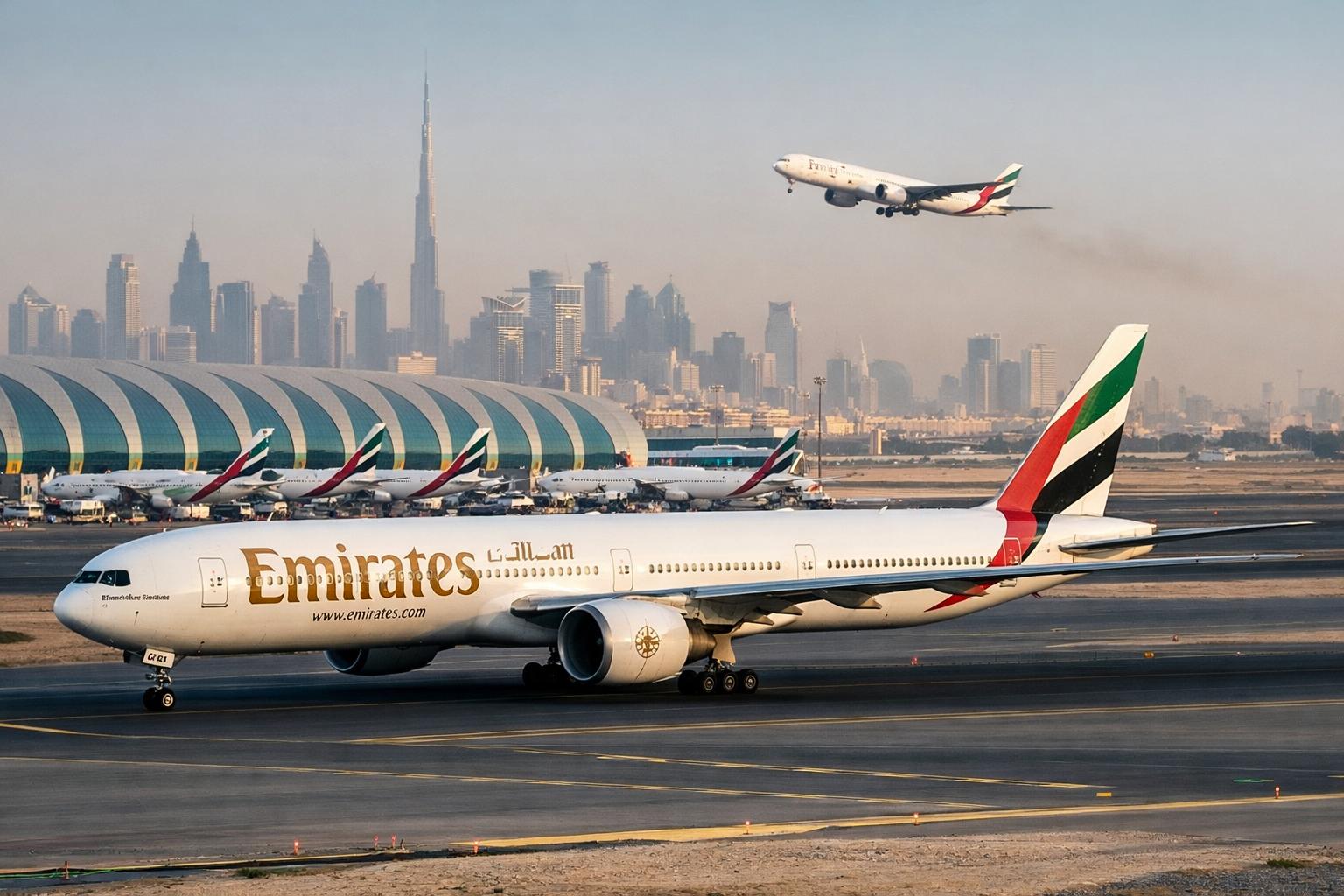
Air travel operations in parts of the Middle East showed early signs of recovery after several airlines announced limited service resumption following widespread disruptions caused by recent regional strikes. Dubai-based Emirates confirmed it received approval from local authorities to restart a limited number of flights, with operations expected to begin Monday evening. The decision comes after thousands of flights were canceled over the weekend due to airspace closures across multiple countries in the region. Authorities in Dubai stated that only a small number of flights would be allowed to operate from Dubai International Airport and Al Maktoum International Airport as a precautionary measure while the situation stabilizes. Travelers have been advised to check with their airlines before heading to the airport, as schedules may change at short notice depending on safety assessments and airspace availability. Emirates said priority would be given to passengers who already held confirmed bookings before the disruption. The airline also urged customers not to travel to the airport unless they had received direct confirmation that their flight would operate. According to the airline, most services remain suspended until further notice as authorities continue to monitor regional developments. The disruption followed military strikes involving the United States, Israel, and Iran, which led to the temporary closure of large sections of Middle East airspace. The shutdown affected not only flights to the region but also international routes that normally pass through the area, leaving hundreds of thousands of passengers stranded worldwide. Dubai, one of the busiest global aviation hubs, experienced significant delays as airlines were forced to reroute or cancel long-haul flights. Israeli carrier El Al announced that it is exploring alternative options to bring stranded citizens home, including the possible use of chartered aircraft from European locations to nearby destinations such as Taba in Egypt or Aqaba in Jordan. The airline said the plan would require approval from government authorities before it could proceed. Abu Dhabi-based Etihad Airways also confirmed temporary suspension of commercial services, stating that flights to and from the city would remain halted until midweek. The airline noted that certain cargo and repatriation flights may continue under strict safety protocols as authorities gradually reopen regional airspace. Airlines across the region are continuing to assess conditions before fully restoring normal schedules, with officials emphasizing that passenger safety remains the primary concern while tensions in the region persist.
Emirates Resumes Limited Flights After Middle East Airspace Disruptions
Air travel operations in parts of the Middle East showed early signs of recovery after several airlines announced limited service resumption following widespread disruptions caused by recent regional strikes. Dubai-based Emirates confirmed it received approval from local authorities to restart a limited number of flights, with operations expected to begin Monday evening. The decision comes after thousands of flights were canceled over the weekend due to airspace closures across multiple countries in the region. Authorities in Dubai stated that only a small number of flights would be allowed to operate from Dubai International Airport and Al Maktoum International Airport as a precautionary measure while the situation stabilizes. Travelers have been advised to check with their airlines before heading to the airport, as schedules may change at short notice depending on safety assessments and airspace availability. Emirates said priority would be given to passengers who already held confirmed bookings before the disruption. The airline also urged customers not to travel to the airport unless they had received direct confirmation that their flight would operate. According to the airline, most services remain suspended until further notice as authorities continue to monitor regional developments. The disruption followed military strikes involving the United States, Israel, and Iran, which led to the temporary closure of large sections of Middle East airspace. The shutdown affected not only flights to the region but also international routes that normally pass through the area, leaving hundreds of thousands of passengers stranded worldwide. Dubai, one of the busiest global aviation hubs, experienced significant delays as airlines were forced to reroute or cancel long-haul flights. Israeli carrier El Al announced that it is exploring alternative options to bring stranded citizens home, including the possible use of chartered aircraft from European locations to nearby destinations such as Taba in Egypt or Aqaba in Jordan. The airline said the plan would require approval from government authorities before it could proceed. Abu Dhabi-based Etihad Airways also confirmed temporary suspension of commercial services, stating that flights to and from the city would remain halted until midweek. The airline noted that certain cargo and repatriation flights may continue under strict safety protocols as authorities gradually reopen regional airspace. Airlines across the region are continuing to assess conditions before fully restoring normal schedules, with officials emphasizing that passenger safety remains the primary concern while tensions in the region persist.
Emirates places $38B order for 65 Boeing 777-9 jets at Dubai Airshow
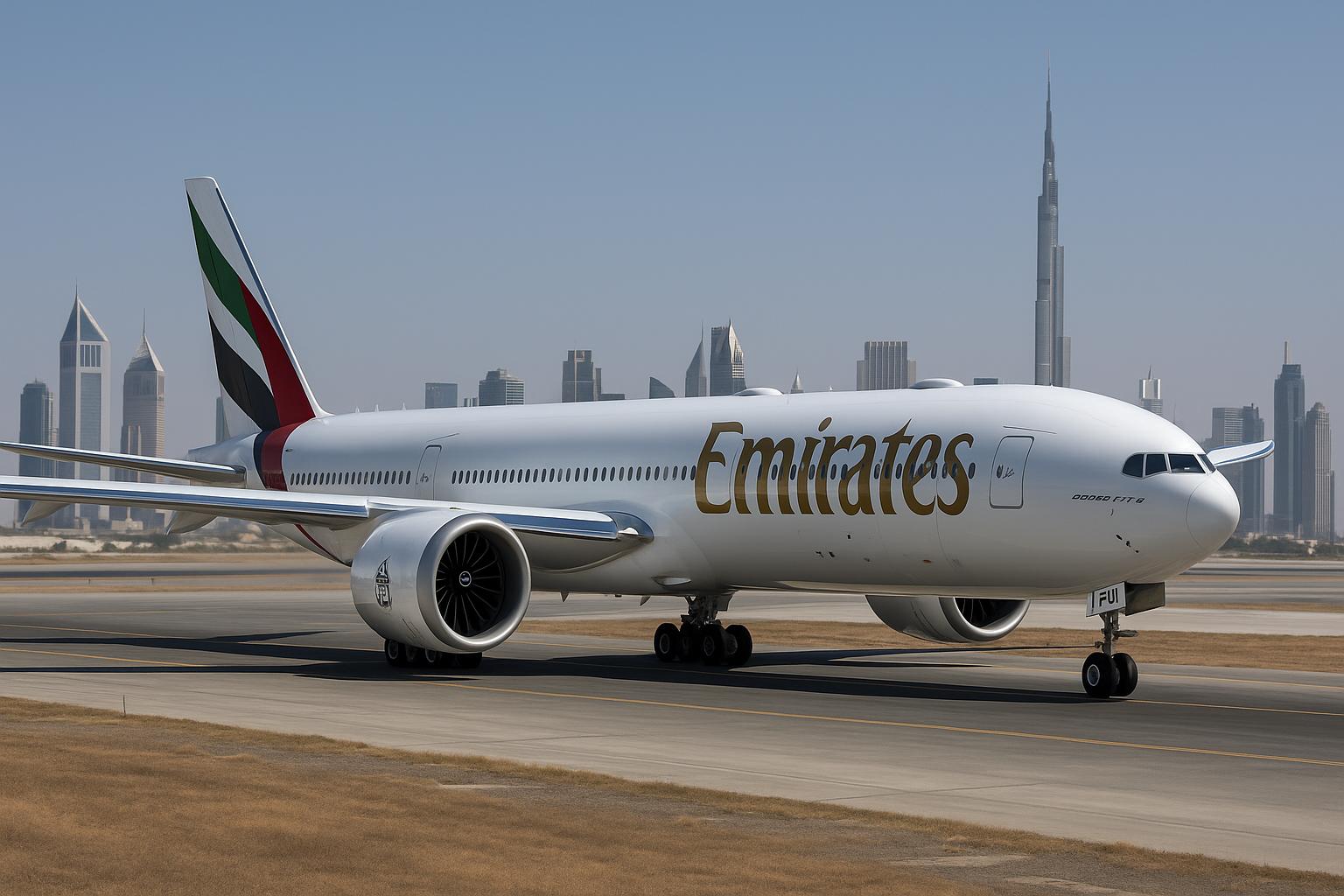
Emirates has placed an order for 65 additional Boeing 777-9 aircraft valued at $38 billion, marking one of the largest commercial agreements announced during the opening day of the Dubai Airshow 2025. The deal increases the airline’s total Boeing orderbook to 315 wide-body aircraft, strengthening its position as the manufacturer’s largest customer for long-range passenger jets. Emirates described the decision as a major commitment to United States aerospace production, saying that future manufacturing work tied to the order will support hundreds of thousands of high-value jobs over the lifespan of the program. The new agreement also expands the airline’s partnership with GE Aerospace, which supplies the GE9X engines that power the Boeing 777-9. With this order, Emirates now has commitments for 540 GE9X engines in addition to its existing fleet powered by GE90 and GP7200 engines. According to GE Aerospace, the continued growth of this partnership demonstrates the airline’s confidence in the long-term reliability and efficiency of the company’s engine portfolio. GE executives stated they are prepared to support Emirates with maintenance and performance solutions as deliveries are completed. Sheikh Ahmed bin Saeed Al Maktoum, chairman and chief executive of Emirates Airline and Group, said the new jet order reflects a long-standing strategic relationship with Boeing and GE. He added that the agreement reinforces the airline’s plan to modernize its fleet as passenger demand continues to rise across international markets. Emirates has relied heavily on the Boeing 777 platform for long-haul operations and views the next-generation 777-9 as a key component of its future capacity. However, the announcement comes as Boeing continues to face production and certification delays for the 777X program. The aircraft was originally scheduled to enter service several years earlier, but revised delivery targets now extend into 2027. These setbacks have forced Emirates to invest billions of dollars retrofitting existing aircraft to sustain operations until the new deliveries begin. The carrier has publicly expressed frustration with the delays, urging Boeing to accelerate progress and meet contractual commitments. Industry analysts note that the agreement may add renewed pressure on Boeing’s leadership, including chief executive Kelly Ortberg, who has been tasked with restoring production stability. The company remains under heightened scrutiny as it works through supply chain constraints and regulatory requirements that have affected multiple aircraft programs. For Emirates, the latest order underscores confidence in the long-term viability of the 777-9 but also highlights the operational challenges posed by delays. Despite those uncertainties, the deal reinforces the airline’s view that large, efficient twin-engine jets remain essential for global carriers operating high-density long-haul routes. As international travel continues to recover, Emirates expects the new aircraft to support expanded schedules and improved fuel performance across its network. The company plans to integrate the incoming jets alongside ongoing cabin upgrades and service expansions intended to maintain its competitive position in the long-haul market. The agreement represents one of the most significant commercial announcements of the year for the aviation industry and signals the continued demand for next-generation wide-body aircraft, even as manufacturers face production constraints. Emirates says it will continue working closely with Boeing and GE to ensure that the aircraft and engine programs remain on track as delivery timelines develop over the next several years.
Emirates places $38B order for 65 Boeing 777-9 jets at Dubai Airshow
Emirates has placed an order for 65 additional Boeing 777-9 aircraft valued at $38 billion, marking one of the largest commercial agreements announced during the opening day of the Dubai Airshow 2025. The deal increases the airline’s total Boeing orderbook to 315 wide-body aircraft, strengthening its position as the manufacturer’s largest customer for long-range passenger jets. Emirates described the decision as a major commitment to United States aerospace production, saying that future manufacturing work tied to the order will support hundreds of thousands of high-value jobs over the lifespan of the program. The new agreement also expands the airline’s partnership with GE Aerospace, which supplies the GE9X engines that power the Boeing 777-9. With this order, Emirates now has commitments for 540 GE9X engines in addition to its existing fleet powered by GE90 and GP7200 engines. According to GE Aerospace, the continued growth of this partnership demonstrates the airline’s confidence in the long-term reliability and efficiency of the company’s engine portfolio. GE executives stated they are prepared to support Emirates with maintenance and performance solutions as deliveries are completed. Sheikh Ahmed bin Saeed Al Maktoum, chairman and chief executive of Emirates Airline and Group, said the new jet order reflects a long-standing strategic relationship with Boeing and GE. He added that the agreement reinforces the airline’s plan to modernize its fleet as passenger demand continues to rise across international markets. Emirates has relied heavily on the Boeing 777 platform for long-haul operations and views the next-generation 777-9 as a key component of its future capacity. However, the announcement comes as Boeing continues to face production and certification delays for the 777X program. The aircraft was originally scheduled to enter service several years earlier, but revised delivery targets now extend into 2027. These setbacks have forced Emirates to invest billions of dollars retrofitting existing aircraft to sustain operations until the new deliveries begin. The carrier has publicly expressed frustration with the delays, urging Boeing to accelerate progress and meet contractual commitments. Industry analysts note that the agreement may add renewed pressure on Boeing’s leadership, including chief executive Kelly Ortberg, who has been tasked with restoring production stability. The company remains under heightened scrutiny as it works through supply chain constraints and regulatory requirements that have affected multiple aircraft programs. For Emirates, the latest order underscores confidence in the long-term viability of the 777-9 but also highlights the operational challenges posed by delays. Despite those uncertainties, the deal reinforces the airline’s view that large, efficient twin-engine jets remain essential for global carriers operating high-density long-haul routes. As international travel continues to recover, Emirates expects the new aircraft to support expanded schedules and improved fuel performance across its network. The company plans to integrate the incoming jets alongside ongoing cabin upgrades and service expansions intended to maintain its competitive position in the long-haul market. The agreement represents one of the most significant commercial announcements of the year for the aviation industry and signals the continued demand for next-generation wide-body aircraft, even as manufacturers face production constraints. Emirates says it will continue working closely with Boeing and GE to ensure that the aircraft and engine programs remain on track as delivery timelines develop over the next several years.