When sympathy hurts: The emotional fine line between care and courage
Sympathy is often seen as a natural and noble human response to another person’s suffering. Yet, when expressed without awareness, it can unintentionally weaken rather than heal. Emotional experts and counselors emphasize that sympathy, when offered in excess or with the wrong tone, may discourage courage, lower confidence, and create a subtle sense of helplessness. The fine line between genuine empathy and misplaced pity has become increasingly relevant in conversations about mental health
When sympathy hurts: The emotional fine line between care and courage
Sympathy is often seen as a natural and noble human response to another person’s suffering. Yet, when expressed without awareness, it can unintentionally weaken rather than heal. Emotional experts and counselors emphasize that sympathy, when offered in excess or with the wrong tone, may discourage courage, lower confidence, and create a subtle sense of helplessness. The fine line between genuine empathy and misplaced pity has become increasingly relevant in conversations about mental health
Ohio researcher argues humans will always outthink AI in new book on primal intelligence
Concerns about artificial intelligence surpassing human capability have circulated for decades, but the arrival of accessible AI tools has renewed public unease about how these systems might reshape society. In Ohio, one state lawmaker has even proposed legislation to ensure that artificial intelligence systems cannot be legally recognized as people. While the idea may sound like science fiction, a researcher at Ohio State University believes it highlights an important misunderstanding of wha
Ohio researcher argues humans will always outthink AI in new book on primal intelligence
Concerns about artificial intelligence surpassing human capability have circulated for decades, but the arrival of accessible AI tools has renewed public unease about how these systems might reshape society. In Ohio, one state lawmaker has even proposed legislation to ensure that artificial intelligence systems cannot be legally recognized as people. While the idea may sound like science fiction, a researcher at Ohio State University believes it highlights an important misunderstanding of wha
Rejection and reflection: Seeing other's choices as perspective, not judgment
Rejection is one of the most common emotional experiences shared by every human being, yet it remains one of the least understood. When a person faces rejection, whether in personal relationships, professional pursuits, or social circles, the first instinct is often to take it personally. Many interpret rejection as a sign of inadequacy or a reflection of their flaws. However, a more balanced understanding reveals that rejection is, in most cases, simply the perspective of another person and
Rejection and reflection: Seeing other's choices as perspective, not judgment
Rejection is one of the most common emotional experiences shared by every human being, yet it remains one of the least understood. When a person faces rejection, whether in personal relationships, professional pursuits, or social circles, the first instinct is often to take it personally. Many interpret rejection as a sign of inadequacy or a reflection of their flaws. However, a more balanced understanding reveals that rejection is, in most cases, simply the perspective of another person and
The Heart’s Slow Journey: From Longing to Quiet Faith
In the journey of devotion, there are times when the heart and mind travel at different speeds. The mind, trained by faith, may already know that whatever comes from the Guru’s hand is grace — both the gifts that comfort and the lessons that challenge. Yet the heart, tender and human, often lingers behind, still clinging to the fragrance of closeness, to the warmth of moments that once felt near and personal. This quiet distance between understanding and acceptance is not disobe
The Heart’s Slow Journey: From Longing to Quiet Faith
In the journey of devotion, there are times when the heart and mind travel at different speeds. The mind, trained by faith, may already know that whatever comes from the Guru’s hand is grace — both the gifts that comfort and the lessons that challenge. Yet the heart, tender and human, often lingers behind, still clinging to the fragrance of closeness, to the warmth of moments that once felt near and personal. This quiet distance between understanding and acceptance is not disobe
Pennsylvania man’s emotional support alligator sparks Walmart controversy
Emotional support animals have become increasingly common across the United States, with dogs, cats, and even birds often accompanying their owners in public spaces. But in Pennsylvania, one man’s unusual choice of companion has caught the attention of both shoppers and corporate officials. Wesley Silva, a resident of West Brownsville, has raised eyebrows and sparked debate by bringing his registered emotional support alligator, Jinseioshi, to various public locations, including restaur
Pennsylvania man’s emotional support alligator sparks Walmart controversy
Emotional support animals have become increasingly common across the United States, with dogs, cats, and even birds often accompanying their owners in public spaces. But in Pennsylvania, one man’s unusual choice of companion has caught the attention of both shoppers and corporate officials. Wesley Silva, a resident of West Brownsville, has raised eyebrows and sparked debate by bringing his registered emotional support alligator, Jinseioshi, to various public locations, including restaur
Balancing Parenting During a Health Emergency
Parenting is challenging on its own, but when a health emergency strikes—whether it involves a parent, child, or another family member—the stress can feel overwhelming. Balancing the responsibilities of caring for children while managing medical needs requires strength, planning, and emotional resilience. With the right approach, parents can provide stability for their children while navigating uncertain times. The first step is to stay calm and organized. Children quick
Balancing Parenting During a Health Emergency
Parenting is challenging on its own, but when a health emergency strikes—whether it involves a parent, child, or another family member—the stress can feel overwhelming. Balancing the responsibilities of caring for children while managing medical needs requires strength, planning, and emotional resilience. With the right approach, parents can provide stability for their children while navigating uncertain times. The first step is to stay calm and organized. Children quick
Supporting Children Through Parental Job Loss
Losing a job can be a stressful experience for any family, but it often affects children in ways parents may not immediately realize. Children are sensitive to changes at home and can sense the emotions of their parents. Whether it’s worry about money, changes in daily routines, or uncertainty about the future, parental job loss can create anxiety for kids. Supporting them during this period requires honesty, reassurance, and stability. The first step is open communication. Pa
Supporting Children Through Parental Job Loss
Losing a job can be a stressful experience for any family, but it often affects children in ways parents may not immediately realize. Children are sensitive to changes at home and can sense the emotions of their parents. Whether it’s worry about money, changes in daily routines, or uncertainty about the future, parental job loss can create anxiety for kids. Supporting them during this period requires honesty, reassurance, and stability. The first step is open communication. Pa
Smart Ways to Stay Calm During Toddler Tantrums
Every parent knows the challenges of toddler tantrums. One moment your child is happily playing, and the next, they are on the floor crying or screaming. Tantrums are a normal part of early childhood as toddlers learn to manage their emotions and express themselves. While it can be overwhelming, staying calm and understanding what your child needs makes a big difference. The first step in handling tantrums is recognizing the triggers. Hunger, tiredness, overstimulation, or frustrati
Smart Ways to Stay Calm During Toddler Tantrums
Every parent knows the challenges of toddler tantrums. One moment your child is happily playing, and the next, they are on the floor crying or screaming. Tantrums are a normal part of early childhood as toddlers learn to manage their emotions and express themselves. While it can be overwhelming, staying calm and understanding what your child needs makes a big difference. The first step in handling tantrums is recognizing the triggers. Hunger, tiredness, overstimulation, or frustrati
Understanding Kids’ Behavior Through Developmental Psychology
Children’s behavior can often seem unpredictable, but developmental psychology offers valuable insights into why kids act the way they do. By looking at how children grow emotionally, socially, and cognitively, parents can better understand their actions and guide them with patience. Recognizing that each stage of childhood has unique needs helps caregivers respond more effectively to challenges. In early childhood, much of a child’s
Understanding Kids’ Behavior Through Developmental Psychology
Children’s behavior can often seem unpredictable, but developmental psychology offers valuable insights into why kids act the way they do. By looking at how children grow emotionally, socially, and cognitively, parents can better understand their actions and guide them with patience. Recognizing that each stage of childhood has unique needs helps caregivers respond more effectively to challenges. In early childhood, much of a child’s
The Psychological Benefits of Reading Aloud to Children
Reading aloud to children is more than just a bedtime routine—it is a powerful tool for emotional, social, and cognitive growth. Long before children can read on their own, listening to stories helps shape how they think, feel, and interact with the world. The act of reading aloud not only strengthens the parent-child bond but also provides lasting psychological benefits that influence a child’s development. One of the most important advantages of reading aloud is emotio
The Psychological Benefits of Reading Aloud to Children
Reading aloud to children is more than just a bedtime routine—it is a powerful tool for emotional, social, and cognitive growth. Long before children can read on their own, listening to stories helps shape how they think, feel, and interact with the world. The act of reading aloud not only strengthens the parent-child bond but also provides lasting psychological benefits that influence a child’s development. One of the most important advantages of reading aloud is emotio
Understanding How Attachment Forms in Young Children
The bonds children form with their caregivers in the first years of life play a powerful role in shaping their emotional health, relationships, and sense of security. Psychologists call this process “attachment,” and it begins long before a child can talk. Understanding how attachment styles develop in early childhood helps parents and caregivers nurture stronger, healthier connections with their kids. What Is Attachment? Attachment is the em
Understanding How Attachment Forms in Young Children
The bonds children form with their caregivers in the first years of life play a powerful role in shaping their emotional health, relationships, and sense of security. Psychologists call this process “attachment,” and it begins long before a child can talk. Understanding how attachment styles develop in early childhood helps parents and caregivers nurture stronger, healthier connections with their kids. What Is Attachment? Attachment is the em
Understanding the Psychology Behind Your Child’s Tantrums
Every parent has faced the challenge of a child’s tantrum—whether it’s in the middle of a grocery store, at bedtime, or when saying no to extra screen time. While tantrums can feel overwhelming, they are a normal part of child development. Understanding the psychology behind tantrums can help parents respond with patience and guide children through these emotional outbursts in a healthy way. Why Do Tantrums Happen?
Understanding the Psychology Behind Your Child’s Tantrums
Every parent has faced the challenge of a child’s tantrum—whether it’s in the middle of a grocery store, at bedtime, or when saying no to extra screen time. While tantrums can feel overwhelming, they are a normal part of child development. Understanding the psychology behind tantrums can help parents respond with patience and guide children through these emotional outbursts in a healthy way. Why Do Tantrums Happen?
Is Your Child Secretly Depressed?
Most parents expect some moodiness or occasional emotional outbursts from their children, especially during times of stress or change. But what happens when those moods hide something deeper? Childhood depression doesn’t always look like sadness or crying—it can wear a lot of different masks. And because children don’t always have the words to express what they’re feeling, their struggle often goes unnoticed. It’s a common misconception that depression
Is Your Child Secretly Depressed?
Most parents expect some moodiness or occasional emotional outbursts from their children, especially during times of stress or change. But what happens when those moods hide something deeper? Childhood depression doesn’t always look like sadness or crying—it can wear a lot of different masks. And because children don’t always have the words to express what they’re feeling, their struggle often goes unnoticed. It’s a common misconception that depression
The Hidden Impact of Yelling on Kids’ Mental Health
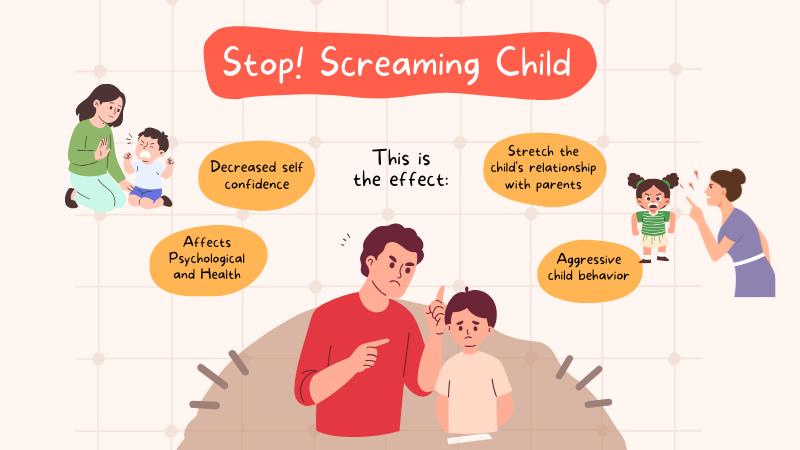
Parenting is tough, and in the heat of the moment, many parents end up yelling at their children. Whether it's because of stress, repeated misbehavior, or simply being overwhelmed, shouting often feels like a quick fix. But while yelling might seem effective in the short term, it can leave lasting emotional and psychological scars on children. Children are especially sensitive to their environment and the emotional tone of their caregivers. When yelling becomes a regular form of
The Hidden Impact of Yelling on Kids’ Mental Health
Parenting is tough, and in the heat of the moment, many parents end up yelling at their children. Whether it's because of stress, repeated misbehavior, or simply being overwhelmed, shouting often feels like a quick fix. But while yelling might seem effective in the short term, it can leave lasting emotional and psychological scars on children. Children are especially sensitive to their environment and the emotional tone of their caregivers. When yelling becomes a regular form of
Raising Emotionally Intelligent Kids in a Digital Age
Introduction to Emotional Intelligence in Kid Raising emotionally intelligent kids today can be challenging, especially with technology influencing their lives more than ever. Emotional intelligence, or EQ, is the ability to understand and manage one’s emotions while also being able to recognize and respond to others' feelings. EQ is crucial for your child’s success in school, relationships, and life. In a digital world, it’s impo
Raising Emotionally Intelligent Kids in a Digital Age
Introduction to Emotional Intelligence in Kid Raising emotionally intelligent kids today can be challenging, especially with technology influencing their lives more than ever. Emotional intelligence, or EQ, is the ability to understand and manage one’s emotions while also being able to recognize and respond to others' feelings. EQ is crucial for your child’s success in school, relationships, and life. In a digital world, it’s impo
Why Consistent Routines Matter for Children
Establishing consistent routines for children is one of the most effective strategies for ensuring their well-being and development. Children thrive in environments where they know what to expect. Routines provide structure, security, and stability, which are essential for emotional growth and behavior management. Consistency helps children understand boundaries and feel more secure, as they can predict what happens next in their day-to-day life. Whether it’s a morning routine, a set be
Why Consistent Routines Matter for Children
Establishing consistent routines for children is one of the most effective strategies for ensuring their well-being and development. Children thrive in environments where they know what to expect. Routines provide structure, security, and stability, which are essential for emotional growth and behavior management. Consistency helps children understand boundaries and feel more secure, as they can predict what happens next in their day-to-day life. Whether it’s a morning routine, a set be
Stew Leonard Jr. honors late son with emotional first pitch at Yankee Stadium
At Yankee Stadium, a ceremonial first pitch became far more than a pregame tradition when Connecticut resident Stew Leonard Jr. took the mound to honor the memory of his late son, Stew Leonard III. Wearing a specially made jersey bearing the number 38, Leonard delivered the pitch in a heartfelt tribute, marking what would have been his son’s 38th birthday. The poignant moment resonated with spectators, players, and staff, underscoring the deep connections b
Stew Leonard Jr. honors late son with emotional first pitch at Yankee Stadium
At Yankee Stadium, a ceremonial first pitch became far more than a pregame tradition when Connecticut resident Stew Leonard Jr. took the mound to honor the memory of his late son, Stew Leonard III. Wearing a specially made jersey bearing the number 38, Leonard delivered the pitch in a heartfelt tribute, marking what would have been his son’s 38th birthday. The poignant moment resonated with spectators, players, and staff, underscoring the deep connections b
Tips for Managing Career Burnout in Your 40s
Understanding Career Burnout in Your 40s In your 40s, the reality of career burnout can feel overwhelming. By this stage, you’ve likely accumulated years of experience, but the pressure to maintain success, excel in your role, and balance personal life can weigh heavily on your shoulders. Burnout in your 40s can manifest as chronic fatigue, emotional exhaustion, and even health issues if not addressed. Recognizing burnout early is key to managing it effectively. Symptoms such as decreased motivation, fatigue, irritability, physical ailments like headaches, or a drop in performance are signs your mental and emotional well-being are suffering. Let’s dive into the strategies that can help you manage burnout effectively and regain your energy, passion, and work-life balance. 1. Recognize and Acknowledge Burnout Understanding the symptoms of burnout is essential. In your 40s, it’s common to experience: Chronic fatigue, feeling mentally and physically drained despite getting enough rest; Decreased motivation, losing enthusiasm for tasks you once enjoyed; Emotional exhaustion, which includes feelings of frustration, irritability, or detachment from work; Physical symptoms, such as headaches, insomnia, digestive issues, or muscle tension; Decreased performance, including reduced focus, making mistakes, or feeling distracted. Identifying these signs early allows you to take proactive steps before burnout deepens. 2. Reassess Your Career Goals and Values As you approach your 40s, it’s time to reassess whether your current career aligns with your values and goals. Over the years, your priorities may shift, and your job might no longer offer the same fulfillment. It’s important to reflect on what truly matters to you in your career. Taking time to reassess your goals and values will help you realign with what matters most. Reflect on your passions and what parts of your job still bring joy, while identifying aspects that no longer excite you. Setting new career goals that align with your values, such as seeking leadership roles or considering industry changes, can help you find renewed purpose. If your current job no longer fits, considering a career transition might help reignite your passion and enthusiasm for work. 3. Build a Better Work-Life Balance The desire for career success can often overwhelm your personal life, especially in your 40s. Setting boundaries and finding a healthy balance between work and personal time is essential to prevent burnout. Setting boundaries helps you learn to say no to extra work that interferes with your personal time, protecting your well-being. Prioritizing personal activities such as hobbies, spending time with family, or engaging in self-care can restore your mental health. Taking breaks throughout the day gives you time to recharge, clear your mind, and maintain a healthy focus on your tasks. 4. Focus on Stress Management Burnout is often exacerbated by stress, and managing stress becomes even more important in your 40s, as chronic stress can negatively impact both your physical and mental health. Incorporating stress-management techniques into your routine will help you cope with the pressures of work. Practicing mindfulness through meditation or deep breathing exercises can help calm your mind and reduce daily stress. Regular exercise helps relieve stress and boost your overall health, allowing you to stay energized and mentally sharp. Prioritizing sleep is equally important; getting 7-8 hours of quality rest every night restores your energy levels and improves emotional resilience. 5. Learn to Delegate and Seek Help Trying to do everything on your own is a surefire way to contribute to burnout. Recognizing when to delegate tasks and seek support can alleviate the pressure. Delegating tasks at work to colleagues not only helps distribute your workload but also empowers others to grow and contribute. Reaching out for mentorship from a trusted colleague or advisor offers guidance and new perspectives on handling career challenges. Outsourcing personal tasks such as house cleaning or shopping can free up valuable time for relaxation and self-care. 6. Prioritize Your Mental Health Burnout affects not just your work but your mental health as well. In your 40s, it’s crucial to prioritize mental health to maintain a sense of balance and well-being. Seeking emotional support can help you process stress and recover from burnout. Therapy or counseling can help you develop coping strategies for dealing with workplace challenges and personal pressures. Joining a support group gives you the opportunity to connect with others who understand your struggles and can provide valuable advice. Engaging in hobbies allows you to express creativity and take your mind off work, offering a mental break that can improve your overall outlook. 7. Consider Career Changes or Side Projects If your current job continues to drain you despite efforts to manage burnout, it may be time to explore a career change or start a side project. In your 40s, this could be an ideal time to explore new opportunities and reignite your passion for work. Exploring other roles within your current company or in a new field can provide new challenges and growth opportunities. Starting a side hustle or business allows you to tap into your creativity and offer you financial and emotional relief from your main job. Sometimes, simply reevaluating your job fit can help you rediscover excitement in your career, even if it means transitioning to a new role or company. 8. Utilize Flexible and Remote Work Options Flexible work arrangements, including remote work, can significantly reduce stress and improve work-life balance. If your employer offers these options, consider taking advantage of them to help alleviate burnout. Negotiating flexible work hours allows you to adjust your schedule to better fit your personal needs or reduce the stress of commuting. Working remotely can provide you with the space to focus on your tasks without the pressure of an office environment, offering you more control over your time and workload. Career burnout in your 40s involves more than just surviving your current job. It’s about taking proactive steps to reassess your goals, set boundaries, and prioritize your health and well-being. By addressing burnout early, practicing stress management, and considering career changes, you can regain control of your work-life balance and continue to thrive in your mid-career years. With these strategies, you’ll not only manage burnout but also build a sustainable, fulfilling career that aligns with your personal values and passions.
Tips for Managing Career Burnout in Your 40s
Understanding Career Burnout in Your 40s In your 40s, the reality of career burnout can feel overwhelming. By this stage, you’ve likely accumulated years of experience, but the pressure to maintain success, excel in your role, and balance personal life can weigh heavily on your shoulders. Burnout in your 40s can manifest as chronic fatigue, emotional exhaustion, and even health issues if not addressed. Recognizing burnout early is key to managing it effectively. Symptoms such as decreased motivation, fatigue, irritability, physical ailments like headaches, or a drop in performance are signs your mental and emotional well-being are suffering. Let’s dive into the strategies that can help you manage burnout effectively and regain your energy, passion, and work-life balance. 1. Recognize and Acknowledge Burnout Understanding the symptoms of burnout is essential. In your 40s, it’s common to experience: Chronic fatigue, feeling mentally and physically drained despite getting enough rest; Decreased motivation, losing enthusiasm for tasks you once enjoyed; Emotional exhaustion, which includes feelings of frustration, irritability, or detachment from work; Physical symptoms, such as headaches, insomnia, digestive issues, or muscle tension; Decreased performance, including reduced focus, making mistakes, or feeling distracted. Identifying these signs early allows you to take proactive steps before burnout deepens. 2. Reassess Your Career Goals and Values As you approach your 40s, it’s time to reassess whether your current career aligns with your values and goals. Over the years, your priorities may shift, and your job might no longer offer the same fulfillment. It’s important to reflect on what truly matters to you in your career. Taking time to reassess your goals and values will help you realign with what matters most. Reflect on your passions and what parts of your job still bring joy, while identifying aspects that no longer excite you. Setting new career goals that align with your values, such as seeking leadership roles or considering industry changes, can help you find renewed purpose. If your current job no longer fits, considering a career transition might help reignite your passion and enthusiasm for work. 3. Build a Better Work-Life Balance The desire for career success can often overwhelm your personal life, especially in your 40s. Setting boundaries and finding a healthy balance between work and personal time is essential to prevent burnout. Setting boundaries helps you learn to say no to extra work that interferes with your personal time, protecting your well-being. Prioritizing personal activities such as hobbies, spending time with family, or engaging in self-care can restore your mental health. Taking breaks throughout the day gives you time to recharge, clear your mind, and maintain a healthy focus on your tasks. 4. Focus on Stress Management Burnout is often exacerbated by stress, and managing stress becomes even more important in your 40s, as chronic stress can negatively impact both your physical and mental health. Incorporating stress-management techniques into your routine will help you cope with the pressures of work. Practicing mindfulness through meditation or deep breathing exercises can help calm your mind and reduce daily stress. Regular exercise helps relieve stress and boost your overall health, allowing you to stay energized and mentally sharp. Prioritizing sleep is equally important; getting 7-8 hours of quality rest every night restores your energy levels and improves emotional resilience. 5. Learn to Delegate and Seek Help Trying to do everything on your own is a surefire way to contribute to burnout. Recognizing when to delegate tasks and seek support can alleviate the pressure. Delegating tasks at work to colleagues not only helps distribute your workload but also empowers others to grow and contribute. Reaching out for mentorship from a trusted colleague or advisor offers guidance and new perspectives on handling career challenges. Outsourcing personal tasks such as house cleaning or shopping can free up valuable time for relaxation and self-care. 6. Prioritize Your Mental Health Burnout affects not just your work but your mental health as well. In your 40s, it’s crucial to prioritize mental health to maintain a sense of balance and well-being. Seeking emotional support can help you process stress and recover from burnout. Therapy or counseling can help you develop coping strategies for dealing with workplace challenges and personal pressures. Joining a support group gives you the opportunity to connect with others who understand your struggles and can provide valuable advice. Engaging in hobbies allows you to express creativity and take your mind off work, offering a mental break that can improve your overall outlook. 7. Consider Career Changes or Side Projects If your current job continues to drain you despite efforts to manage burnout, it may be time to explore a career change or start a side project. In your 40s, this could be an ideal time to explore new opportunities and reignite your passion for work. Exploring other roles within your current company or in a new field can provide new challenges and growth opportunities. Starting a side hustle or business allows you to tap into your creativity and offer you financial and emotional relief from your main job. Sometimes, simply reevaluating your job fit can help you rediscover excitement in your career, even if it means transitioning to a new role or company. 8. Utilize Flexible and Remote Work Options Flexible work arrangements, including remote work, can significantly reduce stress and improve work-life balance. If your employer offers these options, consider taking advantage of them to help alleviate burnout. Negotiating flexible work hours allows you to adjust your schedule to better fit your personal needs or reduce the stress of commuting. Working remotely can provide you with the space to focus on your tasks without the pressure of an office environment, offering you more control over your time and workload. Career burnout in your 40s involves more than just surviving your current job. It’s about taking proactive steps to reassess your goals, set boundaries, and prioritize your health and well-being. By addressing burnout early, practicing stress management, and considering career changes, you can regain control of your work-life balance and continue to thrive in your mid-career years. With these strategies, you’ll not only manage burnout but also build a sustainable, fulfilling career that aligns with your personal values and passions.
Pleasanton Fundraiser Supports Equine Therapy for Dementia Patients and Caregivers
The nonprofit organization Connected Horse is hosting its annual "Lassos with Love" fundraiser in Pleasanton on Sunday, Sept. 7, from 2 to 4:30 p.m. at the Five Star Equestrian Center. This special event is designed to support equine-assisted therapy for dementia patients and their caregivers, an initiative that has shown profound benefits in reducing anxiety, depression, and PTSD, while boosting self-esteem, trust, and emotional regulation.

Pleasanton Fundraiser Supports Equine Therapy for Dementia Patients and Caregivers
The nonprofit organization Connected Horse is hosting its annual "Lassos with Love" fundraiser in Pleasanton on Sunday, Sept. 7, from 2 to 4:30 p.m. at the Five Star Equestrian Center. This special event is designed to support equine-assisted therapy for dementia patients and their caregivers, an initiative that has shown profound benefits in reducing anxiety, depression, and PTSD, while boosting self-esteem, trust, and emotional regulation.
Ranveer Allahbadia Reflects on Love Amid Breakup Rumors with Nikki Sharma
Ranveer Allahbadia, a prominent YouTuber and podcaster, has been making waves with his candid reflections on love, relationships, and personal growth. During his latest podcast episode, where he conversed with actor Tara Sutaria, Allahbadia confirmed that he is currently single, addressing the swirling rumors of a breakup with actress Nikki Sharma. He took the opportunity to dive deep into his evolving perspective on romance, especially after turning 30, offer
Ranveer Allahbadia Reflects on Love Amid Breakup Rumors with Nikki Sharma
Ranveer Allahbadia, a prominent YouTuber and podcaster, has been making waves with his candid reflections on love, relationships, and personal growth. During his latest podcast episode, where he conversed with actor Tara Sutaria, Allahbadia confirmed that he is currently single, addressing the swirling rumors of a breakup with actress Nikki Sharma. He took the opportunity to dive deep into his evolving perspective on romance, especially after turning 30, offer