Iran frozen funds begin transfer via Qatar under deal talks
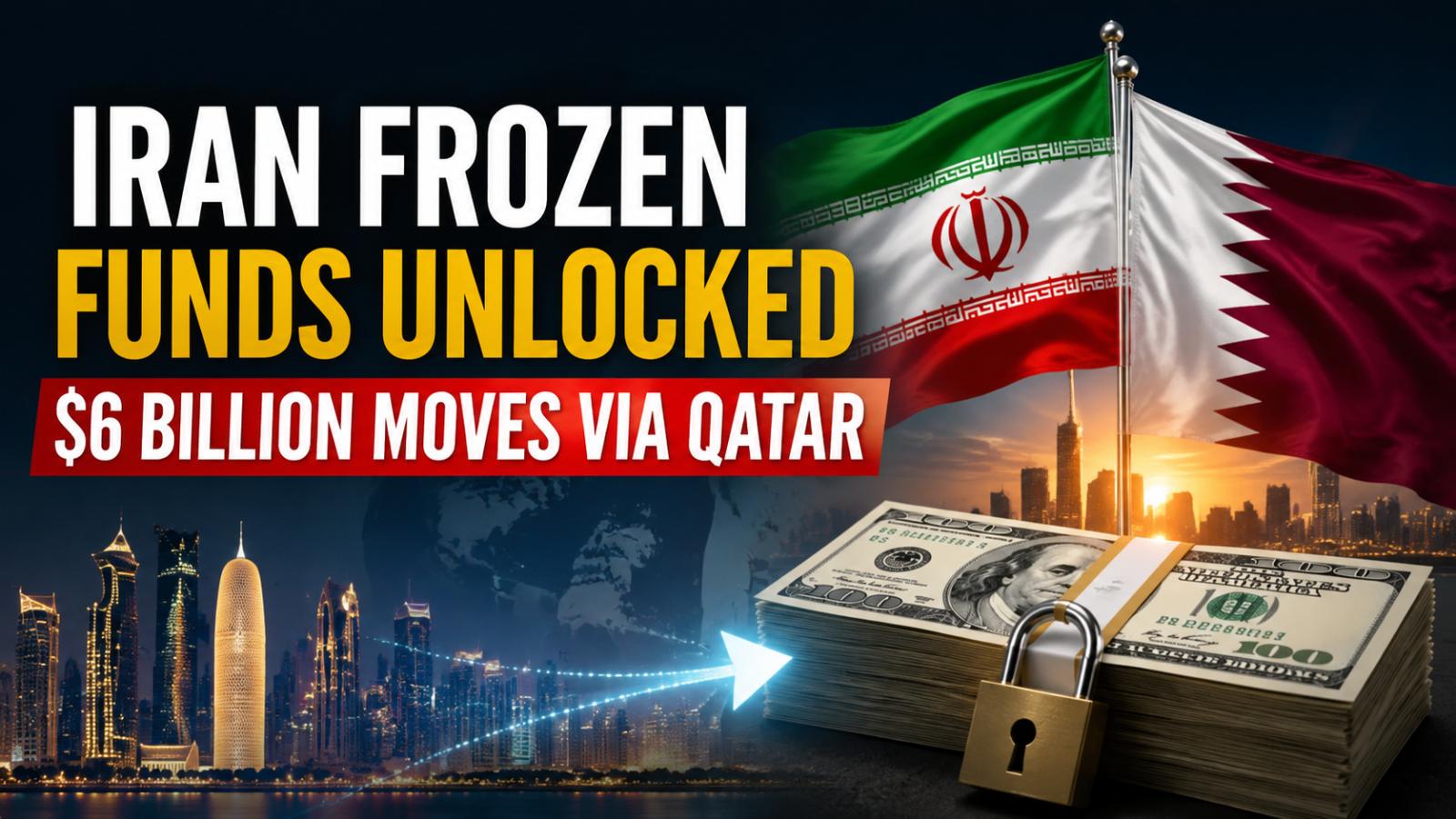
A phased release of long-restricted Iranian financial assets has begun under a monitored arrangement involving Qatar and the United States, marking a cautious shift in ongoing diplomatic engagement. Nearly $6 billion in previously inaccessible funds are being routed through controlled channels in Doha as part of a broader effort to ease financial pressure while maintaining oversight on compliance mechanisms. The development comes after months of indirect discussions aimed at stabilising tensions around energy exports, banking restrictions, and regional security concerns that have shaped Iran’s access to global markets. Structured financial transfer mechanism Officials familiar with the arrangement say the funds are not being released in a single transaction. Instead, they are being moved in stages through designated banking pathways in Qatar under strict monitoring conditions. The approach is designed to reduce systemic risk in international financial networks while allowing gradual access to blocked reserves. Qatar’s role as intermediary has been central due to its established diplomatic communication channels with both Tehran and Washington. The structure reflects an attempt to balance economic relief with regulatory safeguards, particularly in sectors linked to oil and petrochemical revenues that remain under sanctions pressure. Doha’s role in ongoing negotiations The latest financial movement is tied to continuing discussions in Doha, where technical teams are expected to refine implementation details of earlier understandings between involved parties. Qatari mediators have maintained active coordination to ensure communication remains open and to prevent breakdowns in the negotiation process. The talks are viewed as part of a wider diplomatic track that has periodically resurfaced amid regional tensions and shifting geopolitical priorities. While no final settlement has been confirmed, the current phase signals that both sides are still engaging through indirect channels rather than moving toward confrontation. Economic implications remain limited for now The partial release of funds may provide short-term liquidity support for Iran, but analysts caution that it does not represent a full resolution of broader economic constraints. Long-standing sanctions, limited access to global banking systems, and uncertainty in energy trade continue to shape the country’s financial outlook. Any meaningful improvement would depend on sustained diplomatic progress and longer-term policy alignment across negotiating parties. Outlook Qatar’s increasing role as a financial and diplomatic bridge highlights its growing influence in regional mediation efforts. However, the situation remains fluid, with outcomes dependent on how upcoming discussions in Doha evolve and whether trust between negotiating sides can be maintained through successive stages of implementation.


Iran frozen funds begin transfer via Qatar under deal talks
A phased release of long-restricted Iranian financial assets has begun under a monitored arrangement involving Qatar and the United States, marking a cautious shift in ongoing diplomatic engagement. Nearly $6 billion in previously inaccessible funds are being routed through controlled channels in Doha as part of a broader effort to ease financial pressure while maintaining oversight on compliance mechanisms. The development comes after months of indirect discussions aimed at stabilising tensions around energy exports, banking restrictions, and regional security concerns that have shaped Iran’s access to global markets. Structured financial transfer mechanism Officials familiar with the arrangement say the funds are not being released in a single transaction. Instead, they are being moved in stages through designated banking pathways in Qatar under strict monitoring conditions. The approach is designed to reduce systemic risk in international financial networks while allowing gradual access to blocked reserves. Qatar’s role as intermediary has been central due to its established diplomatic communication channels with both Tehran and Washington. The structure reflects an attempt to balance economic relief with regulatory safeguards, particularly in sectors linked to oil and petrochemical revenues that remain under sanctions pressure. Doha’s role in ongoing negotiations The latest financial movement is tied to continuing discussions in Doha, where technical teams are expected to refine implementation details of earlier understandings between involved parties. Qatari mediators have maintained active coordination to ensure communication remains open and to prevent breakdowns in the negotiation process. The talks are viewed as part of a wider diplomatic track that has periodically resurfaced amid regional tensions and shifting geopolitical priorities. While no final settlement has been confirmed, the current phase signals that both sides are still engaging through indirect channels rather than moving toward confrontation. Economic implications remain limited for now The partial release of funds may provide short-term liquidity support for Iran, but analysts caution that it does not represent a full resolution of broader economic constraints. Long-standing sanctions, limited access to global banking systems, and uncertainty in energy trade continue to shape the country’s financial outlook. Any meaningful improvement would depend on sustained diplomatic progress and longer-term policy alignment across negotiating parties. Outlook Qatar’s increasing role as a financial and diplomatic bridge highlights its growing influence in regional mediation efforts. However, the situation remains fluid, with outcomes dependent on how upcoming discussions in Doha evolve and whether trust between negotiating sides can be maintained through successive stages of implementation.
How maritime tensions are affecting LPG transport and fuel prices
Rising concerns around LPG supply and transport Recent disruptions in global shipping routes have sparked renewed public concern about LPG availability and pricing in several markets. While speculation often increases during periods of geopolitical tension, the actual movement of liquefied petroleum gas depends on a tightly controlled logistics system involving specia
How maritime tensions are affecting LPG transport and fuel prices
Rising concerns around LPG supply and transport Recent disruptions in global shipping routes have sparked renewed public concern about LPG availability and pricing in several markets. While speculation often increases during periods of geopolitical tension, the actual movement of liquefied petroleum gas depends on a tightly controlled logistics system involving specia
Iran proposal on shipping charges draws US criticism
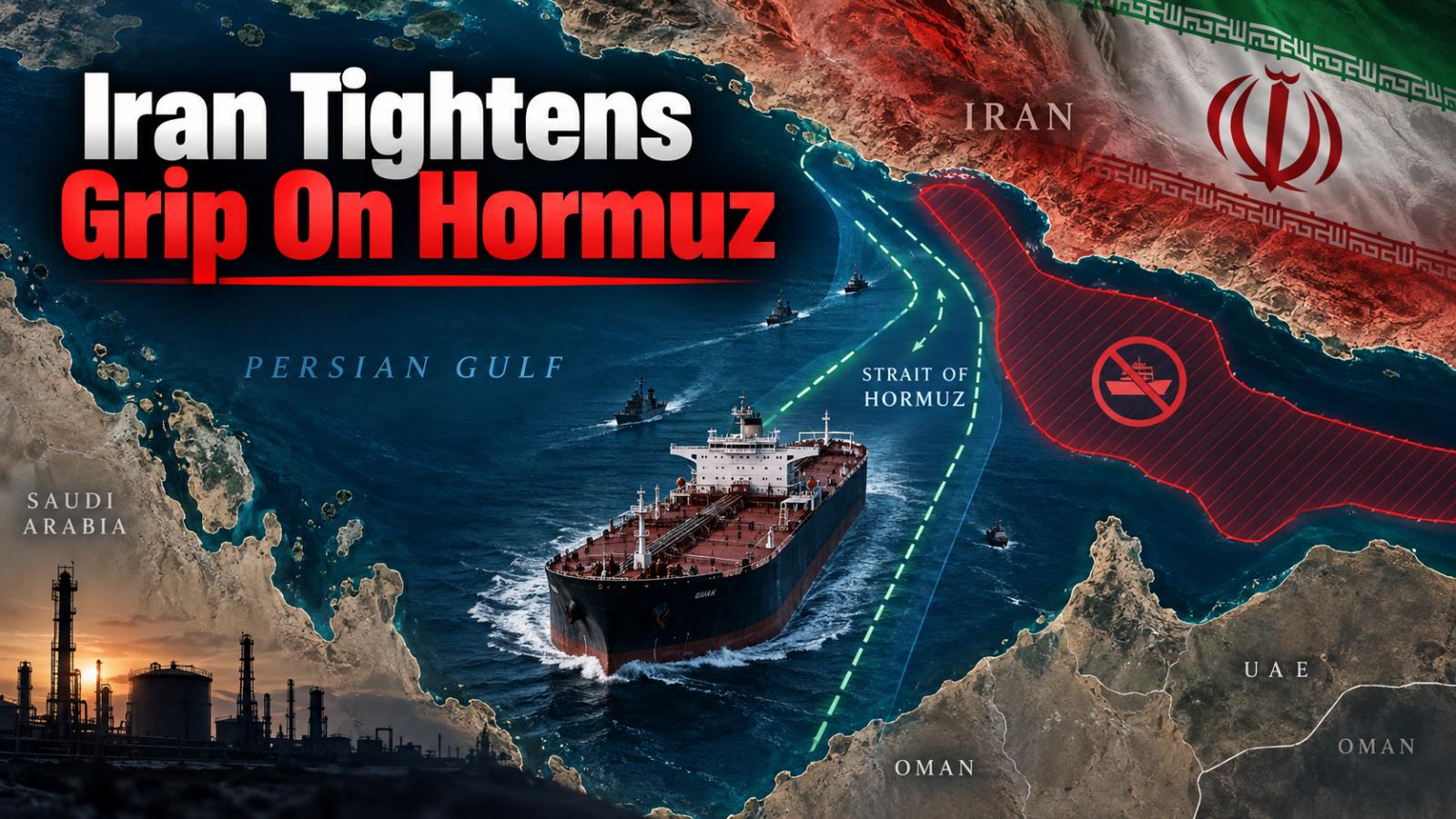
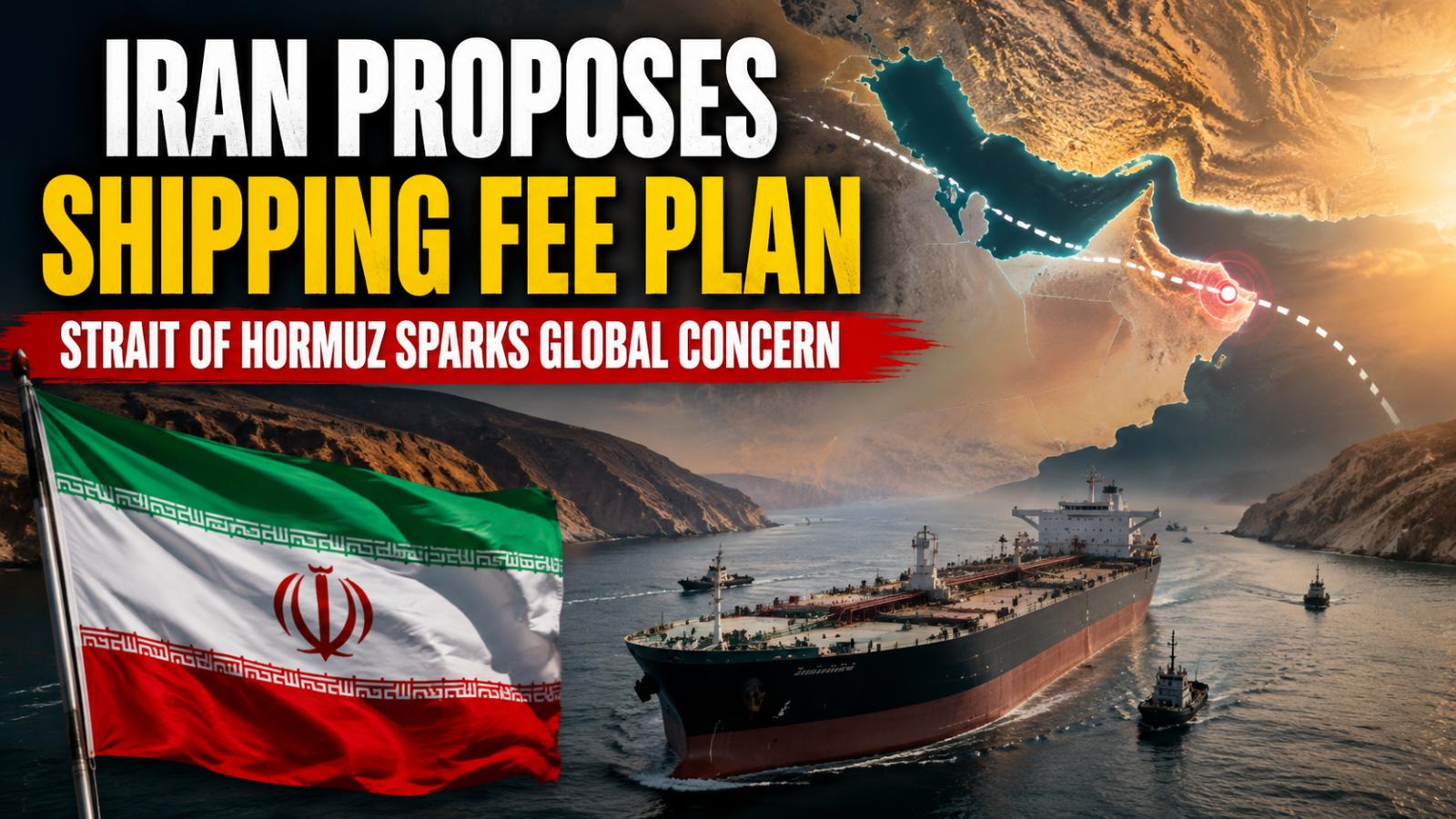
A proposal linked to Iran suggesting charges on vessels passing through the Strait of Hormuz has triggered renewed international attention on one of the world’s most sensitive maritime corridors. The passage connects the Persian Gulf to open oceans and handles a major share of global crude oil shipments, making even minor policy changes capable of influencing energy markets. Proposed fee structure and stated objectives The idea under discussion involves introducing a structured fee system for ships using the route. The proposal frames the charges as payments for services such as navigation safety, maritime monitoring, and environmental management. Early estimates circulating in policy discussions suggest the mechanism could generate substantial annual revenue if implemented at scale. However, the concept also raises immediate legal and operational questions, particularly regarding jurisdiction over international waters and the practicality of enforcing such a system on heavily trafficked global shipping lanes. Regional outreach and diplomatic positioning Reports indicate that discussions around the proposal have included outreach to several regional and global stakeholders, including major energy-importing nations. The objective appears to be building support for a shared governance or cost-sharing model for maritime traffic management in the region. Some interpretations suggest the plan is part of a broader effort to increase regional leverage over strategic trade routes. Others view it as an attempt to formalize compensation mechanisms for security responsibilities in a highly militarized shipping corridor. International reaction and US opposition The proposal has drawn clear resistance from the United States, which maintains that key international waterways must remain free for unrestricted commercial passage. US officials argue that introducing toll-like systems could disrupt global supply chains and increase volatility in energy pricing. Concerns have also been raised by other maritime stakeholders who rely heavily on stable passage through the Strait of Hormuz for crude oil and liquefied natural gas transport. Any change in cost structure or transit policy is seen as having a direct impact on insurance premiums and shipping routes. Wider implications for global energy markets The debate comes at a time when global energy markets remain highly sensitive to geopolitical developments in the Gulf region. Even the perception of restricted access or added transit costs can influence oil price expectations and shipping risk assessments. Analysts note that the discussion highlights ongoing tensions between strategic control of critical chokepoints and the principle of open international navigation. The outcome of such proposals could shape future frameworks governing global energy transport corridors.
Iran proposal on shipping charges draws US criticism
A proposal linked to Iran suggesting charges on vessels passing through the Strait of Hormuz has triggered renewed international attention on one of the world’s most sensitive maritime corridors. The passage connects the Persian Gulf to open oceans and handles a major share of global crude oil shipments, making even minor policy changes capable of influencing energy markets. Proposed fee structure and stated objectives The idea under discussion involves introducing a structured fee system for ships using the route. The proposal frames the charges as payments for services such as navigation safety, maritime monitoring, and environmental management. Early estimates circulating in policy discussions suggest the mechanism could generate substantial annual revenue if implemented at scale. However, the concept also raises immediate legal and operational questions, particularly regarding jurisdiction over international waters and the practicality of enforcing such a system on heavily trafficked global shipping lanes. Regional outreach and diplomatic positioning Reports indicate that discussions around the proposal have included outreach to several regional and global stakeholders, including major energy-importing nations. The objective appears to be building support for a shared governance or cost-sharing model for maritime traffic management in the region. Some interpretations suggest the plan is part of a broader effort to increase regional leverage over strategic trade routes. Others view it as an attempt to formalize compensation mechanisms for security responsibilities in a highly militarized shipping corridor. International reaction and US opposition The proposal has drawn clear resistance from the United States, which maintains that key international waterways must remain free for unrestricted commercial passage. US officials argue that introducing toll-like systems could disrupt global supply chains and increase volatility in energy pricing. Concerns have also been raised by other maritime stakeholders who rely heavily on stable passage through the Strait of Hormuz for crude oil and liquefied natural gas transport. Any change in cost structure or transit policy is seen as having a direct impact on insurance premiums and shipping routes. Wider implications for global energy markets The debate comes at a time when global energy markets remain highly sensitive to geopolitical developments in the Gulf region. Even the perception of restricted access or added transit costs can influence oil price expectations and shipping risk assessments. Analysts note that the discussion highlights ongoing tensions between strategic control of critical chokepoints and the principle of open international navigation. The outcome of such proposals could shape future frameworks governing global energy transport corridors.
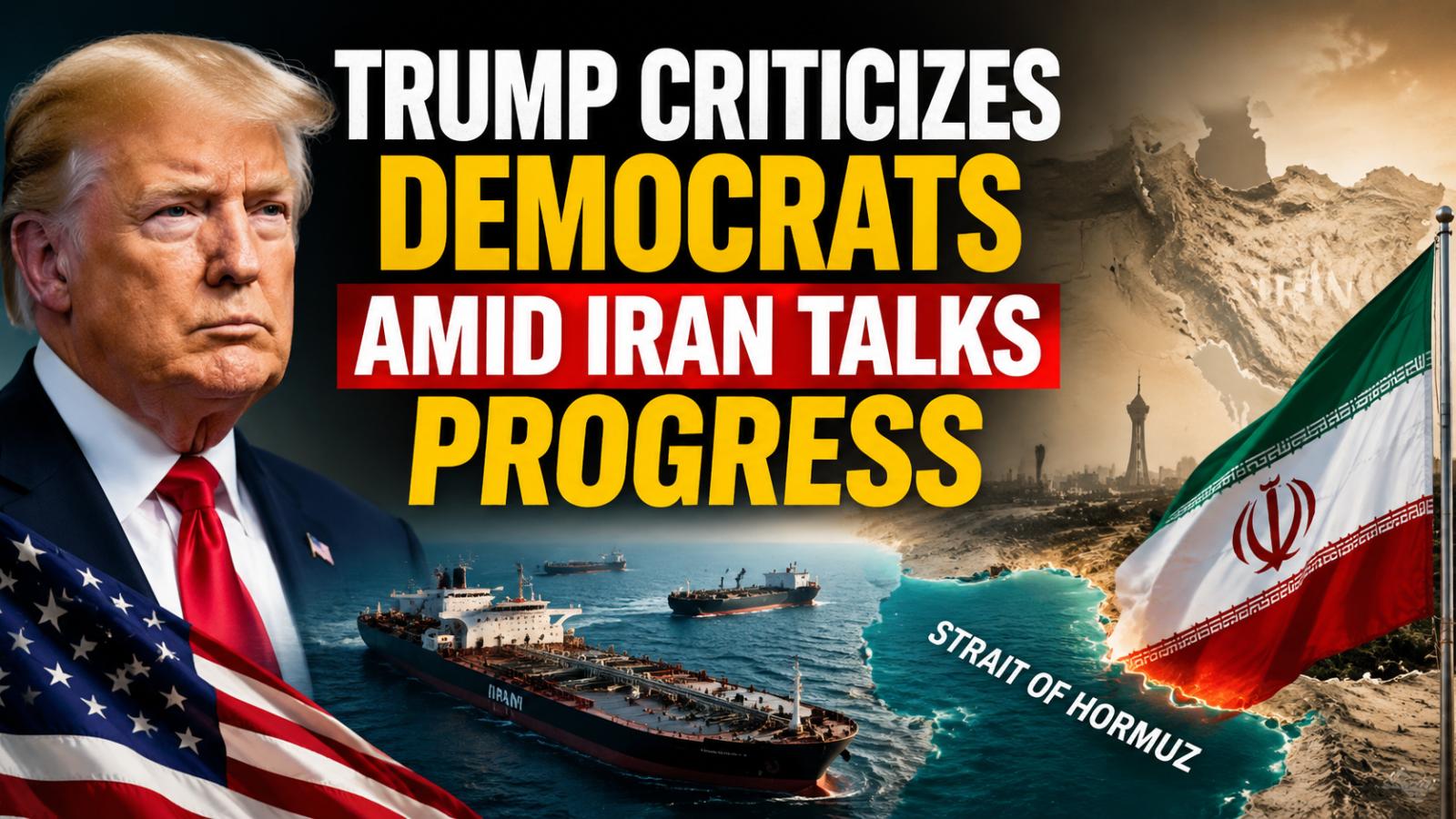
Trump criticizes Democrats amid Iran talks progress
US President Donald Trump intensified political debate around ongoing Iran negotiations while addressing broader security and trade concerns tied to global energy routes. Speaking alongside NATO Secretary General Mark Rutte, he presented the current stage of Iran discussions as advancing, while sharply criticizing domestic political opponents for their foreign policy stance. I
Trump criticizes Democrats amid Iran talks progress
US President Donald Trump intensified political debate around ongoing Iran negotiations while addressing broader security and trade concerns tied to global energy routes. Speaking alongside NATO Secretary General Mark Rutte, he presented the current stage of Iran discussions as advancing, while sharply criticizing domestic political opponents for their foreign policy stance. I
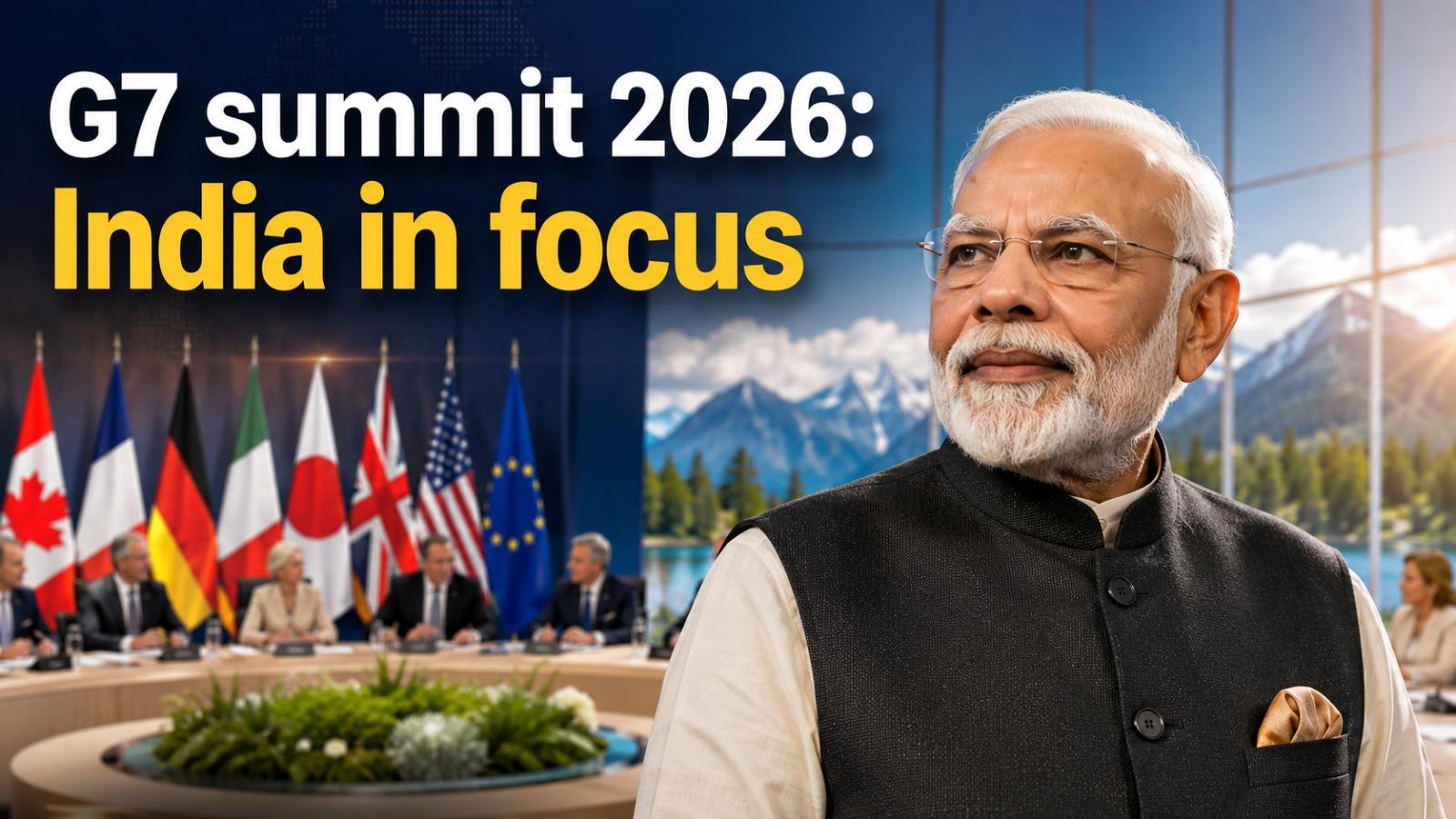
G7 summit 2026 highlights India’s global role
The G7 summit 2026 opened in Évian-les-Bains, France, with leaders gathering for discussions on global economic pressure, trade stability, artificial intelligence, energy security, climate action and geopolitical tensions. India’s participation has drawn major attention as Prime Minister Narendra Modi is expected to present New Delhi’s priorities before some of the world’s most influential economies. Although India is not a G7 membe
G7 summit 2026 highlights India’s global role
The G7 summit 2026 opened in Évian-les-Bains, France, with leaders gathering for discussions on global economic pressure, trade stability, artificial intelligence, energy security, climate action and geopolitical tensions. India’s participation has drawn major attention as Prime Minister Narendra Modi is expected to present New Delhi’s priorities before some of the world’s most influential economies. Although India is not a G7 membe
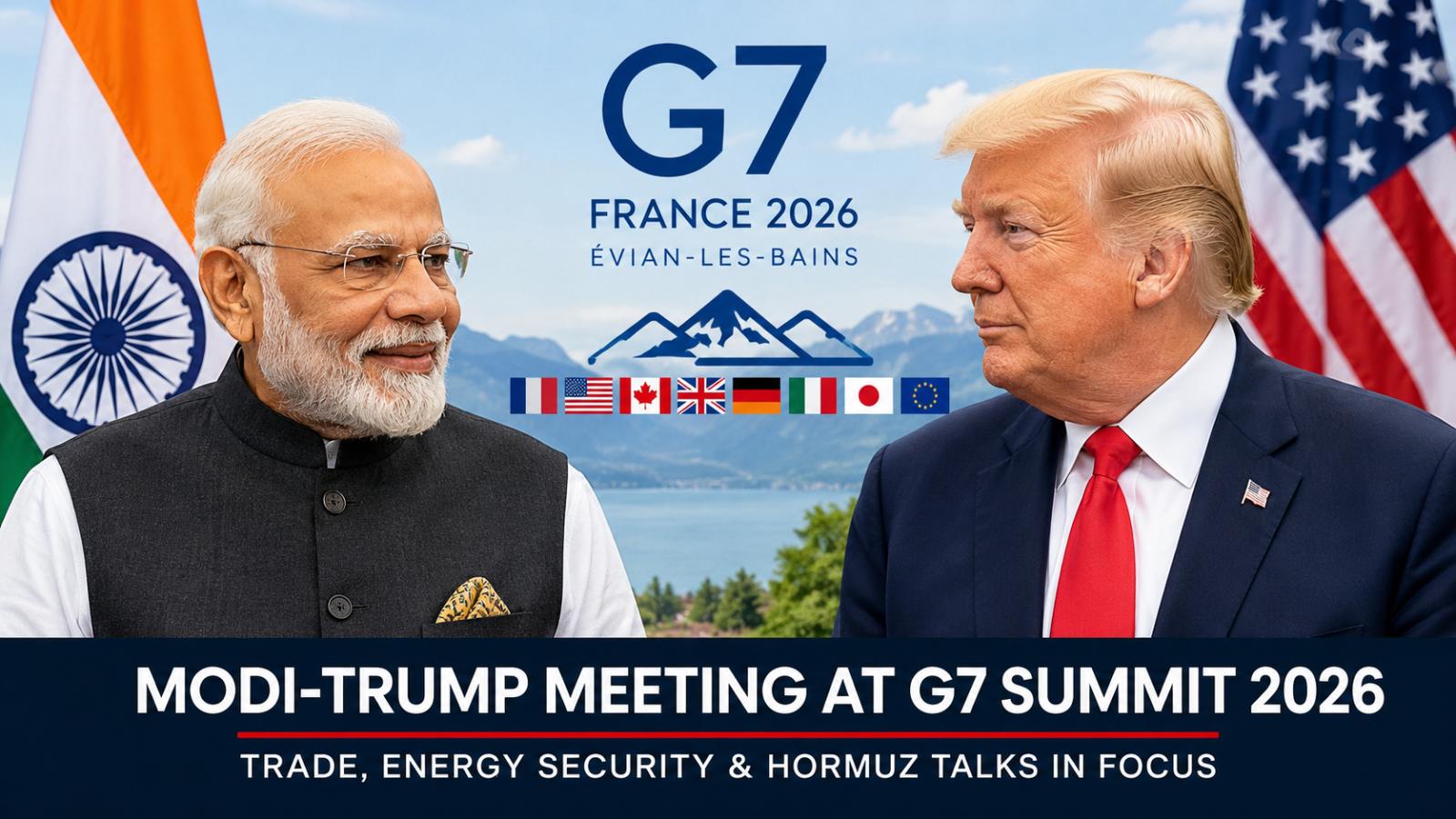
Modi-Trump G7 Meeting 2026: Trade, Hormuz Talks in Focus
Prime Minister Narendra Modi and U.S. President Donald Trump are expected to meet during the 2026 G7 summit in Évian-les-Bains, France, with trade likely to lead their bilateral agenda and Strait of Hormuz security shaping wider summit discussions. The Modi-Trump G7 meeting 2026 comes as Washington and New Delhi continue negotiations over a possible trade agreement. A senior U.S. administration official said the leaders would review the progress of those talks, although a final agr
Modi-Trump G7 Meeting 2026: Trade, Hormuz Talks in Focus
Prime Minister Narendra Modi and U.S. President Donald Trump are expected to meet during the 2026 G7 summit in Évian-les-Bains, France, with trade likely to lead their bilateral agenda and Strait of Hormuz security shaping wider summit discussions. The Modi-Trump G7 meeting 2026 comes as Washington and New Delhi continue negotiations over a possible trade agreement. A senior U.S. administration official said the leaders would review the progress of those talks, although a final agr
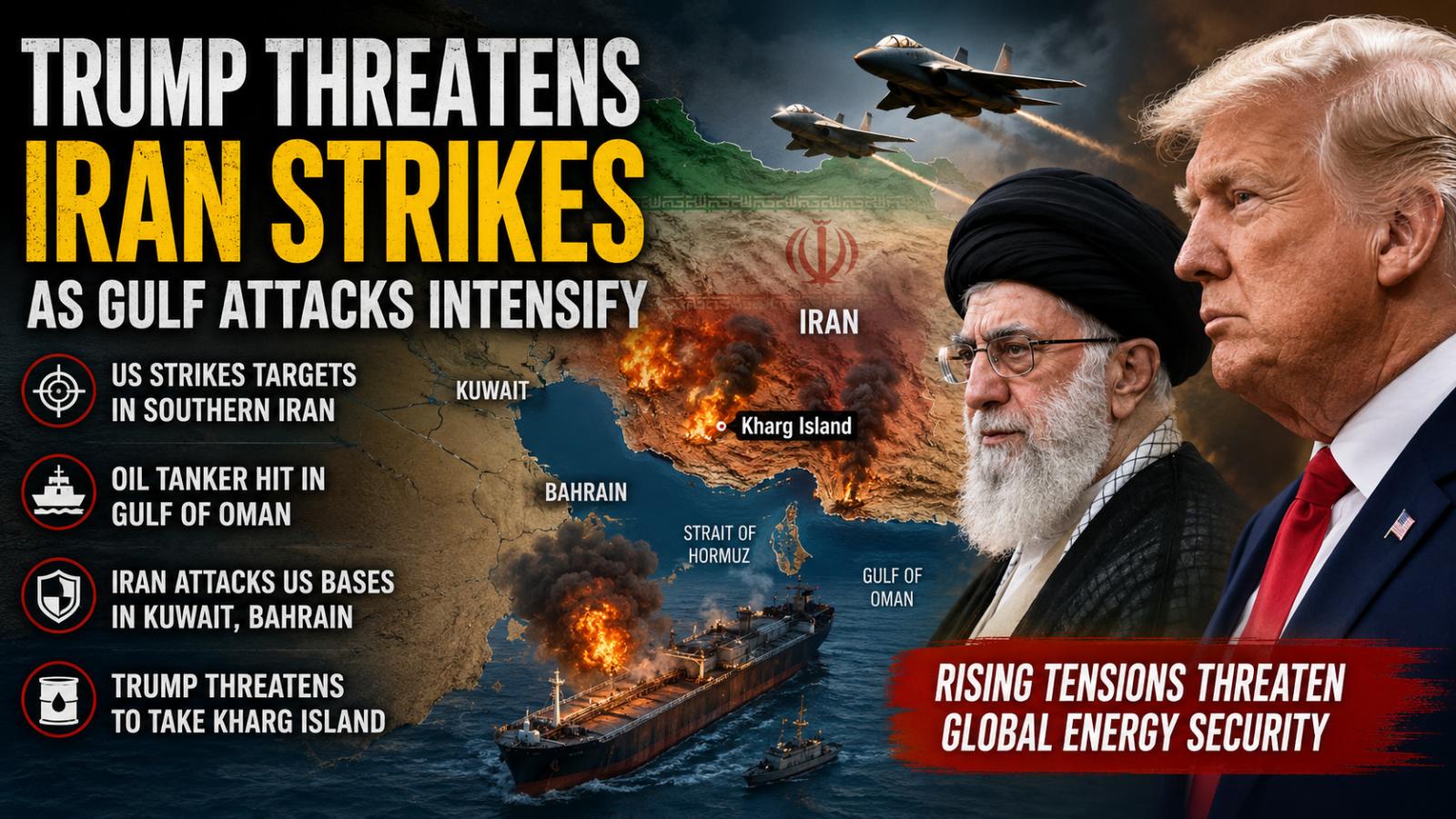
Trump Threatens Kharg Island as US-Iran Gulf Attacks Escalate
Trump threatened Iran’s Kharg Island as US-Iran Gulf attacks intensified across oil routes, tankers and military targets, raising new risks for regional security and global energy markets. President Donald Trump said the United States would hit Iran “very hard” and threatened to take Kharg Island, a key hub in Iran’s oil economy, as Washington increased pressure on Tehran to shut down its nuclear program and accept a peace deal. US-Iran Gu
Trump Threatens Kharg Island as US-Iran Gulf Attacks Escalate
Trump threatened Iran’s Kharg Island as US-Iran Gulf attacks intensified across oil routes, tankers and military targets, raising new risks for regional security and global energy markets. President Donald Trump said the United States would hit Iran “very hard” and threatened to take Kharg Island, a key hub in Iran’s oil economy, as Washington increased pressure on Tehran to shut down its nuclear program and accept a peace deal. US-Iran Gu
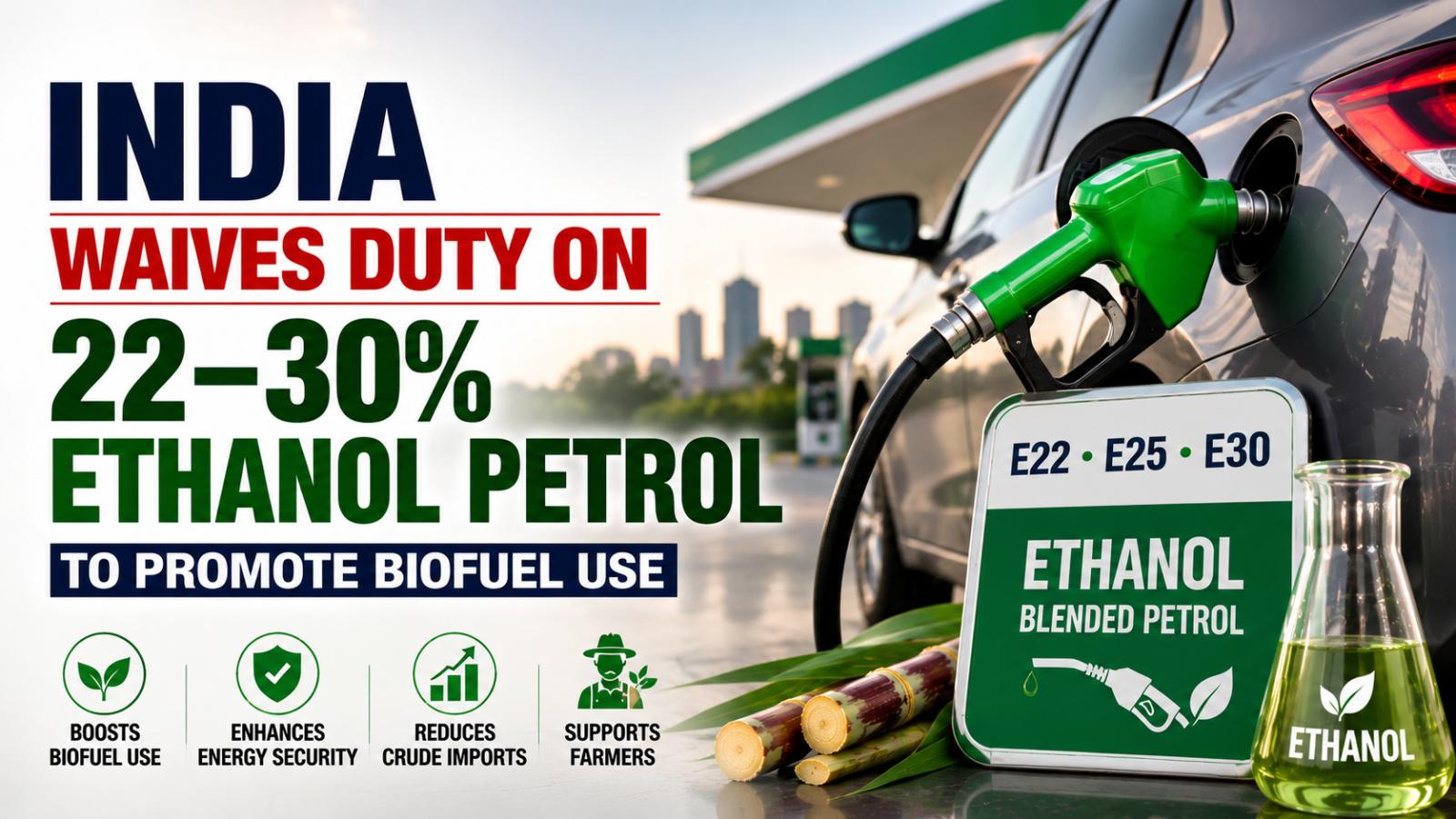
India Removes Excise Duty On 22% to 30% Ethanol Petrol to Push Biofuels
India has removed central excise duty on petrol blended with 22% to 30% ethanol, marking a major policy step in its long-term biofuel and energy transition strategy. The exemption applies to higher ethanol petrol blends commonly known as E22, E25 and E30. By removing the tax burden on these fuel mixes, the government aims to encourage wider production and adoption of ethanol-rich petrol, support domestic biofuel manufacturing and reduce India’s dependence on imported c
India Removes Excise Duty On 22% to 30% Ethanol Petrol to Push Biofuels
India has removed central excise duty on petrol blended with 22% to 30% ethanol, marking a major policy step in its long-term biofuel and energy transition strategy. The exemption applies to higher ethanol petrol blends commonly known as E22, E25 and E30. By removing the tax burden on these fuel mixes, the government aims to encourage wider production and adoption of ethanol-rich petrol, support domestic biofuel manufacturing and reduce India’s dependence on imported c
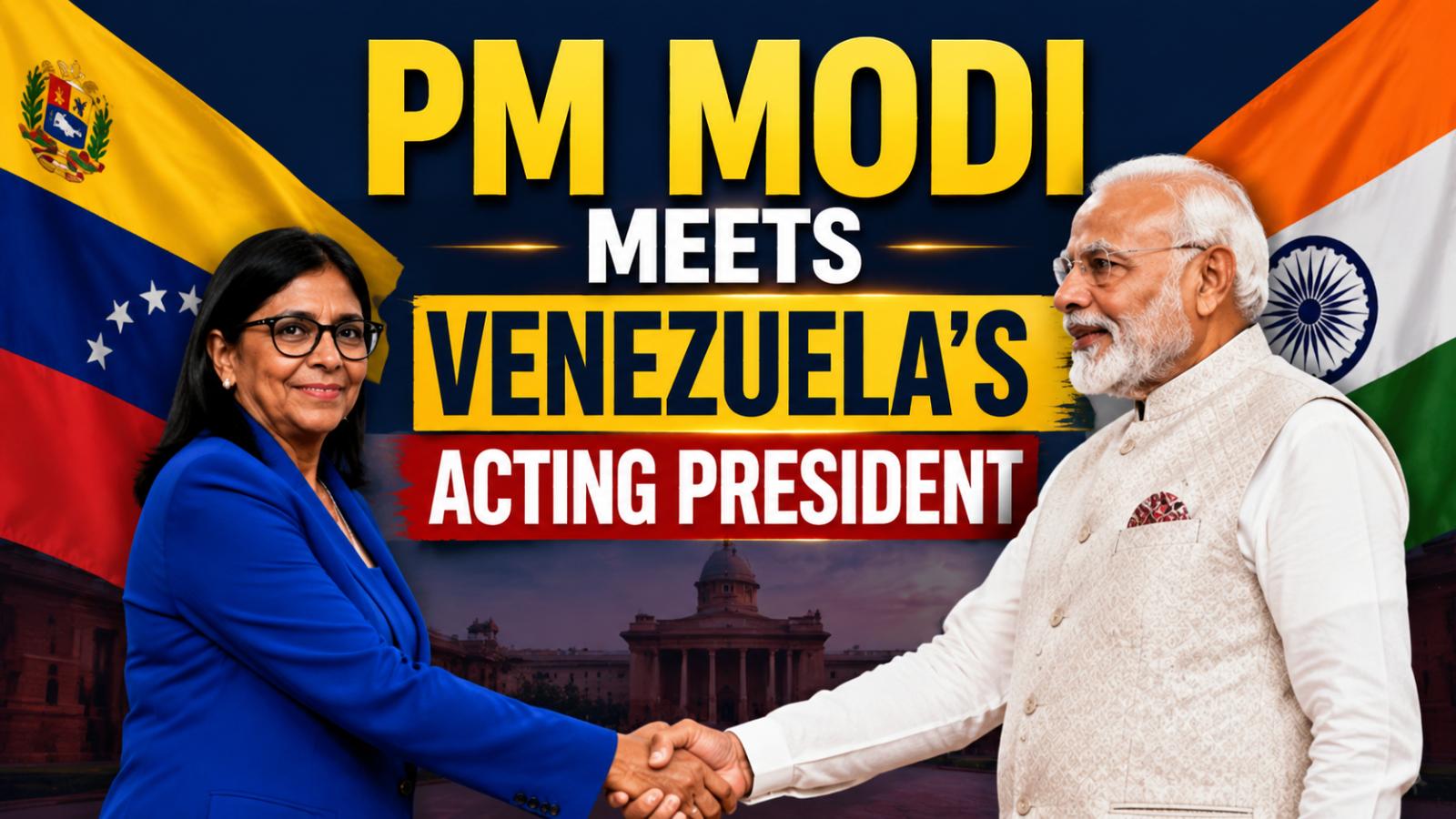
PM Modi Meets Venezuela Acting President to Boost Bilateral Ties
Strengthening India-Venezuela Relations Prime Minister Narendra Modi held a high-level meeting with Venezuela's Acting President Delcy Rodriguez in New Delhi on Thursday. The meeting took place at Hyderabad House, where both leaders discussed the full spectrum of India-Venezuela relations. Key focus areas included energy security, trade and investment, pharmaceuticals, healthcare, transportation, and renewabl
PM Modi Meets Venezuela Acting President to Boost Bilateral Ties
Strengthening India-Venezuela Relations Prime Minister Narendra Modi held a high-level meeting with Venezuela's Acting President Delcy Rodriguez in New Delhi on Thursday. The meeting took place at Hyderabad House, where both leaders discussed the full spectrum of India-Venezuela relations. Key focus areas included energy security, trade and investment, pharmaceuticals, healthcare, transportation, and renewabl
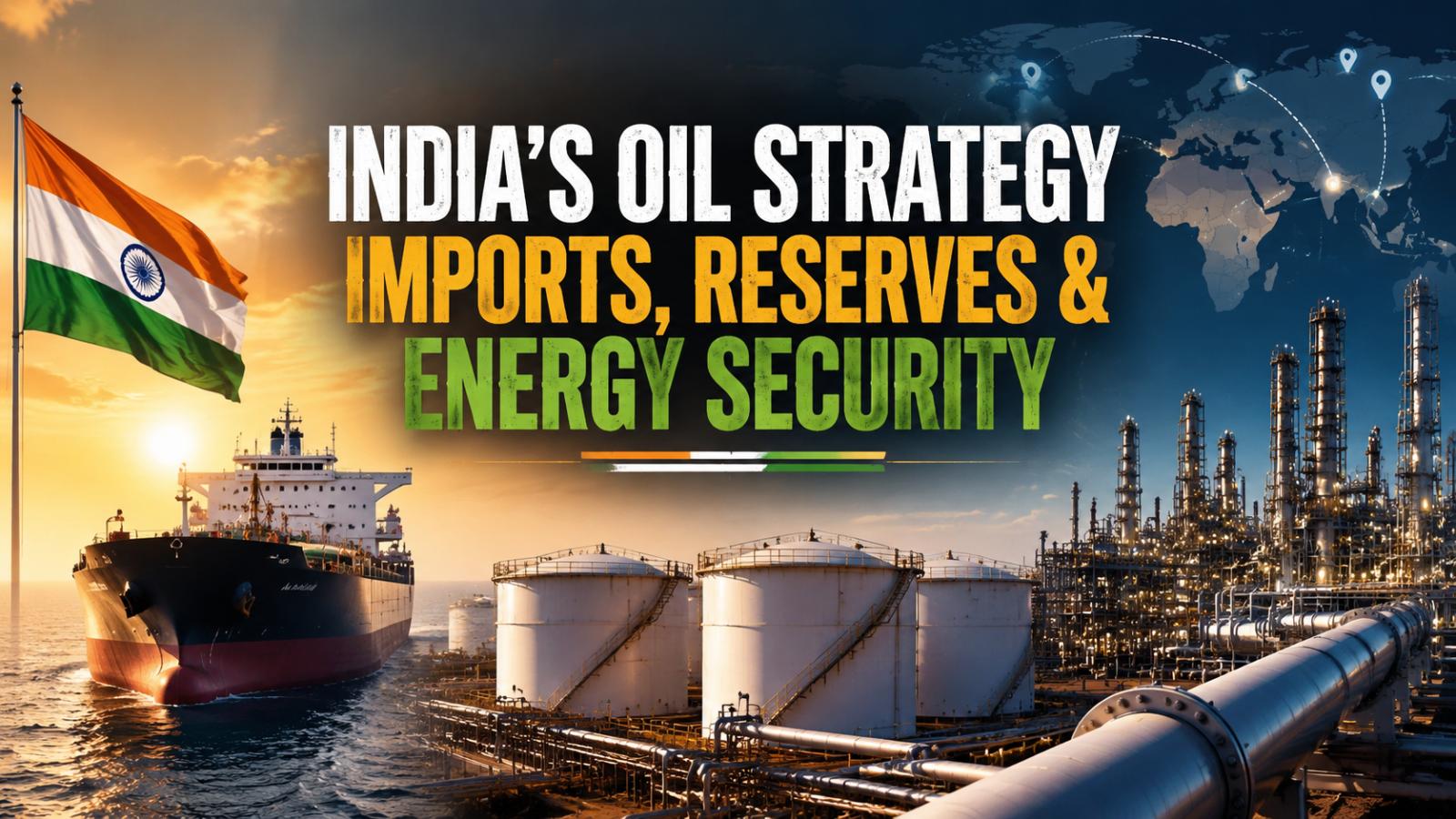
India’s Crude Oil Strategy and Storage Explained
India relies heavily on imported crude oil, with domestic production covering only 10–15% of demand. Historically dependent on Middle Eastern oil, India is now sourcing crude from the U.S., West Africa, and Russia to reduce vulnerability to geopolitical risks. Very Large Crude Carriers (VLCCs) transport oil in shipments of 200,000–300,000 DWT to key ports on the west coast—Mumbai, Mundra, Kandla, Jamnagar—and east coast—Paradip, Visakhapatnam, Chennai. From ports, extensive pipeline
India’s Crude Oil Strategy and Storage Explained
India relies heavily on imported crude oil, with domestic production covering only 10–15% of demand. Historically dependent on Middle Eastern oil, India is now sourcing crude from the U.S., West Africa, and Russia to reduce vulnerability to geopolitical risks. Very Large Crude Carriers (VLCCs) transport oil in shipments of 200,000–300,000 DWT to key ports on the west coast—Mumbai, Mundra, Kandla, Jamnagar—and east coast—Paradip, Visakhapatnam, Chennai. From ports, extensive pipeline
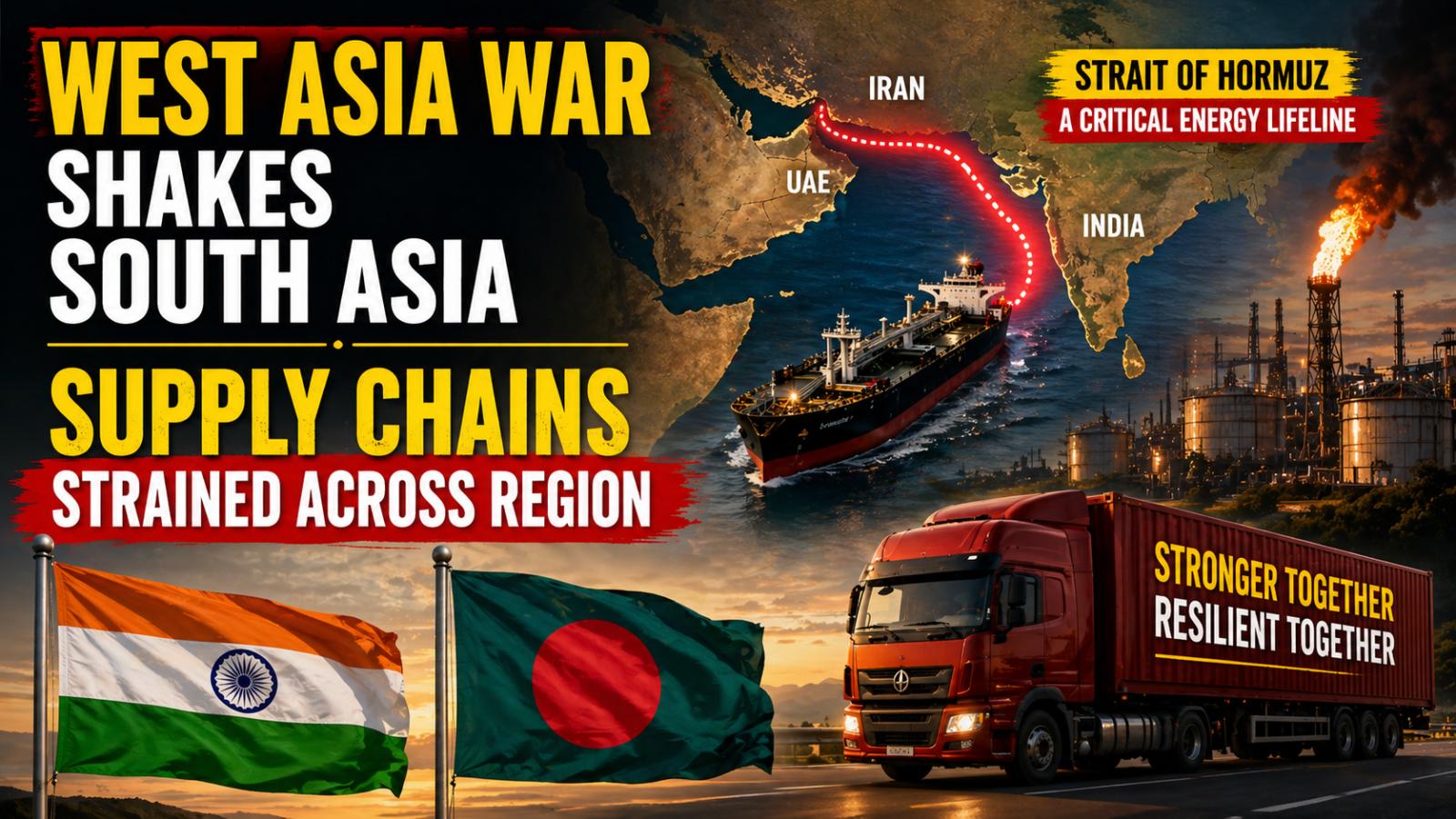
How has the West Asia war disrupted South Asia? Supply chains strained across region
The war in West Asia and disruptions in the Strait of Hormuz have triggered widespread supply chain instability across South Asia, affecting energy security, economic stability, and regional cooperation. Countries across the subcontinent, heavily reliant on hydrocarbon imports from West Asia, are facing rising costs, reduced industrial competitiveness, and increased household expenditures as critical supply routes remain constrained. Fuel shortages and economic strain acros
How has the West Asia war disrupted South Asia? Supply chains strained across region
The war in West Asia and disruptions in the Strait of Hormuz have triggered widespread supply chain instability across South Asia, affecting energy security, economic stability, and regional cooperation. Countries across the subcontinent, heavily reliant on hydrocarbon imports from West Asia, are facing rising costs, reduced industrial competitiveness, and increased household expenditures as critical supply routes remain constrained. Fuel shortages and economic strain acros
Can India benefit from UAE exiting OPEC? Yes, through better crude access and pricing
UAE’s exit from OPEC may boost oil supply, ease prices, and strengthen India energy ties, while raising volatility risks in global markets amid geopolitical tensions. Will UAE leaving OPEC lower oil prices? Yes, it could ease global supply pressure as the United Arab Emirates prepares to formally exit Organization of the Petroleum Exporting Countries and OPEC+ on May 1,
Can India benefit from UAE exiting OPEC? Yes, through better crude access and pricing
UAE’s exit from OPEC may boost oil supply, ease prices, and strengthen India energy ties, while raising volatility risks in global markets amid geopolitical tensions. Will UAE leaving OPEC lower oil prices? Yes, it could ease global supply pressure as the United Arab Emirates prepares to formally exit Organization of the Petroleum Exporting Countries and OPEC+ on May 1,
Multiple refinery fires worldwide spark investigations and security concerns
A series of fires and explosions at oil refineries across multiple countries has raised global concerns about energy security as geopolitical tensions escalate following the Middle East conflict that began on Friday, February 28, 2026. Incidents have been reported in India, Iraq, the United States, Mexico, Ecuador, and Australia over a span of approximately 50 days, prompting investigations and speculation about possible underlying causes. In India, a major fire broke out at the Hindu
Multiple refinery fires worldwide spark investigations and security concerns
A series of fires and explosions at oil refineries across multiple countries has raised global concerns about energy security as geopolitical tensions escalate following the Middle East conflict that began on Friday, February 28, 2026. Incidents have been reported in India, Iraq, the United States, Mexico, Ecuador, and Australia over a span of approximately 50 days, prompting investigations and speculation about possible underlying causes. In India, a major fire broke out at the Hindu
UK hosts global talks on Hormuz security amid Iran-US tensions
Britain is hosting senior military planners from more than 30 countries at the UK Permanent Joint Headquarters for high-level discussions on securing the Strait of Hormuz, a critical global oil transit route. The two-day meeting in northwest London, being held from April 22 to April 23, 2026, aims to advance a multinational maritime security initiative jointly led by the United Kingdom and France, following earlier consultations involving over 40 nations chaired by Keir Starmer and Emmanuel M
UK hosts global talks on Hormuz security amid Iran-US tensions
Britain is hosting senior military planners from more than 30 countries at the UK Permanent Joint Headquarters for high-level discussions on securing the Strait of Hormuz, a critical global oil transit route. The two-day meeting in northwest London, being held from April 22 to April 23, 2026, aims to advance a multinational maritime security initiative jointly led by the United Kingdom and France, following earlier consultations involving over 40 nations chaired by Keir Starmer and Emmanuel M
Trump Administration Reverses Russian Oil Sanctions Waiver Decision
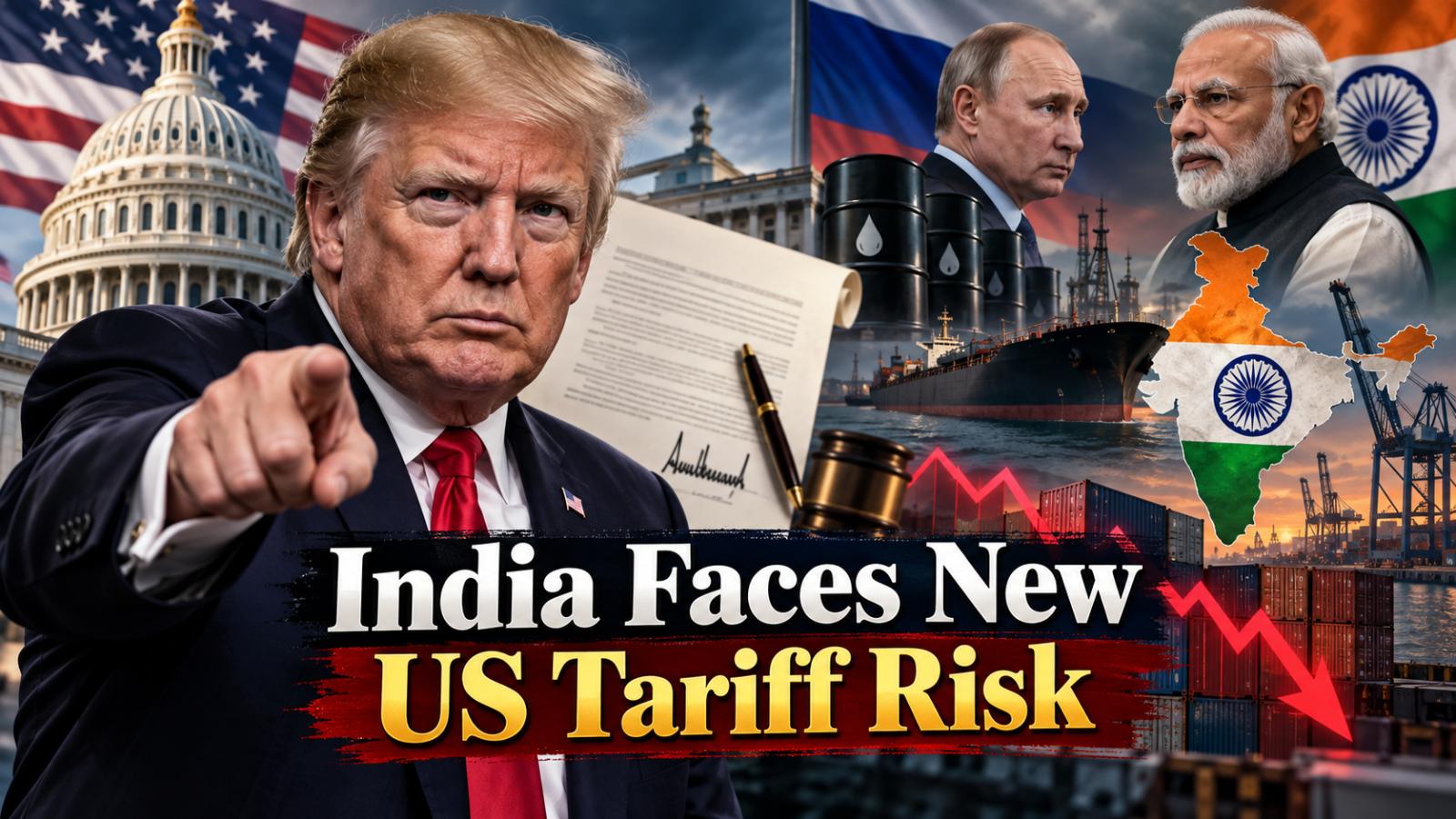
The United States has issued a fresh month-long sanctions waiver permitting transactions involving Russian crude oil already in transit, marking a notable policy reversal within days of signaling a stricter stance. The waiver allows purchases of oil loaded onto vessels as of April 17 to continue until May 16, providing limited flexibility to global buyers amid ongoing disruptions in the energy market. The decision comes shortly after earlier statements ruled out any extension, highlighting the pressure created by rising fuel costs and tightening supply conditions. With gasoline prices climbing and geopolitical tensions affecting key supply routes, the move reflects an effort to stabilize markets rather than signal a broader policy shift. Importantly, the waiver applies only to cargo already at sea and does not authorize new purchases, reinforcing its temporary and targeted nature. For India, one of the largest importers of Russian crude, the extension offers short-term operational relief. Russian supplies currently account for nearly 38 to 40 percent of India’s total crude imports, making them a critical component of the country’s energy mix. Given that India relies on imports for more than 88 percent of its energy needs, even minor disruptions can have significant economic implications. Indian refiners had previously indicated their intent to continue sourcing Russian oil regardless of external sanctions frameworks, emphasizing that energy procurement remains a sovereign decision. The waiver, however, reduces immediate logistical and financial uncertainties by ensuring smoother completion of shipments already underway. As geopolitical tensions continue to reshape global energy flows, the temporary waiver underscores the balancing act between policy objectives and market realities. For India, it reinforces the importance of maintaining diversified supply channels while navigating an increasingly complex international energy landscape.
Trump Administration Reverses Russian Oil Sanctions Waiver Decision
The United States has issued a fresh month-long sanctions waiver permitting transactions involving Russian crude oil already in transit, marking a notable policy reversal within days of signaling a stricter stance. The waiver allows purchases of oil loaded onto vessels as of April 17 to continue until May 16, providing limited flexibility to global buyers amid ongoing disruptions in the energy market. The decision comes shortly after earlier statements ruled out any extension, highlighting the pressure created by rising fuel costs and tightening supply conditions. With gasoline prices climbing and geopolitical tensions affecting key supply routes, the move reflects an effort to stabilize markets rather than signal a broader policy shift. Importantly, the waiver applies only to cargo already at sea and does not authorize new purchases, reinforcing its temporary and targeted nature. For India, one of the largest importers of Russian crude, the extension offers short-term operational relief. Russian supplies currently account for nearly 38 to 40 percent of India’s total crude imports, making them a critical component of the country’s energy mix. Given that India relies on imports for more than 88 percent of its energy needs, even minor disruptions can have significant economic implications. Indian refiners had previously indicated their intent to continue sourcing Russian oil regardless of external sanctions frameworks, emphasizing that energy procurement remains a sovereign decision. The waiver, however, reduces immediate logistical and financial uncertainties by ensuring smoother completion of shipments already underway. As geopolitical tensions continue to reshape global energy flows, the temporary waiver underscores the balancing act between policy objectives and market realities. For India, it reinforces the importance of maintaining diversified supply channels while navigating an increasingly complex international energy landscape.
India’s renewable energy growth reduces impact of global oil shocks
As geopolitical tensions in West Asia continue to disrupt global oil and gas markets, India is showing greater structural resilience compared with past crises, driven by a steady shift in how it produces and consumes energy. Data published in the Reserve Bank of India’s March Bulletin indicates that renewable sources accounted for 26.4 percent of India’s total electricity generation as of January 2026, rising from 22.1 percent in January 2025. This increase reflects a broader tran
India’s renewable energy growth reduces impact of global oil shocks
As geopolitical tensions in West Asia continue to disrupt global oil and gas markets, India is showing greater structural resilience compared with past crises, driven by a steady shift in how it produces and consumes energy. Data published in the Reserve Bank of India’s March Bulletin indicates that renewable sources accounted for 26.4 percent of India’s total electricity generation as of January 2026, rising from 22.1 percent in January 2025. This increase reflects a broader tran
US signals readiness to strike Iran energy sector amid ceasefire tensions
WASHINGTON — The United States signaled a heightened military posture toward Iran on Thursday, April 16, 2026, as senior defense officials warned that U.S. forces are prepared to strike Iran’s energy infrastructure if directed by the president. Speaking in Washington, Defense Secretary Pete Hegseth said current U.S. actions, including a naval blockade, reflect what he described as restrained measures during an ongoing ceasefire period. He emphasized that Iran faces critical decisi
US signals readiness to strike Iran energy sector amid ceasefire tensions
WASHINGTON — The United States signaled a heightened military posture toward Iran on Thursday, April 16, 2026, as senior defense officials warned that U.S. forces are prepared to strike Iran’s energy infrastructure if directed by the president. Speaking in Washington, Defense Secretary Pete Hegseth said current U.S. actions, including a naval blockade, reflect what he described as restrained measures during an ongoing ceasefire period. He emphasized that Iran faces critical decisi
Russia signals unlimited energy supply to India, ambassador says
Russia has signaled its readiness to expand energy exports to India, reinforcing a long-standing strategic partnership that continues to evolve across multiple sectors. In remarks made during a recent interaction, Russian Ambassador to India Denis Alipov emphasized Moscow’s willingness to supply “as much energy as India wants,” underscoring the central role of energy cooperation in bilateral ties. Alipov also pointed to upcoming high-level engagements that are expected to furthe
Russia signals unlimited energy supply to India, ambassador says
Russia has signaled its readiness to expand energy exports to India, reinforcing a long-standing strategic partnership that continues to evolve across multiple sectors. In remarks made during a recent interaction, Russian Ambassador to India Denis Alipov emphasized Moscow’s willingness to supply “as much energy as India wants,” underscoring the central role of energy cooperation in bilateral ties. Alipov also pointed to upcoming high-level engagements that are expected to furthe
India maintains oil imports strategy as West Asia conflict disrupts global shipping routes
India reaffirmed its strategy of sourcing oil from a wide range of suppliers to safeguard its energy needs amid ongoing geopolitical tensions affecting global trade routes. Speaking at an inter-ministerial briefing in New Delhi on Wednesday, April 15, 2026, at 6:29 PM IST, Ministry of External Affairs spokesperson Randhir Jaiswal emphasized that the country’s approach is guided by the need to ensure energy security for its population of 1.4 billion while adapting to evolving internati
India maintains oil imports strategy as West Asia conflict disrupts global shipping routes
India reaffirmed its strategy of sourcing oil from a wide range of suppliers to safeguard its energy needs amid ongoing geopolitical tensions affecting global trade routes. Speaking at an inter-ministerial briefing in New Delhi on Wednesday, April 15, 2026, at 6:29 PM IST, Ministry of External Affairs spokesperson Randhir Jaiswal emphasized that the country’s approach is guided by the need to ensure energy security for its population of 1.4 billion while adapting to evolving internati
Modi and Trump discuss Hormuz security amid US-Iran ceasefire
Indian Prime Minister Narendra Modi held a phone conversation with U.S. President Donald Trump on Tuesday, April 14, 2026, marking their first discussion since a ceasefire between the United States and Iran took effect on Tuesday, April 8, 2026, following nearly 39 days of intense conflict that disrupted ener
Modi and Trump discuss Hormuz security amid US-Iran ceasefire
Indian Prime Minister Narendra Modi held a phone conversation with U.S. President Donald Trump on Tuesday, April 14, 2026, marking their first discussion since a ceasefire between the United States and Iran took effect on Tuesday, April 8, 2026, following nearly 39 days of intense conflict that disrupted ener