








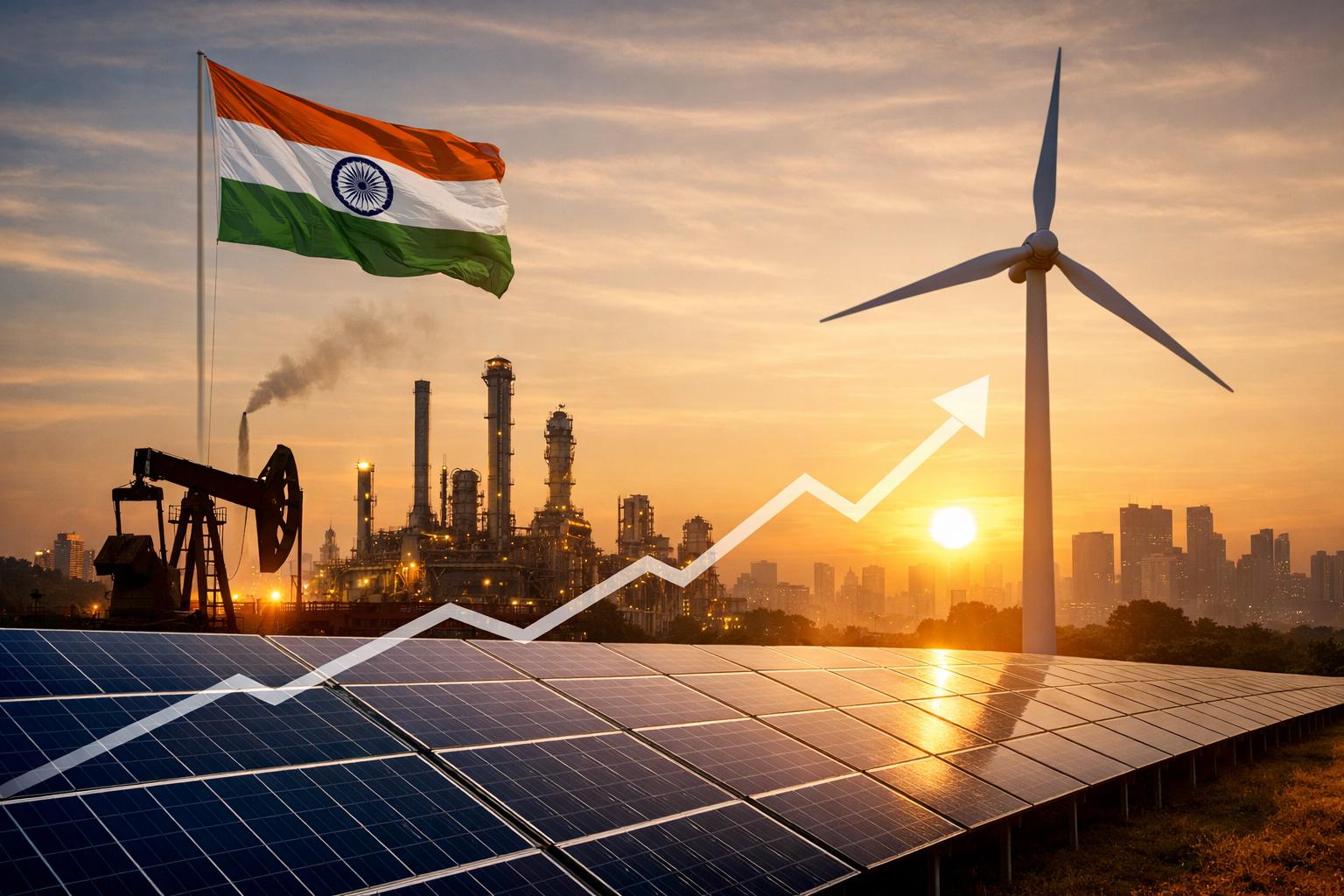












As geopolitical tensions in West Asia continue to disrupt global oil and gas markets, India is showing greater structural resilience compared with past crises, driven by a steady shift in how it produces and consumes energy. Data published in the Reserve Bank of India’s March Bulletin indicates that renewable sources accounted for 26.4 percent of India’s total electricity generation as of January 2026, rising from 22.1 percent in January 2025. This increase reflects a broader tran
As North Texas experiences another wave of extreme heat, the state’s power grid is under mounting pressure, but not only because of surging air conditioning usage. Energy experts point to a new and rapidly growing source of demand—artificial intelligence data centers. These massive facilities operate around the clock, consuming enormous amounts of electricity and requiring constant cooling, adding complexity to an already strained system. According to energy ana