



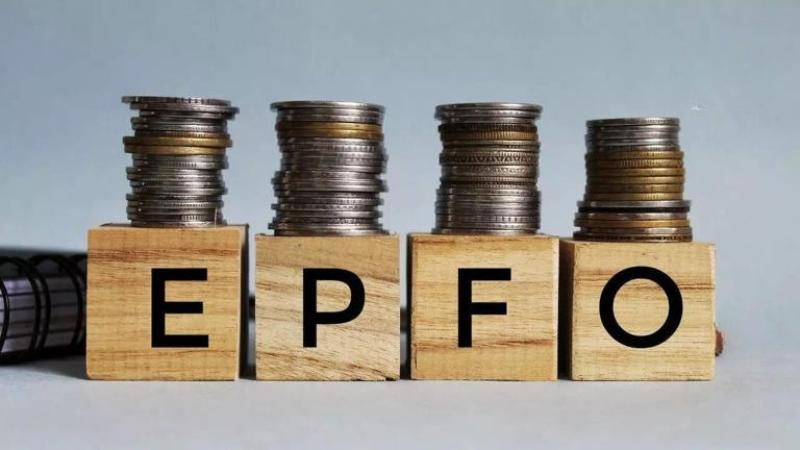











EPFO Simplifies Profile Updates and Approval Process for Faster Service
In a move to enhance efficiency, the Employees’ Provident Fund Organisation (EPFO) has revised its procedures to allow for quicker profile updates for its 70 million subscribers. With the new system, members who have their Universal Account Number (UAN) validated through Aadhaar can now update their details such as name, gender, marital status, and more, without uploading any supporting documents. The change aims to reduce delays and human intervention, allowing almost 45% of
UK Plans to Criminalize Deepfake Creation and Sharing to Protect Women
The UK government is taking decisive action to protect women and girls from the harm caused by sexually explicit deepfakes. In a new proposal, individuals who create or share these images could face criminal charges. This initiative aims to close existing legal gaps by criminalizing the taking and sharing of intimate images without consent. Under the new law, perpetrators could face up to two years in prison. Currently, sharing or threatening to share intimate images, including deep


